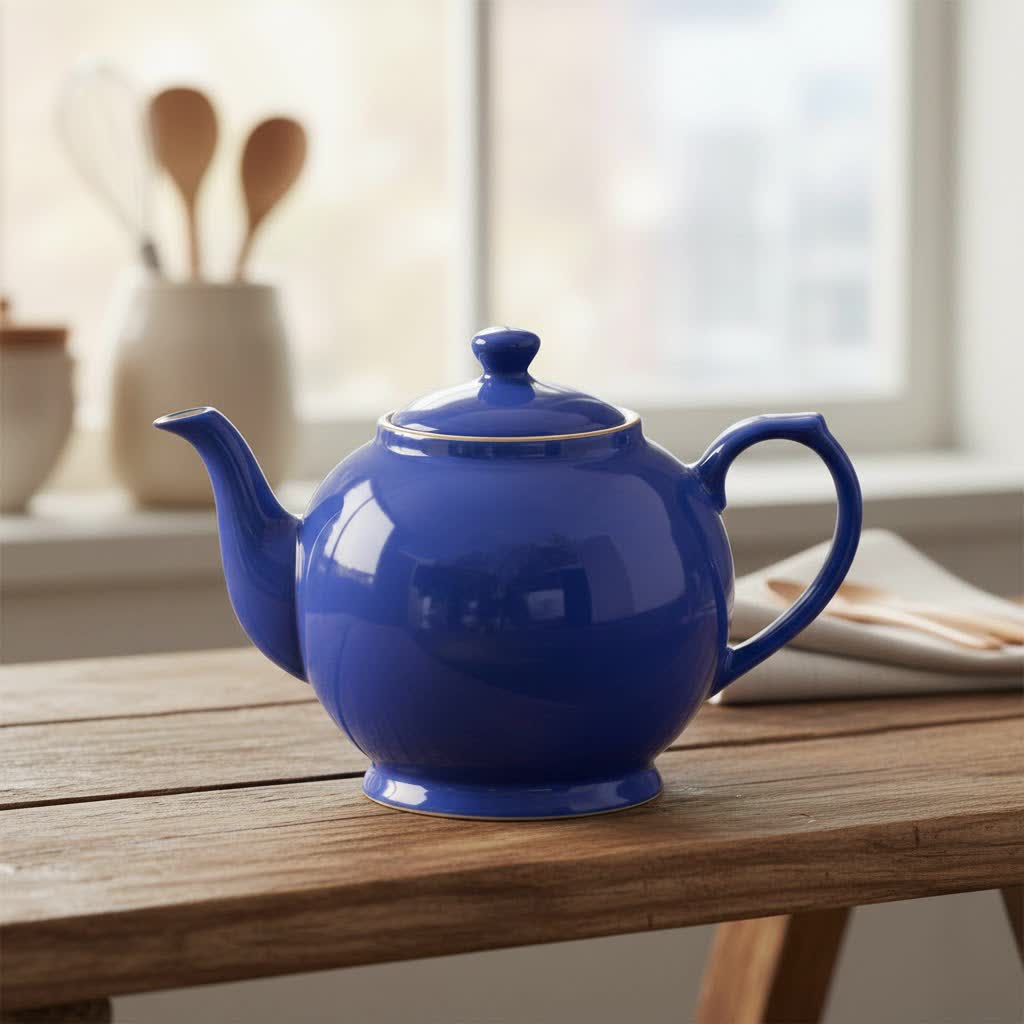
There’s a unique satisfaction in brewing a cup of herbal tea, watching the natural ingredients release their vibrant colors and therapeutic aromas. As an Admin for ReviewedHW.com, with over a decade of experience testing everything from traditional earthenware to modern electric models, I’ve come to understand that the teapot itself is more than just a vessel; it’s an integral part of the experience. Choosing the right Herbal Tea Pot can elevate your daily ritual, ensuring every infusion is as potent and delightful as nature intended. This comprehensive guide will walk you through the various types, crucial buying considerations, and essential care tips to help you find your perfect companion for herbal tea.
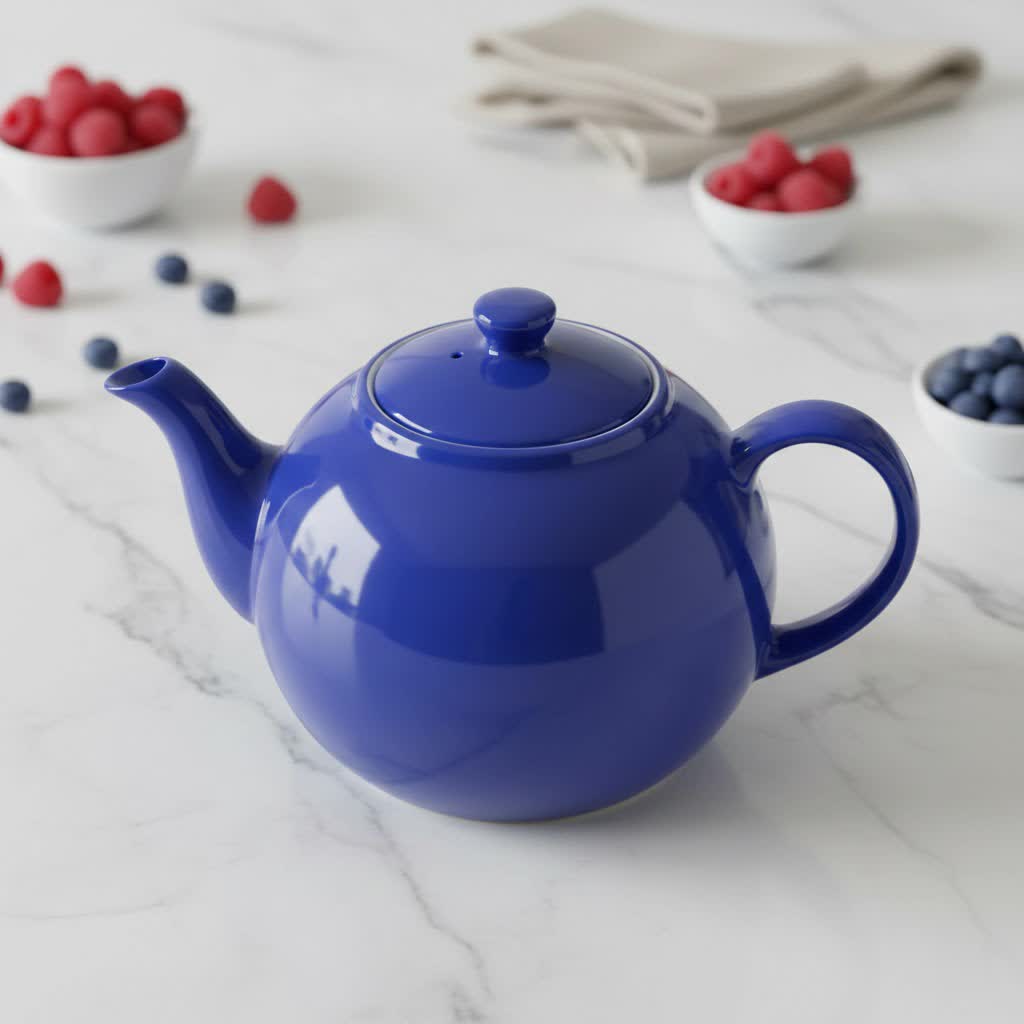
The Art of Herbal Infusions: Why Your Teapot Matters
For herbal enthusiasts, the teapot isn’t merely a container for hot water; it’s a critical tool that influences the flavor, aroma, and even the efficacy of your brew. Unlike traditional teas, herbs often require specific steeping conditions, and their delicate or robust natures can react differently with various materials. A well-chosen herbal tea pot ensures optimal extraction of beneficial compounds, allowing the herbs to unfurl fully and release their full spectrum of benefits.
Glass Herbal Teapots: A Clear View to Flavor
Glass teapots, often crafted from durable borosilicate glass, offer a visually stunning brewing experience. You can observe the herbs swirling and unfolding, watching the water transform into a rich, inviting hue.
- Pros:
- Visual Appeal: The transparent material allows you to admire the natural beauty of blooming teas or the vibrant colors of your herbal blend.
- Purity of Taste: Glass is non-porous and chemically inert, ensuring it won’t absorb flavors or odors from previous brews, preserving the pure taste of your herbs.
- Stovetop Safe Options: Many borosilicate glass teapots are designed to be used directly on gas or electric stovetops over medium heat, offering convenience for heating water and steeping in one vessel.
- Cons:
- Fragility: While borosilicate glass is durable, it is still glass and prone to breakage if dropped or subjected to extreme temperature shocks.
- Heat Retention: Glass tends to lose heat faster than other materials, meaning your herbal infusion might cool down more quickly.
- Infuser Mesh: Some glass teapots feature coiled spring infusers that may not effectively filter very fine cut-and-sifted herbs, potentially leading to sediment in your cup.
|
Our Picks for the Best Tea Pot in 2026
We may earn a commission when you use one of our links to make a purchase.
|
||
| Num | Product | Action |
|---|---|---|
| 1 | Amazon Basics Electric Kettle with Glass Carafe for Tea and Coffee, BPA-Free, Fast Boiling, Auto Shut-Off, 1 Liter, 1500W, Glass and Steel |

|
| 2 | Amazon Basics Electric Kettle with Glass Carafe for Tea and Coffee, BPA-Free, Fast Boiling, Auto Shut-Off, 1.7 Liter, 1500W, Black and Silver |
|
| 3 | All-Clad Specialty Stainless Steel Tea Kettle 2 Quart Induction Pots and Pans, Cookware Silver |
|
| 4 | 1500ml(50oz) Glass Teapot with Removable Infuser, Ehugos Stovetop Safe Large Tea Pot, Blooming and Loose Leaf Hand Crafted Kettle for Women and Adult with Stainless Infuser |
|
| 5 | Amazon Basics Electric Stainless Steel Kettle for Tea and Coffee, BPA-Free, Fast Boiling, Auto Shut-Off, 1.7 Liter, 1500W, Black and Silver |
|
| 6 | PARACITY Glass Teapot Stovetop 18.6 OZ, Borosilicate Clear Tea Kettle with Removable 18/8 Stainless Steel Infuser, Teapot Blooming and Loose Leaf Tea Maker Tea Brewer for Camping, Travel (550ML) |
|
| 7 | Primula Stewart Whistling Stovetop Tea Kettle Food Grade Stainless Steel, Hot Water Fast to Boil, Cool Touch Folding, 1.5-Quart, Brushed with Black Handle |
|
| 8 | PARACITY Glass Teapot Stovetop 20 OZ/600ml, Tea pot with Removable 18/8 Stainless Steel Infuser, Borosilicate Clear Tea Kettle, Teapot Blooming and Loose Leaf Tea Maker Tea Brewer for Camping, Travel |
|
| 9 | HIWARE 1000ml Glass Teapot with Removable Infuser, Stovetop Safe Tea Kettle, Blooming and Loose Leaf Tea Maker Set |
|
| 10 | Glass Teapot with Infuser 60OZ (1800ml) Stovetop Safe, Clear Glass Tea Pot Kettle, Borosilicate Tea Pot with Infusers Filter for Loose Tea, Tea Kettle Dishwasher Safe |
|
Ceramic and Porcelain Herbal Teapots: Elegance and Even Heat
Ceramic and porcelain teapots are timeless classics, offering a blend of elegance and functionality. These materials are widely popular for their versatility and aesthetic range.
- Pros:
- Excellent Heat Retention: Glazed ceramic and porcelain are superb at retaining heat, keeping your herbal tea warm for longer steeping times or extended enjoyment.
- Neutral Flavor: Properly glazed ceramic and porcelain are non-porous, meaning they won’t impart any unwanted flavors to your delicate herbal infusions, nor will they absorb past aromas.
- Durability and Aesthetics: Porcelain, in particular, is highly durable, resistant to chipping, and offers a smooth, refined surface. Both materials come in an incredible array of designs, colors, and patterns to match any style.
- Easy Cleaning: Glazed surfaces are typically easy to clean and often dishwasher-safe, making maintenance straightforward.
- Cons:
- Unglazed Porosity: Unglazed ceramic, such as traditional Yixing clay pots, is highly porous and will absorb the flavors and oils of your herbal teas. While some tea connoisseurs appreciate this “seasoning” for specific teas (like Pu-erh), it means the pot should ideally be dedicated to a single type of herb or tea to avoid flavor cross-contamination.
- Potential for Toxic Glazes: Always purchase ceramic teapots from reputable manufacturers to ensure the glazes used are food-safe and free from harmful toxins like lead or cadmium.
Cast Iron Herbal Teapots: Enduring Warmth and Tradition
Cast iron teapots, known as Tetsubin in Japan, are celebrated for their robust construction and exceptional heat retention. They bring a touch of ancient ritual and lasting warmth to your tea experience.
- Pros:
- Superior Heat Retention: Cast iron excels at keeping your herbal tea hot for extended periods, ideal for slow, mindful sipping or when preparing larger batches.
- Robust and Durable: These pots are incredibly sturdy and built to last generations with proper care.
- Aesthetic Appeal: Cast iron teapots often feature intricate designs and a weighty, substantial feel that many find deeply appealing.
- Cons:
- Weight: Cast iron teapots can be quite heavy, especially when filled with water, which might be a consideration for some users.
- Hot Handles: The material conducts heat efficiently, so handles can become very hot, often requiring a cloth or trivet.
- Maintenance (Rust): Unless they have an enamel interior coating (which most modern cast iron teapots do for brewing purposes), raw cast iron can rust and should not be used for steeping tea directly, but rather for boiling water.
- Potential Flavor Alteration: Unglazed cast iron can subtly alter the water’s mineral structure, impacting the tea’s flavor.
Electric Herbal Tea Makers: Convenience and Precision
Modern electric tea makers and kettles with infusers combine convenience with advanced features, making them a popular choice for busy individuals or those seeking precise brewing control.
- Pros:
- Precise Temperature Control: Many models offer exact temperature settings, which is crucial for brewing delicate herbs that can be scorched by boiling water or for robust roots that need higher heat.
- Convenience: Features like programmable start times, “keep warm” functions, and integrated infusers streamline the brewing process.
- Efficiency: Electric models heat water quickly and consistently.
- Cons:
- Less Traditional: The electronic nature might detract from the traditional, tactile experience of brewing tea for some enthusiasts.
- Higher Cost: Generally, electric models are more expensive than their traditional counterparts.
- Durability of Electronics: Like any electronic appliance, there’s a potential for electronic components to malfunction over time.
Detailed Comparison: Finding Your Ideal Herbal Tea Pot
To help you decide, here’s a detailed comparison of the most common herbal tea pot types:
| Feature | Glass Teapot | Ceramic/Porcelain Teapot | Cast Iron Teapot | Electric Tea Maker |
|---|---|---|---|---|
| Material | Borosilicate glass | Fired clay, porcelain, bone china | Cast iron, often enameled interior | Various (glass, stainless steel, plastic) |
| Durability | Fragile, prone to breakage | Good, porcelain is highly durable | Excellent, very robust | Varies by material, electronics can fail |
| Heat Retention | Moderate, cools faster | Good to excellent | Superior, keeps tea hot for long periods | Excellent, often with “keep warm” function |
| Flavor Impact | Neutral, preserves pure taste | Neutral (if glazed), preserves delicate notes | Neutral (if enameled), can alter if raw iron | Neutral |
| Aesthetics | Transparent, visual brewing | Wide range of designs and colors | Traditional, rustic, often artistic | Modern, functional, less traditional |
| Ease of Cleaning | Moderate (hand wash recommended for longevity) | Easy (glazed), often dishwasher safe | Moderate (special care for enamel to prevent rust) | Easy (if removable parts are dishwasher safe) |
| Price Range | Low to Mid | Mid to High | Mid to High | High |
How to Choose Your Perfect Herbal Tea Pot: A Buyer’s Guide
Selecting the right herbal tea pot involves more than just aesthetics; it’s about matching the pot to your specific brewing habits and preferences.
- Define Your Herbal Tea Ritual: Start by considering how you typically enjoy herbal tea. Are you brewing for a single, quiet moment, or for a gathering of friends? Do you prefer delicate floral infusions or potent root decoctions? Your usage frequency and serving size will guide your capacity needs.
- Material Matters Most: As explored above, each material offers distinct advantages and disadvantages.
- Choose glass if visual appeal and purity of flavor are paramount for your delicate herbs.
- Opt for ceramic or porcelain for excellent heat retention, neutral taste, and a wide variety of elegant designs.
- Consider cast iron for superior heat retention and a traditional, robust feel, especially for heartier herbal blends that benefit from sustained warmth.
- Go for an electric tea maker if convenience, precise temperature control, and programmable features are your top priorities.
- The Importance of the Infuser: For loose herbs, a high-quality infuser is non-negotiable. Look for:
- Fine Mesh: To prevent small herbal particles from escaping into your brew.
- Ample Space: The infuser should be large enough to allow the herbs to fully expand and circulate freely in the hot water, ensuring optimal flavor extraction. Small, cramped infusers can restrict this process.
- Size and Capacity: A larger pot (e.g., 34-40 ounces) is great for multiple servings or longer brewing sessions, while smaller pots (e.g., 20-24 ounces) are perfect for individual enjoyment. Ensure the teapot’s volume matches your desired cup volume to prevent over-steeping or weak infusions.
- Ergonomics and Safety: A comfortable, heat-resistant handle is essential for safe pouring. The spout should be well-designed to prevent drips and allow for a smooth, controlled pour. A tight-fitting lid with a small vent hole helps maintain temperature and prevents spills.
- Budget and Brand Reputation: Invest in a teapot that meets your needs without breaking the bank. Research reputable brands known for their quality materials and craftsmanship. Many trusted brands offer excellent options across different price points, often providing detailed information about their materials and safety standards.
Top Recommendations for Herbal Tea Pot Brands
When exploring the market for your ideal herbal tea pot, prioritize brands renowned for their commitment to quality materials, thoughtful design, and user-friendly features. Look for manufacturers that specifically mention food-grade, lead-free materials for ceramic and porcelain, or borosilicate glass for transparent models. Brands that offer finely-meshed, spacious infusers designed to accommodate the varied textures of loose herbs are particularly noteworthy. Many highly-rated companies specialize in various materials, ensuring you can find a reliable product whether you prefer the elegance of glass, the warmth of ceramic, or the tradition of cast iron. Prioritizing well-established names in tea accessories often guarantees a product that is not only aesthetically pleasing but also functional and durable for years of enjoyable herbal infusions.
Essential Tips for Using and Maintaining Your Herbal Tea Pot
Proper care extends the life of your teapot and ensures every brew is as clean and flavorful as the first.
- Proper Cleaning Techniques: Always rinse your teapot immediately after use to prevent staining and residue buildup. For glass and glazed ceramic, mild dish soap and warm water are usually sufficient. Avoid harsh abrasive scrubbers that can scratch surfaces, especially on delicate glass or enameled cast iron. For cast iron, dry thoroughly immediately after washing to prevent rust, and avoid using soap on unenameled interiors if you wish to maintain its seasoned character.
- Storage for Longevity: Store your teapot in a dry, safe place where it’s protected from accidental knocks or extreme temperature fluctuations. Ensure it’s completely dry before storing to prevent mildew or rust.
- Optimizing Your Brewing:
- Water Temperature: Pay attention to the ideal water temperature for your specific herbs. Delicate flowers might prefer slightly cooler water (180-195°F), while roots and barks often benefit from boiling water (212°F).
- Steeping Time: Follow recommended steeping times for your herbal blends to achieve the desired strength and avoid bitterness.
- Herb-to-Water Ratio: Experiment with the amount of herbs per cup to find your perfect flavor intensity. Generally, one teaspoon of dried herbs per 8 ounces of water is a good starting point.
- Safety First: Always use caution when handling hot teapots, especially cast iron models whose handles can become very hot. If using a stovetop-safe glass teapot, ensure it’s on medium heat and never leave it unattended while heating.
Conclusion
Choosing the ideal herbal tea pot is a deeply personal journey, reflecting your preferences for flavor, aesthetics, and brewing ritual. Whether you’re drawn to the transparent elegance of glass, the comforting warmth of ceramic, the enduring tradition of cast iron, or the modern precision of an electric maker, the perfect pot awaits. By considering material, infuser design, capacity, and ease of use, you can select a vessel that not only beautifies your kitchen but also consistently delivers pure, flavorful herbal infusions. Embrace the journey of discovery, and find the teapot that truly speaks to your soul, transforming every sip into a moment of pure bliss. What will your next perfect cup of herbal tea inspire in you?
Frequently Asked Questions
What is the best material for an herbal tea pot?
The “best” material depends on your priorities. Glass is excellent for visual appeal and pure taste, ceramic/porcelain offers great heat retention and versatility, while cast iron provides superior heat retention for longer warmth. Electric makers prioritize convenience and precise temperature control. For most herbal teas, non-porous materials like glass or glazed ceramic are highly recommended as they won’t absorb flavors.
Can I use a regular teapot for herbal tea?
Yes, most regular teapots made of glass, glazed ceramic, or porcelain are perfectly suitable for brewing herbal teas. The key is to ensure it has a good infuser (or you use an external one) that allows the herbs to expand fully and filters out fine particles. Avoid unglazed clay pots unless you plan to dedicate them solely to one type of herbal blend.
How do I clean an herbal tea pot?
For glass and glazed ceramic, rinse immediately after use and wash with warm, soapy water. Avoid abrasive scrubbers. For enameled cast iron, wash gently with soap and water, then dry thoroughly to prevent rust. Raw cast iron requires specific seasoning and no soap. Always ensure all parts, especially infusers, are clean and dry before storage.
How much herbal tea should I use per cup?
A general guideline is one teaspoon of dried herbal tea per 8 ounces (one cup) of hot water. However, this can vary significantly based on the type of herb (e.g., fluffy leaves vs. dense roots), its potency, and your personal taste preference. It’s best to start with this ratio and adjust as needed to find your perfect brew.
Are electric herbal tea makers worth it?
Electric herbal tea makers are worth it if you value convenience, precision, and consistency in your brewing. They offer exact temperature control and often “keep warm” features, which can be particularly beneficial for delicate herbs or for those who want their tea ready at a specific time. While often more expensive, they can significantly enhance the brewing experience for dedicated herbal tea drinkers.