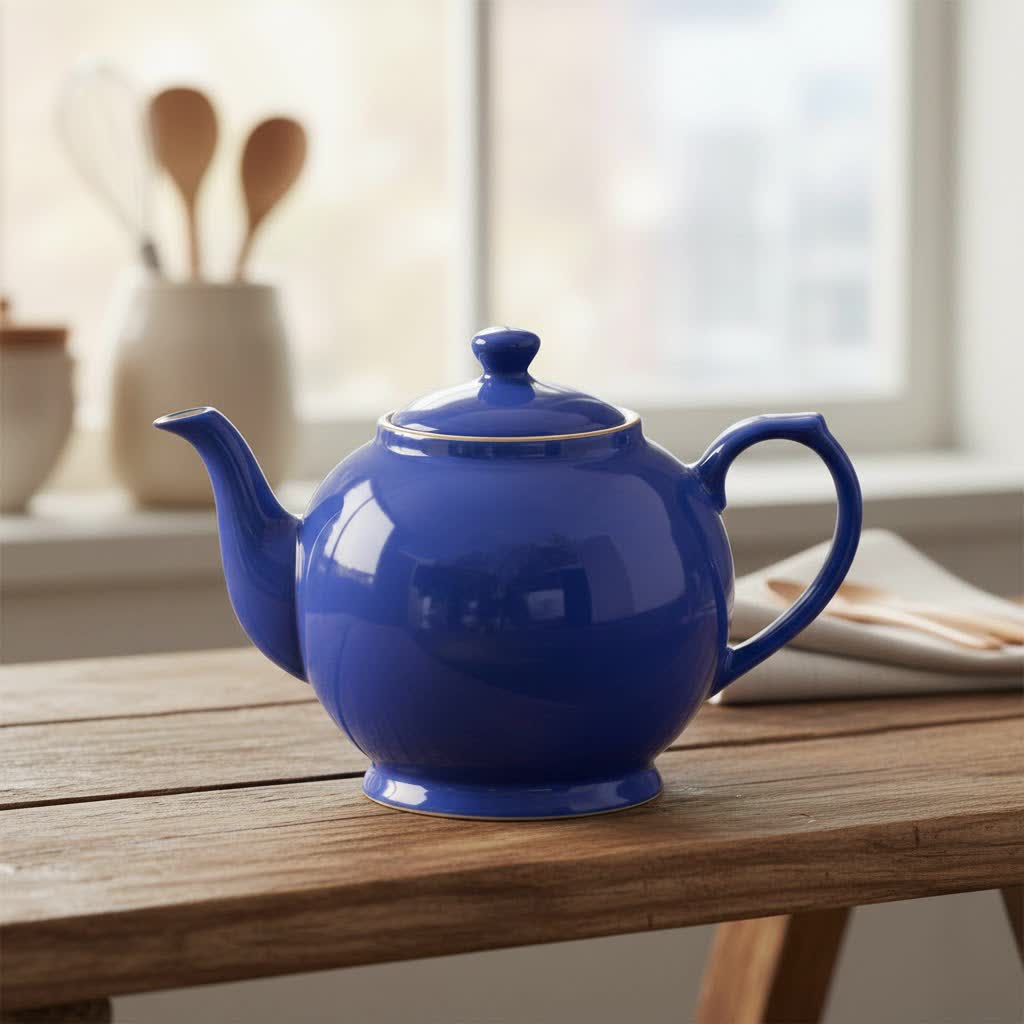
Stepping into the world of Middle Eastern hospitality means embracing rituals steeped in history, and at the heart of many lies the exquisite Arabic Tea Pot. More than just a vessel for brewing, an Arabic tea pot is a symbol of warmth, welcome, and a rich cultural narrative. But with a myriad of styles, materials, and designs, how do you select the one that perfectly suits your home and your tea-drinking traditions? This comprehensive guide will navigate you through the choices, ensuring you find an Arabic tea pot that is both a functional marvel and a captivating work of art.
The Enduring Legacy of the Arabic Tea Pot
The story of the Arabic tea pot is interwoven with centuries of Middle Eastern culture, where tea is not merely a beverage but a cornerstone of social interaction and hospitality. From bustling souks to tranquil desert tents, offering tea is a profound gesture of welcome, a moment to connect and share stories. While tea itself made its way to the Middle East via the ancient Silk Road from China, the distinctive vessels used to prepare and serve it evolved locally, reflecting regional aesthetics and customs.
Often, the term “Arabic tea pot” can encompass a range of designs, sometimes even drawing inspiration from the “Dallah,” a traditional coffee pot with an almond-shaped body and an elongated spout, originally used for “Gahwa” (Arabic coffee). However, specific tea-serving traditions, like the celebrated Moroccan mint tea, have given rise to their own iconic tea pots, such as the “Berrad,” typically made from polished metal. These vessels are far more than mere utensils; they are handcrafted treasures, each curve and engraving telling tales of generations of artisans and the vibrant heritage they represent.
Exploring Materials: What Your Arabic Tea Pot is Made Of
The material of your Arabic tea pot is perhaps the most critical factor, influencing its durability, heat retention, and overall aesthetic. Understanding the pros and cons of each common material will help you make an informed decision tailored to your needs.
Metal (Brass, Copper, Silver, Stainless Steel)
Metal tea pots are arguably the most iconic and traditional in Arabic and North African cultures. They boast ornate designs, often hand-engraved, making them stunning decorative pieces.
- Pros:
- Durability: Metal pots are generally robust and can last for many years, often becoming cherished heirlooms.
- Heat Retention: Especially copper and brass, are excellent at retaining heat, keeping your tea warm for longer periods.
- Traditional Aesthetic: Their polished surfaces and intricate etchings embody the classic Middle Eastern charm.
- Stovetop Compatibility: Many metal tea pots, particularly those made of stainless steel or specially treated brass/copper, are designed for direct heat, perfect for brewing traditional mint tea.
- Cons:
- Maintenance: Brass, copper, and silver can tarnish over time and require regular polishing to maintain their luster.
- Cost: Pure silver or heavily embellished metal pots can be quite expensive.
- Stovetop Caution: It is absolutely crucial to check if a metal tea pot is explicitly labeled “stovetop safe.” Many decorative metal pots are not designed to withstand direct heat and can be damaged or even dangerous if used for brewing.
|
Our Picks for the Best Tea Pot in 2026
We may earn a commission when you use one of our links to make a purchase.
|
||
| Num | Product | Action |
|---|---|---|
| 1 | PARACITY Glass Teapot Stovetop 18.6 OZ, Borosilicate Clear Tea Kettle with Removable 18/8 Stainless Steel Infuser, Teapot Blooming and Loose Leaf Tea Maker Tea Brewer for Camping, Travel (550ML) |

|
| 2 | Amazon Basics Electric Stainless Steel Kettle for Tea and Coffee, BPA-Free, Fast Boiling, Auto Shut-Off, 1.7 Liter, 1500W, Black and Silver |
|
| 3 | 1500ml(50oz) Glass Teapot with Removable Infuser, Ehugos Stovetop Safe Large Tea Pot, Blooming and Loose Leaf Hand Crafted Kettle for Women and Adult with Stainless Infuser |
|
| 4 | Amazon Basics Electric Kettle with Glass Carafe for Tea and Coffee, BPA-Free, Fast Boiling, Auto Shut-Off, 1 Liter, 1500W, Glass and Steel |
|
| 5 | Amazon Basics Electric Kettle with Glass Carafe for Tea and Coffee, BPA-Free, Fast Boiling, Auto Shut-Off, 1.7 Liter, 1500W, Black and Silver |
|
| 6 | Glass Teapot with Infuser 60OZ (1800ml) Stovetop Safe, Clear Glass Tea Pot Kettle, Borosilicate Tea Pot with Infusers Filter for Loose Tea, Tea Kettle Dishwasher Safe |
|
| 7 | PARACITY Glass Teapot Stovetop 20 OZ/600ml, Tea pot with Removable 18/8 Stainless Steel Infuser, Borosilicate Clear Tea Kettle, Teapot Blooming and Loose Leaf Tea Maker Tea Brewer for Camping, Travel |
|
| 8 | Primula Stewart Whistling Stovetop Tea Kettle Food Grade Stainless Steel, Hot Water Fast to Boil, Cool Touch Folding, 1.5-Quart, Brushed with Black Handle |
|
| 9 | HIWARE 1000ml Glass Teapot with Removable Infuser, Stovetop Safe Tea Kettle, Blooming and Loose Leaf Tea Maker Set |
|
| 10 | All-Clad Specialty Stainless Steel Tea Kettle 2 Quart Induction Pots and Pans, Cookware Silver |
|
Glass
Glass tea pots offer a modern elegance and a different kind of aesthetic pleasure, allowing you to watch the tea steep and appreciate its color.
- Pros:
- Visual Appeal: The transparency of glass provides a captivating view of your tea leaves unfurling and the infusion process.
- Easy Cleaning: Glass is non-porous and generally very easy to clean, resisting stains and odors.
- No Flavor Retention: You can brew different types of tea without fear of lingering flavors from previous infusions.
- Cons:
- Fragility: Glass is more prone to breakage compared to metal or some ceramics.
- Heat Retention: It typically does not retain heat as effectively as metal or ceramic, meaning your tea might cool faster.
- Stovetop Use: Most glass tea pots are not suitable for direct stovetop heating unless specifically designed with heat-resistant borosilicate glass.
Ceramic and Porcelain
Ceramic and porcelain tea pots, while less common for traditional stovetop brewing of Middle Eastern teas like Moroccan mint tea, offer immense versatility in design and are widely used for serving.
- Pros:
- Aesthetic Versatility: Available in a vast array of colors, patterns, and glazes, from simple to highly ornate.
- Neutral Flavor (Enameled): Enameled ceramic and porcelain do not absorb flavors, making them suitable for various tea types.
- Heat Retention: Good quality ceramic and porcelain can offer decent heat retention, especially if thick-walled.
- Cons:
- Fragility: Like glass, they can chip or break if dropped.
- Stovetop Use: Many ceramic and porcelain pots are designed for serving only and are not stovetop safe. Using them on direct heat can lead to cracking.
- Porousness (Unglazed): Unglazed clay or ceramic can absorb tea flavors (“memory”), which might be desirable for certain traditional teas (like some Chinese or Japanese teas), but less so for the diverse range of Arabic teas.
Detailed Comparison: Finding Your Ideal Arabic Tea Pot
Choosing the perfect Arabic tea pot means balancing aesthetics with practical considerations. Here’s a detailed comparison to help you weigh your options:
| Feature | Brass/Copper | Stainless Steel | Glass | Ceramic/Porcelain |
|---|---|---|---|---|
| Durability | High (can dent) | Very High (resistant to rust/tarnish) | Moderate (prone to breakage) | Moderate (can chip/break) |
| Heat Retention | Excellent | Good | Poor to Moderate | Good |
| Stovetop Safe | Often, but must confirm | Generally Yes | Rarely, must confirm (borosilicate) | Rarely, must confirm |
| Maintenance | Regular polishing for shine (for decorative) | Low (easy to clean, resists tarnish) | Low (easy to wash) | Low (easy to wash, resists stains) |
| Aesthetic | Traditional, ornate, warm glow | Sleek, modern, polished, often engraved | Contemporary, minimalist, transparent | Diverse, colorful, can be highly artistic |
| Price Range | Mid to High | Mid | Low to Mid | Low to High |
Ultimately, the best material depends on your primary intended use. If you plan to brew traditional Arabic mint tea directly on the stove, a heat-resistant metal pot is ideal. If you prioritize showcasing the tea’s color or value easy cleaning for diverse infusions, glass or enameled ceramic might be your choice for serving.
A Buyer’s Guide to Arabic Tea Pots
With your understanding of materials, let’s delve into other crucial factors to consider when purchasing your Arabic tea pot.
Determine Your Primary Use
Before you fall in love with a design, ask yourself: Will this be for brewing tea, serving tea, or purely decorative?
- Brewing: Requires a stovetop-safe material (stainless steel, certain brass/copper with appropriate lining, or specialized borosilicate glass).
- Serving: Allows for more artistic freedom with materials like decorative metals, glass, or ceramic, which may not be stovetop safe.
- Decorative: Offers the widest range of choices, focusing solely on aesthetic appeal.
Consider Size
Arabic tea gatherings are often intimate affairs, but can also involve larger groups.
- Small (12-16 oz / 350-470 ml): Perfect for personal use or serving 1-2 people for a quiet moment.
- Medium (24-32 oz / 700-940 ml): Suitable for small family gatherings or 2-4 guests.
- Large (32 oz+ / 940 ml+): Ideal for hosting larger parties (4+ people), ensuring ample servings of tea. Remember that tea is often poured into small glasses, so even a medium pot can serve several rounds.
Prioritize Functionality
Beyond aesthetics, a truly great tea pot is a joy to use.
- Heat-Resistant Handles: Essential for stovetop models to prevent burns. Look for handles made of wood, sturdy plastic, or metal with proper insulation.
- Tight-Fitting Lid: Prevents heat loss and spills. Some lids have a small pinhole to allow steam to escape and prevent a vacuum seal.
- Well-Designed Spout: A common frustration is a dribbling spout. Look for one that pours cleanly and steadily. The elongated spout characteristic of many Arabic designs is also traditionally used for pouring tea from a height, aerating it and creating a subtle froth.
- Integrated Infuser: If you prefer loose leaf tea, a built-in metal filter or infuser basket is a convenient feature. Many traditional Arabic tea pots do not have this, as tea leaves are often steeped directly in the pot.
Budget Expectations
Arabic tea pots range from affordable decorative items to luxurious, handcrafted pieces. Set a realistic budget based on your intended use and the desired material and craftsmanship. Hand-engraved silver or high-quality copper pots will naturally command a higher price than mass-produced stainless steel or glass versions.
Authenticity and Craftsmanship
For those seeking a truly authentic experience, look for tea pots crafted by skilled artisans. The intricate etchings and unique forms often found in handmade pieces carry a story and a level of detail that mass-produced items cannot replicate. Researching the origin and craftsmanship can add significant value to your purchase.
Top Styles and Where to Find Authentic Arabic Tea Pots
While “Arabic tea pot” is a broad term, some styles are particularly renowned:
- Moroccan Berrad: Famous for brewing vibrant mint tea, these are typically made of stainless steel or silver-plated brass, often adorned with intricate engravings, a long spout, and a prominent handle. They are usually part of a larger tea set that includes a matching tray and decorative glasses.
- Dallah-inspired Tea Pots: While the Dallah is traditionally for coffee, its distinctive shape with an ornate handle and long, curved spout has inspired many tea pot designs across the Arab world, especially for serving.
- Levantine and Gulf Region Styles: These often feature more subdued but equally elegant metal designs, sometimes incorporating elements of Islamic calligraphy or geometric patterns.
To find authentic Arabic tea pots, consider:
- Specialized Middle Eastern or Moroccan Stores: These retailers often import directly from artisans and can provide insights into the craftsmanship.
- Artisan Markets and Bazaars (Online and Offline): Platforms like Etsy host numerous independent artisans selling handcrafted pieces. Be sure to check seller reviews and product descriptions carefully.
- Reputable Online Retailers: Look for stores that specialize in cultural goods and have transparent information about their products’ origin and materials.
Care and Maintenance for Your Arabic Tea Pot
Proper care will ensure your Arabic tea pot remains a cherished item for years to come.
- Gentle Cleaning: Always hand wash your tea pot. Avoid harsh abrasive sponges, scourers, or chemical detergents, which can damage delicate finishes and engravings. A simple rinse with warm water is often sufficient, especially for metal pots used for serving.
- Polishing Metal Pots: For brass, copper, and silver tea pots, use a specialized metal polish periodically to restore their shine and remove tarnish. Always follow the product instructions carefully.
- Thorough Drying: After washing, dry your tea pot immediately and completely to prevent water spots and rust (especially on stainless steel if left wet). For metal pots, ensure the inside is fully dry before storage.
- Storage: Store your tea pot in a dry place. Some advise storing metal pots with the lid off to allow air circulation.
- Stovetop Safety: If your pot is stovetop safe, ensure it’s placed evenly on the burner. For non-stovetop safe pots, never place them directly on a heat source.
“An Arabic tea pot is not just a utensil; it’s a piece of living history, an ambassador of culture, and a silent participant in countless stories of friendship and family.” – Dr. Amina Al-Farsi, Ethnocultural Historian
In the end, selecting your Arabic tea pot is a personal journey, reflecting your taste, your lifestyle, and your desire to embrace a rich cultural tradition. Whether you choose a gleaming brass Berrad or a delicate glass server, it will undoubtedly become a focal point of your tea rituals, transforming simple moments into celebrated experiences.
Frequently Asked Questions
What is the difference between an Arabic teapot and a Dallah?
While often visually similar and both central to Middle Eastern hospitality, a Dallah is traditionally a coffee pot, specifically used for brewing and serving Arabic coffee (Gahwa). An Arabic teapot, on the other hand, is designed for brewing and serving various types of tea, such as Moroccan mint tea or spiced black tea. Their designs can overlap, but their primary intended beverage differs.
Can all Arabic tea pots be used on a stove?
No, not all Arabic tea pots are stovetop safe. Many ornate metal or ceramic tea pots are designed purely for serving or decorative purposes. It is crucial to always check the product specifications or consult the seller to confirm if a specific Arabic tea pot can withstand direct heat on a stove. Using a non-stovetop safe pot on heat can lead to damage or pose a safety risk.
What kind of tea is traditionally served in an Arabic teapot?
The type of tea varies by region. In North Africa, particularly Morocco, green tea infused with fresh mint and generous amounts of sugar (Maghrebi Mint Tea) is famously served in metal teapots. In the Gulf and Levant regions, strong black tea, often spiced with cardamom, saffron, or other local herbs, is common.
How do I clean a metal Arabic teapot to prevent tarnishing?
To prevent tarnishing on metal Arabic teapots made of brass, copper, or silver, wash them gently by hand with warm water and a mild soap, then immediately and thoroughly dry them with a soft cloth. Avoid abrasive cleaners. For existing tarnish, use a specialized metal polish formulated for the specific material, following the product instructions carefully, and polish regularly.
Are Arabic tea pots purely decorative, or are they functional?
Arabic tea pots are a beautiful blend of both decorative art and functionality. Many are indeed highly ornate and serve as stunning decorative pieces. However, a significant number, especially traditional metal ones like the Moroccan Berrad, are fully functional and designed for brewing and serving tea, often directly on the stovetop. The functionality largely depends on the material and craftsmanship.