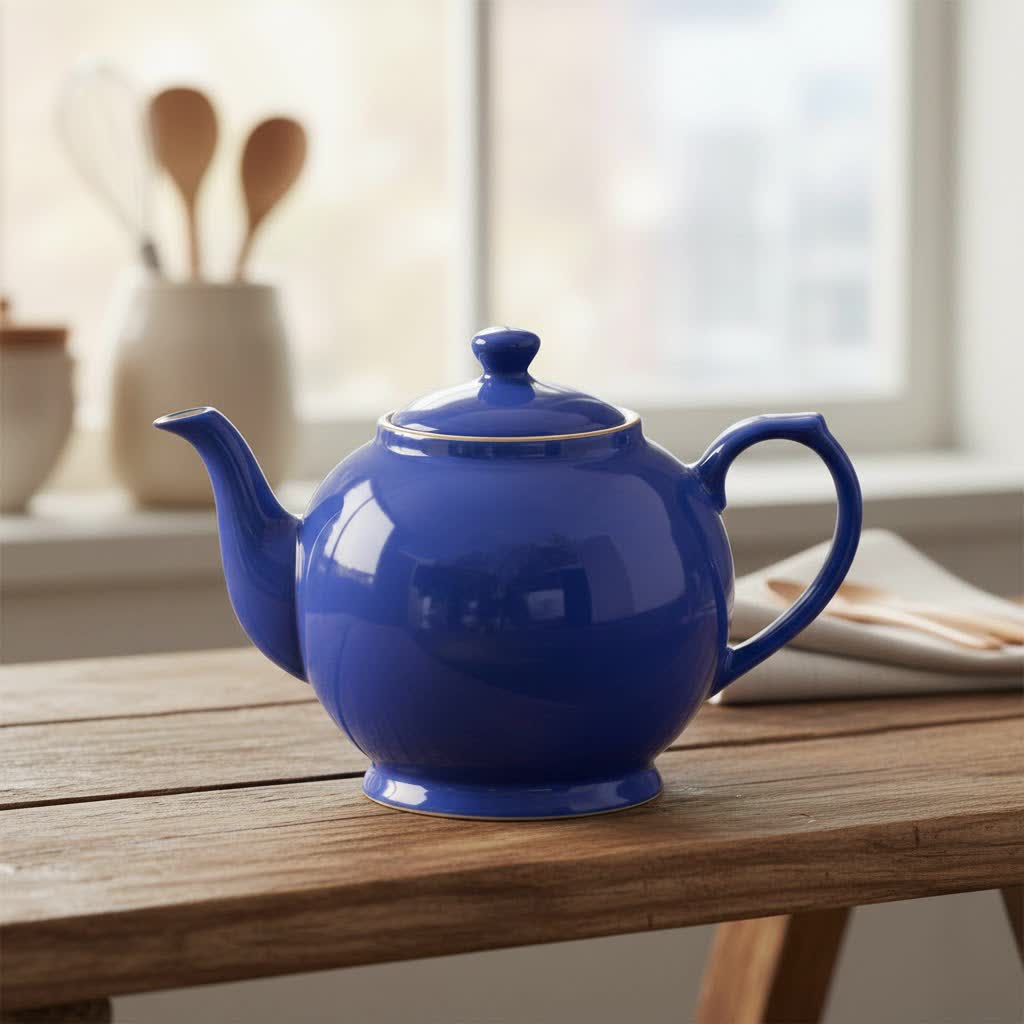
For many, the gentle hiss of a stovetop tea pot signals the start of a cherished daily ritual – a moment of calm, warmth, and flavor. As the Admin of ReviewedHW.com, with over a decade of experience reviewing countless home appliances, especially tea-related products, I understand the nuances that differentiate a good tea pot from the perfect one. From traditional stoneware to modern electric kettles, I’ve tested them all. This article aims to distill that experience into an honest, easy-to-understand guide, helping you select the ideal stovetop tea pot that perfectly aligns with your needs and preferences.
Understanding Stovetop Tea Pot Materials
The material of your stovetop tea pot significantly influences its performance, durability, and even the aesthetic it brings to your kitchen. Each has distinct advantages and potential drawbacks to consider.
- Stainless Steel Tea Pots: Stainless steel remains a perennial favorite for good reason. These tea pots are celebrated for their exceptional durability and sleek, modern appearance. They excel at efficient heat transfer, quickly bringing water to a boil and distributing heat evenly. Furthermore, stainless steel is naturally resistant to rust and corrosion and is generally considered a safe and non-reactive material for boiling water, minimizing concerns about metal leaching. Their non-porous surface also makes them remarkably easy to clean and maintain. However, some designs might feature metal handles that can get quite hot, requiring the use of an oven mitt.
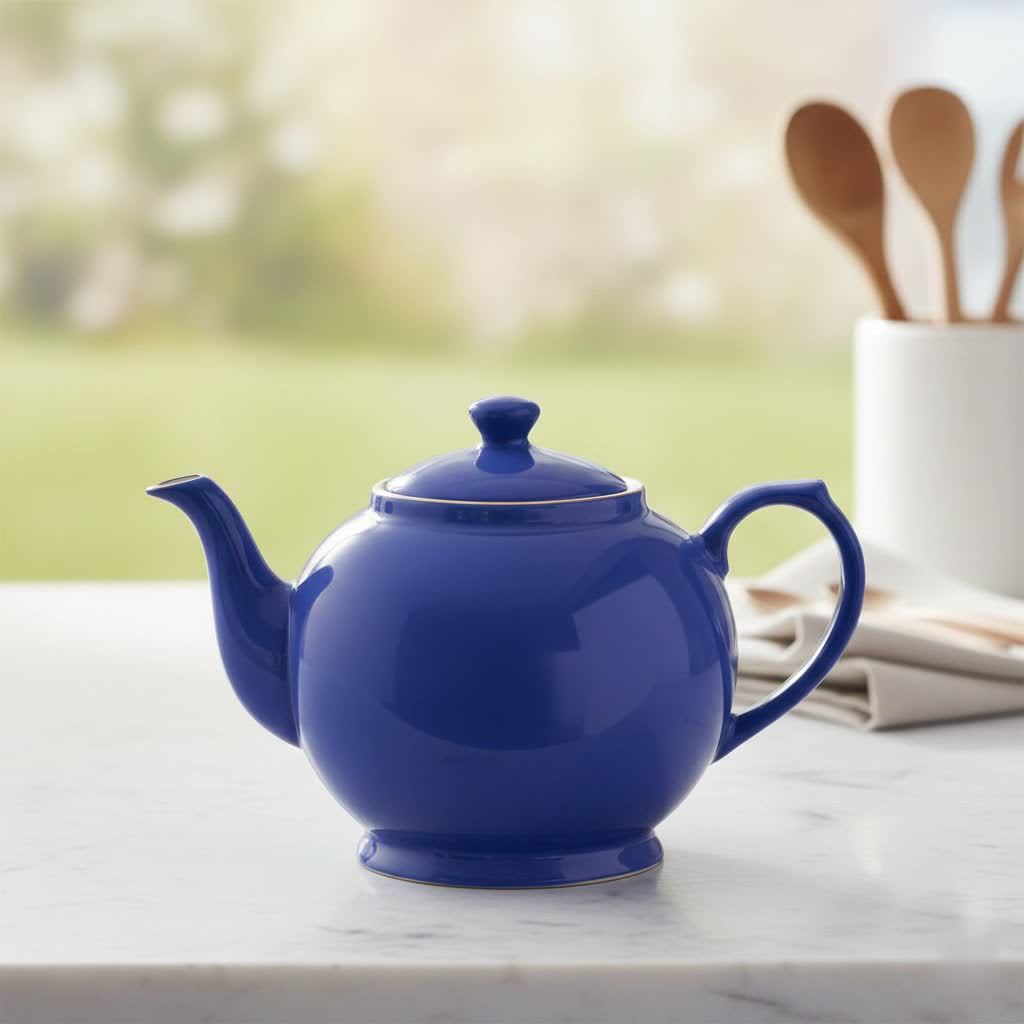
- Enamel-on-Steel Tea Pots: Often recognizable by their vibrant colors and classic designs, enamel-on-steel tea pots marry the strength of steel with an appealing, protective enamel coating. They offer good heat distribution and can be a beautiful accent to any kitchen. While generally durable, the enamel coating can chip if subjected to hard impacts or extreme temperature changes. Similar to stainless steel, attention should be paid to the handle material, as some may heat up during use.
- Cast Iron Tea Pots: For those who appreciate tradition and superior heat retention, cast iron tea pots are an excellent choice. Their most significant advantage is their ability to retain heat exceptionally well, keeping water hot for extended periods, which is perfect for multiple cups of tea. They boast impressive durability and a timeless, rustic charm. However, cast iron tea pots are considerably heavier and slower to heat than their metal counterparts. They also require specific maintenance to prevent rust, often involving seasoning, and are not as easy to clean due to their porous nature.
- Copper Tea Pots: Visually stunning and often considered a luxurious kitchen item, copper tea pots are prized for their outstanding heat conductivity, allowing water to boil remarkably fast. Their elegant appearance makes them a focal point. However, copper is a high-maintenance material; it tarnishes over time and requires regular polishing to retain its luster. Most copper tea pots are lined with tin or stainless steel to prevent direct contact between water and copper, which can be reactive. They are also typically the most expensive option.
- Glass Tea Pots: Offering a beautiful transparency that allows you to watch the water boil and your tea steep, glass tea pots are often made from borosilicate glass, making them suitable for direct stovetop use (primarily on electric or gas stoves over medium heat). They are non-reactive and often come with built-in infusers for loose leaf tea. The main drawback is their fragility; glass is more susceptible to breakage from drops or sudden temperature shocks compared to metal tea pots. They also generally have lower heat retention than metallic options.
|
Our Picks for the Best Tea Pot in 2026
We may earn a commission when you use one of our links to make a purchase.
|
||
| Num | Product | Action |
|---|---|---|
| 1 | All-Clad Specialty Stainless Steel Tea Kettle 2 Quart Induction Pots and Pans, Cookware Silver |

|
| 2 | HIWARE 1000ml Glass Teapot with Removable Infuser, Stovetop Safe Tea Kettle, Blooming and Loose Leaf Tea Maker Set |
|
| 3 | Primula Stewart Whistling Stovetop Tea Kettle Food Grade Stainless Steel, Hot Water Fast to Boil, Cool Touch Folding, 1.5-Quart, Brushed with Black Handle |
|
| 4 | 1500ml(50oz) Glass Teapot with Removable Infuser, Ehugos Stovetop Safe Large Tea Pot, Blooming and Loose Leaf Hand Crafted Kettle for Women and Adult with Stainless Infuser |
|
| 5 | Amazon Basics Electric Kettle with Glass Carafe for Tea and Coffee, BPA-Free, Fast Boiling, Auto Shut-Off, 1.7 Liter, 1500W, Black and Silver |
|
| 6 | Amazon Basics Electric Kettle with Glass Carafe for Tea and Coffee, BPA-Free, Fast Boiling, Auto Shut-Off, 1 Liter, 1500W, Glass and Steel |
|
| 7 | Amazon Basics Electric Stainless Steel Kettle for Tea and Coffee, BPA-Free, Fast Boiling, Auto Shut-Off, 1.7 Liter, 1500W, Black and Silver |
|
| 8 | PARACITY Glass Teapot Stovetop 20 OZ/600ml, Tea pot with Removable 18/8 Stainless Steel Infuser, Borosilicate Clear Tea Kettle, Teapot Blooming and Loose Leaf Tea Maker Tea Brewer for Camping, Travel |
|
| 9 | PARACITY Glass Teapot Stovetop 18.6 OZ, Borosilicate Clear Tea Kettle with Removable 18/8 Stainless Steel Infuser, Teapot Blooming and Loose Leaf Tea Maker Tea Brewer for Camping, Travel (550ML) |
|
| 10 | Glass Teapot with Infuser 60OZ (1800ml) Stovetop Safe, Clear Glass Tea Pot Kettle, Borosilicate Tea Pot with Infusers Filter for Loose Tea, Tea Kettle Dishwasher Safe |
|
Detailed Comparison Table
Choosing the right stovetop tea pot involves weighing various features against your personal preferences and kitchen setup. This table provides a quick overview to help you compare the most common types:
| Feature | Stainless Steel | Enamel-on-Steel | Cast Iron | Copper | Glass |
|---|---|---|---|---|---|
| Material Base | Durable steel | Steel with enamel | Heavy iron | Copper (lined) | Borosilicate glass |
| Durability | High | Medium-High (can chip) | Very High | Medium (tarnishes) | Low (fragile) |
| Heat Retention | Medium | Medium-High | Excellent | Medium | Low |
| Heating Speed | Fast | Fast | Slow | Very Fast | Medium-Slow |
| Price Range | $$-$$$ | $$-$$$$ | $$$-$$$$ | $$$$-$$$$$ | $-$$-$$$ |
| Aesthetics | Modern, sleek | Classic, colorful | Rustic, traditional | Elegant, luxurious | Modern, transparent |
| Maintenance | Low | Medium | High (seasoning, rust) | High (polishing) | Medium (careful cleaning) |
| Stovetop Comp. | All (check specific) | All (check specific) | All (check specific) | All (check specific) | Gas/Electric (medium) |
Your Guide to Buying the Perfect Stovetop Tea Pot
Navigating the multitude of options can feel daunting, but focusing on a few key factors will simplify your decision.
- Assess Your Usage Needs: How frequently do you make tea, and for how many people? A large family or frequent host will benefit from a higher capacity tea pot (1.5-2.5 quarts), while individual users might prefer a smaller, lighter model (1 quart). Do you enjoy the traditional whistling sound as water boils, or do you prefer a silent operation? Some kettles offer a disable option for their whistle.
- Consider Your Stove Type: Ensure the tea pot you choose is compatible with your current stovetop. Most metal tea pots work on gas and electric ranges. If you have an induction cooktop, look for kettles specifically labeled “induction compatible,” which typically feature a magnetic base. Glass tea pots are generally suitable for gas and electric, but may not be ideal for induction.
- Prioritize Safety and Comfort:
- Handle Design: This is critical for safe pouring. Opt for handles made from heat-resistant materials like silicone, phenolic resin, or wood. A good handle should also be ergonomically designed for a comfortable grip and positioned away from the steam spout to prevent burns. Avoid tea pots with handles made entirely of metal, as these can become extremely hot.
- Pouring Spout: A well-designed spout allows for a smooth, controlled pour without dripping or splashing. For those who enjoy precise brewing methods like pour-over coffee, a gooseneck spout offers unparalleled control.
- Capacity and Weight: While a larger capacity means fewer refills, remember that a full tea pot can be heavy. Consider the weight of the empty kettle and add a gallon of water (approximately 8.3 pounds per gallon) to estimate its total weight when full, ensuring it’s comfortable for you to lift and pour.
- Ease of Filling and Cleaning: Look for a tea pot with a wide mouth or lid opening for easy filling under the faucet. A smooth, non-porous interior simplifies cleaning and prevents mineral buildup or rust. Some modern designs also offer detachable lids for better access.
- Budget: Stovetop tea pots range widely in price, from budget-friendly options under $40 to high-end designer pieces exceeding $150. Determine your comfortable spending range, keeping in mind that a higher price often correlates with superior materials, craftsmanship, and brand reputation.
- Aesthetics: Beyond functionality, your tea pot is a visible kitchen accessory. Choose a design and color that complements your kitchen decor and brings you joy.
Top Stovetop Tea Pot Brands and Models
Based on extensive testing and user reviews, several brands consistently stand out for their quality, performance, and design in the stovetop tea pot category.
- Le Creuset: Renowned for their vibrant enamel-on-steel designs, Le Creuset’s Classic Whistling Kettle is a favorite. It heats quickly, pours smoothly, and is built to last, making it a stylish and durable choice for any kitchen. While an investment, their quality justifies the price for many tea enthusiasts.
- OXO Good Grips: The OXO Good Grips Classic Tea Kettle (also known as the Uplift model) is consistently praised for its thoughtful, user-friendly features. It boasts a comfortable, heat-resistant handle, a wide opening for easy filling and cleaning, and a clear interior to gauge water levels. Its brushed stainless steel finish is both elegant and fingerprint-resistant.
- SUSTEAS: For those seeking a blend of modern aesthetics and affordability, the SUSTEAS Stove Top Whistling Kettle is a popular choice. It often features a multi-clad bottom for efficient heating, a comfortable silicone handle, and a stylish design that fits various kitchen decors.
- Chantal: The Chantal Vintage Series Tea Kettle consistently performs well in tests, known for its rapid boiling and comfortable handle, offering a reliable and elegant option.
- Hario: If your tea ritual includes pour-over coffee or precise brewing, the Hario V60 Buono Drip Kettle is an excellent stovetop-compatible option. Its iconic gooseneck spout provides unmatched control for a slow, steady pour, crucial for delicate brewing.
- Other reputable brands to consider include All-Clad (known for durable stainless steel), Riess (for traditional German enamelware), Paderno (for sturdy stainless steel), and Viking (for robust, high-performance options). The Mr. Coffee Flintshire Stainless Steel Whistling Tea Kettle is a solid budget-friendly performer.
Tips for Using and Maintaining Your Stovetop Tea Pot
Proper care extends the life of your tea pot and ensures safe, enjoyable use.
- Cleaning is Key: Regular rinsing after each use prevents residue buildup. For mineral deposits and limescale (especially in hard water areas), descale your tea pot every few months using a solution of equal parts white vinegar and water, or lemon juice. Bring the solution to a boil, let it sit for 30 minutes to an hour, then rinse thoroughly. Avoid harsh abrasive cleaners, especially on enamel or copper finishes, as they can damage the surface.
- Preventing Rust: For cast iron tea pots, dry them thoroughly immediately after washing and consider re-seasoning periodically to maintain their protective layer. Even stainless steel can develop rust spots if left wet or exposed to harsh chemicals.
- Safe Handling Practices: Regardless of the handle material, it’s always wise to exercise caution. If you notice the handle getting warm, use an oven mitt or a thick kitchen towel to protect your hand. Ensure the kettle is stable on the burner to prevent tipping.
- Filling Guidelines: Never overfill your tea pot beyond its maximum fill line, as this can impede the whistle, cause boiling water to spurt out, or overflow, creating a burn hazard. Conversely, avoid underfilling with too little water, which can cause the kettle to boil dry and potentially damage the material or your stovetop. Always match the burner size to the kettle’s base for efficient heating and to prevent handle overheating.
> “A good tea pot is not merely a tool for brewing tea; it’s a piece of art that enriches the entire tea-drinking experience.” – Trần Văn A, Tea Ceremony Expert
Conclusion
Choosing the best tea pot for your stove is a personal journey that blends practical considerations with aesthetic appeal. Whether you prioritize the rapid boil of copper, the classic charm of enamel-on-steel, the robust durability of stainless steel, or the excellent heat retention of cast iron, there’s a perfect match waiting for you. By understanding the characteristics of different materials, carefully considering key features like handle design and capacity, and committing to proper care, you can ensure your chosen tea pot will be a beloved part of your kitchen and tea ritual for years to come.
What material do you find best suited for your daily tea ritual, and why?
Frequently Asked Questions
Which material is healthiest for a stovetop tea pot?
Stainless steel is generally considered one of the healthiest and safest materials for stovetop tea pots. It is non-reactive, durable, and does not leach harmful chemicals into your water, making it an excellent choice for everyday use and peace of mind.
How do I prevent my stovetop tea pot from rusting?
To prevent rust, always ensure your tea pot is thoroughly dried after washing, especially cast iron models which may require occasional seasoning. Avoid leaving water stagnant in the kettle for extended periods, and promptly address any minor rust spots with appropriate cleaning methods for the material.
Can I use any stovetop tea pot on an induction hob?
No, not all stovetop tea pots are compatible with induction hobs. Induction cooktops require cookware with a magnetic base to generate heat. Always check the product specifications to confirm if a tea pot is explicitly labeled “induction compatible” before purchasing.
How often should I descale my tea pot?
The frequency of descaling depends on the hardness of your water and how often you use the tea pot. As a general rule, descaling every 1-3 months is recommended to prevent mineral buildup, which can affect heating efficiency and the taste of your tea.