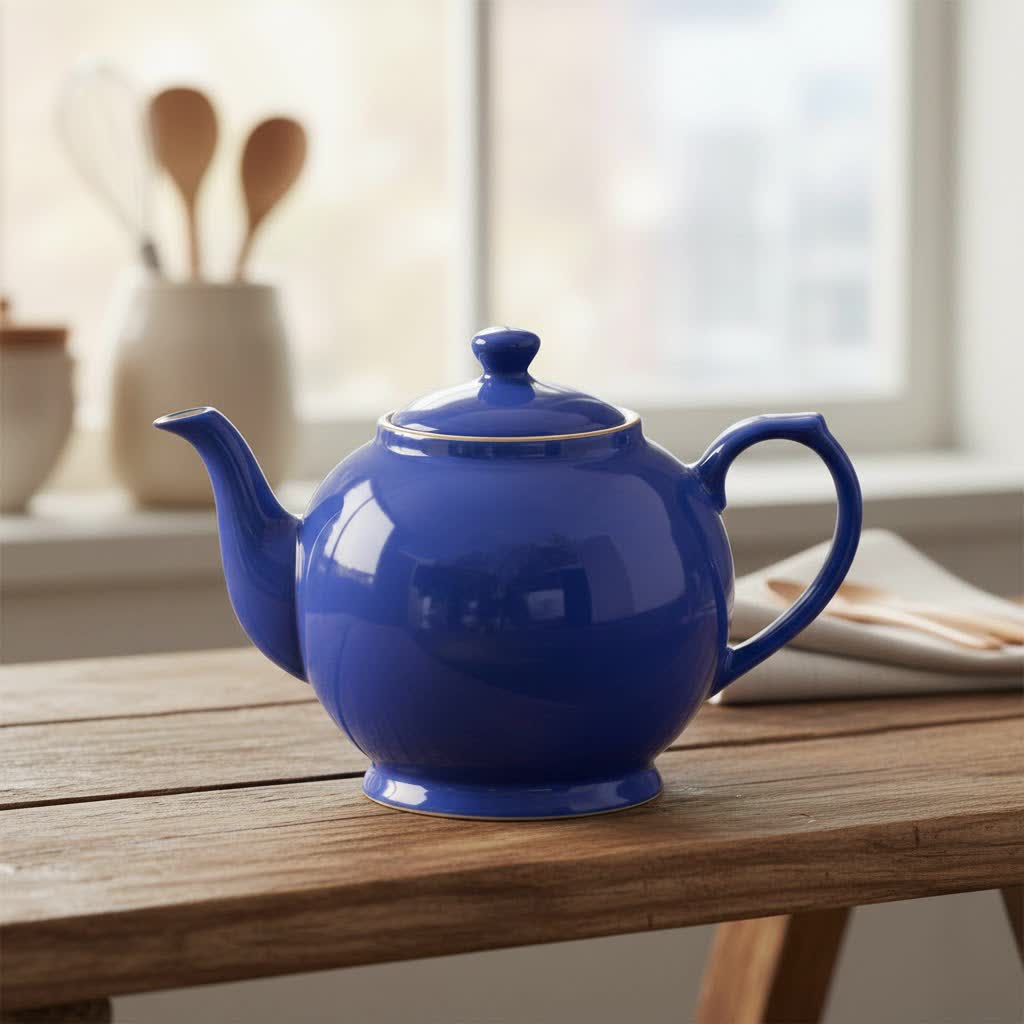
The simple act of brewing and enjoying tea transcends mere hydration; it’s a cherished ritual, a moment of tranquility, and often, a shared experience. At the heart of this tradition lies the Tea Pot And Cup Set. Choosing the right set isn’t just about aesthetics; it’s about enhancing flavor, optimizing brewing, and reflecting your personal style. With countless options available, understanding the nuances of different materials, designs, and functionalities is key to finding the set that perfectly complements your tea journey.
Understanding the Heart of Your Tea Ritual: Why a Tea Pot and Cup Set Matters
A well-chosen tea pot and cup set elevates the entire tea-drinking experience, moving it from a simple beverage to a mindful ritual. The set’s aesthetic appeal can transform any setting, whether for a formal gathering or a quiet moment alone, making the occasion more memorable. Beyond visual charm, functionality is crucial, as different materials and designs impact heat retention and brewing quality, ensuring your tea is steeped to perfection. Moreover, tea sets carry significant cultural weight, embodying traditions from Japanese tea ceremonies to English afternoon tea, allowing you to connect deeper with the brewing process. Ultimately, the right set offers versatility, adapting to various occasions and reflecting your personal style.
Popular Types of Tea Pot and Cup Sets by Material
The material of your tea pot and cup set significantly influences both its performance and aesthetic. Each type offers distinct advantages and caters to different tea preferences and occasions.
- Glass Tea Sets: These sets, often made from borosilicate glass, are celebrated for their transparency, allowing you to visually appreciate the tea leaves unfurling and the infusion’s color.
- Pros: Pure taste with no flavor interference, excellent for observing blooming teas, generally easy to clean.
- Cons: Lower heat retention compared to other materials, making tea cool faster; fragile and prone to breakage.
- Best for: Green, white, herbal, and blooming teas, where visual appeal is desired.
- Ceramic Tea Sets: Broadly encompassing stoneware and earthenware, ceramic sets are a versatile and popular choice, known for their rustic charm and wide range of designs.
- Pros: Good heat retention, neutral impact on tea flavor, available in diverse colors and styles, often durable for everyday use.
- Cons: Can be heavy and prone to chipping or breaking if dropped; may require pre-warming for optimal heat retention.
- Best for: Most tea types, daily use, and traditional tea service.
- Porcelain Tea Sets: A finer, more refined type of ceramic, porcelain sets are synonymous with elegance and sophistication.
- Pros: Very elegant appearance, does not absorb or impart flavors, non-porous and easy to clean, classic aesthetic for formal settings.
- Cons: More fragile and delicate than standard ceramic; often more expensive, requiring careful handling.
- Best for: Special occasions, afternoon tea, and delicate teas where presentation and pure flavor are paramount.
- Cast Iron Tea Sets (Tetsubin-style): Originating from Japan, these heavy, robust sets are renowned for their exceptional heat-retaining properties.
- Pros: Keeps tea warm for extended periods, highly durable, possesses a unique rustic and traditional aesthetic.
- Cons: Very heavy, which can make pouring challenging; requires careful maintenance to prevent rust (especially unlined ones); typically more expensive.
- Best for: Black teas and Puerh teas, especially when you need the tea to stay hot for a long time.
- Clay Teapots (Yixing, etc.): Often favored by serious tea enthusiasts, these porous teapots absorb tea flavors over time, developing a unique “seasoning.”
- Pros: Creates unique flavor profiles, traditional and artisanal appeal, excellent for specific tea types (e.g., Oolong, Puerh).
- Cons: Should be dedicated to one type of tea; requires special care and “seasoning”; can be expensive.
- Best for: Serious tea enthusiasts who wish to delve into specialized tea brewing with specific single-origin teas.
Detailed Comparison: Finding Your Ideal Match
To help you decide, here’s a comparison of popular tea set materials based on key features:
| Feature | Glass | Ceramic | Porcelain | Cast Iron |
|---|---|---|---|---|
| Material | Borosilicate glass | Earthenware/Stoneware | Fine clay, feldspar, quartz | Iron (often enameled interior) |
| Durability | Moderate (fragile, prone to breaks) | Moderate (can chip/break if dropped) | Moderate (delicate, requires care) | High (very robust, resistant to damage) |
| Heat Retention | Low | Good | Moderate | Excellent |
| Aesthetic | Modern, transparent, visual | Rustic, traditional, varied designs | Elegant, refined, classic | Rustic, heavy, traditional (Japanese) |
| Price Range | Mid | Low to Mid | Mid to High | Mid to High |
| Maintenance | Easy to clean | Easy to clean | Easy to clean (non-porous) | High (rust prevention for unlined, drying) |
| Flavor Impact | None | None | None | Minimal (if lined), can impart subtle notes (unlined) |
| Best For | Green, white, herbal, blooming teas | Most teas, daily use, traditional service | Special occasions, delicate teas, presentation | Black, Puerh teas, keeping tea hot |
Your Comprehensive Buying Guide: Steps to Select the Right Tea Pot and Cup Set
Choosing the perfect tea pot and cup set involves a thoughtful consideration of several factors. By following these steps, you can confidently select a set that meets your brewing needs and personal style.
- Define Your Purpose & Occasion: Start by considering how you’ll primarily use your tea set. Is it for daily individual enjoyment, hosting elegant afternoon tea parties, or perhaps a durable set for casual family use? Your intended use will guide your choices in material, size, and design. A travel tea set, for instance, requires compactness and durability, whereas a formal set might prioritize delicate aesthetics.
- Consider Your Budget: Tea sets range widely in price, from affordable basic ceramic options to high-end artisanal porcelain or cast iron pieces. Establish a budget beforehand to narrow down your choices and ensure you find the best value within your price range. Remember, a good mid-range set can offer excellent quality and last for many years with proper care.
- Choose the Right Material: As explored above, each material offers unique benefits regarding heat retention, durability, and flavor neutrality. If you prioritize watching your tea steep, glass is ideal. For robust black teas, cast iron’s superior heat retention is beneficial. Ceramic is a versatile choice for most teas, while porcelain excels in elegance for special occasions.
- Evaluate Size and Capacity: Tea sets come in various capacities. A personal tea-for-one set is perfect for individual brewing, typically yielding 1-2 cups (10-16 oz). Standard sets often serve 2-3 people, offering 3-4 cups (24-32 oz), making them highly versatile. For larger gatherings, consider a set with a 5-6 cup (40-48 oz) teapot or even an extra-large one for parties. Remember that “cup” measurements on teapots can be smaller than standard drinking cups.
- Check for Essential Features and Accessories: Many tea sets come with thoughtful additions that enhance functionality.
- Built-in Infuser/Strainer: A fine mesh basket or integrated holes at the spout prevent leaves from entering your cup, offering convenience and ease of cleaning.
- Matching Saucers, Sugar Bowls, and Milk Jugs: These complements create a cohesive and sophisticated presentation, elevating your tea experience.
- Lid Design: Look for a lid that fits snugly to retain heat and ideally has a small air vent to aid smooth pouring and prevent drips.
- Handle Design: Ensure the handle is comfortable to hold and stays cool when the pot is filled with hot tea.
- Spout Design: A well-designed spout pours cleanly without dripping, with gooseneck spouts offering precise control.
- Examine Quality and Craftsmanship: Pay attention to the finish, glazes, and overall construction. Hand-painted designs, smooth surfaces, and well-fitted components indicate a higher quality set. Good craftsmanship ensures durability and a more enjoyable user experience.
Top Brands for Quality Tea Pot and Cup Sets
While specific brand preferences can be highly personal, certain categories and manufacturers consistently deliver quality and reputation in the tea pot and cup set market.
- Luxury Porcelain & Bone China Brands: For those seeking elegance and refined craftsmanship, brands specializing in fine porcelain and bone china are exemplary. These often feature intricate hand-painted designs or classic patterns, perfect for formal settings and collectors. Look for manufacturers known for their delicate yet durable pieces.
- Artisan Ceramic & Stoneware Makers: Many smaller, independent artisans and specialized ceramic studios offer unique, handcrafted tea sets. These often feature rustic charm, earthy tones, and distinctive glazes, appealing to those who appreciate a tactile connection to their tea ritual. Japanese and Korean ceramic traditions are particularly renowned in this area.
- Traditional Cast Iron (Tetsubin) Specialists: Authentic Japanese Tetsubin manufacturers produce cast iron teapots and matching cups that are prized for their exceptional heat retention and timeless aesthetic. These brands often adhere to centuries-old techniques, offering pieces that are both functional and artistic.
- Modern Glassware Innovators: Companies focusing on borosilicate glass design sleek, contemporary tea sets with emphasis on visual brewing and minimalist appeal. These brands often integrate features like removable infusers and stovetop-safe designs, blending modern convenience with aesthetic purity.
Expert Tips for Using and Maintaining Your Tea Set
Proper care ensures your tea pot and cup set remains beautiful and functional for years, preserving the integrity of your tea-drinking ritual.
- Proper Cleaning Techniques: Always rinse your tea set with hot water immediately after each use. Hand washing with mild soap is generally recommended, especially for delicate materials like porcelain and hand-painted ceramics. Avoid abrasive scrubbers or harsh detergents, which can damage glazes and finishes. While some sets are dishwasher-safe, checking the manufacturer’s instructions is crucial. For common tea stains, a paste of baking soda can be effective, though some tea enthusiasts appreciate the “seasoned” look of a well-used teapot.
- Optimal Storage Tips: Store your tea set in a dry place, preferably with the lid slightly ajar or off to allow for air circulation. To prevent chips or cracks, especially for fragile materials, consider storing individual pieces in padded compartments or displaying them securely in a cabinet.
- Pre-warming for Better Brewing: For ceramic and porcelain teapots, pre-warming the pot with hot water before adding tea leaves helps maintain the brewing temperature, leading to a more consistent and flavorful infusion.
- Gentle Handling: Regardless of material, treat your tea set with care. Delicate items, especially those with intricate spouts or handles, can break if mishandled.
- Effective Infuser Use: If your set includes an infuser, ensure it provides ample space for tea leaves to unfurl fully. This allows for optimal flavor extraction and a richer brew.
“A good teapot is not just a tool for brewing tea, but an art piece that enhances the soul’s tranquility.” – Trần Văn A, Tea Ceremony Expert
Conclusion
Choosing the ideal tea pot and cup set is a deeply personal journey that marries functionality with aesthetic pleasure. Whether you are drawn to the rustic charm of ceramic, the elegant refinement of porcelain, the visual delight of glass, or the enduring warmth of cast iron, each material offers a unique pathway to a perfect brew. By considering your personal tea habits, budget, material preferences, and essential features, you can select a set that not only serves your practical needs but also resonates with your individual style and elevates every tea-drinking moment into a cherished ritual. So, which tea pot and cup set will you choose to transform your next tea experience?
Frequently Asked Questions
What material is best for a tea pot and cup set for health?
|
Our Picks for the Best Tea Pot in 2026
We may earn a commission when you use one of our links to make a purchase.
|
||
| Num | Product | Action |
|---|---|---|
| 1 | Glass Teapot with Infuser 60OZ (1800ml) Stovetop Safe, Clear Glass Tea Pot Kettle, Borosilicate Tea Pot with Infusers Filter for Loose Tea, Tea Kettle Dishwasher Safe |

|
| 2 | PARACITY Glass Teapot Stovetop 20 OZ/600ml, Tea pot with Removable 18/8 Stainless Steel Infuser, Borosilicate Clear Tea Kettle, Teapot Blooming and Loose Leaf Tea Maker Tea Brewer for Camping, Travel |
|
| 3 | HIWARE 1000ml Glass Teapot with Removable Infuser, Stovetop Safe Tea Kettle, Blooming and Loose Leaf Tea Maker Set |
|
| 4 | All-Clad Specialty Stainless Steel Tea Kettle 2 Quart Induction Pots and Pans, Cookware Silver |
|
| 5 | 1500ml(50oz) Glass Teapot with Removable Infuser, Ehugos Stovetop Safe Large Tea Pot, Blooming and Loose Leaf Hand Crafted Kettle for Women and Adult with Stainless Infuser |
|
| 6 | PARACITY Glass Teapot Stovetop 18.6 OZ, Borosilicate Clear Tea Kettle with Removable 18/8 Stainless Steel Infuser, Teapot Blooming and Loose Leaf Tea Maker Tea Brewer for Camping, Travel (550ML) |
|
| 7 | Amazon Basics Electric Kettle with Glass Carafe for Tea and Coffee, BPA-Free, Fast Boiling, Auto Shut-Off, 1 Liter, 1500W, Glass and Steel |
|
| 8 | Amazon Basics Electric Stainless Steel Kettle for Tea and Coffee, BPA-Free, Fast Boiling, Auto Shut-Off, 1.7 Liter, 1500W, Black and Silver |
|
| 9 | Primula Stewart Whistling Stovetop Tea Kettle Food Grade Stainless Steel, Hot Water Fast to Boil, Cool Touch Folding, 1.5-Quart, Brushed with Black Handle |
|
| 10 | Amazon Basics Electric Kettle with Glass Carafe for Tea and Coffee, BPA-Free, Fast Boiling, Auto Shut-Off, 1.7 Liter, 1500W, Black and Silver |
|
Glass, porcelain, and ceramic are generally considered the safest and most neutral materials for tea sets, as they do not leach chemicals or impart flavors into your tea. Ensure they are food-grade and free from harmful glazes.
How many cups should a tea pot and cup set typically include?
The number of cups in a tea set varies widely based on its intended use. While a “tea-for-one” set includes just one cup, common sets for entertaining usually come with two to six cups to accommodate small gatherings or family use.
Can I use any tea pot and cup set for all types of tea?
While most tea sets can technically brew any tea, certain materials enhance specific tea types. For instance, glass is excellent for green and white teas due to their visual appeal, while cast iron is ideal for black teas that benefit from prolonged heat retention.
How do I prevent my cast iron tea pot from rusting?
To prevent rust in cast iron teapots, especially those without an enamel lining, always dry them thoroughly immediately after use. Avoid using soap, and for unlined pots, “seasoning” with regular tea brewing can help create a protective layer.
What’s the difference between ceramic and porcelain tea sets?
Porcelain is a specific type of ceramic known for its finer, denser, and less porous composition, often resulting in a more delicate and translucent finish. Ceramic is a broader category that includes porcelain, stoneware, and earthenware, with varying degrees of refinement and porosity.