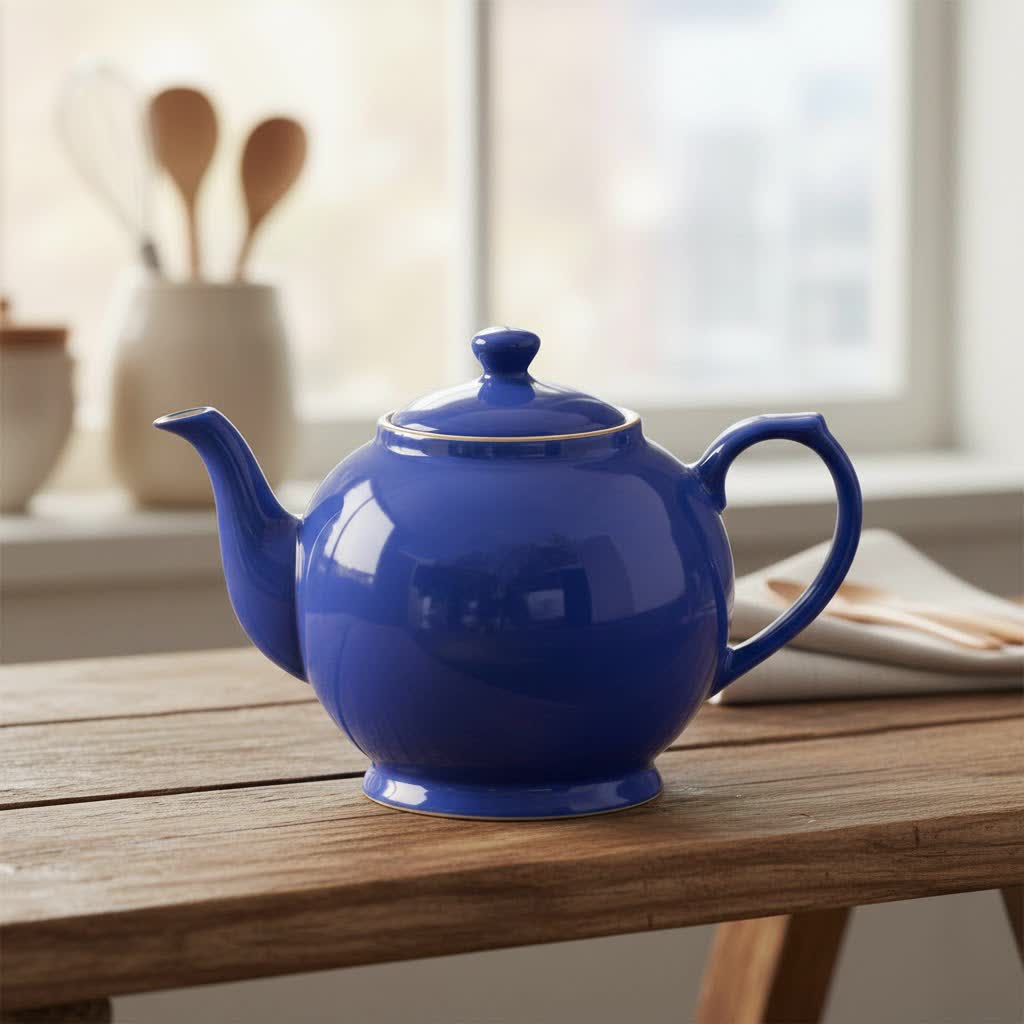
Step into almost any Turkish home, and you’ll likely find a distinctive, two-tiered tea pot set simmering gently on the stove. More than just a brewing vessel, the Turkish Tea Pot Set, known as a çaydanlık, is a cornerstone of daily life and hospitality, embodying centuries of tradition and a unique approach to tea making. If you’ve ever savored the rich, nuanced flavors of Turkish tea (çay), you understand that the right pot is essential. This comprehensive guide will navigate you through the world of Turkish tea pot sets, helping you choose the perfect one, understand its unique design, master the brewing process, and care for your cherished piece of teaware.
The Heart of Turkish Tea Culture: What Makes a Turkish Tea Pot Set Unique?
At its core, a Turkish tea pot set is ingeniously designed for an unparalleled tea experience. Unlike single teapots, the çaydanlık features two stacked vessels: a larger pot at the bottom for boiling water and a smaller pot on top for brewing a concentrated tea. This innovative system allows for the tea concentrate to steep gently, warmed by the steam from the boiling water below, resulting in a rich, deeply flavored brew that avoids bitterness [cite: 5 in third search].
The beauty of this dual-pot method lies in its customization. Each cup can be tailored to individual preference by adjusting the ratio of concentrated tea to hot water, yielding everything from a light açık to a strong koyu. This flexibility makes the Turkish tea pot set a symbol of warmth and generosity, central to social gatherings and quiet moments alike [cite: 1, 6 in third search].
Exploring the Varieties: Types of Turkish Tea Pot Sets
Turkish tea pot sets come in a delightful array of materials and styles, each offering distinct advantages in both aesthetics and functionality. Understanding these differences is key to finding the set that best suits your tea-drinking habits and kitchen decor.
Stovetop Çaydanlık: Traditional Charm Meets Practicality
The most common type, stovetop çaydanlık sets are designed for use on gas, electric, or even induction cooktops. They are often chosen for their classic appeal and the soothing ritual of brewing tea over an open flame.
- Stainless Steel Tea Pots: Renowned for their durability, rust resistance, and ease of maintenance, stainless steel sets are a popular modern choice [cite: 1, 3 in second search]. They maintain their shine over time and are practical for everyday use. Some models feature a three-layer capsule bottom for superior heat retention, keeping tea warm for hours [cite: 3 in second search]. Stainless steel can contribute to a robust tea flavor [cite: 2 in second search].
- Copper Tea Pots: Embodying rustic charm and historical elegance, copper sets are often handcrafted and beautifully engraved [cite: 1, 5 in first search]. While visually stunning, they require more dedicated care to prevent tarnishing and may need re-tinning over time to ensure food safety. Many are designed to be decorative as well as functional.
- Enamel Tea Pots: These sets feature a metal core, typically steel, coated with a layer of enamel. Enamel provides a smooth, non-reactive surface that’s easy to clean and often comes in vibrant colors and patterns [cite: 3 in first search]. They are durable and often induction-compatible [cite: 3 in first search].
- Ceramic and Porcelain Tea Pots: For those who appreciate a more delicate flavor profile, ceramic and porcelain sets are excellent options [cite: 2 in second search]. They offer a wide range of artistic designs, from simple and elegant to intricately hand-painted motifs. While beautiful, they can be more fragile than metal alternatives.
- Glass Tea Pots: Offering a modern aesthetic, glass Turkish tea pot sets allow you to visually appreciate the tea as it brews [cite: 5 in first search]. Made from heat-resistant borosilicate glass, they are often lightweight and can also impart a delicate flavor to the tea [cite: 2 in second search].
|
Our Picks for the Best Tea Pot in 2026
We may earn a commission when you use one of our links to make a purchase.
|
||
| Num | Product | Action |
|---|---|---|
| 1 | 1500ml(50oz) Glass Teapot with Removable Infuser, Ehugos Stovetop Safe Large Tea Pot, Blooming and Loose Leaf Hand Crafted Kettle for Women and Adult with Stainless Infuser |

|
| 2 | Amazon Basics Electric Kettle with Glass Carafe for Tea and Coffee, BPA-Free, Fast Boiling, Auto Shut-Off, 1.7 Liter, 1500W, Black and Silver |
|
| 3 | Primula Stewart Whistling Stovetop Tea Kettle Food Grade Stainless Steel, Hot Water Fast to Boil, Cool Touch Folding, 1.5-Quart, Brushed with Black Handle |
|
| 4 | PARACITY Glass Teapot Stovetop 18.6 OZ, Borosilicate Clear Tea Kettle with Removable 18/8 Stainless Steel Infuser, Teapot Blooming and Loose Leaf Tea Maker Tea Brewer for Camping, Travel (550ML) |
|
| 5 | PARACITY Glass Teapot Stovetop 20 OZ/600ml, Tea pot with Removable 18/8 Stainless Steel Infuser, Borosilicate Clear Tea Kettle, Teapot Blooming and Loose Leaf Tea Maker Tea Brewer for Camping, Travel |
|
| 6 | All-Clad Specialty Stainless Steel Tea Kettle 2 Quart Induction Pots and Pans, Cookware Silver |
|
| 7 | HIWARE 1000ml Glass Teapot with Removable Infuser, Stovetop Safe Tea Kettle, Blooming and Loose Leaf Tea Maker Set |
|
| 8 | Glass Teapot with Infuser 60OZ (1800ml) Stovetop Safe, Clear Glass Tea Pot Kettle, Borosilicate Tea Pot with Infusers Filter for Loose Tea, Tea Kettle Dishwasher Safe |
|
| 9 | Amazon Basics Electric Stainless Steel Kettle for Tea and Coffee, BPA-Free, Fast Boiling, Auto Shut-Off, 1.7 Liter, 1500W, Black and Silver |
|
| 10 | Amazon Basics Electric Kettle with Glass Carafe for Tea and Coffee, BPA-Free, Fast Boiling, Auto Shut-Off, 1 Liter, 1500W, Glass and Steel |
|
Electric Turkish Tea Makers / Samovars: Convenience Redefined
For larger gatherings or modern kitchens, electric Turkish tea makers and samovars offer convenience without compromising the authentic brewing method. These appliances combine the traditional double-pot system with electric heating elements.
- Electric Tea Makers: These compact versions typically feature a built-in heating base that boils water in the lower pot and keeps the upper teapot warm. Many include automatic shut-off and boil-dry protection for safety and ease of use [cite: 6 in first search]. They are ideal for consistent, hassle-free brewing.
- Samovars: Historically, samovars were large metal urns heated by charcoal, used for communal tea serving [cite: 4, 5 in third search]. Modern electric samovars retain this large capacity and ability to keep water hot for extended periods, making them perfect for entertaining. They often feature an elegant design, adding a touch of grandeur to your tea service [cite: 4 in third search]. While a traditional samovar differs slightly in its central heating mechanism from a çaydanlık, electric versions often emulate the double-pot brewing style [cite: 2, 3 in third search].
Choosing Your Perfect Brew Companion: A Buying Guide
Selecting the right Turkish tea pot set involves considering several factors beyond just aesthetics. Here’s a guide to help you make an informed decision:
Material Matters: Taste, Durability, and Aesthetics
The material of your tea pot set significantly impacts its performance and the resulting tea flavor [cite: 2 in second search].
- Stainless Steel: Best for durability, ease of cleaning, and a robust tea flavor. A great choice for everyday use.
- Copper: Ideal for those seeking traditional beauty and willing to invest in its care. It’s also an excellent heat conductor.
- Enamel: Offers a balance of durability, easy cleaning, and vibrant design options. Check for scratch resistance.
- Ceramic/Porcelain: Perfect for a delicate tea flavor and adding an artistic touch to your tea ritual. Handle with care.
- Glass: Offers visual appeal and a delicate tea flavor, but can be more prone to breakage.
Size & Capacity: For One or for Many?
Consider how many people you typically serve. Turkish tea pot sets come in various capacities, from mini sets suitable for one or two people to maxi sets for large family gatherings [cite: 3 in second search].
- Small (Mini) Sets: Often 0.8L top pot / 1.2L bottom pot. Ideal for personal enjoyment or small households [cite: 3 in second search].
- Medium (Midi) Sets: Typically 1L top pot / 1.8L bottom pot. A versatile choice for everyday family use.
- Large (Maxi) Sets: May feature a 1.2L top pot / 2L bottom pot or larger. Essential for hosting guests or enjoying tea throughout the day [cite: 3 in second search].
Design & Features: Enhancing Your Brewing Experience
Look for practical features that enhance comfort, safety, and functionality:
- Handles: Ergonomic, heat-resistant handles made from materials like bakelite ensure safe handling [cite: 3 in second search].
- Spouts: A well-designed gooseneck spout offers precision pouring and prevents drips [cite: 3 in second search].
- Infusers/Strainers: A built-in self-strainer in the upper pot is a must-have for clear, leaf-free tea [cite: 5 in first search, 3 in second search].
- Lids: Tempered glass lids allow you to monitor the brewing process.
- Induction Compatibility: If you have an induction cooktop, ensure the set is specified as induction safe.
Budget Considerations
Turkish tea pot sets vary widely in price based on material, craftsmanship, and brand. While handmade copper sets can be a significant investment, durable stainless steel or enamel options are often more affordable while still offering excellent quality [cite: 5 in first search, 3 in first search].
Top Brands and Notable Mentions
While many small artisans create exquisite Turkish tea pot sets, some brands are recognized for their quality and availability:
- Karaca: A well-known Turkish brand, Karaca offers stainless steel tea pot sets praised for their good quality and value [cite: 2 in second search].
- Amboss: Another brand mentioned for stainless steel sets, though some reviews suggest checking for authenticity [cite: 5 in first search].
- SAKI: Known for their modern electric Turkish tea makers, SAKI products are often lauded for durable stainless steel construction, advanced features, and sleek aesthetics [cite: 6 in first search, 5 in third search].
- Etsy Artisans: For unique, handmade copper, ceramic, or glass designs, online marketplaces like Etsy are excellent sources to find traditional and artistic sets [cite: 3, 5 in first search].
> “A good tea pot is not just a tool for brewing tea, but a work of art that connects us to tradition.” – ReviewedHW Admin, Home Appliance Expert
Mastering the Art: How to Brew and Serve Turkish Tea
Brewing Turkish tea with a çaydanlık is a delightful ritual that yields a perfectly balanced brew.
- Prepare the Bottom Pot: Fill the larger bottom pot with fresh water, leaving enough space for the upper pot to sit comfortably without submerging the tea.
- Prepare the Top Pot: Add loose-leaf black Turkish tea to the smaller upper teapot. A common ratio is 2 tablespoons of tea per glass, but this can be adjusted to your strength preference [cite: 2 in second search, 3 in third search]. Some people rinse the tea leaves with a splash of cold water before adding hot water.
- Initial Boil: Place the top pot on the bottom pot, and put the entire set on your stovetop over medium-high heat. Bring the water in the bottom pot to a rolling boil [cite: 3 in third search, 5 in third search].
- Steeping the Concentrate: Once the water in the bottom pot boils, pour a portion of this boiling water into the upper teapot, just enough to cover the tea leaves. Return the upper pot to its place on the lower pot, and reduce the heat to low. The steam from the continuously boiling water in the bottom pot will gently steep the tea in the upper pot [cite: 3 in third search, 5 in third search, 6 in third search]. Let it steep for 15-20 minutes, or longer for a stronger brew [cite: 2 in second search, 6 in third search]. The tea leaves will gradually sink to the bottom when ready.
- Serving: Turkish tea is traditionally served in small, tulip-shaped glasses. To serve, first pour a portion of the concentrated tea from the top pot into the glass (¼ to ½ full, depending on desired strength). Then, dilute it with hot water from the bottom pot to achieve your preferred color and strength [cite: 2, 4 in third search, 5 in third search]. Add sugar to taste.
Care and Maintenance for Longevity
Proper care ensures your Turkish tea pot set remains a cherished part of your kitchen for years.
- Cleaning: Most stainless steel and enamel sets are relatively easy to clean with mild dish soap and warm water. Hand washing is often recommended for stainless steel to preserve its shine, rather than using a dishwasher [cite: 3 in second search]. For copper, gentle polishing agents can restore its luster. Ceramic and glass require careful hand washing.
- Storage: Ensure both pots are completely dry before storing to prevent water spots or, in the case of copper, tarnishing. Store in a dry place.
- Hard Water Stains: If you live in an area with hard water, mineral deposits can build up. A solution of vinegar and water can help remove these stains from the inside of the pots.
- Avoid Abrasives: Do not use abrasive scrubbers or harsh chemicals, especially on copper, enamel, or decorated ceramic surfaces, as these can damage the finish.
Conclusion
A Turkish tea pot set is more than just an item of kitchenware; it’s an invitation to a rich cultural tradition and a unique way of enjoying tea. From the robust elegance of stainless steel to the artistic charm of copper or ceramic, each çaydanlık promises a customizable, flavorful brew that fosters connection and comfort. By understanding the different types, materials, and the traditional brewing method, you can select and cherish a tea pot set that perfectly complements your lifestyle. So, are you ready to embark on your own authentic Turkish tea journey and discover the perfect brew for you and your loved ones?
Frequently Asked Questions
Which material is best for a Turkish tea pot set?
The “best” material depends on your priorities. Stainless steel offers durability and ease of maintenance, while copper provides traditional beauty. Ceramic and glass can yield a more delicate tea flavor, whereas stainless steel and porcelain typically result in a robust flavor. Consider your taste preference, required durability, and desired aesthetic when choosing [cite: 2 in second search].
How do you make Turkish tea with a double tea pot?
To make Turkish tea, you place loose-leaf tea in the smaller top pot and water in the larger bottom pot. Bring the water to a boil, then pour some into the top pot to steep the tea. Keep the pots stacked on low heat, allowing the steam to keep the tea concentrate warm and continuously brewing. When serving, dilute the concentrate from the top pot with hot water from the bottom pot to your desired strength [cite: 1, 3 in third search, 5 in third search].
Can I use a Turkish tea pot set on an induction stove?
Many modern Turkish tea pot sets, particularly those made from stainless steel or enamel, are designed to be induction compatible. Always check the product specifications to ensure it is suitable for your induction cooktop [cite: 1, 3 in first search].
How much tea should I use in a Turkish tea pot?
A general guideline is to use about two tablespoons of loose-leaf Turkish black tea for every six small tulip-shaped glasses you intend to serve. However, this can be adjusted to your personal preference for a stronger or lighter brew [cite: 3 in third search].
What is the difference between a Turkish tea pot and a samovar?
A traditional Turkish tea pot (çaydanlık) is a double-stacked stovetop kettle system. A samovar is typically a larger, often electrically heated, vessel primarily designed to keep water hot for extended periods, usually with a smaller teapot placed on top to brew concentrate. While similar in function, samovars are generally larger and emphasize communal serving over a longer duration [cite: 2, 3, 4, 5 in third search].