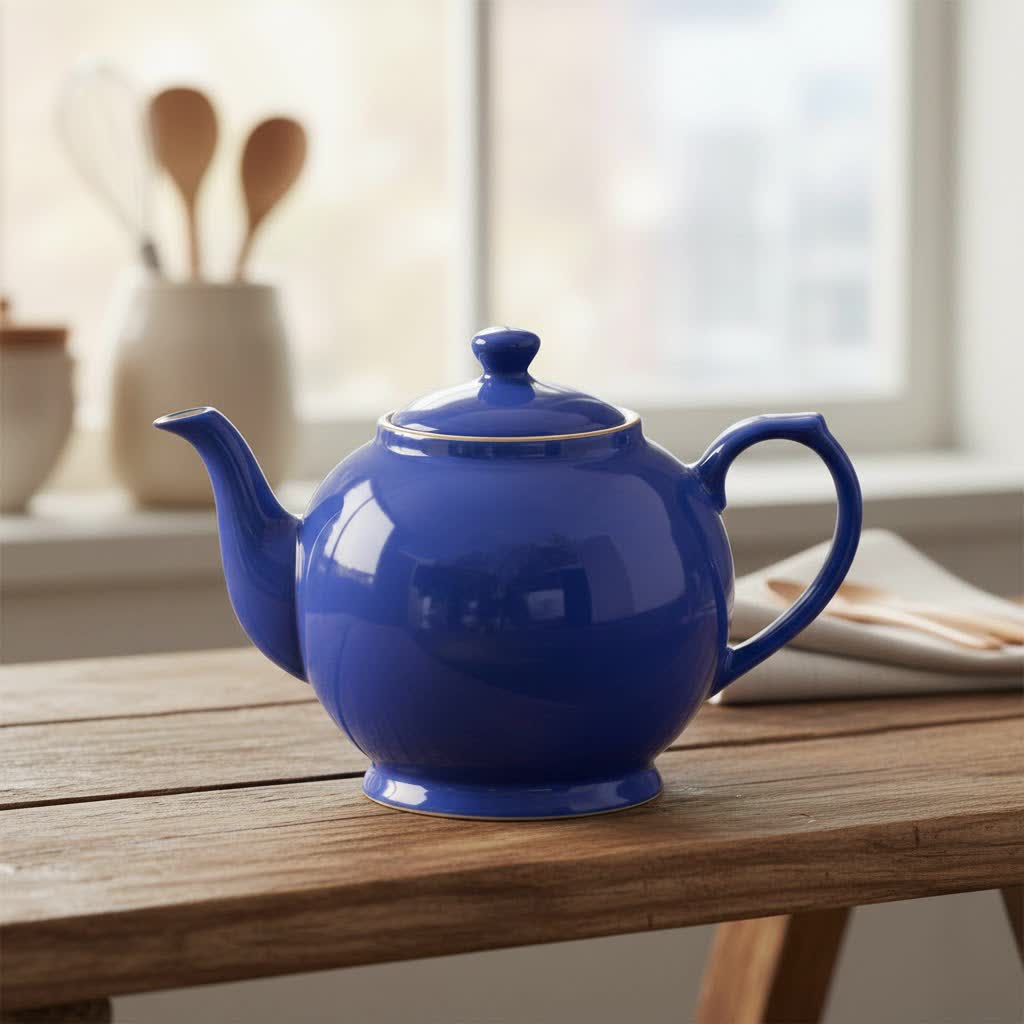
Steeped in a rich history of culinary and artistic excellence, the French Tea Pot is far more than a simple brewing vessel; it is a statement of sophistication and a testament to the art of living. For centuries, French artisans have crafted these pieces to elevate the tea-drinking experience, making each moment a harmonious blend of tradition, beauty, and refined taste. If you’re seeking to infuse your daily tea ritual with a touch of European charm and unparalleled quality, understanding the distinct characteristics and heritage of a French tea pot is an essential first step. This guide will explore everything you need to know, from materials and historical designs to top brands and expert care tips, ensuring you select a piece that brings joy for years to come.
What Defines a French Tea Pot? Elegance in Every Pour
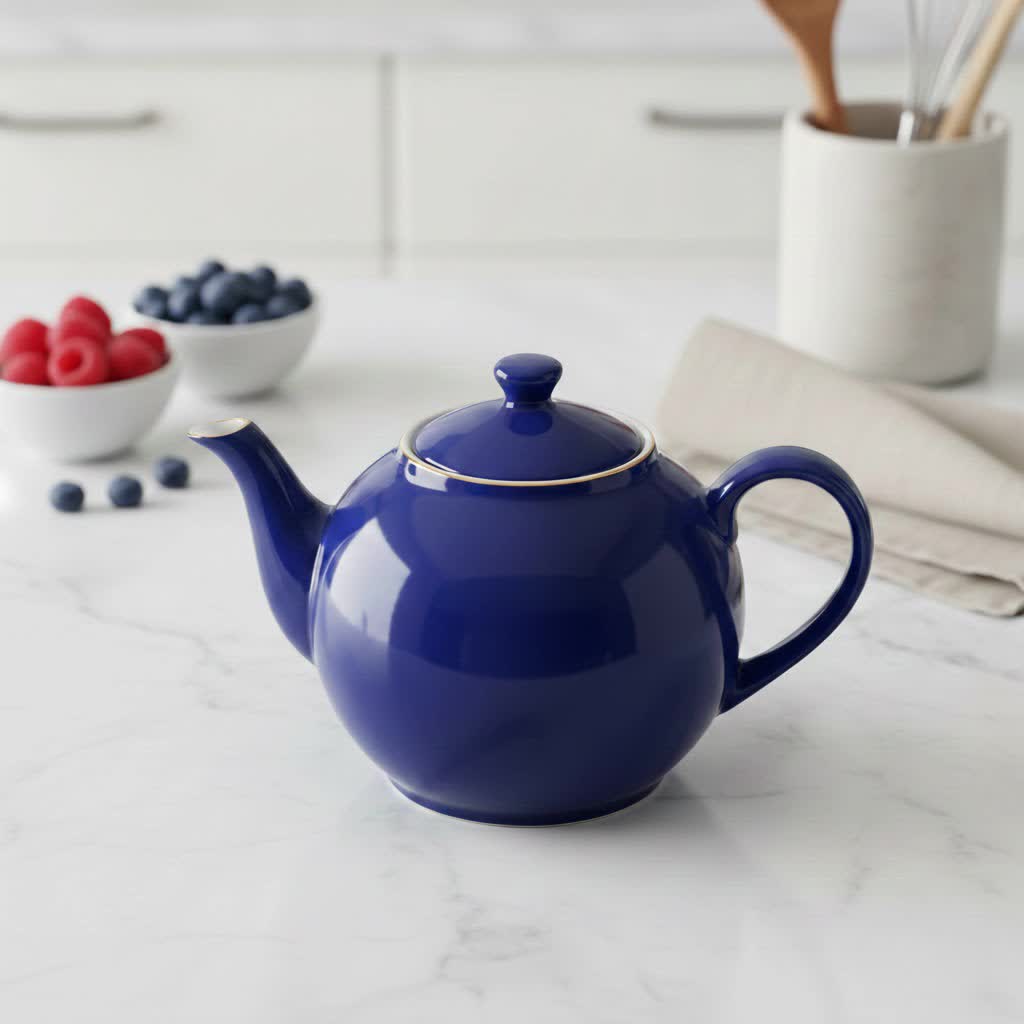
At its core, a French tea pot is characterized by its inherent elegance, meticulous craftsmanship, and often, a material selection that prioritizes both aesthetic appeal and practical functionality. Unlike purely utilitarian counterparts, French designs frequently feature graceful lines, delicate ornamentation, or a striking minimalist form, reflecting the nation’s profound appreciation for art de vivre. The emphasis is on creating an object that not only performs its function flawlessly but also serves as a beautiful centerpiece, enhancing the visual and sensory pleasure of tea time. This dedication to both form and function ensures that every pour from a French tea pot is an experience in itself.
The Rich Tapestry of Materials: Porcelain, Silver, and More
The choice of material is paramount in the creation of a French tea pot, directly influencing its performance, durability, and aesthetic. Historically, and still predominantly today, French tea pots are celebrated for their use of high-quality porcelain.
Porcelain: The Quintessence of French Teaware
French porcelain teapots stand out for several reasons:
- Exceptional Heat Retention: Porcelain’s dense, non-porous nature allows it to hold heat remarkably well, keeping your tea warm for extended periods without requiring external insulation. This is crucial for savoring multiple cups or enjoying leisurely conversations.
- Pure Flavor Profile: Being non-reactive, porcelain does not impart any flavors to the tea, ensuring that you taste only the pure, unadulterated essence of your brew. This makes it ideal for delicate teas where flavor integrity is key.
- Durability and Ease of Care: High-fired porcelain is surprisingly robust. Many modern French porcelain teapots are designed to be dishwasher, oven, and even microwave safe, offering convenience without compromising on quality, provided they are not adorned with precious metal detailing. Their impenetrable glaze resists staining from tannins, making cleaning a breeze.
- Refined Aesthetics: From classic white and subtly embossed patterns to vibrant hand-painted designs, porcelain provides a versatile canvas for the elegant artistry that French design is renowned for. Brands like Bernardaud and Pillivuyt exemplify this, offering pieces that range from traditional to contemporary.
|
Our Picks for the Best Tea Pot in 2026
We may earn a commission when you use one of our links to make a purchase.
|
||
| Num | Product | Action |
|---|---|---|
| 1 | HIWARE 1000ml Glass Teapot with Removable Infuser, Stovetop Safe Tea Kettle, Blooming and Loose Leaf Tea Maker Set |

|
| 2 | Amazon Basics Electric Kettle with Glass Carafe for Tea and Coffee, BPA-Free, Fast Boiling, Auto Shut-Off, 1 Liter, 1500W, Glass and Steel |
|
| 3 | PARACITY Glass Teapot Stovetop 18.6 OZ, Borosilicate Clear Tea Kettle with Removable 18/8 Stainless Steel Infuser, Teapot Blooming and Loose Leaf Tea Maker Tea Brewer for Camping, Travel (550ML) |
|
| 4 | Glass Teapot with Infuser 60OZ (1800ml) Stovetop Safe, Clear Glass Tea Pot Kettle, Borosilicate Tea Pot with Infusers Filter for Loose Tea, Tea Kettle Dishwasher Safe |
|
| 5 | Amazon Basics Electric Stainless Steel Kettle for Tea and Coffee, BPA-Free, Fast Boiling, Auto Shut-Off, 1.7 Liter, 1500W, Black and Silver |
|
| 6 | PARACITY Glass Teapot Stovetop 20 OZ/600ml, Tea pot with Removable 18/8 Stainless Steel Infuser, Borosilicate Clear Tea Kettle, Teapot Blooming and Loose Leaf Tea Maker Tea Brewer for Camping, Travel |
|
| 7 | Amazon Basics Electric Kettle with Glass Carafe for Tea and Coffee, BPA-Free, Fast Boiling, Auto Shut-Off, 1.7 Liter, 1500W, Black and Silver |
|
| 8 | 1500ml(50oz) Glass Teapot with Removable Infuser, Ehugos Stovetop Safe Large Tea Pot, Blooming and Loose Leaf Hand Crafted Kettle for Women and Adult with Stainless Infuser |
|
| 9 | All-Clad Specialty Stainless Steel Tea Kettle 2 Quart Induction Pots and Pans, Cookware Silver |
|
| 10 | Primula Stewart Whistling Stovetop Tea Kettle Food Grade Stainless Steel, Hot Water Fast to Boil, Cool Touch Folding, 1.5-Quart, Brushed with Black Handle |
|
Silver: A Glimpse into Historical Opulence
While porcelain dominates the modern market, silver tea sets, particularly from the Art Deco period, represent a significant part of French teaware history. Crafted by renowned silversmiths like Christofle, these pieces were characterized by sleek lines, geometric shapes, and a bold, innovative aesthetic. Silver teapots offer a sense of grandeur and are highly prized by collectors for their historical significance and artistic merit, though they require more specialized care to maintain their luster.
A Journey Through Time: The Evolution of French Tea Pot Design
The design of French tea pots has evolved significantly since tea first arrived in France during the 17th century. Initially embraced by aristocrats and intellectuals for both pleasure and medicinal properties, tea became an integral part of French society, leading to a surge in teaware production.
- 18th-Century Beginnings: Early French teapots, influenced by Chinese porcelain, were often quite small. This was due to the custom of brewing a concentrated amount of tea, which was then diluted with hot water before serving. Notable styles included the octagonal lobed théière lizonnée and the elegant conical théière à la Reine. French porcelain factories like Vincennes and Sèvres became prominent, mimicking and then developing their own distinctive styles.
- Art Deco Influence: The 20th century saw the emergence of the Art Deco movement, which brought a new design language to French tea sets. Pieces from this era, exemplified by Christofle, featured modernist aesthetics with strong geometric forms and clean, bold lines, blending traditional craftsmanship with contemporary innovation.
- Modern Adaptations: Today, French tea pot design continues to marry heritage with contemporary needs. While classic forms endure, brands also innovate with features like insulated bodies for prolonged heat retention and removable infusers for ease of brewing, ensuring that functionality keeps pace with timeless elegance.
Top French Tea Pot Brands You Should Know
When considering a French tea pot, several brands consistently stand out for their quality, design, and heritage.
- Bernardaud: A venerated name in French porcelain, Bernardaud has been producing exquisite dinnerware and teaware since 1863. Their tea pots are renowned for their fine craftsmanship, diverse collections ranging from classic to contemporary, and the porcelain’s ability to preserve heat while insulating the handle. Many pieces are dishwasher safe, reflecting a blend of luxury and practicality.
- Pillivuyt: With a history spanning over two centuries, Pillivuyt is celebrated for its incredibly durable and versatile French porcelain. Pillivuyt teapots are known for their exceptional thermal shock resistance, allowing them to go directly from freezer to oven, microwave, or broiler. Their impenetrable glaze makes them resistant to scratches and fading, ensuring effortless cleaning in the dishwasher and long-lasting beauty. Styles often feature classic French café patterns, bringing authentic charm to any setting.
- Degrenne Salam: The Degrenne Salam teapot is an iconic French design, instantly recognizable by its unique bell-shaped stainless steel dome over a porcelain body. This innovative design, often lined with a felt sleeve, is celebrated for its superior heat retention, keeping tea warm for approximately twice as long as traditional teapots (up to 2.5 hours). It also features a removable filter, allowing for precise steeping and preventing bitterness. While the porcelain body is generally robust, handwashing is often recommended for the complete Salam unit to preserve its unique insulation features.
- Mariage Frères: While primarily famous for their gourmet teas, Mariage Frères also offers a curated selection of elegant teaware, embodying the French art of tea. Their teapots complement their distinctive tea blends, which often incorporate flowers, fruits, and spices.
- Legle France: Another reputable French porcelain manufacturer that contributes to the legacy of high-quality French teaware.
Choosing Your Perfect French Tea Pot: A Comprehensive Guide
Selecting the ideal French tea pot involves considering several factors to ensure it perfectly matches your needs and style.
1. Identify Your Usage Needs
- Frequency: Will this be an everyday item or reserved for special occasions?
- Serving Size: Do you typically brew for one, two, or a larger gathering? Teapots come in various capacities, from small personal sizes (e.g., 17 oz for 2 cups) to larger family-sized pots (e.g., 34-42 oz for 6-12 cups).
2. Consider the Material
- Porcelain: Ideal for most tea types, offering excellent heat retention, pure flavor, and often dishwasher-safe convenience. It is robust and aesthetically versatile.
- Silver: A luxurious, historical choice, perfect for formal settings or collectors, but requires diligent care to prevent tarnishing.
3. Evaluate Heat Retention
- If keeping tea hot for extended periods is a priority, consider insulated models like the Degrenne Salam with its felt-lined dome, or high-quality thick-walled porcelain from brands like Pillivuyt and Bernardaud.
4. Design and Aesthetics
- Style: Do you prefer traditional, ornate designs, sleek Art Deco lines, or contemporary minimalism? French brands offer a wide spectrum.
- Color and Pattern: Choose a design that complements your existing dinnerware or stands out as a unique statement piece. Many porcelain brands offer collections that allow you to coordinate your tea pot with cups and saucers.
5. Functionality and Features
- Integrated Infuser: A removable infuser is a practical feature for brewing loose-leaf tea, allowing you to easily remove leaves to prevent over-steeping.
- Pour Spout: Look for a drip-free spout for a clean pour.
- Handle Comfort: Ensure the handle is ergonomic and remains cool to the touch.
6. Budget Considerations
French tea pots, especially from renowned porcelain houses, can range from moderate to significant investments. Determine your budget beforehand, keeping in mind that a high-quality piece can be a cherished heirloom.
Mastering the Art of Tea: Usage and Care Tips for Your French Tea Pot
To ensure your French tea pot remains a beloved part of your tea ritual for generations, proper usage and care are essential.
Using Your French Tea Pot
- Pre-warm the Pot: Before adding tea, rinse your porcelain pot with hot water. This helps maintain the tea’s temperature and prevents the pot from drawing heat away from the brew.
- Add Tea Leaves: For loose-leaf tea, use an appropriate amount (typically one teaspoon per cup, plus one for the pot). If your pot has an infuser, use it. If not, simply add the leaves directly and use a strainer when pouring.
- Pour Hot Water: Use water at the correct temperature for your tea type. For black tea, use boiling water (212°F/100°C); for green or white tea, cooler temperatures are preferred (160-185°F/70-85°C).
- Steep: Allow the tea to steep for the recommended time. Remove the infuser or strain the tea into cups to prevent over-steeping, which can lead to bitterness.
Cleaning and Maintenance
- Porcelain Teapots (without precious metals): Most high-quality porcelain teapots are dishwasher safe. For handwashing, use warm soapy water and a soft sponge. Avoid abrasive scrubbers or harsh detergents, especially on delicate decorations.
- Porcelain Teapots (with gold/platinum details): These should always be hand-washed to protect the precious metal embellishments from fading or damage.
- Insulated Teapots (e.g., Degrenne Salam): Always check the manufacturer’s instructions. Often, handwashing is recommended for the entire unit to maintain the integrity of its insulating components.
- Silver Teapots: Silver requires regular polishing with a specialized silver polish to prevent tarnish. Wash gently with warm water and a mild soap, then dry thoroughly immediately.
- Stain Removal: If tea stains appear over time, a paste made of baking soda and a little water can gently remove them. Rinse thoroughly afterward.
Storage
Store your tea pot in a clean, dry place to prevent dust accumulation and accidental damage. Ensure lids are placed gently to avoid chipping.
The French tea pot, with its rich history, elegant design, and commitment to quality, offers a truly distinctive way to enjoy your favorite brew. Whether you choose a classic porcelain piece or a more modern design, you are investing in an object that embodies tradition and enhances the simple pleasure of a cup of tea. It’s an invitation to slow down, appreciate beauty, and transform an everyday habit into an extraordinary ritual.
Frequently Asked Questions
Which material is best for a French tea pot?
High-quality porcelain is widely considered the best material for a French tea pot due to its excellent heat retention, non-reactive surface that preserves tea flavor, and durability. Brands like Bernardaud and Pillivuyt specialize in fine porcelain teapots that combine elegance with practical benefits.
Are French tea pots suitable for all types of tea?
Yes, French tea pots, particularly those made from porcelain, are highly versatile and suitable for brewing all types of tea, from delicate white and green teas to robust black and herbal infusions. The non-porous nature of porcelain ensures no flavor transfer between different tea varieties.
How do French tea pots differ from traditional British teapots?
While both emphasize elegance, French tea pots often reflect a broader cultural appreciation for art de vivre with diverse design influences, from ornate historical pieces to sleek Art Deco and modern minimalist forms. British teapots are traditionally associated with more formal afternoon tea rituals and often prioritize specific pouring characteristics.
Can a French tea pot go in the microwave or dishwasher?
It depends on the specific tea pot. Many modern porcelain French tea pots (e.g., Pillivuyt) are designed to be microwave and dishwasher safe. However, if your tea pot features precious metal decorations (like gold or platinum) or has specialized insulating components (like the Degrenne Salam), it should be hand-washed and kept out of the microwave to prevent damage. Always check the manufacturer’s care instructions.