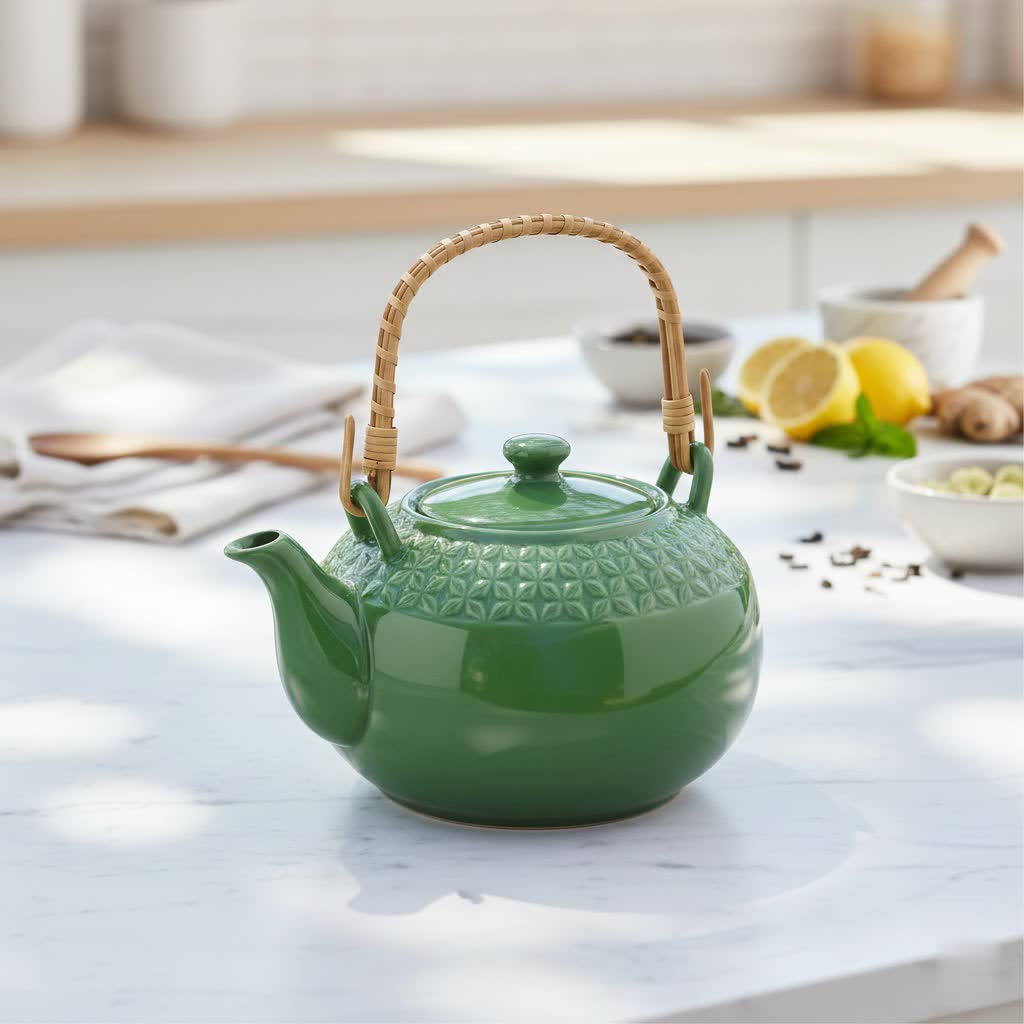
For tea enthusiasts, a great brewing pot isn’t just a vessel; it’s the heart of a cherished ritual, transforming simple leaves and hot water into a comforting elixir. With countless styles, materials, and designs available, choosing the perfect tea brewing pot can feel overwhelming. Whether you’re a connoisseur seeking to unlock nuanced flavors or a casual drinker looking for convenience and style, understanding the characteristics of different pots is key. This guide will walk you through everything you need to know to select a tea brewing pot that perfectly complements your brewing habits and enhances every sip.
Types of Tea Brewing Pots: An In-Depth Look
The material of your tea brewing pot significantly influences your tea’s flavor, aroma, and temperature. Each type offers distinct advantages and considerations, making your choice a personal journey toward the ideal cup.
Glass Tea Pots: Transparency and Visual Delight
Glass tea pots, often crafted from heat-resistant borosilicate glass, are celebrated for their transparency, allowing you to witness the beautiful dance of tea leaves unfurling and the vibrant infusion of colors. This visual element makes them particularly popular for blooming teas or delicate herbal blends.
- Pros: They are inert, meaning they won’t impart any flavors to your tea, ensuring a pure taste. Their non-porous surface makes them easy to clean and prevents flavor absorption, allowing you to brew various teas without cross-contamination. Many models are also stovetop safe (on medium heat) or microwaveable (without metal parts).
- Cons: Glass typically has lower heat retention compared to other materials, meaning your tea might cool down faster. They are also more delicate and prone to breakage if not handled with care.
Ceramic Tea Pots: Versatility and Classic Charm
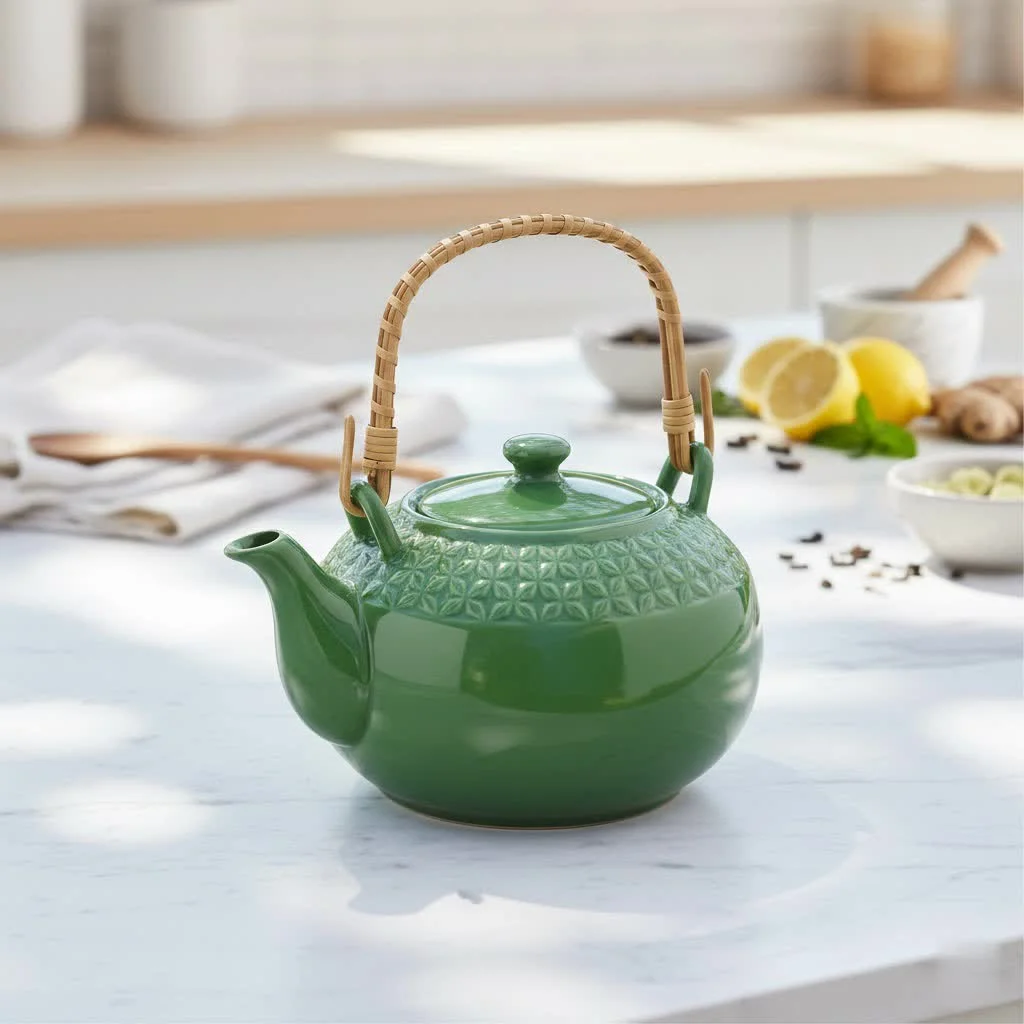
Ceramic tea pots encompass a broad category including glazed ceramic, stoneware, and porcelain, offering a vast array of designs, colors, and textures. They are a staple in tea cultures worldwide, valued for their balanced performance.
- Pros: Glazed ceramic and porcelain pots are non-porous, preventing flavor absorption and making them suitable for all tea types. They boast excellent heat retention, keeping your brew warm for extended periods. Stoneware, a denser ceramic, is known for its durability and earthy aesthetic.
- Cons: Ceramic can be prone to chipping or breaking if dropped. Some ceramic pots might require pre-warming with hot water to maintain optimal brewing temperature. Porcelain can also be more fragile and expensive than standard ceramic.
Clay Tea Pots (e.g., Yixing): The Connoisseur’s Choice
|
Our Picks for the Best Tea Pot in 2026
As an Amazon Associate I earn from qualifying purchases.
|
||
| Num | Product | Action |
|---|---|---|
| 1 | Amazon Basics Electric Kettle with Glass Carafe for Tea and Coffee, BPA-Free, Fast Boiling, Auto Shut-Off, 1 Liter, 1500W, Glass and Steel |

|
| 2 | PARACITY Glass Teapot Stovetop 18.6 OZ, Borosilicate Clear Tea Kettle with Removable 18/8 Stainless Steel Infuser, Teapot Blooming and Loose Leaf Tea Maker Tea Brewer for Camping, Travel (550ML) |
|
| 3 | PARACITY Glass Teapot Stovetop 20 OZ/600ml, Tea pot with Removable 18/8 Stainless Steel Infuser, Borosilicate Clear Tea Kettle, Teapot Blooming and Loose Leaf Tea Maker Tea Brewer for Camping, Travel |
|
| 4 | 1500ml(50oz) Glass Teapot with Removable Infuser, Ehugos Stovetop Safe Large Tea Pot, Blooming and Loose Leaf Hand Crafted Kettle for Women and Adult with Stainless Infuser |
|
| 5 | All-Clad Specialty Stainless Steel Tea Kettle 2 Quart Induction Pots and Pans, Cookware Silver |
|
| 6 | Primula Stewart Whistling Stovetop Tea Kettle Food Grade Stainless Steel, Hot Water Fast to Boil, Cool Touch Folding, 1.5-Quart, Brushed with Black Handle |
|
| 7 | Amazon Basics Electric Stainless Steel Kettle for Tea and Coffee, BPA-Free, Fast Boiling, Auto Shut-Off, 1.7 Liter, 1500W, Black and Silver |
|
| 8 | HIWARE 1000ml Glass Teapot with Removable Infuser, Stovetop Safe Tea Kettle, Blooming and Loose Leaf Tea Maker Set |
|
| 9 | Amazon Basics Electric Kettle with Glass Carafe for Tea and Coffee, BPA-Free, Fast Boiling, Auto Shut-Off, 1.7 Liter, 1500W, Black and Silver |
|
| 10 | Glass Teapot with Infuser 60OZ (1800ml) Stovetop Safe, Clear Glass Tea Pot Kettle, Borosilicate Tea Pot with Infusers Filter for Loose Tea, Tea Kettle Dishwasher Safe |
|
Unglazed clay tea pots, most famously Yixing pots from China, are revered by serious tea drinkers for their unique ability to “season” over time. The porous nature of the clay absorbs the tea’s essential oils and aromas, subtly enhancing the flavor with each successive brew.
- Pros: They are designed to improve the taste of specific tea types, especially oolongs and Pu-erh, developing a deeper character with consistent use. Their artisanal craftsmanship often makes them beautiful collectors’ items.
- Cons: Due to their porous nature, Yixing pots should ideally be dedicated to one type of tea to prevent unwanted flavor mixing. They require meticulous care, including seasoning before first use and specific cleaning routines to maintain their unique properties. These pots can also be a significant investment.
Cast Iron Tea Pots: Robustness and Lasting Warmth
Originating from Japan (known as Tetsubin), cast iron tea pots are distinctive for their heavy build and impressive heat retention capabilities. While traditionally used for boiling water, modern cast iron pots are typically lined with enamel for safe tea brewing.
- Pros: They keep tea hot for a remarkably long time, making them ideal for leisurely tea sessions. Their robust construction ensures exceptional durability.
- Cons: Unlined cast iron can impart a metallic taste and is prone to rust. The enamel lining prevents rust but also means they cannot be used directly on a stove to boil water. They are heavy and can be cumbersome to handle.
Electric Tea Pots: Modern Convenience and Precision
While technically kettles designed for boiling water, some electric models integrate brewing functions, or are designed with temperature control ideal for various tea types. However, for a true brewing pot experience, separating the heating and steeping functions often yields better results. For brewing, traditional materials are usually preferred for steeping.
Detailed Comparison Table
| Feature | Glass Tea Pot | Ceramic Tea Pot | Clay Tea Pot (Yixing) | Cast Iron Tea Pot |
|---|---|---|---|---|
| Material | Borosilicate glass | Glazed ceramic, porcelain, stoneware | Unglazed porous clay | Enameled cast iron |
| Durability | Fragile, prone to breakage | Good, can chip/break | Moderate, can chip/break | Highly durable |
| Heat Retention | Low | Excellent | Moderate to Good | Excellent |
| Flavor Impact | Neutral, pure taste | Neutral | Absorbs/enhances (seasoning) | Neutral (enameled), can be metallic (unlined) |
| Aesthetics | Modern, showcases tea visually | Traditional, diverse styles | Rustic, artisanal, unique patina | Robust, traditional Japanese |
| Care | Hand wash recommended | Easy to clean | Hand wash, dedicated to one tea, no soap | Hand wash, prevent rust, avoid abrasive cleaners |
| Best For | Delicate, blooming teas, viewing | All teas, daily use | Oolong, Pu-erh, specific tea types | Stronger black teas, keeping warm |
Your Essential Buying Guide for Tea Brewing Pots
Choosing the right tea brewing pot involves more than just aesthetics. Consider these crucial factors to ensure your selection perfectly matches your tea journey.
Determine Your Needs: How Do You Tea?
Before diving into options, think about your tea habits. Do you typically brew for yourself, or do you entertain guests regularly? This will dictate the ideal capacity of your pot. What types of tea do you enjoy most? Delicate green teas might benefit from lower heat retention, while robust black teas thrive in materials that stay hot longer.
Consider Your Budget: Investment vs. Everyday Use
Tea pots range widely in price, from affordable everyday models to high-end artisanal pieces. Establish a budget that aligns with how frequently you’ll use the pot and its intended purpose. A quality pot is an investment that can enhance your tea experience for years.
Choose the Right Material: Flavor and Function
As explored, each material brings unique properties to the brewing process. If you want to savor the pure, unadulterated taste of various teas, glass or glazed ceramic are excellent choices. For specific teas like aged Pu-erh, a dedicated Yixing clay pot might be worth the investment.
Inspect the Infuser Design: Room to Bloom
For loose leaf tea, the infuser’s design is paramount. Ensure it provides ample space for the tea leaves to fully expand and unfurl. Small, cramped infusers restrict leaf movement, leading to an underdeveloped and less flavorful brew. A fine mesh infuser is also essential to prevent sediment from ending up in your cup, especially with broken leaf teas or herbal blends.
Examine Handle and Spout: Ergonomics and Pouring Precision
A well-designed tea pot prioritizes comfort and functionality. The handle should offer a secure, comfortable grip, staying cool to the touch. The spout is equally important; look for one that provides a smooth, drip-free pour. A tightly fitting lid is also crucial for heat retention and preventing spills during pouring. Some designs include a small airhole in the lid to ensure an even pour.
Safety and Quality: What’s Your Pot Made Of?
Always check the product specifications for safety. Ensure materials are food-grade and free from harmful substances like lead, cadmium, or PFOAs. Reputable brands typically adhere to strict quality standards.
Top Tea Pot Brands and Recommended Models
The market offers a splendid array of tea brewing pots, each bringing its own strengths to your tea ritual. Here are some highly regarded brands and types often recommended by tea aficionados:
- Hiware Glass Teapot: This brand is frequently praised for its versatile glass teapots, often featuring a removable stainless steel infuser that extends to the base, making it suitable for brewing both small and large quantities of loose leaf tea. It’s also excellent for showcasing blooming teas.
- Sweese Porcelain Teapot: Known for its classic design and wide range of colors, Sweese offers porcelain teapots that provide good value. They typically include an infuser and are a popular choice for those seeking a traditional aesthetic with neutral flavor impact.
- The Tea Spot Satin Teapot: This ceramic teapot is well-regarded for its exceptional heat retention and a fine-hole infuser that effectively separates leaves from your brew. Owners often note its comfortable handle and dishwasher-safe convenience.
- Hario ChaCha Kyusu Maru Glass Teapot: Specifically designed for green tea, this Japanese glass teapot is known for its elegant simplicity and effective straining, allowing green tea leaves to infuse perfectly.
- ForLife Teapots: This brand is often recommended for its practical designs, frequently featuring large, spacious brew baskets and finer mesh, which are crucial for optimal leaf unfurling and sediment-free tea. Their Dew teapot is a popular choice for its size and infuser quality.
- Teabloom Kyoto: Another excellent glass option, the Teabloom Kyoto is lauded for its versatility. It features a large infuser for expansion and a very fine mesh, making it suitable for a wide variety of teas, from whole leaf to fine-particle herbals.
- Suyika Japanese Tetsubin Cast Iron Teapot: For those seeking the traditional cast iron experience, brands like Suyika offer Tetsubin-style pots. These are valued for their ability to retain heat for long periods, ideal for a sustained tea experience.
Tips for Using and Maintaining Your Tea Pot
Proper use and care will ensure your tea brewing pot remains a treasured part of your daily routine for years to come.
- Pre-warming: For ceramic and clay pots, pre-warming with hot water before adding your tea leaves and brewing water helps maintain a stable brewing temperature, crucial for optimal flavor extraction.
- Proper Cleaning: Rinse your tea pot immediately after use to prevent tea stains and residue buildup. For most glass and glazed ceramic pots, warm soapy water and a soft sponge are sufficient. Avoid harsh abrasive cleaners that can scratch surfaces. For unglazed clay pots, use only hot water and a soft cloth; never use soap, as the porous clay will absorb it and impart soapy flavors to future brews.
- Storage: Store your tea pot in a dry place to prevent mildew or odors. If it has a separate lid, ensure both parts are completely dry before storing to avoid trapping moisture.
- Preventing Over-Steeping: Always remove the infuser or decant all the tea into another vessel or cups once the desired brewing time is reached. Leaving leaves to steep too long will result in a bitter, astringent brew.
“A good teapot is not just a tool for brewing; it’s a piece of art that invites presence and enhances the simple pleasure of tea.”
Conclusion
Choosing the right tea brewing pot is a deeply personal decision that marries functionality with aesthetic appeal. By considering the material, capacity, infuser design, and ergonomic features, you can find a pot that not only serves your brewing needs but also elevates your entire tea-drinking experience. From the visual elegance of glass to the flavor-enhancing properties of clay, each pot offers a unique journey. Invest in a quality piece that resonates with your passion for tea, and you’ll find every cup a perfect brew. What kind of tea memories will your new pot help you create?
Frequently Asked Questions
What is the healthiest material for a tea pot?
Glass and glazed ceramic (including porcelain and stoneware) are generally considered the healthiest materials for tea pots. They are non-porous and do not leach any substances into your tea, ensuring a pure and safe brew. Look for products certified lead-free and cadmium-free.
Can I put my tea pot on the stove?
Most traditional tea brewing pots are not designed for direct stovetop heat. While some borosilicate glass and certain cast iron pots are stovetop-safe on medium heat, always check the manufacturer’s instructions. Electric kettles are specifically designed for boiling water.
How often should I clean my tea pot?
It is best to rinse your tea pot immediately after each use. A thorough cleaning with warm, soapy water (for glass and glazed ceramic) or just hot water (for unglazed clay) should be done after every few uses or whenever you notice residue buildup.
What size tea pot do I need?
The ideal size depends on how many people you typically serve. For a single drinker, a 16-24 ounce (around 2-3 cups) pot is often sufficient. For entertaining, a larger 32-50 ounce (4-6 cups) pot would be more appropriate. Ensure the pot has enough space for the tea leaves to expand freely.
Is an infuser necessary for a tea pot?
For brewing loose leaf tea, an infuser or a strainer is essential to separate the leaves from the brewed tea. Many modern tea pots come with built-in or removable infusers. If your pot doesn’t have one, you’ll need to use a separate tea strainer or infuser basket.
Get our weekly buyer guide
Practical specs, not advice. Unsubscribe anytime.

I bought a new brewing pot based on some of the recommendations for convenience, specifically one with an integrated infuser. While it’s certainly easy to use, I’ve found that the mesh on the infuser is a bit too wide for some of my finer loose leaf teas, letting a few small bits escape into my cup. It’s not a huge deal, but something to keep in mind.
I appreciate the breakdown of different materials. I was on the fence about upgrading my old stainless steel pot. While I love the durability and heat retention, I’m now considering a cast iron one for my darker oolongs. It seems like it would really enhance the robust flavors I enjoy. Good insights here.
This guide really helped me understand why my green tea sometimes tastes a bit off. I realized my old pot wasn’t retaining heat consistently enough. I invested in a double-walled ceramic pot, and it’s made such a difference. My tea stays at the perfect temperature for longer, and the taste is much more consistent. Highly recommend paying attention to heat retention!
I’ve been using a basic ceramic pot for years, but after reading about the benefits of glass for delicate teas, I decided to try one. It’s amazing how much clearer the flavor of my white tea is now! Plus, being able to watch the leaves unfurl is a beautiful bonus. Definitely a game-changer for my morning ritual.