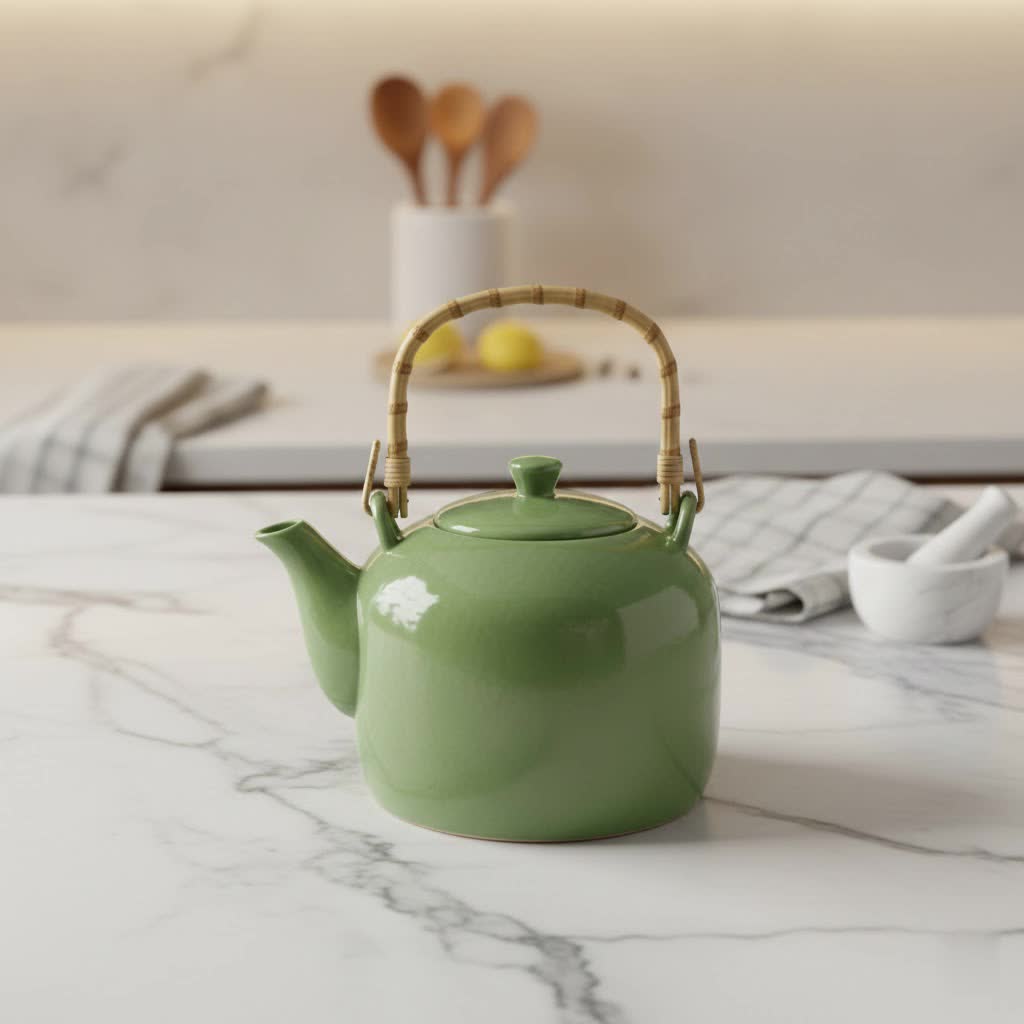
Steeped in history and rich with cultural significance, the humble tea pot is far more than just a vessel for hot water and tea leaves. For many, it’s the heart of the tea ritual, a silent companion that transforms simple ingredients into a comforting elixir. Whether you’re a seasoned tea connoisseur or just beginning your journey into the world of loose-leaf infusions, choosing the right tea pot can profoundly impact your brewing experience and the flavor of your favorite teas. With countless designs, materials, and features available, finding the “perfect” tea pot might seem daunting, but armed with the right knowledge, you can select a brew companion that perfectly matches your needs and elevates every cup.
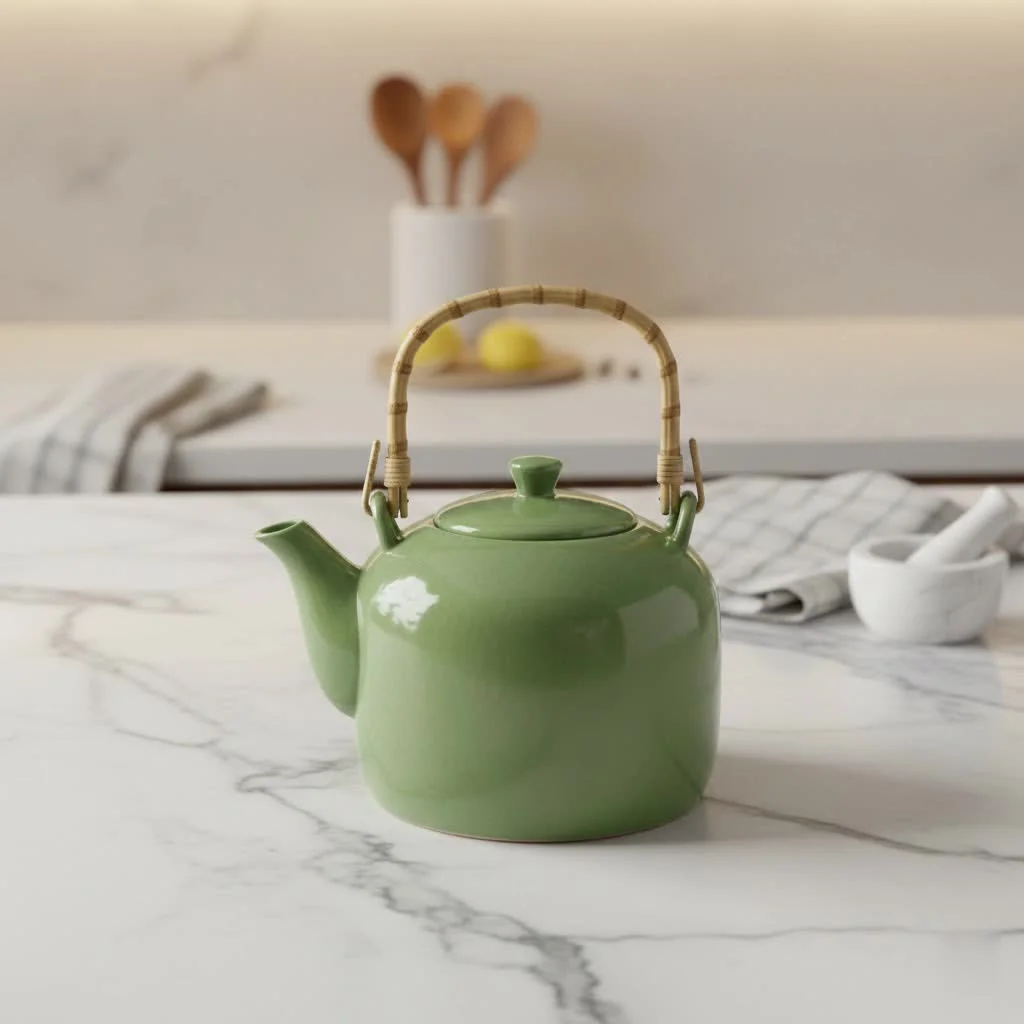
The World of Tea Pots: Exploring Popular Types
The material of your tea pot plays a crucial role in its performance, durability, and aesthetic appeal. Each type offers a unique brewing experience, influencing heat retention, flavor development, and maintenance. For more tea pots guides on this site.
Glass Tea Pots
Glass tea pots, typically crafted from heat-resistant borosilicate glass, offer a visually stunning brewing experience. Their transparency allows you to admire the “dance” of the tea leaves as they unfurl and watch as the water gradually takes on the tea’s color.
- Pros:
- Visual Appeal: Perfect for blooming teas or observing the steeping process.
- Non-reactive: Does not impart any flavors to the tea, making it suitable for all tea types.
- Easy to Clean: Generally non-porous and often dishwasher safe (without metal parts).
- Cons:
- Delicate: More prone to breakage than other materials.
- Heat Retention: Tends to lose heat faster than ceramic or cast iron.
- Staining: Can show tea stains more readily, especially in the spout.
Ceramic Tea Pots (Porcelain & Stoneware)
Ceramic encompasses a broad category, with porcelain and stoneware being popular choices for tea pots. These materials are favored for their versatility and classic appeal.
Porcelain Tea Pots
Porcelain tea pots, made from kaolin clay fired at high temperatures, are known for their elegant, refined appearance. They are typically thin, lightweight, and often feature intricate designs.
- Pros:
- Elegant Aesthetic: Adds a touch of sophistication to any tea setting.
- Non-porous (glazed): Easy to clean and doesn’t absorb tea flavors, suitable for various tea types.
- Good Heat Retention: Keeps tea warm for a reasonable period.
- Durable: Extremely hard and resistant to damage.
- Cons:
- Fragile: Can chip or break if dropped.
- Price: High-quality porcelain can be expensive.
Stoneware Tea Pots
Stoneware tea pots are made from a denser, more opaque clay fired at high temperatures. They tend to be heavier and have a more rustic, earthy feel than porcelain.
- Pros:
- Durability: Very robust and resistant to damage, suitable for everyday use.
- Excellent Heat Retention: Keeps tea hot for extended periods.
- Varied Aesthetics: Available in a wide range of colors and textures, from rustic to modern.
- Cons:
- Weight: Can be heavier than other types.
- Porosity (unglazed): Like Yixing clay, unglazed stoneware can absorb tea flavors, making it best dedicated to one tea type.
Yixing Clay Tea Pots
A unique subset of ceramic, Yixing clay pots from China are highly revered. These unglazed pots are porous and are celebrated for their ability to absorb and enhance the flavors of specific teas over time.
- Pros:
- Flavor Enhancement: Improves the taste and aroma of dedicated teas (especially oolong and pu-erh) with repeated use.
- Artistic Value: Often handcrafted with intricate designs, becoming collector’s items.
- Excellent Heat Retention: Densely packed clay holds heat exceptionally well.
- Cons:
- Single-Tea Use: Must be dedicated to one type of tea; mixing teas will cross-contaminate flavors.
- Special Care: Requires careful seasoning and no soap for cleaning.
- Fragile: Can be delicate due to their unglazed nature.
- Cost: Authentic Yixing pots can be very expensive.
Cast Iron Tea Pots (Tetsubin)
|
Our Picks for the Best Tea Pot in 2026
As an Amazon Associate I earn from qualifying purchases.
|
||
| Num | Product | Action |
|---|---|---|
| 1 | 1500ml(50oz) Glass Teapot with Removable Infuser, Ehugos Stovetop Safe Large Tea Pot, Blooming and Loose Leaf Hand Crafted Kettle for Women and Adult with Stainless Infuser |

|
| 2 | HIWARE 1000ml Glass Teapot with Removable Infuser, Stovetop Safe Tea Kettle, Blooming and Loose Leaf Tea Maker Set |
|
| 3 | Amazon Basics Electric Kettle with Glass Carafe for Tea and Coffee, BPA-Free, Fast Boiling, Auto Shut-Off, 1 Liter, 1500W, Glass and Steel |
|
| 4 | Glass Teapot with Infuser 60OZ (1800ml) Stovetop Safe, Clear Glass Tea Pot Kettle, Borosilicate Tea Pot with Infusers Filter for Loose Tea, Tea Kettle Dishwasher Safe |
|
| 5 | Amazon Basics Electric Stainless Steel Kettle for Tea and Coffee, BPA-Free, Fast Boiling, Auto Shut-Off, 1.7 Liter, 1500W, Black and Silver |
|
| 6 | Primula Stewart Whistling Stovetop Tea Kettle Food Grade Stainless Steel, Hot Water Fast to Boil, Cool Touch Folding, 1.5-Quart, Brushed with Black Handle |
|
| 7 | All-Clad Specialty Stainless Steel Tea Kettle 2 Quart Induction Pots and Pans, Cookware Silver |
|
| 8 | PARACITY Glass Teapot Stovetop 20 OZ/600ml, Tea pot with Removable 18/8 Stainless Steel Infuser, Borosilicate Clear Tea Kettle, Teapot Blooming and Loose Leaf Tea Maker Tea Brewer for Camping, Travel |
|
| 9 | PARACITY Glass Teapot Stovetop 18.6 OZ, Borosilicate Clear Tea Kettle with Removable 18/8 Stainless Steel Infuser, Teapot Blooming and Loose Leaf Tea Maker Tea Brewer for Camping, Travel (550ML) |
|
| 10 | Amazon Basics Electric Kettle with Glass Carafe for Tea and Coffee, BPA-Free, Fast Boiling, Auto Shut-Off, 1.7 Liter, 1500W, Black and Silver |
|
Originating in Japan, cast iron tea pots, known as Tetsubin, are robust and beautiful. They were traditionally used to boil water, but modern versions are typically lined with enamel for brewing.
- Pros:
- Superior Heat Retention: Keeps tea hot for an exceptionally long time.
- Durability: Extremely sturdy and long-lasting.
- Aesthetic Appeal: Classic, heavy, and often ornate designs.
- Cons:
- Weight: Very heavy, which can make pouring challenging for some.
- Maintenance: Unlined versions can rust; even enameled ones require careful drying.
- Not Stovetop Safe (enameled): Enameled interiors are for brewing, not boiling water directly.
Electric Tea Pots
Electric tea pots are a modern convenience designed for quick and easy tea preparation. They often feature variable temperature settings, making them ideal for different tea types that require precise water temperatures.
- Pros:
- Convenience: Quickly heats water and sometimes includes a built-in infuser.
- Temperature Control: Many models offer precise temperature settings for optimal brewing.
- Safety Features: Auto-shutoff and boil-dry protection are common.
- Cons:
- Less Traditional: May lack the aesthetic and ritualistic appeal of traditional pots.
- Complexity: Can have more components that might require specific cleaning.
- Portability: Generally less portable than other types of tea pots.
Choosing Your Perfect Brew Companion: A Detailed Comparison
To help you navigate the choices, here’s a detailed comparison of the primary tea pot materials:
| Feature | Glass Tea Pot | Ceramic Tea Pot (Porcelain/Stoneware) | Cast Iron Tea Pot | Electric Tea Pot |
|---|---|---|---|---|
| Material | Borosilicate glass | Clay (Kaolin, earthenware, stoneware) | Cast iron (often enameled interior) | Various (glass, plastic, stainless steel) with heating element |
| Durability | Moderate (fragile, prone to breakage) | High (especially stoneware); moderate (porcelain, can chip) | Very High (heavy, resistant to impact) | Varies by material, electronic components can fail |
| Heat Retention | Low to Moderate | Good to Excellent | Excellent | Good (often with keep-warm functions) |
| Price | Low to Moderate | Moderate to High (Yixing can be very high) | Moderate to High | Moderate to High |
| Aesthetic | Modern, transparent, visual | Classic, traditional, elegant, rustic | Traditional Japanese, substantial, decorative | Modern, utilitarian, sleek |
| Best For | Blooming teas, light teas, visual brewing | All tea types (glazed); specific teas (unglazed Yixing) | Darker teas, keeping tea hot for a long time | Convenience, precise temperature control, quick brewing |
| Maintenance | Easy, gentle hand wash | Easy (glazed); special care (unglazed) | Special care (avoid abrasives, dry thoroughly) | Easy to moderate (can have more components) |
A Buyer’s Guide to Tea Pot Perfection
Selecting the right tea pot involves considering several factors beyond just aesthetics. Thinking about your personal tea habits and preferences will guide you to a choice you’ll cherish for years.
1. Assessing Your Needs and Tea Preferences
- What kind of tea do you drink? Lighter teas like green and white might benefit from glass or porcelain, while darker oolongs and pu-erhs can thrive in Yixing clay. Black teas are versatile and can be brewed in almost any material.
- How often do you brew tea? For daily use, durability and ease of cleaning are paramount. For occasional, special rituals, a more delicate or specialized pot might be suitable.
- How many people do you serve? Tea pots come in various capacities, from single-serving (10-12 oz) to large family-sized pots (40 oz+). Consider your typical serving needs.
- Do you use loose leaf or tea bags? If loose leaf, a built-in infuser or ample space for tea leaves to unfurl is essential.
2. Budgeting for Quality
Tea pots range widely in price. While you can find functional and attractive options at lower price points, investing in a higher-quality tea pot can offer better durability, heat retention, and a more enjoyable aesthetic experience. Consider your budget, but prioritize quality for the best long-term value.
3. Material Matters: Matching Pot to Preference
Refer back to the “Types of Tea Pots” and the comparison table.
- If you love watching your tea steep, go for glass.
- For versatility and classic appeal, glazed ceramic or porcelain are excellent choices.
- If you’re a serious oolong or pu-erh enthusiast, a dedicated Yixing pot could be a worthy investment.
- For robust teas and extended warmth, cast iron is unbeatable.
- For speed and precision, an electric tea pot is ideal.
4. Checking for Practicality & Safety Features
- Lid Fit: A well-fitting lid is crucial for heat retention and preventing spills.
- Spout Design: Look for a spout that pours smoothly without dripping. The angle and shape are important.
- Handle Comfort: The handle should be comfortable to hold, even when the pot is full and hot.
- Infuser Quality: If it comes with a built-in infuser, ensure the mesh is fine enough to prevent small tea particles from escaping into your cup. Stainless steel infusers are generally durable and rust-resistant.
- Stovetop Compatibility: Most tea pots are for brewing only; if you intend to boil water directly, ensure it’s specifically designed for stovetop use.
5. Reputation and Brands
While many excellent tea pots come from lesser-known artisans, some brands have built a reputation for quality and craftsmanship. Researching reviews and recommendations can offer insights into the durability and performance of specific models. Brands like Hiware, Sweese, Bodum, and Hario are frequently mentioned for their reliable products in various categories.
Top Tea Pot Brands and Recommended Models
The market offers a rich tapestry of tea pot brands, each bringing unique strengths to the table. Here are a few notable mentions that consistently earn high marks for quality and performance across different categories:
- Hiware Glass Teapot: Often praised for its elegant design, sturdy borosilicate glass construction, and effectiveness for blooming teas and loose leaf infusions. It’s a versatile choice for everyday use and special presentations.
- Sweese Porcelain Teapot: Known for its clean aesthetic, vibrant color options, and excellent performance, these porcelain pots offer a balance of beauty and functionality, making them a popular choice for many tea lovers.
- Bodum Assam Tea Press with Stainless Steel Filter: This glass tea pot combines the visual appeal of glass with the practicality of a press mechanism, allowing you to stop the steeping process at precisely the right moment for a perfect cup every time.
- Hario ChaCha Kyusu Maru Glass Teapot: A Japanese-designed glass tea pot celebrated for its elegant simplicity and wide, easy-to-clean infuser, making it a favorite for green teas and other delicate infusions.
- Suyika Japanese Tetsubin Cast Iron Teapot: For those seeking the traditional elegance and superior heat retention of cast iron, Suyika offers beautiful and functional Tetsubin pots that embody the rich heritage of Japanese tea culture.
These brands represent a range of styles and materials, providing excellent starting points whether you prioritize aesthetic, functionality, or a specific brewing method.
Extending the Life of Your Tea Pot: Usage and Maintenance Tips
Proper care ensures your tea pot remains a cherished part of your tea ritual for years. Different materials require specific attention, but a few general principles apply.
Daily Cleaning Rituals
After each use, empty your tea pot of spent leaves and rinse it thoroughly with hot water. For most glazed ceramic, porcelain, and glass tea pots, a gentle wash with mild dish soap and a soft cloth is sufficient to remove tea stains and residues. Always allow the interior to air dry completely with the lid off to prevent moisture buildup and odors.
Tackling Stains and Descaling
Over time, tea tannins can leave stains, especially in lighter-colored pots. For stubborn stains:
- White Vinegar: A solution of white vinegar and water can help remove stains. Fill the pot, let it sit for a few hours or overnight, then rinse thoroughly.
- Baking Soda Paste: A paste made from baking soda and a little water can be gently scrubbed onto stains.
- Denture Cleaner Tablets: These can be surprisingly effective for dissolving tea stains. Drop one in the pot with warm water, let it sit, then rinse.
- Descaling: In areas with hard water, mineral buildup (limescale) can occur. To descale, boil a solution of 1 part vinegar to 3 parts water in the pot (if stovetop safe) or pour very hot vinegar solution into it, let it cool overnight, then scrub and rinse.
Special Care for Specific Materials
- Yixing Clay: Never use soap on Yixing pots. Their porous nature absorbs oils and flavors, which would be ruined by soap. Simply rinse with hot water, wipe the exterior while warm, and let it air dry completely with the lid off. Dedicate each Yixing pot to a single type of tea to allow its unique seasoning to develop.
- Cast Iron: Modern cast iron tea pots usually have an enameled interior to prevent rust. Do not scrub the interior with abrasive cleaners or pads, as this can damage the protective layer. Wash gently, drain completely, and wipe the interior and exterior dry with a soft cloth. Store with the lid off to ensure full aeration.
- Glass: Handle with care to prevent breakage. While many are dishwasher safe, hand washing is often recommended to prolong their life and prevent chips. Use a soft brush for spouts to remove any lodged tea bits.
Storage Best Practices
Ensure your tea pot is completely dry inside and out before storing. If possible, store the lid separately or slightly askew to allow air circulation and prevent any musty odors. Avoid leaving water or tea in your pot for extended periods to prevent stains and buildup.
Dishwasher Considerations
Most contemporary china and ceramic tea pots are dishwasher safe. However, exercise caution with pots that feature gold or silver accents, hand-painted designs, or delicate components, as the high heat and harsh detergents can cause damage. Always position the tea pot carefully to avoid chips, especially at the spout.
> “A good tea pot is not merely a utensil; it is a work of art that enhances the ceremony of tea and enriches the spirit.” – Li Wei, Tea Culture Historian
Conclusion
Choosing the ideal tea pot is a deeply personal decision that intertwines functionality with aesthetic pleasure. Whether you prioritize the visual allure of glass, the classic charm of ceramic, the enduring warmth of cast iron, or the modern convenience of electric, there is a tea pot perfectly suited to your journey. By understanding the characteristics of each material, considering your brewing habits, and committing to proper care, you can select a companion that not only delivers a consistently delicious brew but also becomes a treasured part of your daily ritual. So, what story will your next tea pot tell?
Frequently Asked Questions
Which tea pot material is best for health?
For general health and non-reactivity, glazed ceramic (porcelain, stoneware), glass, and food-grade stainless steel tea pots are excellent choices as they do not leach substances into your tea. Ensure any cast iron tea pot has a properly enameled interior to prevent rust.
Can I use any tea pot for all types of tea?
While many tea pots (especially glazed ceramic, porcelain, and glass) are versatile for all tea types, unglazed porous pots like Yixing clay should ideally be dedicated to a single type of tea (e.g., oolong or pu-erh) as they absorb flavors and oils over time.
How do I prevent my tea pot from dripping when pouring?
A well-designed tea pot should have a spout that pours cleanly. Look for spouts with a sharp, crisp edge or a slight curve at the tip. Overfilling the tea pot can also lead to dripping, so ensure you leave enough space for the tea to flow smoothly.
Is it okay to put my tea pot in the dishwasher?
Most modern glazed ceramic and porcelain tea pots are dishwasher safe. However, hand washing is often recommended for all tea pots, especially those with delicate designs, metallic accents, or specific materials like Yixing clay or cast iron, to prevent damage and preserve their longevity.
How often should I deep clean my tea pot?
The frequency of deep cleaning depends on your usage and the material of your tea pot. For daily-use pots made of glass or glazed ceramic, a thorough wash with mild soap weekly, and descaling every few months (if hard water is an issue), is usually sufficient. Unglazed pots like Yixing require only hot water rinsing and never soap.
Get our weekly buyer guide
Practical specs, not advice. Unsubscribe anytime.
