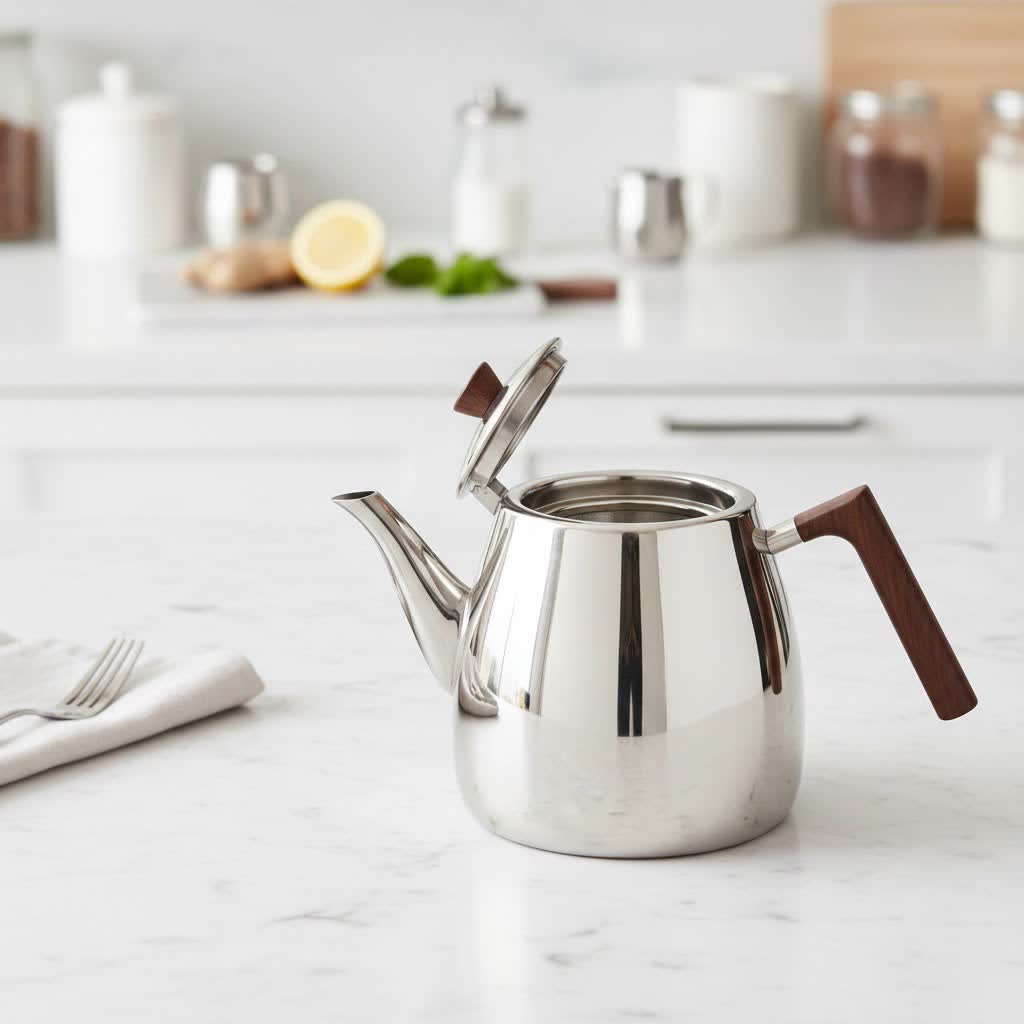
Stepping into the world of loose leaf tea is a journey of exquisite flavors and aromas, a departure from the ordinary tea bag experience. Yet, many tea enthusiasts overlook one crucial element that can truly elevate their brew: the humble, yet powerful, loose leaf tea pot. More than just a vessel for water and leaves, the right teapot is an essential tool that unlocks the full potential of your chosen blend, transforming a simple cup into a serene ritual. If you’re ready to dive deeper into the art of tea, understanding the nuances of tea pot materials, design, and care is your first step towards brewing perfection.
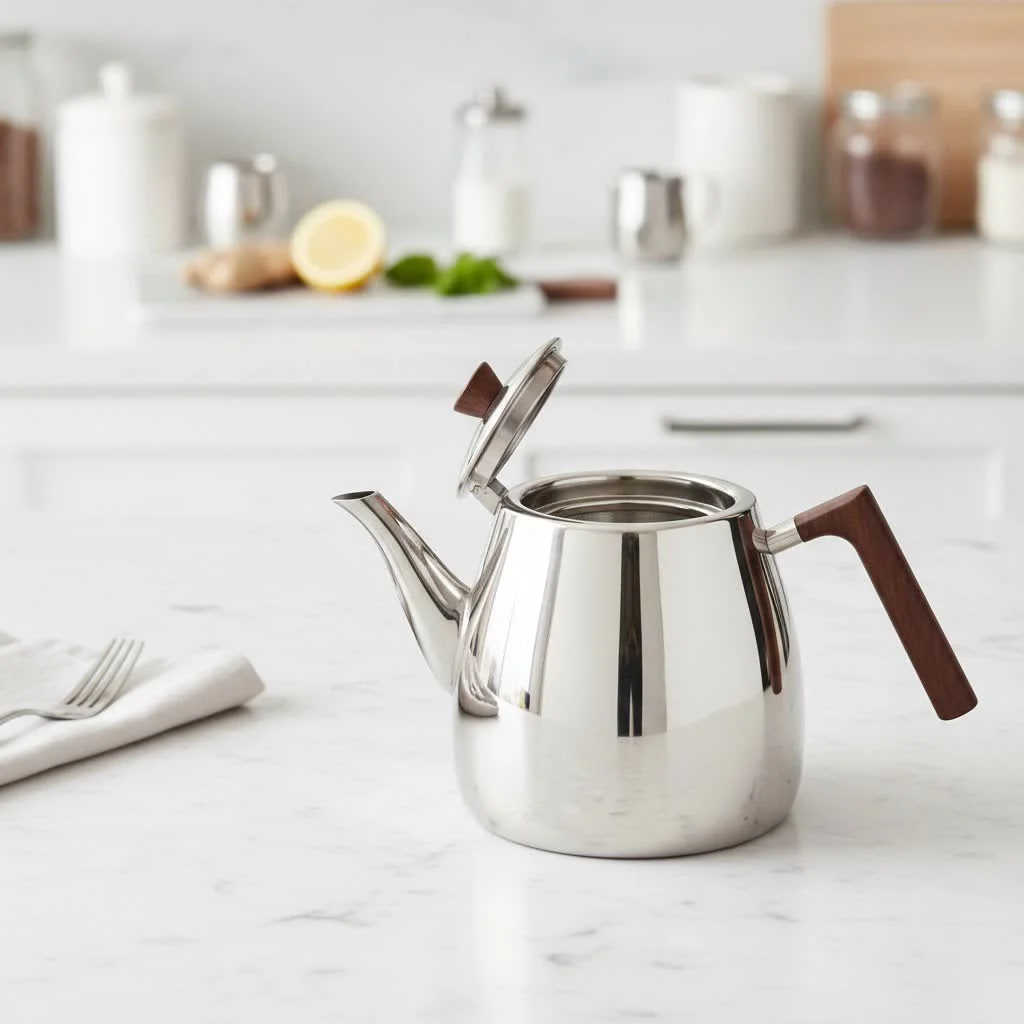
Understanding the Heart of Your Brew: Common Tea Pot Materials
The material of your teapot plays a significant role in how your tea tastes, how long it stays warm, and its overall durability. Let’s explore the most popular options available for loose leaf brewing.
Glass Teapots: Clarity and Purity
Glass teapots, particularly those made from borosilicate glass, are celebrated for their transparent beauty. They offer a captivating visual experience, allowing you to witness the graceful unfurling of tea leaves and the mesmerizing bloom of flowering teas.
-
Pros:
- Visual Appeal: Observe the steeping process and the vibrant colors of your tea.
- Neutral Flavor: Glass is non-porous, meaning it won’t absorb flavors or odors from previous brews. This makes it ideal for enjoying a wide variety of teas without cross-contamination.
- Easy to Clean: The smooth surface of glass is simple to rinse and maintain.
- Modern Aesthetic: Often sleek and elegant, fitting well into contemporary kitchens.
- Stovetop Safe Options: Some borosilicate glass models are designed to be used directly on a stovetop (typically low to medium heat), offering convenience.
-
Cons:
- Heat Retention: Glass tends to lose heat faster than other materials, requiring quicker serving or additional insulation.
- Fragility: While borosilicate glass is more robust than standard glass, it remains susceptible to breakage if dropped or subjected to sudden temperature changes.
Ceramic and Porcelain Teapots: Classic Elegance and Steady Warmth
Ceramic and porcelain teapots have been staples in tea ceremonies for centuries, prized for their aesthetic versatility and practical brewing qualities.
-
*Pros:
- Excellent Heat Retention: Glazed ceramic and porcelain are great at keeping your tea warm for longer, allowing for a more leisurely enjoyment.
- Neutral Flavor: Like glass, glazed ceramic and porcelain are non-porous and won’t impart or absorb flavors, making them suitable for all tea types.
- Durability: Generally sturdy and resistant to minor bumps, though still breakable if dropped.
- Wide Range of Styles: Available in countless designs, colors, and patterns, from traditional to contemporary.
- Ease of Cleaning: Glazed surfaces are easy to wipe clean.
-
*Cons:
- Weight: Can be heavier than glass, especially when full.
- Breakability: Still ceramic, so prone to chipping or shattering if mishandled.
A Note on Unglazed Clay (e.g., Yixing): Unlazed clay teapots, such as the renowned Yixing pots from China, offer a unique brewing experience. They are highly porous and are designed to absorb the flavors and aromas of the tea over time, “seasoning” the pot. For this reason, Yixing pots are typically dedicated to one specific type of tea (e.g., Oolong or Pu-erh) to build a richer, more complex flavor profile with each brew. However, they require meticulous care and are not suitable for those who wish to brew various teas in a single pot.
Cast Iron Teapots: Enduring Strength and Robust Heat
|
Our Picks for the Best Tea Pot in 2026
As an Amazon Associate I earn from qualifying purchases.
|
||
| Num | Product | Action |
|---|---|---|
| 1 | 1500ml(50oz) Glass Teapot with Removable Infuser, Ehugos Stovetop Safe Large Tea Pot, Blooming and Loose Leaf Hand Crafted Kettle for Women and Adult with Stainless Infuser |

|
| 2 | Amazon Basics Electric Kettle with Glass Carafe for Tea and Coffee, BPA-Free, Fast Boiling, Auto Shut-Off, 1.7 Liter, 1500W, Black and Silver |
|
| 3 | HIWARE 1000ml Glass Teapot with Removable Infuser, Stovetop Safe Tea Kettle, Blooming and Loose Leaf Tea Maker Set |
|
| 4 | PARACITY Glass Teapot Stovetop 20 OZ/600ml, Tea pot with Removable 18/8 Stainless Steel Infuser, Borosilicate Clear Tea Kettle, Teapot Blooming and Loose Leaf Tea Maker Tea Brewer for Camping, Travel |
|
| 5 | Amazon Basics Electric Stainless Steel Kettle for Tea and Coffee, BPA-Free, Fast Boiling, Auto Shut-Off, 1.7 Liter, 1500W, Black and Silver |
|
| 6 | Glass Teapot with Infuser 60OZ (1800ml) Stovetop Safe, Clear Glass Tea Pot Kettle, Borosilicate Tea Pot with Infusers Filter for Loose Tea, Tea Kettle Dishwasher Safe |
|
| 7 | Amazon Basics Electric Kettle with Glass Carafe for Tea and Coffee, BPA-Free, Fast Boiling, Auto Shut-Off, 1 Liter, 1500W, Glass and Steel |
|
| 8 | All-Clad Specialty Stainless Steel Tea Kettle 2 Quart Induction Pots and Pans, Cookware Silver |
|
| 9 | Primula Stewart Whistling Stovetop Tea Kettle Food Grade Stainless Steel, Hot Water Fast to Boil, Cool Touch Folding, 1.5-Quart, Brushed with Black Handle |
|
| 10 | PARACITY Glass Teapot Stovetop 18.6 OZ, Borosilicate Clear Tea Kettle with Removable 18/8 Stainless Steel Infuser, Teapot Blooming and Loose Leaf Tea Maker Tea Brewer for Camping, Travel (550ML) |
|
Originally used to boil water, cast iron teapots (often called Tetsubin in Japan) are now cherished for their exceptional heat retention and rustic charm. Many modern cast iron teapots have an enamel lining to prevent rust and metallic taste.
-
Pros:
- Superior Heat Retention: Cast iron excels at keeping tea hot for extended periods, perfect for long conversations or cold days.
- Durability: Incredibly robust and long-lasting when properly cared for.
- Even Infusion: The dense material helps maintain a consistent temperature, contributing to an even extraction of flavors.
- Traditional Aesthetic: Offers a timeless, elegant look.
-
Cons:
- Weight: Significantly heavier than other teapot types.
- Slow to Heat: Takes longer to warm up.
- Maintenance (Unlined): Unlined cast iron can rust and impart a metallic taste if not seasoned and cared for diligently. Even lined versions require careful cleaning.
- Handle Can Get Hot: Handles may require a mitt or a special wrapping to protect hands from heat.
Beyond the Material: Key Factors in Choosing a Loose Leaf Tea Pot
While the material is fundamental, several other design and functional aspects should influence your decision when selecting the best loose leaf tea pot.
The All-Important Infuser Design
For loose leaf tea, the infuser is paramount. A well-designed infuser allows tea leaves ample space to expand fully, releasing their full flavor and aroma.
- Mesh Size: Look for a fine mesh infuser, especially if you enjoy teas with smaller particles, to prevent stray leaves from ending up in your cup.
- Depth and Width: The infuser should be deep enough to reach the water level even when brewing smaller quantities, and wide enough to allow the leaves to unfurl without being cramped.
- Removability: An easily removable infuser makes cleaning simple and allows you to remove the leaves after the ideal steeping time, preventing over-extraction.
Capacity: Brewing for One or Many?
Consider how much tea you typically brew at once. Teapots come in a range of sizes, from single-serving pots (around 8-12 ounces) perfect for an individual tea moment, to larger family-sized options (24-40 ounces or more) suitable for entertaining guests. Choosing the right capacity ensures you’re not constantly refilling or wasting tea.
Pour Spout and Handle Ergonomics
A teapot’s usability often comes down to its spout and handle.
- Drip-Free Spout: A well-designed spout should pour smoothly without dripping or splashing, keeping your table clean. Look for a slight curve or lip at the end to prevent drips.
- Comfortable Handle: The handle should be comfortable to grip, even when the pot is full and heavy, and ideally remain cool to the touch. Thicker handles often provide a more secure hold.
Durability and Safety
Beyond the inherent durability of the material, consider the overall construction. Check for sturdy connections between the handle, spout, and body. Ensure that all materials are food-grade and free from harmful chemicals like BPA, lead, or cadmium. For glass, borosilicate is generally preferred for its heat resistance and strength.
Aesthetics: A Personal Touch
Ultimately, your teapot is an item that will bring joy and beauty to your daily routine. Choose a design that resonates with your personal style and complements your kitchen or tea corner. Whether you prefer a minimalist glass pot, a vibrant ceramic piece, or a traditional cast iron Tetsubin, let your aesthetic preferences guide you.
Stovetop Compatibility: Know Your Pot
It’s crucial to distinguish between a teapot (for steeping tea) and a tea kettle (for boiling water). Most teapots are designed for steeping and should not be placed directly on a stovetop, as this can damage the pot or lead to uneven brewing. However, some borosilicate glass teapots are explicitly marketed as stovetop-safe. Always check the manufacturer’s instructions, and if in doubt, boil water separately in a kettle and then transfer it to your teapot for steeping.
Navigating the Market: Top Picks and Trusted Brands
The market offers a diverse range of high-quality loose leaf teapots from reputable brands known for their craftsmanship and design. While personal preference and specific needs will dictate your ultimate choice, exploring offerings from well-regarded names can provide an excellent starting point. Brands like Hiware, known for its durable glass teapots with effective infusers, and Sweese, which offers stylish porcelain options, frequently receive high praise. For those seeking traditional Japanese elegance and exceptional heat retention, brands producing authentic Tetsubin cast iron teapots, such as Suyika, are worth considering. Modern designs like those from Hario often feature innovative glass constructions that are both functional and visually appealing for green teas.
Elevating Your Tea Ritual: Tips for Use and Maintenance
Once you’ve chosen your perfect loose leaf tea pot, knowing how to use and care for it will ensure years of delightful brewing.
Mastering the Art of Brewing
- Pre-warm Your Teapot: Before adding tea leaves and hot water, pre-warm your teapot with a splash of hot water. This helps maintain the tea’s temperature during steeping and prevents thermal shock in delicate materials.
- Optimal Water Temperature: Different teas require different water temperatures. For delicate white and green teas, use cooler water (160-180°F), while oolongs benefit from slightly hotter water (190°F), and black teas thrive in boiling water (212°F). An electric kettle with temperature control can be a game-changer for precision.
- Steeping Time: Pay attention to recommended steeping times for your specific tea. A general guideline is one teaspoon of loose leaf tea per cup, plus one “for the pot.”
> “A good teapot is not just a tool; it’s a companion in the journey of appreciating tea, transforming a simple beverage into a moment of mindful serenity.”
Essential Care and Maintenance
Proper cleaning and storage are vital for prolonging the life of your teapot and ensuring consistently fresh-tasting tea.
- Daily Rinse: After each use, simply rinse your teapot with hot water. This prevents tea stains and residue buildup. For glazed ceramic and glass, a quick wipe with a soft cloth is usually sufficient.
- Avoid Soap (for some materials): While soap is fine for glass and glazed ceramic, never use soap on unglazed clay or unlined cast iron teapots, as these materials can absorb the soap’s scent and flavor, permanently altering future brews. For unlined cast iron, rub rust spots with a used tea leaf.
- Periodic Deep Clean: For glass and glazed ceramic, you can periodically deep clean with natural solutions. Fill the pot with hot water and add a tablespoon of lemon juice, white vinegar, or baking soda. Let it sit for 30 minutes, then gently scrub with a soft brush or sponge before rinsing thoroughly.
- Drying and Storage: Always allow your teapot to air dry completely before storing it to prevent mildew or odors. Store it in a safe place where it won’t be easily knocked over or chipped.
Conclusion
Choosing the best loose leaf tea pot is a deeply personal decision that marries functionality with aesthetic preference. Whether you’re drawn to the visual poetry of a glass teapot, the classic warmth of ceramic, or the enduring strength of cast iron, understanding the unique characteristics of each material and the key design features will empower you to make an informed choice. A well-selected teapot is more than just kitchenware; it’s an investment in your daily well-being, enhancing every cup of tea you brew. So, what kind of tea story will your perfect teapot help you tell?
Frequently Asked Questions
What teapot material is considered the healthiest or safest?
Borosilicate glass and high-quality glazed ceramic or porcelain are generally considered the safest and healthiest materials for teapots. They are non-reactive, non-porous, and typically free from harmful chemicals, ensuring a pure taste and no leaching into your tea. Stainless steel, if used in a teapot with an infuser, is also a safe option.
Can I use one teapot for all types of loose leaf tea?
Yes, if your teapot is made from glass, glazed ceramic, or porcelain, you can use it for all types of loose leaf tea without flavor transfer. However, unglazed clay teapots, like Yixing pots, are designed to absorb tea flavors and should ideally be dedicated to brewing only one specific type of tea.
How much loose leaf tea should I put in my teapot?
A common guideline is to use one teaspoon of loose leaf tea per 8 ounces (one cup) of water, plus an additional teaspoon “for the pot.” However, this can vary based on the type of tea, its leaf size, and your personal strength preference. Experiment to find your perfect balance.
Are all glass teapots safe to put on the stove?
No, not all glass teapots are stovetop safe. Only those specifically made from borosilicate glass and explicitly labeled as stovetop compatible should be used on a direct heat source, and usually only over low to medium heat. Most glass teapots are designed for steeping pre-boiled water.
How do I prevent tea stains in my teapot?
To prevent tea stains, rinse your teapot with hot water immediately after each use. For stubborn stains, a periodic deep clean using a solution of hot water with lemon juice, white vinegar, or baking soda can be very effective. Avoid abrasive scrubbers on delicate materials.
Get our weekly buyer guide
Practical specs, not advice. Unsubscribe anytime.
