For many, the day begins and ends with a comforting cup, whether it’s the invigorating aroma of freshly brewed coffee or the calming embrace of a steeped tea. As the administrator of ReviewedHW.com, with over a decade immersed in home appliances and specializing in tea products, I’ve explored countless brewing vessels—from traditional clay to modern electric models. My goal is to share this genuine insight, helping you find the ideal pot that perfectly aligns with your preferences and lifestyle.
Exploring Essential Brew Vessels: The World of Coffee and Tea Pots
The journey to your perfect cup begins with understanding the vessel itself. Each material and design offers a unique brewing experience, influencing everything from flavor to durability. Let’s delve into the popular types that grace our kitchens. For complete tea pots library on this site.
Glass Teapots: The Visual Brew
Glass teapots offer an unparalleled aesthetic, transforming the brewing process into a captivating visual display. Watching delicate tea leaves unfurl or blooming teas blossom is a serene experience unique to these transparent vessels. They are also excellent for observing the tea’s color, helping you gauge the perfect steeping time. Glass retains heat evenly, ensuring a consistent infusion.
However, their beauty comes with a touch of fragility. Glass teapots are delicate and prone to breakage if not handled with care. While generally easy to clean, the spouts can sometimes show tea stains. For optimal longevity, hand washing is usually recommended, and it’s crucial to avoid drastic temperature changes, such as moving a hot pot to a cold surface or refrigerating it immediately after use.
Ceramic and Porcelain Teapots: Timeless Elegance and Versatility
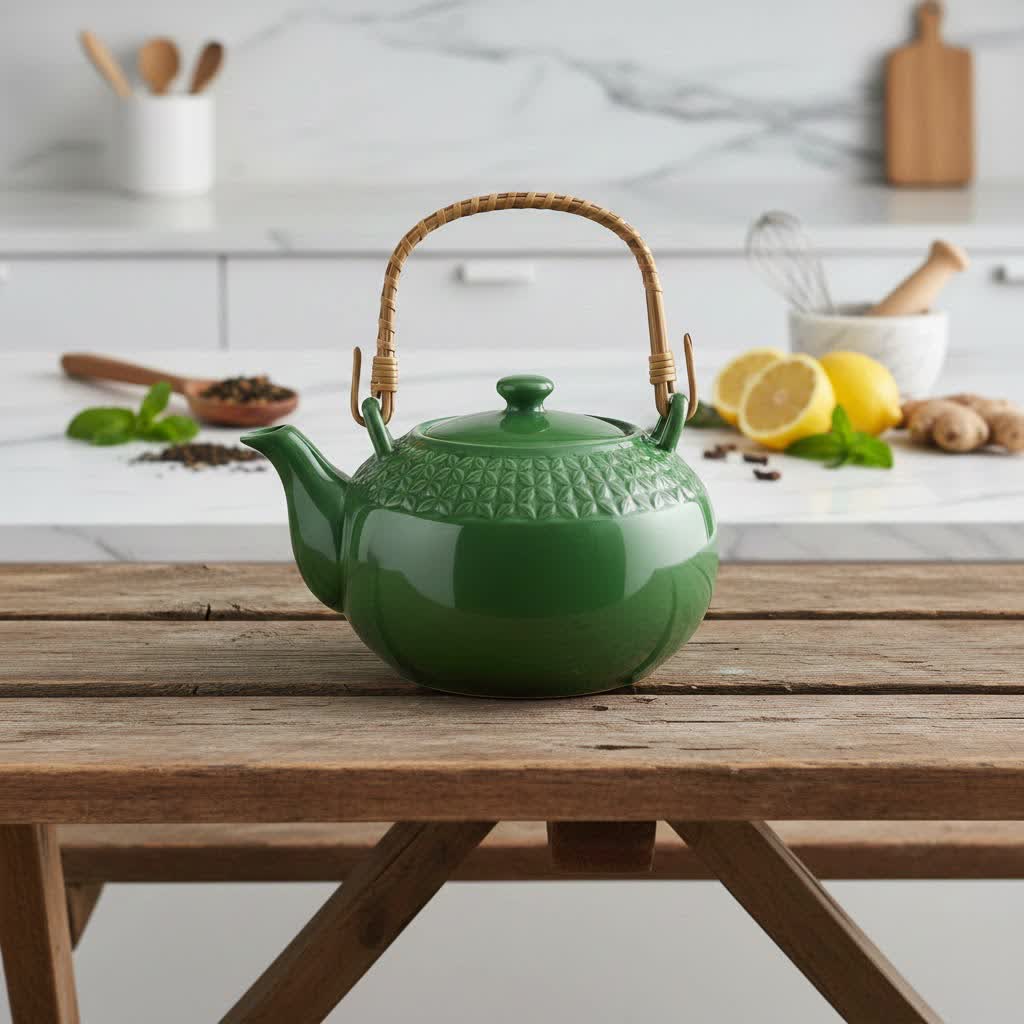
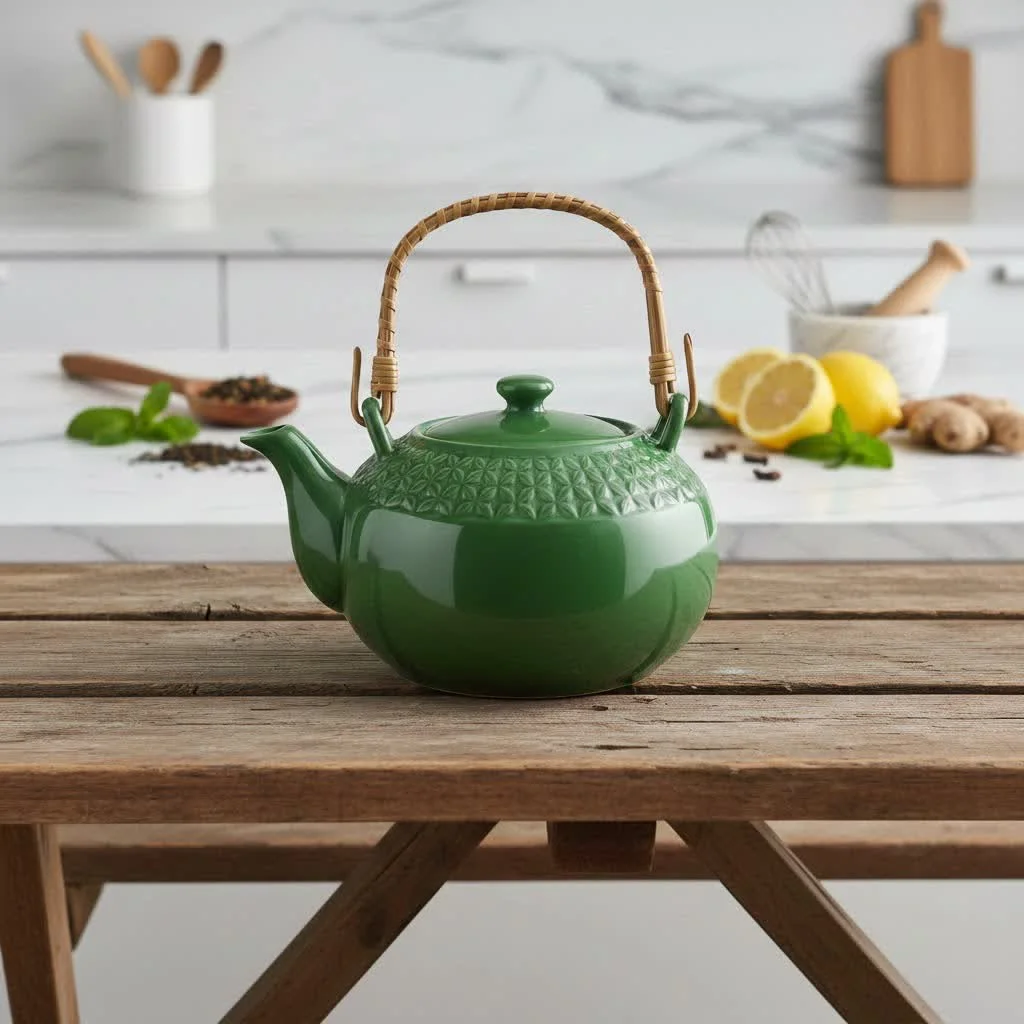
Ceramic and porcelain teapots stand as pillars of tradition and enduring style. Renowned for their robustness, ceramic teapots—especially those with a glazed interior—are incredibly versatile, suitable for all types of tea without retaining lingering flavors from previous brews. Their substantial nature ensures excellent heat retention, keeping your tea warm for longer periods, a quality much appreciated during extended conversations or quiet reflection.
Porcelain, a finer type of ceramic, elevates this elegance further. Often recognized for its smooth surface and ability to showcase the true color of your tea, porcelain offers a vast array of designs, from simple modern lines to intricately painted patterns. While both are generally easy to clean when glazed, unglazed ceramic pots, such as traditional Yixing clay teapots, are a different story. These specialized pots absorb the tea’s essence over time and should ideally be dedicated to a single type of tea to cultivate a richer, more nuanced flavor profile. Both ceramic and porcelain, while sturdy, are susceptible to breakage from mishandling or extreme thermal shocks.
Cast Iron Teapots: Robustness and Lasting Warmth
|
Our Picks for the Best Tea Pot in 2026
As an Amazon Associate I earn from qualifying purchases.
|
||
| Num | Product | Action |
|---|---|---|
| 1 | All-Clad Specialty Stainless Steel Tea Kettle 2 Quart Induction Pots and Pans, Cookware Silver |

|
| 2 | PARACITY Glass Teapot Stovetop 18.6 OZ, Borosilicate Clear Tea Kettle with Removable 18/8 Stainless Steel Infuser, Teapot Blooming and Loose Leaf Tea Maker Tea Brewer for Camping, Travel (550ML) |
|
| 3 | PARACITY Glass Teapot Stovetop 20 OZ/600ml, Tea pot with Removable 18/8 Stainless Steel Infuser, Borosilicate Clear Tea Kettle, Teapot Blooming and Loose Leaf Tea Maker Tea Brewer for Camping, Travel |
|
| 4 | Primula Stewart Whistling Stovetop Tea Kettle Food Grade Stainless Steel, Hot Water Fast to Boil, Cool Touch Folding, 1.5-Quart, Brushed with Black Handle |
|
| 5 | Amazon Basics Electric Kettle with Glass Carafe for Tea and Coffee, BPA-Free, Fast Boiling, Auto Shut-Off, 1 Liter, 1500W, Glass and Steel |
|
| 6 | HIWARE 1000ml Glass Teapot with Removable Infuser, Stovetop Safe Tea Kettle, Blooming and Loose Leaf Tea Maker Set |
|
| 7 | Glass Teapot with Infuser 60OZ (1800ml) Stovetop Safe, Clear Glass Tea Pot Kettle, Borosilicate Tea Pot with Infusers Filter for Loose Tea, Tea Kettle Dishwasher Safe |
|
| 8 | Amazon Basics Electric Stainless Steel Kettle for Tea and Coffee, BPA-Free, Fast Boiling, Auto Shut-Off, 1.7 Liter, 1500W, Black and Silver |
|
| 9 | Amazon Basics Electric Kettle with Glass Carafe for Tea and Coffee, BPA-Free, Fast Boiling, Auto Shut-Off, 1.7 Liter, 1500W, Black and Silver |
|
| 10 | 1500ml(50oz) Glass Teapot with Removable Infuser, Ehugos Stovetop Safe Large Tea Pot, Blooming and Loose Leaf Hand Crafted Kettle for Women and Adult with Stainless Infuser |
|
For those who prioritize enduring warmth and a rustic charm, cast iron teapots are an excellent choice. Originally used to boil water, these heavy-duty pots are celebrated for their exceptional heat retention, keeping your beverage piping hot for extended periods. This material also facilitates an even infusion, drawing out the full character of any tea type. Some enthusiasts even claim cast iron can subtly enhance the tea’s flavor by neutralizing water hardness and possessing natural antibacterial properties beneficial for black teas.
The primary consideration with cast iron is maintenance. The rim can be prone to rust over time if not properly cared for. However, this is easily remedied by rubbing a used tea leaf over the affected area. Their weight and sturdy construction mean they are highly durable, often lasting generations with proper care.
French Press: The Versatile Brew Master
When the term “coffee tea pot” truly comes into its own, the French press often leads the conversation. This ingeniously simple device is a true multi-tasker, excelling at brewing both rich, full-bodied coffee and flavorful loose leaf tea. Its immersion brewing method allows for maximum extraction, delivering a robust beverage every time. For tea lovers, it provides ample space for leaves to unfurl, offering a more complete and nuanced flavor than many infusers.
Ease of use is a hallmark of the French press, requiring no electricity beyond heated water. However, it’s not without its quirks. Fine coffee grounds or tiny tea particles can sometimes slip past the mesh filter, leading to a slightly silty cup. Cleaning, particularly around the plunger and filter, can also be a bit more involved than a simple rinse.
Electric Kettles: Modern Convenience for Precision Brewing
While not a steeping pot in the traditional sense, the electric kettle is an indispensable “tea pot” for modern households, efficiently delivering perfectly heated water for both coffee and tea. Their speed is unmatched, boiling water significantly faster than stovetop alternatives, which is a true blessing on busy mornings. Many contemporary electric kettles come equipped with variable temperature settings, allowing for precise control crucial for brewing different types of tea (which require specific temperatures) or for pour-over coffee.
Safety features like automatic shut-off prevent dry boiling, offering peace of mind. Electric kettles are also considered energy-efficient and highly portable, freeing you from the confines of the kitchen stove. The main drawbacks tend to be their reliance on electrical components, which may lead to a shorter lifespan compared to purely mechanical pots, and a less traditional aesthetic that might not appeal to all.
Detailed Comparison: Finding Your Perfect Brewing Companion
Choosing the right pot depends heavily on balancing functionality, aesthetics, and maintenance. Here’s a detailed comparison to help clarify the strengths of each material:
| Feature | Glass Teapot | Ceramic/Porcelain Teapot | Cast Iron Teapot | French Press | Electric Kettle (for water heating) |
|---|---|---|---|---|---|
| Material | Borosilicate Glass | Clay, Glazed/Unglazed | Cast Iron | Glass/Stainless Steel Body, Mesh Plunger | Stainless Steel, Plastic, Glass |
| Durability | Moderate (fragile, prone to breakage) | High (sturdy, but can chip/break if dropped) | Very High (heavy-duty, long-lasting) | Moderate (glass can break, plunger parts wear) | Moderate (electrical components can fail) |
| Heat Retention | Good (retains heat evenly, but dissipates faster) | Excellent (keeps tea warm for longer) | Superior (maintains heat for extended periods) | Good (depends on material; can be insulating) | N/A (boils water, doesn’t retain for brewing) |
| Price | Low to Mid-Range | Low to High (especially fine porcelain/Yixing) | Mid to High | Low to Mid-Range | Low to Mid-Range |
| Aesthetics | Modern, Transparent, Visual | Traditional, Elegant, Diverse Designs | Rustic, Robust, Traditional Japanese/Chinese | Functional, Industrial, Modern | Modern, Sleek, Functional |
| Best Use | Blooming teas, delicate green/white teas | All tea types (especially if glazed) | Darker teas (black, pu-erh), herbal infusions | Coffee, loose leaf tea, cold brew | Boiling water for any tea or coffee method |
Your Ultimate Guide to Buying the Right Pot
Navigating the vast world of brewing vessels can feel overwhelming, but a systematic approach will lead you to your perfect match.
Assess Your Brewing Needs
Before anything else, consider your daily routine and preferences. Are you a devout tea connoisseur, a dedicated coffee lover, or someone who enjoys both? Do you brew for one, or host frequent gatherings? Do you prefer loose leaf tea, tea bags, or freshly ground coffee? Your answers will dictate the size, functionality, and material best suited for your lifestyle. If you enjoy diverse tea types, a glazed ceramic or glass pot might be ideal for their versatility. If you appreciate a strong, immersive brew, a French press could be your go-to.
Consider Your Budget
The price range for brewing pots is incredibly broad, from affordable basic models to luxurious, handcrafted pieces. Establish a realistic budget upfront. Remember, a higher price doesn’t always guarantee the best fit for your personal needs, but investing in quality often pays off in durability and an enhanced brewing experience. Factor in not just the initial cost, but also potential long-term benefits like heat retention and ease of maintenance.
Choose the Right Material
The material of your pot profoundly impacts both the brewing process and the final taste of your beverage. As explored earlier, glass offers visual appeal but is fragile, while ceramic and porcelain provide excellent heat retention and versatility. Cast iron is unmatched for maintaining warmth but requires specific care. For those seeking a single device for both tea and coffee, a French press, often made with glass and stainless steel, offers an excellent solution. Evaluate each material based on its pros and cons, aligning them with your priorities for heat retention, durability, aesthetic, and maintenance commitment.
Check for Quality and Safety
A quality brewing vessel is an investment in your daily ritual. Pay close attention to construction details:
- Handles and Spouts: Ensure handles are comfortable to hold and insulated if needed. Spouts should pour smoothly without dripping.
- Infusers and Filters: For tea pots, check the mesh quality of infusers to prevent leaf escape. For French presses, a tight-fitting plunger and fine mesh filter are crucial.
- Lids: Lids should fit securely to retain heat and prevent spills.
- Material Safety: Especially for electric models or those with plastic components, confirm they are BPA-free and made from food-grade materials.
- Technical Features: For electric kettles, look for precise temperature controls, rapid boil features, and reliable automatic shut-off mechanisms.
Research Brands and Suppliers
Reputable brands often stand behind their products with warranties and excellent customer service. Look for brands known for their craftsmanship and quality in the specific type of pot you’re interested in. Online reviews and expert ratings can provide valuable insights. Purchasing from trusted suppliers ensures authenticity and support should any issues arise.
Top Brands for Quality Coffee and Tea Pots
The market is rich with brands that have earned a reputation for excellence. For versatile brewing, Bodum is widely recognized for its iconic French press designs that serve both coffee and tea aficionados. In the realm of electric kettles, Cuisinart, Ninja, and KitchenAid offer multi-function devices with advanced features like variable temperature control. For traditional teapots, brands like Art of Tea, Adagio Teas, and specialized Japanese and Chinese artisan brands are highly regarded for their quality ceramic, porcelain, and cast iron creations. European brands often excel in bone china and refined ceramic designs.
Mastering Care and Maintenance for Longevity
A well-maintained pot is a joy to use and can last for many years. Simple practices can significantly extend its life and preserve the purity of your brews.
Proper Cleaning Techniques
The approach to cleaning varies by material:
- Glazed Ceramic, Porcelain, Glass, and Stainless Steel: These can generally be washed with warm water and a mild, unscented dish soap. For delicate glass, a soft sponge is best to avoid scratches. Always rinse thoroughly to remove any soap residue that could impact future brews. While some glazed pots are dishwasher safe, hand washing is often gentler and recommended by connoisseurs.
- Unglazed Ceramic (like Yixing) and Cast Iron: These require a different approach. Unglazed pots absorb tea flavors, so soap should never be used. Instead, simply rinse with hot water after each use and allow them to air dry completely. For cast iron, clean gently and ensure it’s thoroughly dried to prevent rust. If rust appears, a gentle scrub with a used tea leaf can help remove it.
Storage Tips
Proper storage prevents damage and keeps your pots ready for use:
- Protect Delicate Materials: Store glass and porcelain pots in a place where they won’t easily be knocked over or come into contact with hard surfaces.
- Prevent Rust: For cast iron, ensure it’s completely dry before storing. Some recommend a light coating of cooking oil for long-term storage to prevent rust.
- Keep Clean: Store pots clean and dry to avoid mildew or lingering odors.
Important Usage Notes
Thoughtful use can prevent common mishaps and prolong your pot’s life:
- Avoid Extreme Temperature Changes: Rapid heating or cooling can crack glass and some ceramic pots. Never place a hot pot directly on a cold surface or in a refrigerator.
- Correct Water Levels: For electric kettles, always fill above the minimum and below the maximum fill lines. Never boil dry, as this can damage the heating element.
- Handle with Care: Always use insulated handles or protective cloths when handling hot pots, especially cast iron.
“A well-chosen brewing pot isn’t merely a utensil; it’s a testament to the art of savoring life’s simple pleasures, a blend of tradition and personal ritual.” – Lena Chen, Tea & Coffee Lifestyle Expert
Conclusion
Choosing the ideal coffee or tea pot is a deeply personal endeavor, one that influences the ritual and enjoyment of your daily brew. Whether you lean towards the elegant transparency of glass, the timeless charm of ceramic, the enduring warmth of cast iron, the versatile practicality of a French press, or the modern efficiency of an electric kettle, each offers a unique pathway to your perfect cup. By understanding the distinct characteristics, weighing the benefits, and committing to proper care, you ensure that your chosen vessel doesn’t just make a beverage, but enhances your entire experience. So, which pot will you choose to embark on your next brewing adventure?
Frequently Asked Questions
Which pot material is best for health?
Most common pot materials like glass, ceramic, porcelain, and stainless steel are generally safe for health. Glass and glazed ceramic are non-reactive and do not leach chemicals. Ensure any plastic components in electric kettles or French presses are BPA-free for optimal safety.
Can I brew coffee in a regular teapot?
While you technically can brew coffee in a teapot, it’s generally not recommended for optimal results. Teapots are designed for steeping leaves, not filtering coffee grounds, which are finer and require a different extraction method. A French press is a much better versatile option for both.
How do I prevent my cast iron teapot from rusting?
To prevent rust on a cast iron teapot, always dry it thoroughly immediately after use. Avoid using harsh soaps, and if rust spots appear, you can gently rub them with a used tea leaf or a soft cloth.
What’s the main advantage of an electric kettle over a stovetop one?
The primary advantage of an electric kettle is its speed and precision. It boils water much faster than a stovetop kettle and many models offer variable temperature control, allowing you to heat water to the exact degree required for specific teas or coffee brewing methods.
How often should I clean my teapot?
For optimal flavor and hygiene, rinse your teapot after every use. For glazed pots, a thorough wash with mild soap is recommended every few uses or when switching between very different tea types. Unglazed pots should only be rinsed with hot water to maintain their seasoned character.
Get our weekly buyer guide
Practical specs, not advice. Unsubscribe anytime.
