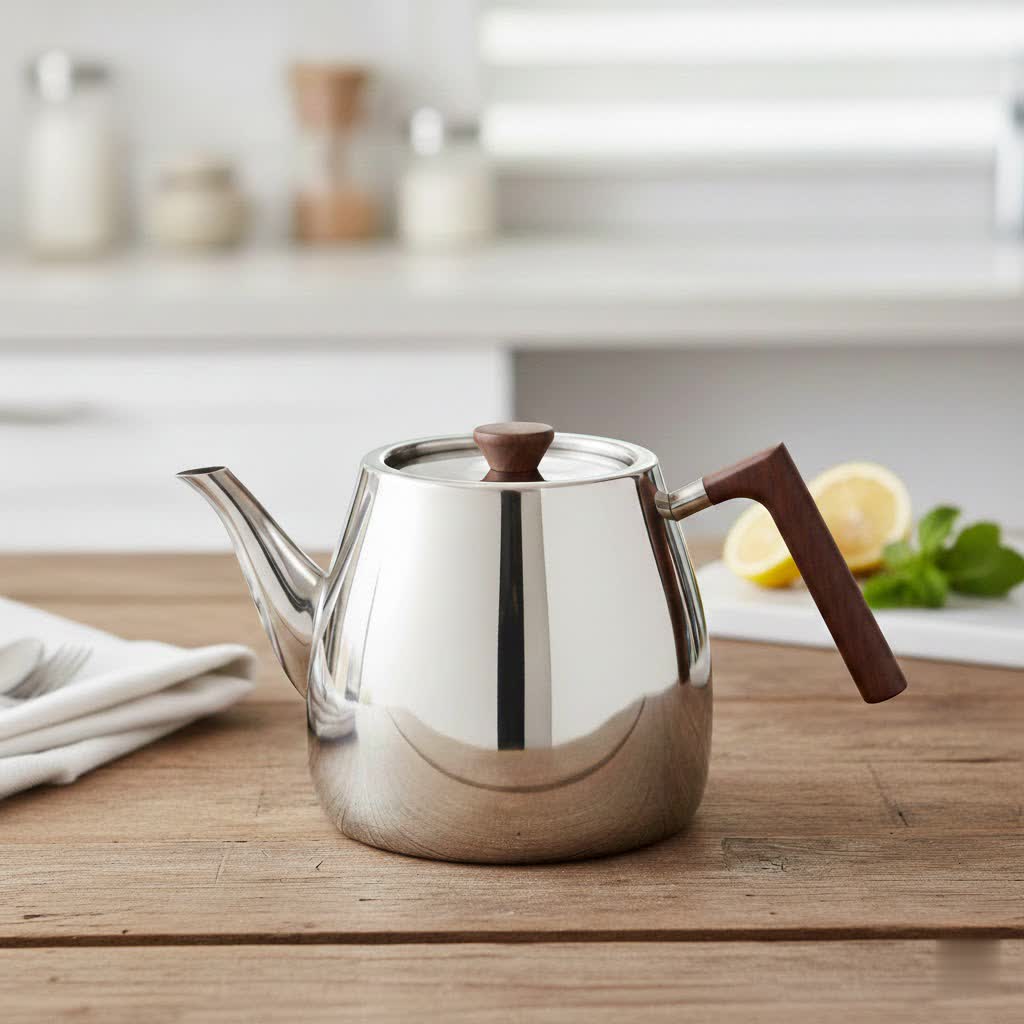
For tea enthusiasts and casual drinkers alike, the humble hot tea pot is more than just a vessel for boiling water; it’s a centerpiece of comfort and a gateway to a perfect brew. With over a decade of experience, I’ve seen countless designs and innovations, from rustic clay to cutting-edge electric models. But when it comes to selecting the ideal tea pot, one question always arises: what’s the real cost, and how do you find the right one for your needs and budget?
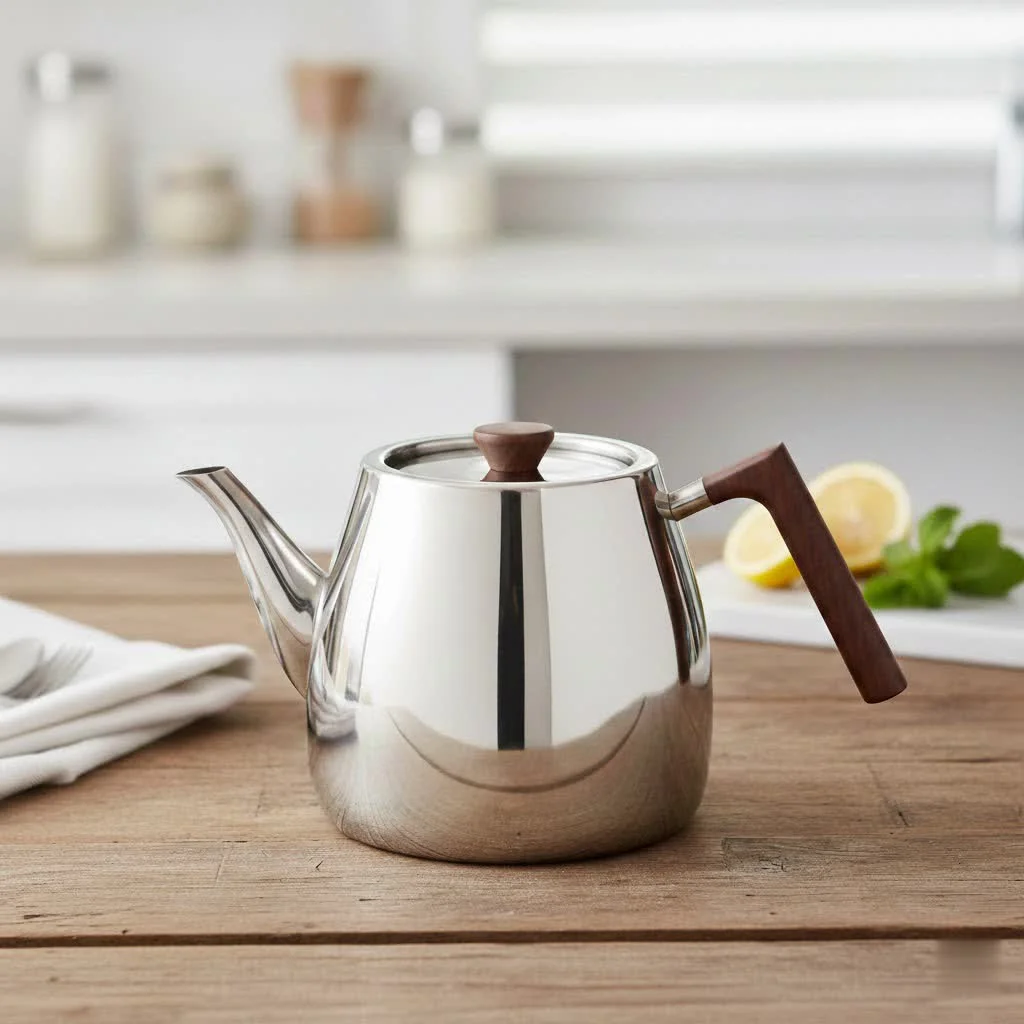
Understanding the price of a hot tea pot involves delving into a world of materials, features, brands, and craftsmanship. This guide will walk you through the various options, their typical price ranges, and what truly makes one tea pot more valuable than another, ensuring you make an informed decision for your daily ritual. For compare top tea pots on this site.
Choosing the Perfect Tea Pot: A Comprehensive Guide
The journey to finding your ideal tea pot begins with understanding the diverse landscape of available options. Each type brings its own set of advantages, disadvantages, and, of course, a distinct price tag.
Popular Tea Pot Types
The market offers a rich variety of hot tea pots, each crafted from different materials designed to enhance your tea-drinking experience in unique ways.
Glass Teapots: Clarity and Purity
Glass teapots are beloved for their transparent design, allowing you to witness the beautiful dance of tea leaves as they unfurl.
- Pros: They offer a pure taste, as glass is non-reactive and doesn’t absorb flavors or odors. Their visual appeal is undeniable, making them perfect for blooming teas. Many are also stovetop and microwave safe, adding to their versatility. Some mini glass teapots with infusers can be found in the $46-$56 range. [cite: 2 (concise_search 1), 5 (concise_search 4)]
- Cons: Glass is inherently fragile and can break easily if dropped or exposed to sudden temperature changes. They also tend to retain heat less effectively than other materials.
- Price Range: Basic glass teapots typically range from $20 to $40, while more durable borosilicate glass models or those with intricate designs might cost $40 to $60.
Ceramic and Porcelain Teapots: Classic Elegance
Ceramic and porcelain teapots have been staples in tea culture for centuries, prized for their aesthetic versatility and heat retention.
- Pros: These teapots excel at retaining heat, keeping your tea warmer for longer. They come in an endless array of colors, patterns, and shapes, making them decorative pieces. High-quality ceramic and porcelain are non-reactive and durable, though susceptible to chipping. Some artistic or branded ceramic teapots can be in the $50-$100+ range. [cite: 2 (concise_search 4)]
- Cons: They can be fragile and prone to chipping or breaking, especially if not handled with care. Their opaque nature means you can’t observe the tea steeping process.
- Price Range: Simple ceramic teapots can start around $30, with more elaborate, hand-painted, or branded porcelain models reaching $70 to $150 or more. Palais des Thés offers porcelain teapots around $72-$80. [cite: 5 (concise_search 4)]
Cast Iron Teapots: Enduring Tradition
Originating from ancient Japan, cast iron teapots (Tetsubin) are known for their exceptional durability and ability to keep tea hot for extended periods.
- Pros: Their heavy construction ensures superior heat retention, ideal for robust black teas. They are incredibly durable and can last for generations with proper care. The rustic, traditional aesthetic appeals to many. Some models from Palais des Thés are priced at $150. [cite: 5 (concise_search 4)]
- Cons: Cast iron teapots are heavy and can be slow to heat up. If not properly maintained, the interior can rust, though many modern versions feature an enamel coating to prevent this.
- Price Range: Expect to pay $50 to $150 for a quality cast iron teapot, with artisanal or larger capacity models potentially costing more.
Electric Kettles: Modern Convenience
Electric kettles are designed for speed and convenience, quickly boiling water at the touch of a button. They are technically “kettles” for boiling water, but many integrate infusers and temperature control, effectively serving as “tea pots” for brewing.
- Pros: They are significantly faster than stovetop methods, often boasting precise temperature control for different tea types and “keep warm” functions. Most modern electric kettles include safety features like automatic shut-off.
- Cons: They typically have a higher upfront cost and can be prone to electrical issues, potentially leading to a shorter lifespan for cheaper models. Their aesthetic is often more modern and less traditional.
- Price Range: Basic electric kettles can be found for $20-$50. Models with advanced features like temperature control, such as the Hamilton Beach Cool Touch, are reasonably priced, while premium brands like Breville, Fellow, or Zwilling Enfinigy can range from $70 to over $200. [cite: 1 (concise_search 2), 3 (concise_search 2), 4 (concise_search 2)]
Stainless Steel Stovetop Kettles: Robust and Reliable
A classic choice for many kitchens, stainless steel stovetop kettles are known for their resilience and efficiency on various cooktops.
- Pros: Highly durable and resistant to corrosion, stainless steel heats water quickly on gas, electric, or induction stovetops. Many feature a whistling mechanism to signal boiling. They don’t absorb tea flavors, making them versatile for different brews. Basic models are often very affordable.
- Cons: They offer less precise temperature control compared to electric models and can be quite noisy when boiling.
- Price Range: Entry-level stainless steel stovetop kettles range from $10 to $40. More robust or designer models, such as those from KitchenAid or Viking, can cost $50 to over $100. [cite: 1 (concise_search 1), 4 (concise_search 1)]
Detailed Comparison Table
|
Our Picks for the Best Tea Pot in 2026
As an Amazon Associate I earn from qualifying purchases.
|
||
| Num | Product | Action |
|---|---|---|
| 1 | Glass Teapot with Infuser 60OZ (1800ml) Stovetop Safe, Clear Glass Tea Pot Kettle, Borosilicate Tea Pot with Infusers Filter for Loose Tea, Tea Kettle Dishwasher Safe |

|
| 2 | Amazon Basics Electric Stainless Steel Kettle for Tea and Coffee, BPA-Free, Fast Boiling, Auto Shut-Off, 1.7 Liter, 1500W, Black and Silver |
|
| 3 | HIWARE 1000ml Glass Teapot with Removable Infuser, Stovetop Safe Tea Kettle, Blooming and Loose Leaf Tea Maker Set |
|
| 4 | 1500ml(50oz) Glass Teapot with Removable Infuser, Ehugos Stovetop Safe Large Tea Pot, Blooming and Loose Leaf Hand Crafted Kettle for Women and Adult with Stainless Infuser |
|
| 5 | PARACITY Glass Teapot Stovetop 20 OZ/600ml, Tea pot with Removable 18/8 Stainless Steel Infuser, Borosilicate Clear Tea Kettle, Teapot Blooming and Loose Leaf Tea Maker Tea Brewer for Camping, Travel |
|
| 6 | All-Clad Specialty Stainless Steel Tea Kettle 2 Quart Induction Pots and Pans, Cookware Silver |
|
| 7 | Amazon Basics Electric Kettle with Glass Carafe for Tea and Coffee, BPA-Free, Fast Boiling, Auto Shut-Off, 1 Liter, 1500W, Glass and Steel |
|
| 8 | Primula Stewart Whistling Stovetop Tea Kettle Food Grade Stainless Steel, Hot Water Fast to Boil, Cool Touch Folding, 1.5-Quart, Brushed with Black Handle |
|
| 9 | Amazon Basics Electric Kettle with Glass Carafe for Tea and Coffee, BPA-Free, Fast Boiling, Auto Shut-Off, 1.7 Liter, 1500W, Black and Silver |
|
| 10 | PARACITY Glass Teapot Stovetop 18.6 OZ, Borosilicate Clear Tea Kettle with Removable 18/8 Stainless Steel Infuser, Teapot Blooming and Loose Leaf Tea Maker Tea Brewer for Camping, Travel (550ML) |
|
To help you visualize the differences and make an informed choice, here’s a comparative overview of the popular tea pot types:
| Feature | Glass Teapots | Ceramic/Porcelain | Cast Iron Teapots | Electric Kettles | Stainless Steel Stovetop |
|---|---|---|---|---|---|
| Material | Borosilicate Glass | Clay, Porcelain | Cast Iron | Stainless Steel, Plastic, Glass | Stainless Steel |
| Durability | Fragile | Moderate (can chip) | Very High | Moderate to High | High |
| Heat Retention | Low to Moderate | Good | Excellent | Excellent (with keep warm) | Good |
| Price Range | $20 – $60 | $30 – $150+ | $50 – $150+ | $20 – $200+ | $10 – $100+ |
| Aesthetics | Modern, transparent | Classic, artistic | Traditional, rustic | Modern, functional | Classic, functional |
| Key Features | Visual brewing, non-reactive | Decorative, versatile | Even heating, robust, long-lasting | Fast boil, temp control, auto-shutoff | Whistle, stovetop compatible |
Guide to Buying a Tea Pot
Navigating the options can be overwhelming, but by considering a few key factors, you can narrow down your choices and find a hot tea pot that perfectly suits your lifestyle.
Identify Your Usage Needs
Before looking at prices, consider how you’ll use your tea pot. Do you need boiling water quickly for a morning cup of coffee or instant oatmeal? An electric kettle might be ideal. Are you a connoisseur who brews delicate green teas at specific temperatures? An electric kettle with precise temperature control is essential. If you enjoy leisurely steeping loose leaf teas and appreciate traditional aesthetics, a ceramic or glass teapot could be your preference.
Set Your Budget
Hot tea pot prices vary widely, from under $20 to several hundred dollars. Determine a realistic budget before you start shopping. Remember that a higher price often correlates with better materials, more advanced features, and greater durability. However, many excellent value options exist in the mid-range.
Choose the Right Material
The material directly impacts functionality, durability, and maintenance.
- Glass: Best for visual appeal and pure taste; requires careful handling.
- Ceramic/Porcelain: Excellent for heat retention and aesthetics; needs gentle care.
- Cast Iron: Unbeatable for heat retention and durability; requires specific rust prevention.
- Stainless Steel: Durable, versatile for stovetop use, and easy to clean.
- Electric (various materials): Focus on speed and convenience; consider models with high-grade stainless steel interiors.
Evaluate Features and Safety
Modern tea pots, especially electric ones, come with a host of features.
- Temperature Control: Crucial for brewing different types of tea.
- Keep Warm Function: Maintains water temperature for extended periods.
- Automatic Shut-off: A vital safety feature for electric kettles, preventing overheating.
- Cool-Touch Exterior/Handle: Enhances safety and ease of handling.
- Integrated Infuser: Convenient for loose leaf tea.
- Whistle: A charming and practical feature for stovetop kettles.
Research Brands and Suppliers
Investing in a reputable brand often guarantees better quality, reliability, and customer support. Read reviews and compare products from trusted retailers. Consider the warranty and return policies.
Top Reputable Tea Pot Brands
Many brands offer quality tea pots across different price points and types. Here are a few to consider:
-
Budget-Friendly (Under $50):
- Aroma, Primula: Often found at retailers like Target, offering basic stainless steel stovetop kettles and budget-friendly electric options.
- Chefman: Known for offering electric kettles at less than $30, ideal for simple water boiling without extra features. [cite: 3 (concise_search 2)]
- Mr. Coffee: Provides affordable stovetop and electric kettles, with models like the Flintshire stainless steel kettle around $16-$45. [cite: 4 (concise_search 1)]
-
Mid-Range ($50 – $100):
- Bodum: Offers good value with glass teapots (like the Assam Glass Tea Press, considered “best value” by Good Housekeeping) and electric gooseneck kettles around $40-$60. [cite: 1 (concise_search 4), 3 (concise_search 2)]
- Hamilton Beach: Provides electric kettles with multiple temperature settings and cool-touch exteriors at a reasonable price. [cite: 3 (concise_search 2)]
- OXO Brew: Their adjustable temperature electric kettle is a solid mid-range option at around $106, offering good features and performance. [cite: 4 (concise_search 2)]
- Zwilling Enfinigy: Known for sleek design and high performance, their electric kettles are around $98. [cite: 4 (concise_search 2)]
-
Premium/Specialized (Over $100):
- Breville: A leader in high-end electric kettles, offering models like the Smart Kettle Luxe for over $200, known for speed, accuracy, and preset temperatures. [cite: 4 (concise_search 2)]
- Fellow: Popular for stylish gooseneck electric kettles (e.g., Corvo EKG, Stagg EKG Pro) ranging from $93 to nearly $200, favored by pour-over coffee and tea enthusiasts. [cite: 4 (concise_search 2)]
- Chantal: Specializes in elegant enamel-on-steel stovetop kettles that can exceed $100.
- Palais des Thés: Offers a curated selection of high-quality teaware, including Japanese cast-iron teapots for $150 and porcelain teapots for $72-$80. [cite: 5 (concise_search 4)]
- Wedgwood: A luxury brand, with collector’s items like the Sheila Bridges Picnic Teapot or unique signed teapots that can fetch hundreds or even thousands of dollars. [cite: 1 (concise_search 4), 3 (concise_search 4)]
> “A good tea pot is not just a tool for brewing; it’s an extension of your personal style and a testament to your appreciation for the art of tea.”
Tips for Using and Maintaining Your Tea Pot
Proper care extends the life of your hot tea pot and ensures the purest taste for every brew.
How to Clean Your Tea Pot Correctly
- Glass, Ceramic, Porcelain: Wash with warm, soapy water and a soft sponge. For tea stains, a mixture of baking soda and water or a specialized tea stain remover works wonders. Avoid harsh abrasives.
- Cast Iron: Hand wash with warm water only, without soap, as soap can remove the natural patina or enamel. Dry thoroughly immediately after washing to prevent rust.
- Stainless Steel (Stovetop & Electric): Most stainless steel kettles are easy to clean with soap and water. For mineral deposits (limescale), descale regularly using a solution of equal parts white vinegar and water, or citric acid. Boil the solution, let it sit, then rinse thoroughly.
- Electric Kettles: Never submerge the electrical base in water. Wipe the exterior with a damp cloth. Descaling the interior is crucial for efficiency and longevity.
How to Store Your Tea Pot to Extend its Lifespan
- Dry Completely: Always ensure your tea pot is completely dry before storing, especially cast iron models, to prevent rust or mildew.
- Protect from Bumps: Store fragile glass or ceramic teapots where they won’t be easily knocked over.
- Avoid Extreme Temperatures: Don’t store tea pots in areas with drastic temperature fluctuations, which can stress materials like glass.
Important Usage Notes
- Never Overfill: Overfilling can lead to boiling water spilling out, posing a burn hazard.
- Use Filtered Water: This helps reduce mineral buildup, especially in electric kettles, prolonging their life and improving tea taste.
- Monitor Heat: For stovetop kettles, ensure the flame or heat source does not extend beyond the base of the kettle, which can damage handles or exterior finishes.
Conclusion
The price of a hot tea pot is a reflection of its material, features, brand, and craftsmanship, all contributing to its overall value and your tea-drinking experience. Whether you seek the rapid convenience of an electric kettle with precise temperature control or the timeless elegance of a cast iron or porcelain teapot, a perfect option exists for every budget and preference. By considering your needs and exploring the diverse market, you can find a tea pot that not only delivers delicious hot beverages but also enhances your kitchen and daily ritual.
What kind of tea pot are you dreaming of adding to your collection?
Frequently Asked Questions
Which teapot material is best for health?
For health and purity, glass (especially borosilicate) and food-grade stainless steel are often recommended as they are non-reactive and do not leach chemicals into the water or tea. High-quality ceramic and porcelain with lead-free glazes are also excellent choices. If opting for cast iron, ensure it has an enamel interior to prevent direct contact with the iron, which can alter taste and potentially leach metals.
Are more expensive teapots always better?
While a higher price often correlates with superior materials, craftsmanship, advanced features, and increased durability, it doesn’t always mean a more expensive tea pot is “better” for your specific needs. Excellent value can be found in mid-range options that perfectly balance cost and performance. Luxury brands might include a premium for design or prestige, which may not directly impact brewing quality.
How do I clean my electric kettle to prolong its life?
Regular descaling is key to prolonging an electric kettle’s life. Use a solution of equal parts white vinegar and water, or a specialized citric acid descaling product. Fill the kettle with the solution, bring it to a boil, let it sit for 20-30 minutes, then pour it out and rinse thoroughly multiple times to remove any residue. Doing this every 1-3 months, depending on your water hardness, prevents mineral buildup that reduces efficiency.
What is the difference between a tea pot and a tea kettle?
Traditionally, a tea kettle is designed specifically for boiling water on a stovetop or electrically. It often features a lid, handle, and spout, and many stovetop models include a whistle. A tea pot, on the other hand, is primarily used for steeping tea leaves in hot water. It usually has a wider body, an infuser, and a spout designed for pouring brewed tea. However, modern electric kettles with temperature control and integrated infusers often blur these lines, effectively serving both functions.
Can I put a stovetop teapot in the dishwasher?
Whether a stovetop teapot can go in the dishwasher depends entirely on its material and the manufacturer’s instructions. Stainless steel kettles are often dishwasher-safe. However, cast iron teapots, especially those without enamel coating, should never be put in a dishwasher as it can strip seasoning and promote rust. Ceramic or glass teapots might be dishwasher safe, but handwashing is usually recommended to preserve decorative finishes and prevent chipping. Always check the care label or brand website.
Get our weekly buyer guide
Practical specs, not advice. Unsubscribe anytime.
