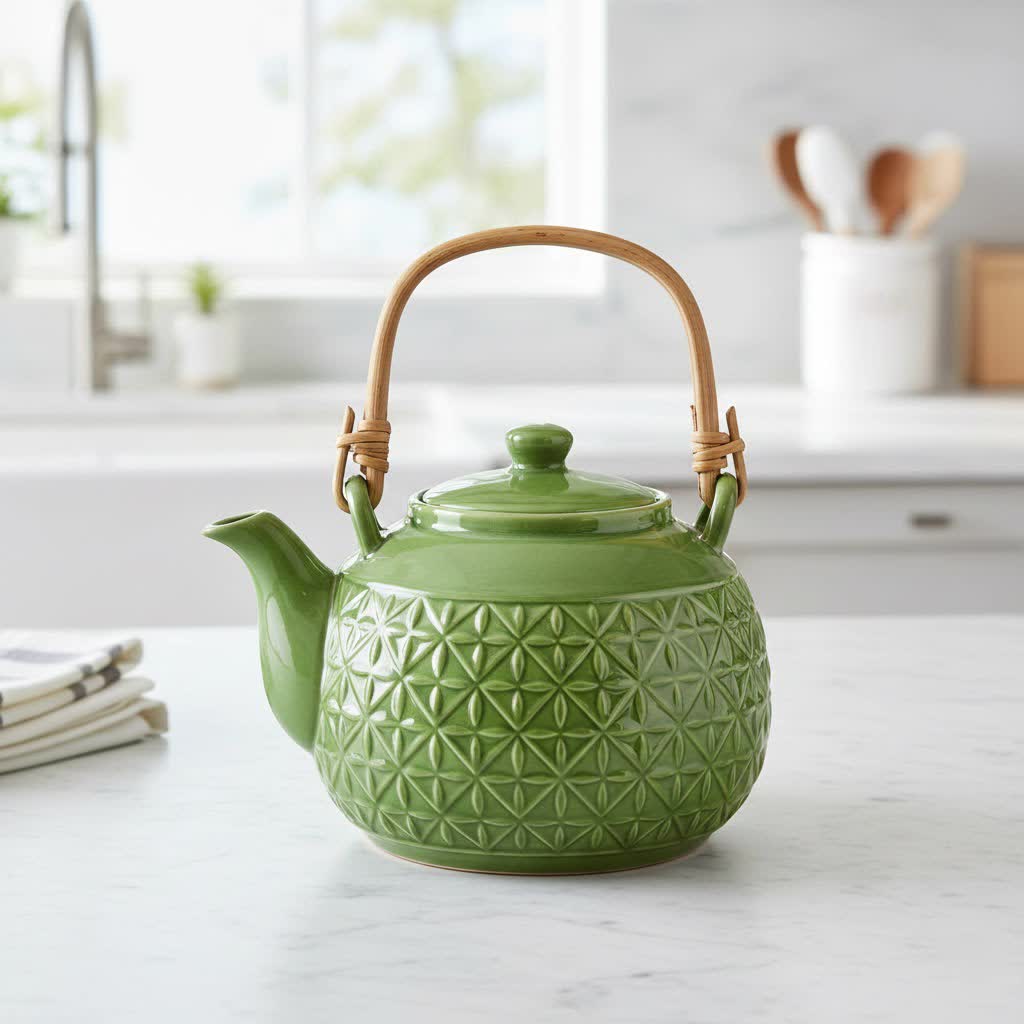
For centuries, the humble teapot has been at the heart of tea rituals across cultures, transforming simple hot water and leaves into a comforting brew. Beyond its primary function, a well-chosen teapot significantly influences the warmth, flavor, and overall enjoyment of your tea experience. With countless styles, materials, and features available, selecting the ideal hot tea pot can feel overwhelming. This comprehensive guide will navigate you through the world of teapots, helping you discover the perfect companion for your daily cuppa or special gatherings.
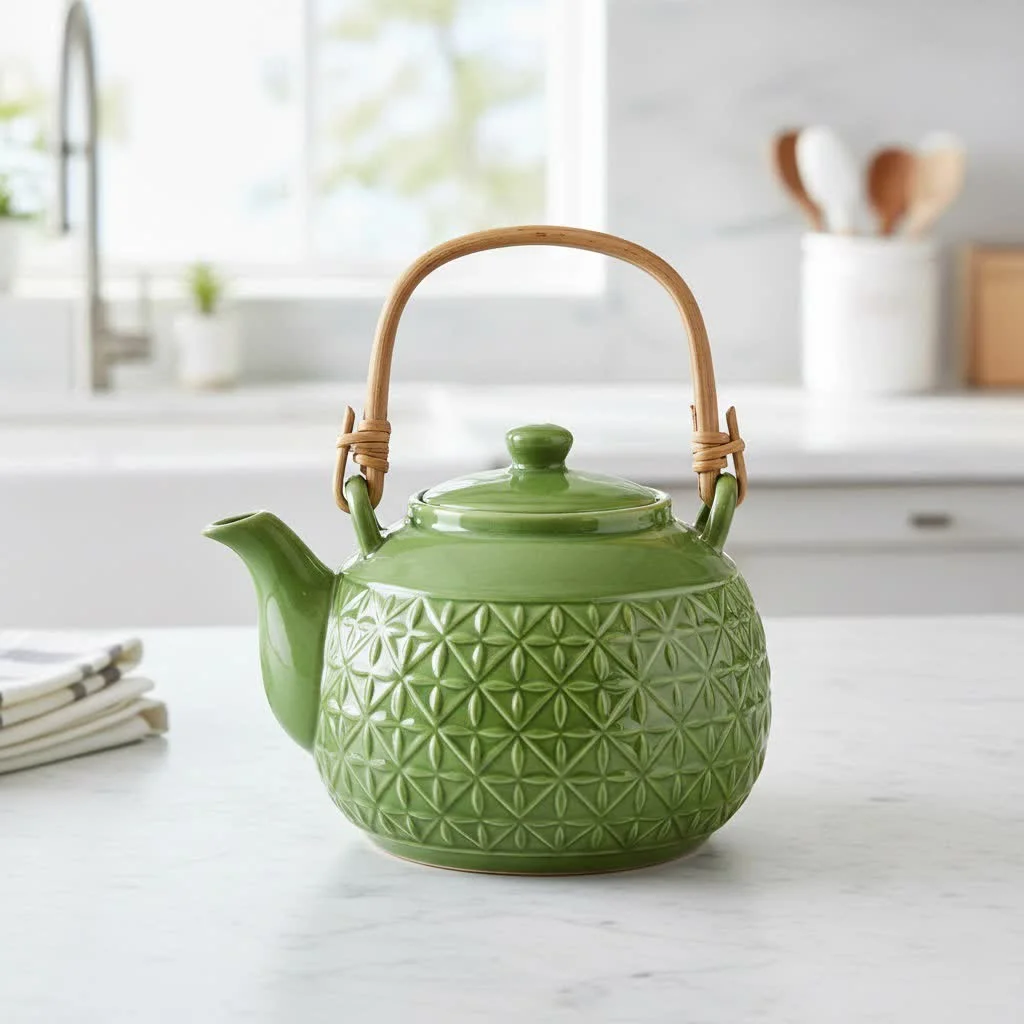
Popular Types of Hot Tea Pots
The material of your teapot profoundly affects its performance, durability, and aesthetic appeal. Understanding the unique characteristics of each type is the first step in finding your perfect match.
Glass Tea Pots: Transparency and Purity
Glass teapots, often made from borosilicate glass, are celebrated for their elegant transparency. They allow you to witness the enchanting dance of tea leaves as they unfurl and the infusion’s color deepen, making them particularly popular for blooming teas or delicate green and white teas.
- Pros: Offers a pure, untainted taste as glass is non-porous and non-reactive. Their visual appeal enhances the tea-drinking experience, and many are designed to be stovetop-safe for direct heating. Glass teapots are generally easy to clean and do not absorb flavors from previous brews.
- Cons: Glass is more delicate and prone to breakage than other materials. It also typically retains heat for a shorter duration compared to ceramic or cast iron, often requiring a tea cozy to keep your brew hot. Some delicate glass may also stain on the spout over time.
Ceramic and Porcelain Tea Pots: Classic Charm and Excellent Heat Retention
Ceramic teapots, encompassing stoneware and delicate porcelain, are perhaps the most ubiquitous type. They are highly valued for their superb heat retention, keeping your tea warm for extended periods. Porcelain, a finer ceramic, offers a refined aesthetic, often adorned with intricate patterns.
- Pros: Ceramic and porcelain teapots excel at retaining heat, ensuring your tea stays hot longer. They are non-reactive and, when glazed, do not impart any flavor to the tea, making them versatile for all tea types. They come in an immense variety of designs, from traditional to modern, catering to diverse tastes.
- Cons: While durable, ceramic and especially porcelain teapots can break if dropped. They may also require pre-warming with hot water before brewing to maintain optimal tea temperature. Porcelain tends to be more fragile and expensive than standard ceramic.
Cast Iron Tea Pots: Enduring Warmth and Rustic Elegance
Originating from Japan (known as Tetsubin), cast iron teapots are renowned for their exceptional heat retention and robust durability. Their heavy construction and rustic appearance make a statement, often becoming a focal point of the tea ceremony.
- Pros: Cast iron is unparalleled in its ability to keep tea hot for extended periods, thanks to its dense material. These teapots are incredibly durable, often lasting generations with proper care. Many come with an enameled interior, making them safe for brewing a variety of teas without flavor absorption or rust.
- Cons: Cast iron teapots are significantly heavier than other types, which can make pouring challenging. Unglazed cast iron requires meticulous maintenance to prevent rust and should never be washed with soap, which can damage its seasoned finish. They can also be a more expensive initial investment.
Clay Tea Pots (e.g., Yixing): A Connoisseur’s Choice
Clay teapots, particularly unglazed Yixing pots from China, are cherished by tea connoisseurs for their unique ability to “season” over time. The porous clay absorbs the oils and flavors of the tea brewed within it, enriching subsequent infusions.
- Pros: Clay pots, especially Yixing, are believed to enhance the flavor and aroma of specific teas, such as Oolongs and Pu-erh, by smoothing out bitterness. They develop a unique patina and character over years of use, becoming deeply personal brewing vessels.
- Cons: Due to their porous nature, clay teapots must be dedicated to brewing only one type of tea to prevent flavor contamination. They require specific care, including no soap washing, and are not suitable for direct stovetop heating. They can also be quite expensive.
Detailed Comparison: Choosing Your Ideal Hot Tea Pot
|
Our Picks for the Best Tea Pot in 2026
As an Amazon Associate I earn from qualifying purchases.
|
||
| Num | Product | Action |
|---|---|---|
| 1 | HIWARE 1000ml Glass Teapot with Removable Infuser, Stovetop Safe Tea Kettle, Blooming and Loose Leaf Tea Maker Set |

|
| 2 | All-Clad Specialty Stainless Steel Tea Kettle 2 Quart Induction Pots and Pans, Cookware Silver |
|
| 3 | 1500ml(50oz) Glass Teapot with Removable Infuser, Ehugos Stovetop Safe Large Tea Pot, Blooming and Loose Leaf Hand Crafted Kettle for Women and Adult with Stainless Infuser |
|
| 4 | Amazon Basics Electric Stainless Steel Kettle for Tea and Coffee, BPA-Free, Fast Boiling, Auto Shut-Off, 1.7 Liter, 1500W, Black and Silver |
|
| 5 | PARACITY Glass Teapot Stovetop 18.6 OZ, Borosilicate Clear Tea Kettle with Removable 18/8 Stainless Steel Infuser, Teapot Blooming and Loose Leaf Tea Maker Tea Brewer for Camping, Travel (550ML) |
|
| 6 | Amazon Basics Electric Kettle with Glass Carafe for Tea and Coffee, BPA-Free, Fast Boiling, Auto Shut-Off, 1 Liter, 1500W, Glass and Steel |
|
| 7 | Amazon Basics Electric Kettle with Glass Carafe for Tea and Coffee, BPA-Free, Fast Boiling, Auto Shut-Off, 1.7 Liter, 1500W, Black and Silver |
|
| 8 | PARACITY Glass Teapot Stovetop 20 OZ/600ml, Tea pot with Removable 18/8 Stainless Steel Infuser, Borosilicate Clear Tea Kettle, Teapot Blooming and Loose Leaf Tea Maker Tea Brewer for Camping, Travel |
|
| 9 | Primula Stewart Whistling Stovetop Tea Kettle Food Grade Stainless Steel, Hot Water Fast to Boil, Cool Touch Folding, 1.5-Quart, Brushed with Black Handle |
|
| 10 | Glass Teapot with Infuser 60OZ (1800ml) Stovetop Safe, Clear Glass Tea Pot Kettle, Borosilicate Tea Pot with Infusers Filter for Loose Tea, Tea Kettle Dishwasher Safe |
|
When selecting a hot tea pot, a comparative look at key attributes will help align your choice with your preferences and lifestyle.
| Material | Durability | Heat Retention | Flavor Impact | Aesthetics | Price Range | Best For |
|---|---|---|---|---|---|---|
| Glass | Moderate | Good | Neutral | Modern, visual | Low – Mid | Green, white, blooming teas, daily use |
| Ceramic/Porcelain | Good – High | Excellent | Neutral | Traditional, varied | Mid – High | All tea types, daily use, entertaining |
| Cast Iron | Very High | Superior | Neutral (enameled) | Rustic, bold | Mid – High | Black, Pu-erh, keeping tea hot for long periods |
| Clay (Yixing) | High | Excellent | Enhances specific teas | Traditional, artisanal | High | Oolong, Pu-erh, dedicated tea brewing |
For a hot tea pot, heat retention is often paramount. Materials like cast iron, thick ceramic, and porcelain naturally excel here, ensuring your brew remains at an enjoyable temperature for longer. While glass offers visual delight, it may require a tea cozy to maintain warmth. The flavor impact of a teapot is also crucial; most glazed materials are neutral, but unglazed clay specifically enhances certain tea types, a feature beloved by enthusiasts.
Essential Considerations When Buying a Hot Tea Pot
Beyond material, several practical factors should guide your decision to ensure your new teapot seamlessly integrates into your tea-drinking ritual.
Determine Your Brewing Habits and Needs
Consider how often you drink tea, for how many people, and what types of tea you prefer. Are you brewing a single cup for yourself or a large pot for guests? Do you exclusively drink loose leaf tea, or do you use tea bags? A smaller, more delicate glass teapot might suit a solo green tea drinker, while a larger ceramic or cast iron pot is better for family gatherings and black tea.
Budget and Investment
Teapots range from affordable daily-use items to significant investments. Set a realistic budget, but also consider the long-term value. A high-quality teapot, especially one made from durable ceramic or cast iron, can last for many years and provide immense satisfaction, justifying a higher upfront cost.
Material Selection and Safety
Prioritize health and safety. Look for teapots made from materials free of harmful substances like lead, cadmium, PFAs, and non-stick coatings. Glazed ceramics, porcelain, and borosilicate glass are generally considered the safest options as they are non-porous and won’t leach chemicals into your tea, even when heated.
Design and Ergonomics
A teapot should not only look good but also be a pleasure to use. Pay attention to:
- Handle: Ensure it offers a comfortable, secure grip and remains cool to the touch when the pot is hot.
- Spout: Look for a well-designed spout that pours smoothly without dribbling. It should ideally be at least level with the rim of the main opening to prevent spills.
- Lid: A tight-fitting lid is essential for heat retention and preventing spills. A small pinhole in the lid helps air escape, allowing for a smooth pour.
- Opening: A wide opening makes it easier to add tea leaves, clean the interior, and remove spent leaves.
- Infuser: If using loose leaf tea, a roomy, fine-mesh infuser is crucial to allow leaves to unfurl fully and prevent sediment from entering your cup.
Capacity
Match the teapot’s volume to your typical serving size. If you brew for two people, aiming for a 500ml teapot (for two 250ml cups) provides ample space for leaves to absorb water without leaving you short. Adequate capacity also ensures a balanced infusion from first pour to last.
Top Brands and Recommended Features
While specific brands can vary in availability, reputable teapot manufacturers consistently prioritize certain features. Look for brands known for using high-quality, food-grade materials that are free from harmful chemicals. In ceramic and porcelain, this means durable glazes and strong construction. For glass, opt for borosilicate for heat resistance and clarity. Cast iron teapots should feature a well-applied enamel interior for safety and ease of use. Brands that offer ergonomic designs, effective infusers, and thoughtful details like cool-touch handles or drip-free spouts often stand out. Prioritize products with clear care instructions and positive user reviews for peace of mind.
Tips for Using and Maintaining Your Hot Tea Pot
Proper care extends the life of your teapot and preserves the purity of your tea.
Proper Cleaning Techniques
- Rinse Immediately: After each use, empty the leaves and rinse your teapot thoroughly with hot water.
- Avoid Soap (for some materials): For unglazed clay and cast iron, avoid using soap, as their porous nature can absorb detergent flavors or damage seasoning. A simple hot water rinse is sufficient. For glazed ceramic, porcelain, and glass, a mild, non-abrasive soap can be used occasionally, but thorough rinsing is crucial.
- Clean Spouts: Use a small brush (like a straw cleaner or baby bottle brush) to clean inside the spout and any filter holes to prevent residue buildup.
- Combat Stains: For stubborn tea stains in glazed pots, a paste of baking soda and water or a vinegar solution can be effective. Avoid abrasive scrubbers that could scratch the surface.
Storage Best Practices
- Air Dry Completely: Always allow your teapot to air dry thoroughly with the lid off before storing. This prevents moisture buildup, mold, and odors.
- Store Separately: If possible, store the lid separately from the pot to ensure maximum air circulation.
- Prevent Rust: For cast iron teapots, it’s critical to ensure they are completely dry after each use to prevent rust. Do not leave water standing in them.
Extending Longevity
- Gentle Handling: Always handle your teapot with care, especially delicate glass or porcelain. Avoid sudden temperature changes (thermal shock), which can crack some materials.
- Pre-warm Your Pot: Pouring hot water into your teapot and letting it sit for a minute or two before adding your tea and brewing water will help maintain the desired brewing temperature and keep your tea hotter for longer. This is particularly beneficial for ceramic and porcelain pots.
- Descale (if necessary): If you live in an area with hard water, mineral buildup can occur. Use a natural descaling agent like citric acid (lemon juice) and hot water to remove mineral deposits.
> “A well-chosen teapot doesn’t just hold tea; it elevates the entire experience, transforming a simple beverage into a cherished ritual.”
Conclusion
Choosing the perfect hot tea pot is an investment in your daily comfort and a celebration of the timeless ritual of tea. By carefully considering materials, understanding their impact on heat retention and flavor, and evaluating practical features, you can find a teapot that not only meets your needs but also brings joy to every pour. Whether you seek the visual purity of glass, the classic warmth of ceramic, the robust elegance of cast iron, or the connoisseur’s depth of clay, there’s a hot tea pot waiting to transform your tea moments. Which type of teapot will you choose to enhance your next cherished tea experience?
Frequently Asked Questions
What is the best material for keeping tea hot?
Cast iron is generally considered the best material for keeping tea hot due to its excellent heat retention properties. Thick ceramic and porcelain also perform very well, holding heat for extended periods, especially if pre-warmed.
Can I use any teapot on the stove?
No, not all teapots are safe for stovetop use. Glass teapots made from borosilicate glass are often stovetop-safe, as are some metal teapots. Ceramic, porcelain, and clay teapots are typically designed for brewing and serving, not direct heating, and can crack or break if placed on a stove. Always check the manufacturer’s instructions.
How often should I clean my teapot?
It is recommended to rinse your teapot thoroughly with hot water after every use. For porous materials like unglazed clay or cast iron, this is usually sufficient. For glazed ceramic, porcelain, and glass, a deeper clean with mild soap and a brush for spouts can be done periodically, especially if you switch tea types frequently, but avoid harsh detergents.
Why does my teapot dribble when I pour?
Teapot dribbling can be caused by a poorly designed spout that lacks a sharp drip edge, or by a spout that is not level with the teapot’s rim. A tight-fitting lid with a small air vent (pinhole) is also important to ensure smooth pouring and prevent back-drip.
Is it okay to leave tea in a teapot overnight?
It is generally not recommended to leave tea in a teapot overnight. Leaving tea leaves in water for too long can lead to over-extraction, resulting in a bitter taste. For certain materials like unglazed clay, prolonged exposure to liquid can also foster mold growth or affect the pot’s seasoning. Always empty and rinse your teapot after brewing.
Get our weekly buyer guide
Practical specs, not advice. Unsubscribe anytime.
