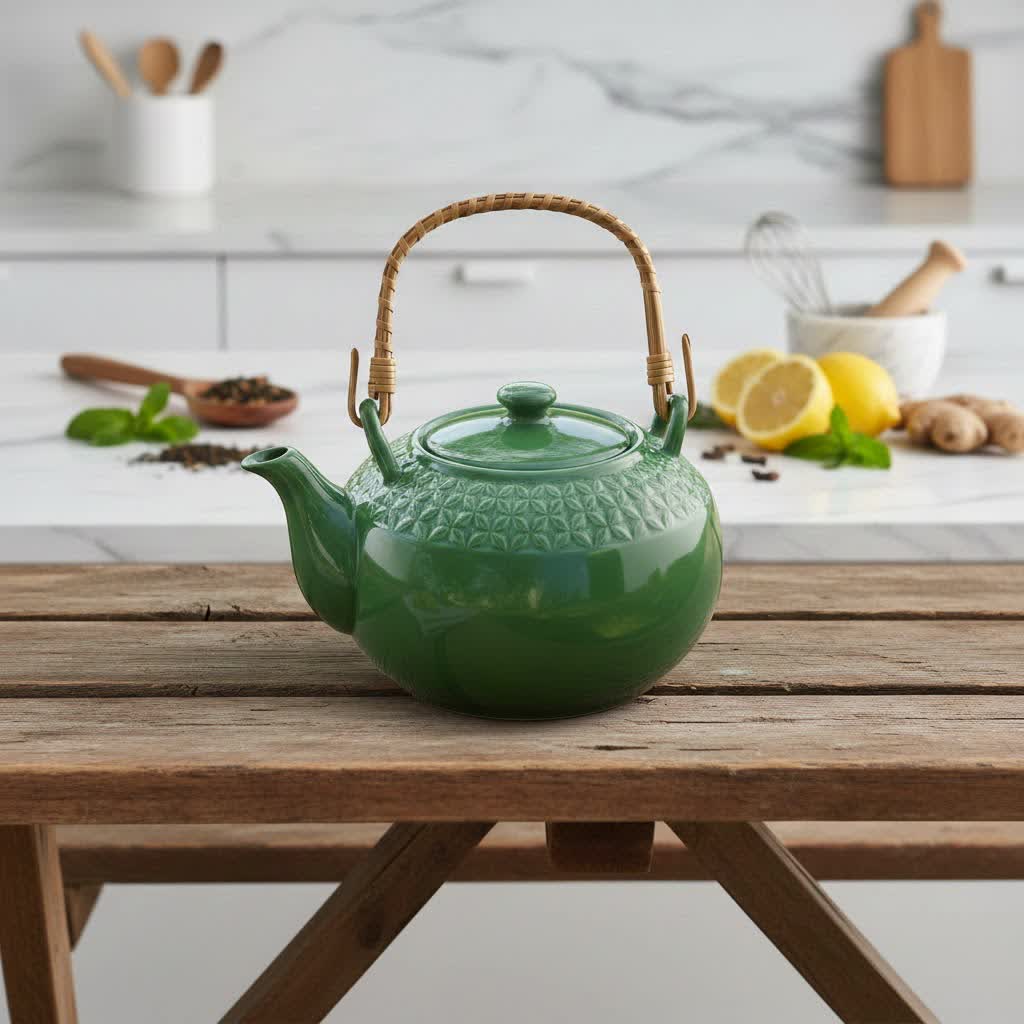
For centuries, the Japanese ceramic teapot has stood as more than just a vessel for brewing tea; it is a profound expression of culture, craftsmanship, and the art of tea itself. From the humble daily brew to elaborate ceremonies, these teapots offer a unique blend of aesthetic beauty and functional superiority, deeply influencing the flavor and experience of every cup. As an administrator of ReviewedHW.com, with a decade of expertise in home appliances and tea-related products, I’ve had the privilege of experiencing countless teapots. My journey has revealed that understanding the intricacies of Japanese ceramic teapots is key to unlocking a truly exceptional tea experience, perfectly tailored to your preferences.
Choosing Your Perfect Japanese Ceramic Teapot: A Detailed Guide
The world of Japanese ceramic teapots is rich and diverse, offering a style and material for every tea lover. Selecting the right one is a journey into appreciating nuanced design, specific brewing characteristics, and the enduring legacy of Japanese pottery.
Understanding the Popular Types of Japanese Ceramic Teapots
Japanese teapots are generally known as “kyusu,” a term that broadly refers to any teapot in Japan, though it’s often associated with the distinct side-handled varieties in the West. Beyond the general term, specific designs cater to different teas and brewing styles.
- Kyusu Teapots (Side-Handle): The most iconic Japanese teapot, characterized by a distinctive side handle (Yokote Kyusu) that provides an ergonomic grip, making pouring graceful and effortless. Other variations include Ushirote Kyusu (rear handle, similar to Western teapots) and Uwade Kyusu (top handle). Kyusu pots are remarkably versatile, suitable for brewing a wide array of Japanese green teas, from sencha to hojicha. Their design promotes careful pouring, allowing for precise control over the infusion.
- Houhin Teapots (Handleless): These small, handleless teapots are revered for brewing high-grade, delicate teas like Gyokuro or high-quality Sencha. Since these premium teas are typically brewed at lower temperatures (around 60°C or 140°F), a handle is unnecessary, and the intimate, handleless design encourages a direct connection with the tea. Houhin often feature a small spout and may or may not have an integrated ceramic filter.
- Shiboridashi Teapots (Handleless, Shallow): Even more minimalist than the Houhin, the Shiboridashi is a shallow, handleless pot with a tightly fitting lid. Instead of a traditional strainer, it relies on carved grooves or a narrow gap between the lid and body to filter tea leaves. This design is also ideal for high-quality, larger-leaf green teas, promoting a concentrated infusion with a high leaf-to-water ratio. It requires a gentle, controlled pour, adding to the meditative aspect of tea preparation.
- Maru-gata and Hira-gata Teapots (Shapes): These refer to common shapes. Maru-gata (or Hira-maru) is a rounded design with a relatively flat profile, offering a wide opening for easy cleaning and ample space for tea leaves to expand. Hira-gata teapots are even flatter and wider, further maximizing the surface area for leaf expansion, particularly beneficial for extracting sweetness and umami.
The Influence of Material on Your Tea Experience
|
Our Picks for the Best Tea Pot in 2026
As an Amazon Associate I earn from qualifying purchases.
|
||
| Num | Product | Action |
|---|---|---|
| 1 | HIWARE 1000ml Glass Teapot with Removable Infuser, Stovetop Safe Tea Kettle, Blooming and Loose Leaf Tea Maker Set |

|
| 2 | PARACITY Glass Teapot Stovetop 18.6 OZ, Borosilicate Clear Tea Kettle with Removable 18/8 Stainless Steel Infuser, Teapot Blooming and Loose Leaf Tea Maker Tea Brewer for Camping, Travel (550ML) |
|
| 3 | 1500ml(50oz) Glass Teapot with Removable Infuser, Ehugos Stovetop Safe Large Tea Pot, Blooming and Loose Leaf Hand Crafted Kettle for Women and Adult with Stainless Infuser |
|
| 4 | All-Clad Specialty Stainless Steel Tea Kettle 2 Quart Induction Pots and Pans, Cookware Silver |
|
| 5 | Glass Teapot with Infuser 60OZ (1800ml) Stovetop Safe, Clear Glass Tea Pot Kettle, Borosilicate Tea Pot with Infusers Filter for Loose Tea, Tea Kettle Dishwasher Safe |
|
| 6 | PARACITY Glass Teapot Stovetop 20 OZ/600ml, Tea pot with Removable 18/8 Stainless Steel Infuser, Borosilicate Clear Tea Kettle, Teapot Blooming and Loose Leaf Tea Maker Tea Brewer for Camping, Travel |
|
| 7 | Amazon Basics Electric Stainless Steel Kettle for Tea and Coffee, BPA-Free, Fast Boiling, Auto Shut-Off, 1.7 Liter, 1500W, Black and Silver |
|
| 8 | Amazon Basics Electric Kettle with Glass Carafe for Tea and Coffee, BPA-Free, Fast Boiling, Auto Shut-Off, 1.7 Liter, 1500W, Black and Silver |
|
| 9 | Amazon Basics Electric Kettle with Glass Carafe for Tea and Coffee, BPA-Free, Fast Boiling, Auto Shut-Off, 1 Liter, 1500W, Glass and Steel |
|
| 10 | Primula Stewart Whistling Stovetop Tea Kettle Food Grade Stainless Steel, Hot Water Fast to Boil, Cool Touch Folding, 1.5-Quart, Brushed with Black Handle |
|
The material of a Japanese ceramic teapot is fundamental to its performance and the resulting tea flavor. Each type of clay and finish offers distinct advantages.
- Porcelain Teapots: Known for their elegant, refined appearance, porcelain teapots are smooth, non-porous, and typically glazed. This non-reactive surface ensures that the teapot imparts no flavor or aroma to the tea, allowing the pure, unadulterated taste and fragrance of delicate teas to shine through. They are easy to clean and often feature intricate hand-painted designs, making them visually stunning additions to any tea set.
- Stoneware Teapots: Offering excellent heat retention and durability, stoneware teapots have a more earthy, rustic appeal. They are less porous than earthenware but can still possess subtle water-absorbing properties. High-fired stoneware varieties are robust and can maintain ideal brewing temperatures for extended periods, making them perfect for enjoying warm tea leisurely.
- Unglazed Clay Teapots (e.g., Tokoname Ware): This category represents some of the most cherished Japanese ceramic teapots, particularly those from Tokoname. Unglazed clay is mildly porous, meaning it can absorb subtle flavors and aromas from the tea brewed within it over time. This unique characteristic allows the teapot to “season” itself, developing a rich patina and character that many tea connoisseurs believe enhances the taste of subsequent brews, often mellowing bitterness and enriching the overall flavor profile. Tokoname ware, especially its “Shudei” (vermillion-colored) clay, is famed for its high iron content, which not only gives it a distinctive reddish-orange hue but is also thought to interact beneficially with the tea. Due to their porous nature, unglazed teapots are typically dedicated to a single type or category of tea to prevent flavor cross-contamination.
> “A good teapot is not merely a brewing tool; it is a piece of functional art that deeply connects us to the tea tradition.”
Detailed Comparison of Teapot Types
| Feature | Porcelain Teapots | Stoneware Teapots | Unglazed Clay Teapots (e.g., Tokoname) |
|---|---|---|---|
| Material | Fine, vitrified clay, often glazed | Denser, coarser clay, often unglazed or partially glazed | Highly porous, unglazed clay (e.g., iron-rich Tokoname) |
| Durability | Durable if handled with care, but can chip/break | Excellent, very robust and resistant | Durable, but care needed due to porosity |
| Heat Retention | Good, but cools faster than stoneware/iron | Excellent, keeps tea warm for longer periods | Excellent, especially thicker-walled varieties |
| Flavor Impact | Neutral, preserves tea’s pure taste and aroma | Minimal flavor absorption, generally neutral | Absorbs tea flavors over time, “seasons” the pot, enhances complexity |
| Aesthetics | Elegant, smooth, often highly decorated/painted | Earthy, rustic, natural textures, minimalist designs | Natural, wabi-sabi aesthetic, develops unique patina |
| Care | Easy to clean, mild soap suitable (if glazed) | Easy to clean, usually water only | Water rinse only, no soap, dedicated to one tea type |
| Price Range | Varies widely from affordable to luxury artisan pieces | Moderate to high | Often higher due to craftsmanship and material origin |
Your Guide to Purchasing the Ideal Japanese Ceramic Teapot
Choosing the right Japanese ceramic teapot involves a thoughtful consideration of your personal tea habits and preferences.
- Define Your Tea Needs:
- What tea will you brew? Most Japanese ceramic teapots, especially Kyusu, Houhin, and Shiboridashi, are designed for Japanese green teas. If you primarily drink black or herbal teas, a glazed ceramic or porcelain teapot might be more versatile, or consider dedicating separate unglazed pots for different tea families.
- How much tea do you drink? Japanese teapots are often smaller than Western counterparts, reflecting the practice of multiple small infusions to savor flavor nuances. A typical Kyusu ranges from 150-266cc (5-9oz). For premium Gyokuro, a tiny 120cc pot or Shiboridashi is common.
- Establish Your Budget: Authentic, handcrafted Japanese ceramic teapots can range significantly in price. Artisan-made pieces from renowned regions will naturally command a higher price point.
- Select the Right Material:
- For preserving the pure taste of delicate teas and easier cleaning, porcelain is an excellent choice.
- For superb heat retention and a more rustic feel, stoneware is ideal.
- For those seeking to “season” their pot and enhance the flavor of a specific tea over time, unglazed clay like Tokoname ware offers a unique experience.
- Consider the Handle Style:
- The Yokote (side handle) Kyusu is highly favored for its ergonomic design, allowing for comfortable, controlled pouring, especially when the pot is full of hot water.
- Ushirote (rear handle) and Uwade (top handle) types offer a more familiar grip for those accustomed to Western-style teapots.
- Handleless (Houhin, Shiboridashi) designs are perfect for lower-temperature brews and a more intimate tea ritual.
- Examine the Filter Type: Japanese ceramic teapots often feature integrated ceramic filters, such as Sasame, Cera-mesh, Debeso, or Do-ake. These built-in filters eliminate the metallic taste sometimes associated with metal strainers and are highly effective for most green teas. For very fine-leaf teas, a separate fine metal strainer might be preferred if you wish to avoid any leaf particles in your cup, though many tea drinkers find minimal leaf residue acceptable or even beneficial.
- Research Brands and Suppliers: Look for reputable suppliers who source directly from Japanese artisans and kilns. This ensures authenticity and supports traditional craftsmanship.
Top Japanese Ceramic Teapot Brands and Regions
Japan boasts a rich history of pottery, with several regions renowned for their distinctive ceramic teapots.
- Tokoname Ware (Aichi Prefecture): Arguably the most famous region for Japanese teapots, particularly the Kyusu. Tokoname is one of Japan’s “Six Ancient Kilns” and is celebrated for its precise craftsmanship and the distinctive “Shudei” (vermillion-red) iron-rich clay. Many Tokoname teapots are unglazed, developing a beautiful luster and enhancing tea flavor over time. Brands like Yamakiikai are well-regarded for their Tokoname pottery.
- Arita Ware (Saga Prefecture): Known for its exquisite porcelain, often featuring vibrant, intricate hand-painted designs. Arita teapots are typically porcelain and glazed, prized for their beauty and ability to showcase the purity of tea.
- Kutani Ware (Ishikawa Prefecture): Famous for its colorful, ornate porcelain, often adorned with bold patterns and vivid enamels. Kutani teapots are highly decorative and sought after by collectors.
- Banko Ware (Mie Prefecture): While Tokoname is famous for its red clay, Banko ware also utilizes iron-rich clay, often resulting in darker tones. Some Banko teapots are known for their resilience and versatility.
- Kyoto Ware (Kyo-yaki): Encompassing a wide range of styles and materials from Kyoto, Kyo-yaki teapots are often highly refined, reflecting the city’s rich artistic heritage and tea ceremony tradition.
These regions represent centuries of dedication to the craft, with artisans often passing down techniques through generations. When you choose a teapot from these areas, you’re investing in a piece of living history.
Essential Usage and Care Tips for Your Japanese Ceramic Teapot
Proper care ensures the longevity of your Japanese ceramic teapot and preserves the quality of your tea.
- For Brewing, Not Boiling:
- Crucial Rule: Never place a ceramic Japanese teapot directly on a stove or heating element. Ceramic teapots are designed for brewing tea with pre-heated water, not for boiling water. Direct heat will cause them to crack. For boiling water, use a dedicated kettle (like a Tetsubin cast iron kettle).
- Gentle Cleaning is Key:
- Water Only (Especially for Unglazed): For most Japanese ceramic teapots, especially unglazed ones, rinsing with hot water is sufficient. Avoid using dish soap or harsh detergents, as porous clay can absorb soap residues, which will taint the taste of future brews. Green tea has natural disinfecting properties, making harsh cleaners unnecessary.
- No Dishwasher: The vibrations and high heat of a dishwasher can damage delicate ceramic teapots, chip spouts or handles, and fade hand-painted designs. Always wash by hand.
- Removing Stains: For stubborn tea stains, a solution of baking soda and hot water can be very effective. Dissolve one to two teaspoons of baking soda in hot water inside the teapot, let it sit until the water cools, then gently scrub with a soft sponge or toothbrush. Rinse thoroughly afterward.
- Cleaning Filters: For integrated ceramic filters, run water backward from the spout to dislodge leaves. A soft brush, toothpick, or water pick can help remove any stuck particles.
- Thorough Drying and Storage:
- Air Dry Completely: After cleaning, it is paramount to allow the teapot to air-dry completely before replacing the lid or storing it. Rest your Kyusu upside down on a towel with the lid off to ensure proper ventilation. This prevents moisture buildup, which can lead to musty odors or mold.
- Dedicated Use for Unglazed Pots: If you own an unglazed ceramic teapot, it’s best to dedicate it to brewing only one type of tea (e.g., green tea). The porous clay will absorb the nuances of that specific tea, enhancing its flavor over time, but mixing teas can lead to undesirable flavor combinations.
- Careful Handling: Japanese ceramic teapots, particularly those with delicate spouts or handles, should be handled with care to avoid bumps or drops.
> “The subtle absorption of tea essences into an unglazed ceramic teapot creates a living vessel, evolving with every brew.” – An ancient proverb from Tokoname potters
The Philosophy of Japanese Teapots
Japanese ceramic teapots often embody the aesthetic principle of wabi-sabi, which celebrates imperfection, impermanence, and the beauty of natural materials. Many unglazed teapots, with their minimalist designs and evolving patinas, reflect this philosophy. Owning such a teapot is an invitation to slow down, appreciate the handmade, and connect more deeply with the tea-making process.
Frequently Asked Questions
What is the best material for a healthy Japanese ceramic teapot?
For optimal health and purity, porcelain and well-fired stoneware are excellent choices as they are non-reactive and easy to clean. Unglazed ceramic teapots are also healthy, assuming they are made from food-safe clay and cleaned properly, as their natural properties can even enhance certain tea flavors without chemical interference.
Can I brew different types of tea in the same Japanese ceramic teapot?
It depends on the teapot. For glazed porcelain or stoneware teapots, you can generally brew different teas after a thorough rinse. However, for unglazed ceramic teapots, it is highly recommended to dedicate each pot to a single type or family of tea (e.g., only green tea). The porous nature of unglazed clay causes it to absorb the flavors and aromas of the tea, and mixing teas can lead to undesirable cross-contamination of flavors.
Why are Japanese teapots often so small?
Japanese teapots are typically smaller than Western teapots because Japanese tea culture emphasizes enjoying multiple, smaller infusions. This approach allows tea drinkers to savor the subtle changes in flavor and aroma as the tea leaves unfurl and release their essences over several steeps. Smaller pots are also more ergonomic, making pouring easier and more controlled.
Is it safe to put a Japanese ceramic teapot in the microwave?
No, it is generally not recommended to put Japanese ceramic teapots in the microwave. Many ceramic teapots, especially those with metallic glazes or unglazed clay, are not microwave-safe. The rapid heating can cause stress on the material, leading to cracks, or in the case of metallic elements, arcing.
How do I remove deep tea stains without damaging my ceramic teapot?
For deep tea stains, avoid harsh chemicals or abrasive scrubbers. A simple and effective method is to dissolve one to two teaspoons of baking soda in hot water inside the teapot. Let this solution sit for at least an hour or until the water cools, then gently scrub the stained areas with a soft sponge or cloth. Rinse thoroughly with warm water afterward.
Conclusion
The Japanese ceramic teapot is a shows timeless craftsmanship and a deep appreciation for the ritual of tea. Whether you are drawn to the pure elegance of porcelain, the earthy warmth of stoneware, or the nuanced flavor enhancement of unglazed Tokoname clay, each type offers a distinct path to elevating your tea experience. By understanding their unique characteristics, choosing wisely, and adhering to proper care, you can select a teapot that not only serves your brewing needs but also becomes a cherished piece of your daily routine.
What kind of tea journey will your perfect Japanese ceramic teapot inspire in you?
Get our weekly buyer guide
Practical specs, not advice. Unsubscribe anytime.

This was super helpful in narrowing down my search for a new teapot. I was torn between a Tokoname and a Kutani, but the detailed descriptions of their functional superiority really swayed me. My new Tokoname teapot arrived last week, and it’s even more stunning in person. The pour is perfect, and it holds heat wonderfully. Definitely a worthwhile upgrade for any serious tea drinker.
I appreciated the information on how these teapots influence the flavor of the tea. I picked up a small kyusu based on the recommendations, and while it’s beautiful and well-made, I found the capacity a bit too small for my usual brewing habits. I have to refill it more often than I’d like, which interrupts the flow of my tea session. Still, the craftsmanship is undeniable.
I’ve always been fascinated by the cultural aspect of tea, and this guide really helped me understand the depth of Japanese ceramic teapots. I finally invested in a beautiful Banko ware teapot, and the difference in my sencha’s flavor is remarkable. It truly elevates my daily tea ritual, making it feel more mindful and enjoyable. Highly recommend exploring the different styles mentioned here!
What a fantastic resource! I’ve been wanting to dive deeper into Japanese tea culture, and this guide provided such a comprehensive overview of the different ceramic styles. I ended up getting a gorgeous Arita ware teapot, and it’s not just a brewing vessel, it’s a piece of art. The aesthetic beauty it brings to my kitchen is just as important as its excellent functionality. So glad I read this before buying!