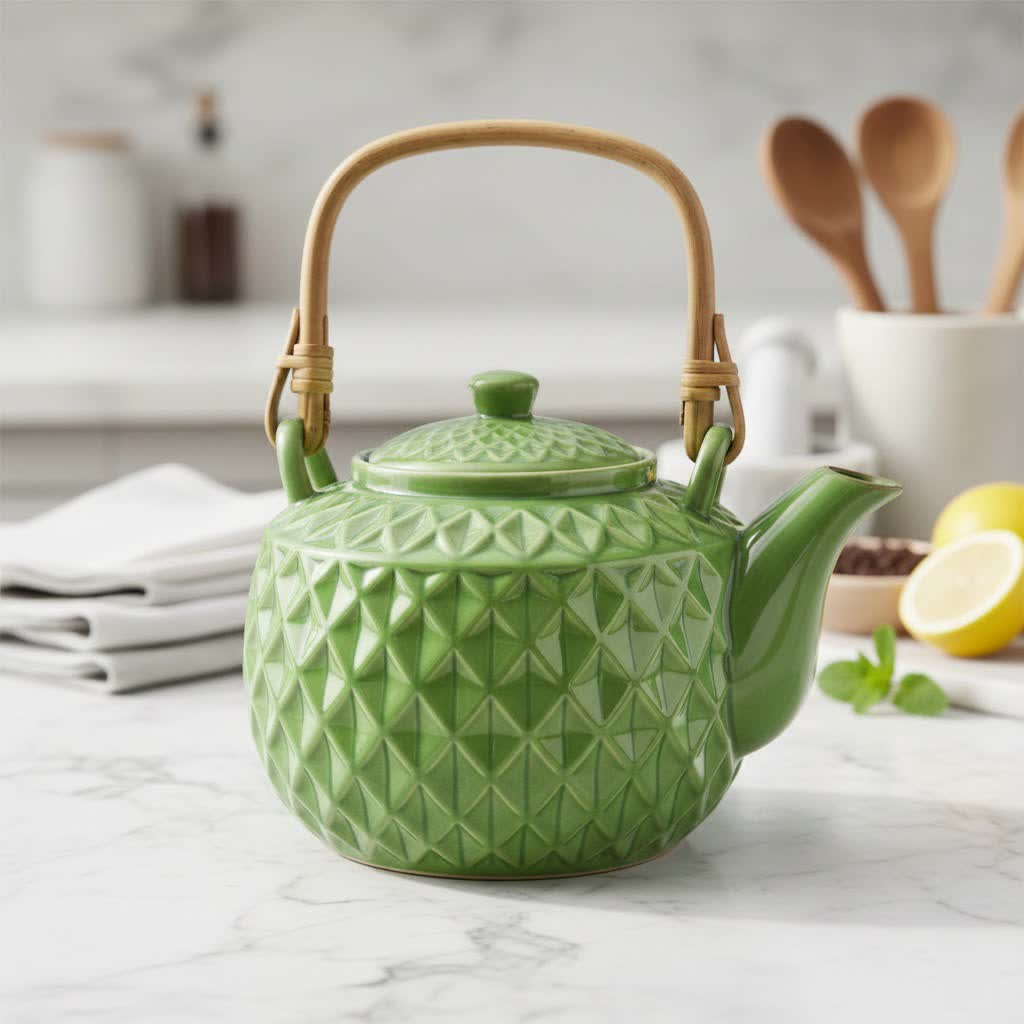
The ritual of brewing and enjoying tea is a cherished experience for many, a moment of calm and contemplation. Yet, the joy can be dampened by the persistent issue of tea stains, lingering flavors, and the effort required to keep teaware pristine. For those seeking a teapot that offers the ultimate in low-maintenance elegance, the concept of “non-stick” in teaware translates directly to effortless cleaning and a consistently fresh taste. This guide will explore the best teapot materials and designs that embody these “non-stick” qualities, helping you choose a vessel that remains as pure as your tea-drinking experience.
Popular Teapot Types and Their “Non-Stick” Qualities
When we talk about “non-stick” in the context of teapots, we’re focusing on materials that naturally resist staining, don’t absorb flavors, and are simple to clean without the need for traditional non-stick coatings found in cookware. These materials ensure your teapot stays immaculate and your tea tastes true. For browse all tea pots articles on this site.
Glass Teapots: Clarity and Effortless Cleaning
Glass teapots offer a unique aesthetic appeal, allowing you to visually appreciate the unfurling of tea leaves and the bloom of herbal infusions. Beyond their beauty, they are remarkably easy to maintain.
- Pros: Glass is non-porous, meaning it does not absorb tea flavors or odors, ensuring a clean taste for every brew. This non-porous surface also makes it highly resistant to staining and exceptionally easy to clean, often being dishwasher safe. The transparency also helps you spot any residue instantly. [cite: 2.2, 2.4, 3.5, 4.2]
- Cons: The primary drawback of glass is its fragility, making it more prone to breakage if mishandled. Additionally, glass typically has lower heat retention compared to other materials, which might require pre-warming the pot for teas that need longer, hotter steeping times. [cite: 3.3, 4.2, 4.4, 4.5]
Glazed Ceramic (Porcelain & Stoneware) Teapots: Versatility and Retention
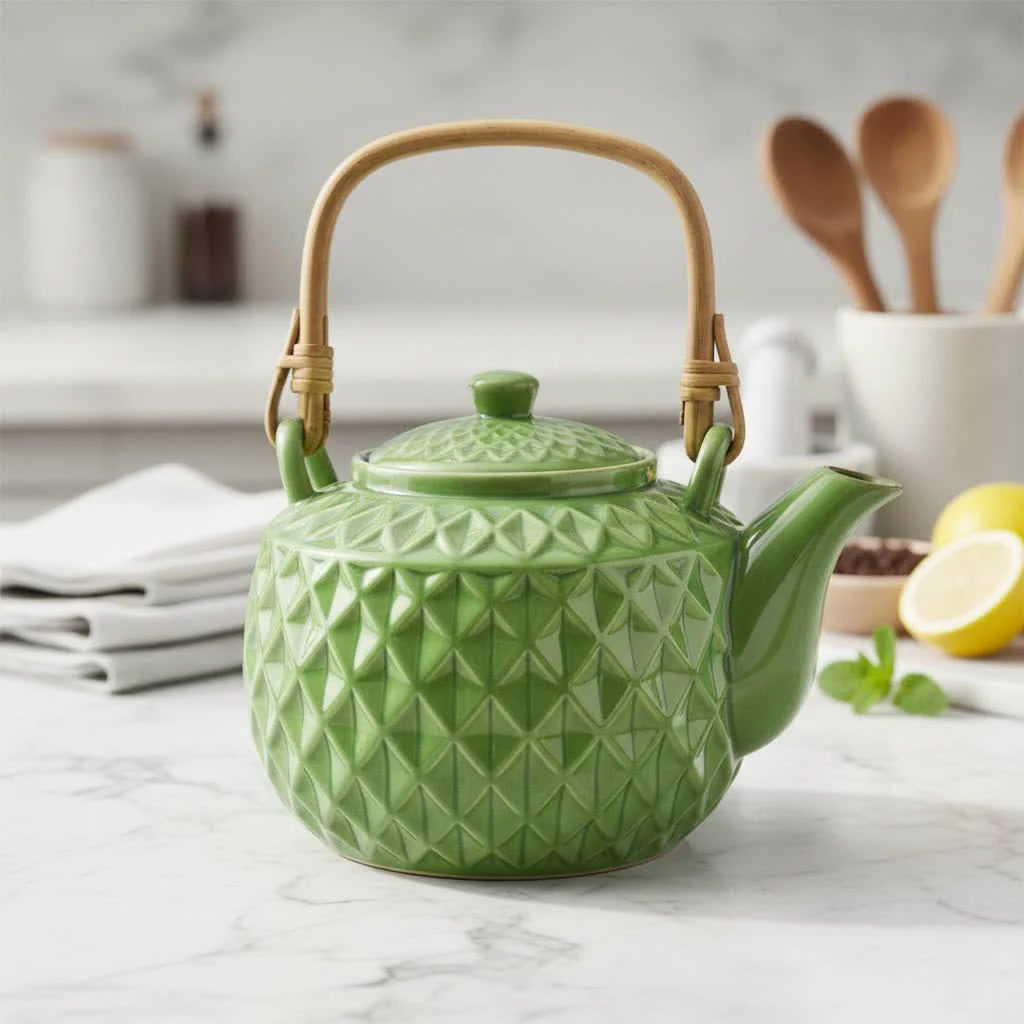
Glazed ceramic teapots, including elegant porcelain and sturdy stoneware, are a cornerstone of tea culture. Their glazed interior is key to their easy-clean properties.
- Pros: The smooth, non-porous glaze on ceramic teapots prevents flavor absorption, making them versatile for brewing various tea types without cross-contamination. They also offer good heat retention, keeping your tea warm for longer. Their diverse range of designs and colors makes them a popular aesthetic choice, and the glazed surface simplifies cleaning, with many being dishwasher safe. [cite: 2.1, 2.2, 3.1, 4.3, 4.4, 4.5]
- Cons: While durable, ceramic teapots can chip or crack if dropped or subjected to sudden temperature changes. It’s also crucial to choose reputable brands to ensure the glaze is lead and cadmium-free, especially for older or cheaper models. [cite: 2.1, 4.4]
Stainless Steel Teapots: Durability and Modernity
|
Our Picks for the Best Tea Pot in 2026
As an Amazon Associate I earn from qualifying purchases.
|
||
| Num | Product | Action |
|---|---|---|
| 1 | Glass Teapot with Infuser 60OZ (1800ml) Stovetop Safe, Clear Glass Tea Pot Kettle, Borosilicate Tea Pot with Infusers Filter for Loose Tea, Tea Kettle Dishwasher Safe |

|
| 2 | HIWARE 1000ml Glass Teapot with Removable Infuser, Stovetop Safe Tea Kettle, Blooming and Loose Leaf Tea Maker Set |
|
| 3 | Primula Stewart Whistling Stovetop Tea Kettle Food Grade Stainless Steel, Hot Water Fast to Boil, Cool Touch Folding, 1.5-Quart, Brushed with Black Handle |
|
| 4 | Amazon Basics Electric Kettle with Glass Carafe for Tea and Coffee, BPA-Free, Fast Boiling, Auto Shut-Off, 1 Liter, 1500W, Glass and Steel |
|
| 5 | Amazon Basics Electric Kettle with Glass Carafe for Tea and Coffee, BPA-Free, Fast Boiling, Auto Shut-Off, 1.7 Liter, 1500W, Black and Silver |
|
| 6 | All-Clad Specialty Stainless Steel Tea Kettle 2 Quart Induction Pots and Pans, Cookware Silver |
|
| 7 | PARACITY Glass Teapot Stovetop 18.6 OZ, Borosilicate Clear Tea Kettle with Removable 18/8 Stainless Steel Infuser, Teapot Blooming and Loose Leaf Tea Maker Tea Brewer for Camping, Travel (550ML) |
|
| 8 | 1500ml(50oz) Glass Teapot with Removable Infuser, Ehugos Stovetop Safe Large Tea Pot, Blooming and Loose Leaf Hand Crafted Kettle for Women and Adult with Stainless Infuser |
|
| 9 | PARACITY Glass Teapot Stovetop 20 OZ/600ml, Tea pot with Removable 18/8 Stainless Steel Infuser, Borosilicate Clear Tea Kettle, Teapot Blooming and Loose Leaf Tea Maker Tea Brewer for Camping, Travel |
|
| 10 | Amazon Basics Electric Stainless Steel Kettle for Tea and Coffee, BPA-Free, Fast Boiling, Auto Shut-Off, 1.7 Liter, 1500W, Black and Silver |
|
While more commonly associated with tea kettles, stainless steel teapots are gaining popularity for their modern look and robust construction.
- Pros: Stainless steel is exceptionally durable, resistant to rust and corrosion, and non-reactive, ensuring it won’t impart flavors to your tea. Its smooth, non-porous surface makes it very easy to clean and maintain, often requiring just a simple rinse and wipe. Stainless steel also boasts good heat retention, keeping your tea warm. [cite: 3.4, 4.5]
- Cons: Some users might find that certain grades of stainless steel can impart a metallic taste, though this is rare with high-quality products. The aesthetic is modern and may not appeal to those seeking a more traditional look.
Electric Teapots: Convenience with Easy-Clean Interiors
Many modern electric teapots combine the convenience of precise temperature control with internal materials that align with “non-stick” principles.
- Pros: Often featuring glass or stainless steel interiors, these teapots offer the same easy-to-clean benefits as their non-electric counterparts. They provide automated heating and sometimes steeping, ideal for busy individuals.
- Cons: The presence of electronic components can make the overall unit less immersed in water for cleaning. They are also less traditional in appearance and may have a shorter lifespan due to electronic wear.
Detailed Comparison Table: Finding Your Perfect Easy-Clean Teapot
Choosing the right teapot involves balancing several factors, with ease of cleaning and maintenance being a top priority for those seeking a “non-stick” experience. Here’s a comparative look at the popular materials:
| Feature | Glass Teapots | Glazed Ceramic Teapots | Stainless Steel Teapots |
|---|---|---|---|
| Material | Borosilicate Glass | Porcelain, Glazed Stoneware | High-grade Stainless Steel (e.g., 18/8, 18/10) |
| Ease of Cleaning | Excellent (non-porous, often dishwasher safe) [cite: 3.5, 4.2] | Excellent (non-porous glaze, often dishwasher safe) [cite: 3.5, 4.3] | Excellent (non-reactive, smooth surface) [cite: 3.4] |
| Stain Resistance | High (if cleaned promptly) [cite: 4.2] | High (due to glaze) [cite: 3.1] | High (rust-resistant) [cite: 3.4] |
| Flavor Absorption | None (non-porous) [cite: 4.2, 4.4] | None (non-porous glaze) [cite: 4.3, 4.4] | None (non-reactive) [cite: 3.4] |
| Heat Retention | Low [cite: 4.2, 4.4, 4.5] | Good [cite: 4.3, 4.4, 4.5] | Good [cite: 4.5] |
| Durability | Moderate (fragile) [cite: 3.3] | Good (can chip/crack) [cite: 4.4] | Excellent [cite: 3.4, 4.5] |
| Aesthetics | Modern, transparent, allows viewing tea | Traditional, varied designs, elegant | Modern, sleek, industrial |
| Price Range | Mid-range | Mid to High-range | Mid to High-range |
It’s important to note that traditional non-stick coatings, like those found in frying pans, are not typically used or recommended for the interior of teapots designed for brewing tea. The “non-stick” benefits in teaware come from the inherent properties of the materials themselves, promoting a truly clean and pure tea experience.
Your Comprehensive Teapot Buying Guide
Navigating the world of teapots can be delightful, but focusing on what truly matters for a “non-stick,” easy-care experience simplifies the choice.
1. Identify Your Brewing Needs
Consider how often you’ll be using the teapot and for what occasions. A small, elegant glass teapot might be perfect for solo afternoon tea, while a larger, durable stainless steel or ceramic option could be better for entertaining. Think about the types of tea you prefer; while non-porous materials are generally versatile, some connoisseurs might have specific preferences.
2. Consider Your Budget
Teapots come in a wide range of price points. While high-quality glass, glazed ceramic, and stainless steel options are available across various budgets, investing in a reputable brand often correlates with better durability and safer materials.
3. Choose the Right Material for “Non-Stick” Benefits
For the ultimate easy-clean experience, prioritize teapots made from glass, glazed ceramic (porcelain or stoneware), or high-grade stainless steel. These materials are inherently non-porous, preventing tea from staining or leaving behind residual flavors. Avoid unglazed clay teapots if ease of cleaning and flavor neutrality are your top priorities, as these are designed to absorb tea essence over time, which is the opposite of a “non-stick” property.
4. Check for Quality and Safety
Always look for teapots from reputable manufacturers. For ceramic teapots, confirm that the glaze is certified lead and cadmium-free to ensure your health and safety. Good craftsmanship is evident in a well-fitting lid, a sturdy handle, and a spout that pours without dripping. A well-designed spout, perhaps with a slight indentation, can facilitate a steady, non-spilling stream. [cite: 2.2]
5. Evaluate Design and Ergonomics
Beyond material, consider the teapot’s overall design. Is the handle comfortable and insulated? Is the lid secure? Does the spout pour efficiently without drips? These small details significantly impact your daily tea-making pleasure.
Top Reputable Teapot Brands
While specific brand recommendations fall outside the scope of this general guide, recognizing what makes a brand reputable is key. Look for manufacturers known for:
- Quality Materials: Brands that clearly state the type and grade of their materials (e.g., borosilicate glass, 18/8 stainless steel, lead-free glazes). For instance, ceramic brands like Xtrema emphasize being free from PFOAs and non-stick coatings for their teaware, focusing on pure ceramic. [cite: 2.1]
- Craftsmanship: Attention to detail in manufacturing, ensuring durability and a pleasant user experience.
- Safety Certifications: Adherence to international safety standards, especially concerning food-grade materials and non-toxic glazes.
- Positive Customer Reviews: A consistent track record of customer satisfaction is a strong indicator of a trustworthy brand.
Essential Tips for Teapot Usage and Care
Even the most “non-stick” friendly teapots benefit from proper care to ensure their longevity and maintain their pristine condition.
1. Proper Cleaning for Lasting Luster
- Immediate Rinse: The golden rule for preventing stains is to rinse your teapot thoroughly with hot water immediately after each use. This washes away most tea residues before they can set. [cite: 3.5]
- Gentle Washing: For glass, glazed ceramic, and stainless steel teapots, a mild dish soap and a soft sponge are usually sufficient. Avoid harsh abrasive cleaners or scrubbers, which can scratch surfaces, especially glass or delicate glazes. [cite: 3.5]
- Natural Stain Removal: For any stubborn tea stains that may accumulate over time in non-porous teapots, natural remedies are highly effective. A paste made from baking soda and a little water, or a soak with lemon juice or white vinegar diluted in hot water, can work wonders. Allow it to sit for a while, then rinse thoroughly. [cite: 3.2, 3.5]
- Thorough Drying: Always ensure your teapot is completely dry before storing it. Air-drying with the lid off or wiping with a soft cloth prevents water spots, mineral buildup, and any potential mildew, especially in the lid and spout areas. [cite: 3.5]
2. Extend Lifespan and Preserve Quality
- Temperature Caution: For glass teapots, avoid extreme and sudden temperature changes, such as pouring boiling water into a cold pot or vice-versa, to prevent thermal shock and cracking.
- Careful Handling: While durable, ceramic teapots can chip if knocked. Handle with care, especially around the spout and rim.
- Material-Specific Care: If your teapot includes an enamel coating (often found in cast iron for rust prevention), avoid metal utensils that could scratch the surface.
3. Understanding Specialized Teapots
It’s worth noting that some traditional teapots, like unglazed Yixing clay pots, are intentionally porous. They are designed to absorb the essence of the tea over time, enhancing its flavor profile with repeated use. These require specialized care, typically just a rinse with hot water and no detergents, and are often dedicated to a single type of tea. They represent the opposite of the “non-stick” concept, but offer a unique brewing experience for connoisseurs.
> “A good teapot is not merely a vessel; it’s a silent partner in the art of tea, demanding thoughtful selection and care.” – Admin, ReviewedHW.com
Conclusion
The pursuit of a “non-stick tea pot” leads us to a fascinating understanding of materials and their properties. While literal non-stick coatings are not a feature of quality teaware for brewing, the desire for an easy-to-clean, stain-resistant, and flavor-neutral teapot is perfectly met by intelligently choosing materials like glass, glazed ceramic, and stainless steel. Each offers distinct advantages, from the visual appeal and pristine clarity of glass to the classic elegance and heat retention of ceramic, and the modern durability of stainless steel. By prioritizing these materials and adopting simple cleaning practices, you can ensure your teapot remains a joy to use, brew after brew, allowing the true essence of your tea to shine through without any lingering distractions.
What’s your ideal balance between aesthetics, heat retention, and the sheer ease of maintaining a spotless teapot?
Frequently Asked Questions
What is the best material for an easy-to-clean teapot?
The best materials for an easy-to-clean teapot are non-porous options like borosilicate glass, glazed ceramic (porcelain or stoneware), and high-grade stainless steel. These materials resist staining and flavor absorption, making them simple to rinse and wipe clean, often suitable for dishwashers. [cite: 3.5, 4.2, 4.3, 4.4]
Are non-stick coated teapots safe?
Traditional non-stick coatings (like Teflon with PTFE) are generally not used or recommended for the interior of teapots designed for brewing tea. While modern non-stick coatings are PFOA-free, concerns about chemical release at high temperatures or chipping make them unsuitable for teaware where only water and tea come into contact with the surface. Focus on naturally non-porous materials for safety and easy cleaning. [cite: 1.1, 1.2, 1.3]
How do I prevent tea stains in my teapot?
To prevent tea stains, always rinse your teapot thoroughly with hot water immediately after each use. For non-porous materials like glass or glazed ceramic, occasional cleaning with a baking soda paste, lemon juice, or white vinegar can remove stubborn stains and restore its pristine appearance. [cite: 3.5]
Can I use any teapot for all types of tea?
For most teas, non-porous teapots made of glass, glazed ceramic, or stainless steel are highly versatile and can be used for various tea types without flavor carryover. However, specialized porous teapots like unglazed Yixing clay are typically “seasoned” for one type of tea to enhance its specific flavor. [cite: 3.5, 4.3, 4.4]
How often should I clean my teapot?
It is recommended to rinse your teapot with hot water immediately after every use. A deeper clean with mild soap or natural stain removers should be performed regularly, depending on usage frequency, to prevent mineral buildup and maintain optimal hygiene and taste purity.
Get our weekly buyer guide
Practical specs, not advice. Unsubscribe anytime.
