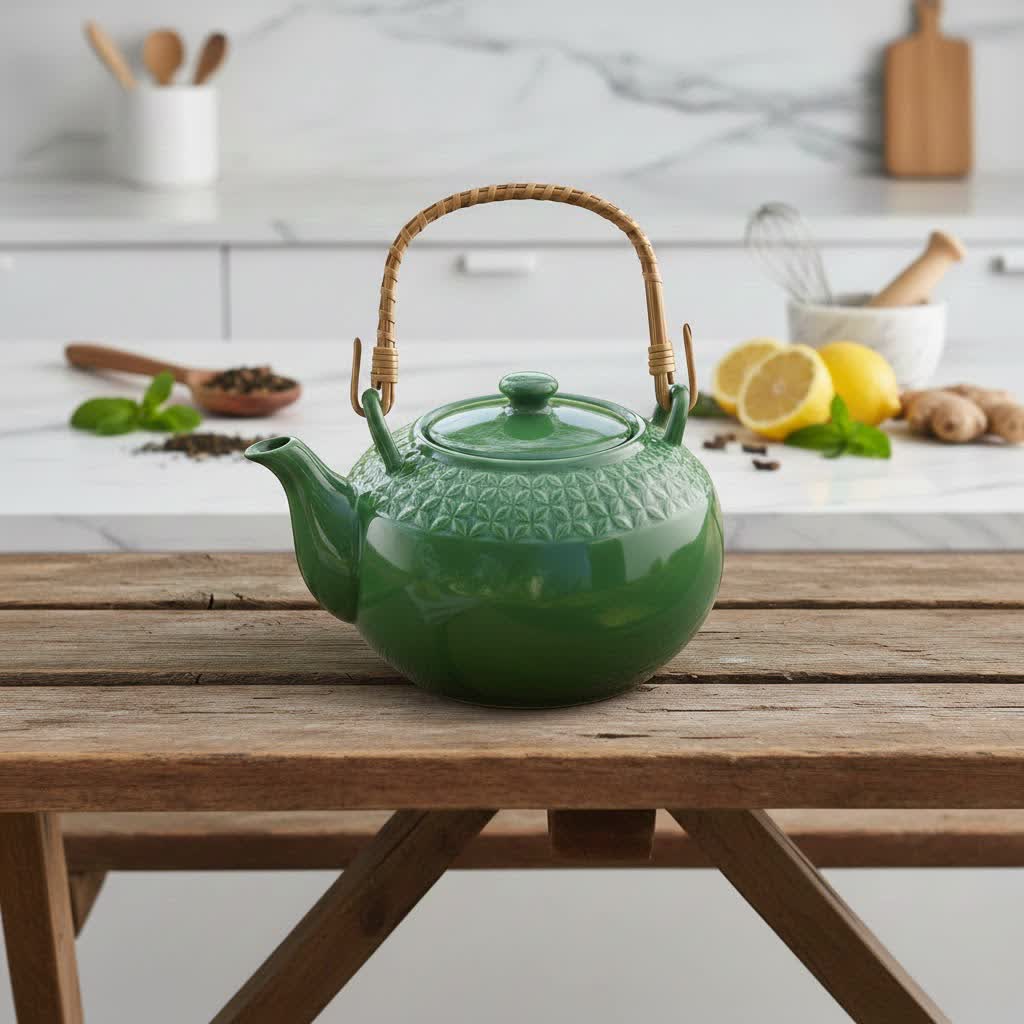
The gentle clinking of glasses, the rich aroma of steeped black tea, and the warm hum of a samovar are quintessential sounds of Persian hospitality. At the heart of this cherished ritual lies the Persian teapot, a vessel that is far more than just a brewing tool. It is a symbol of connection, a piece of art, and a testament to centuries of rich cultural heritage. From intimate family gatherings to elaborate celebrations, the Persian teapot orchestrates moments of warmth and conversation, embodying the very soul of Iranian tea culture. If you’re looking to delve into this beautiful tradition, understanding the nuances of these magnificent teapots is your first step towards unlocking an authentic Persian tea experience.
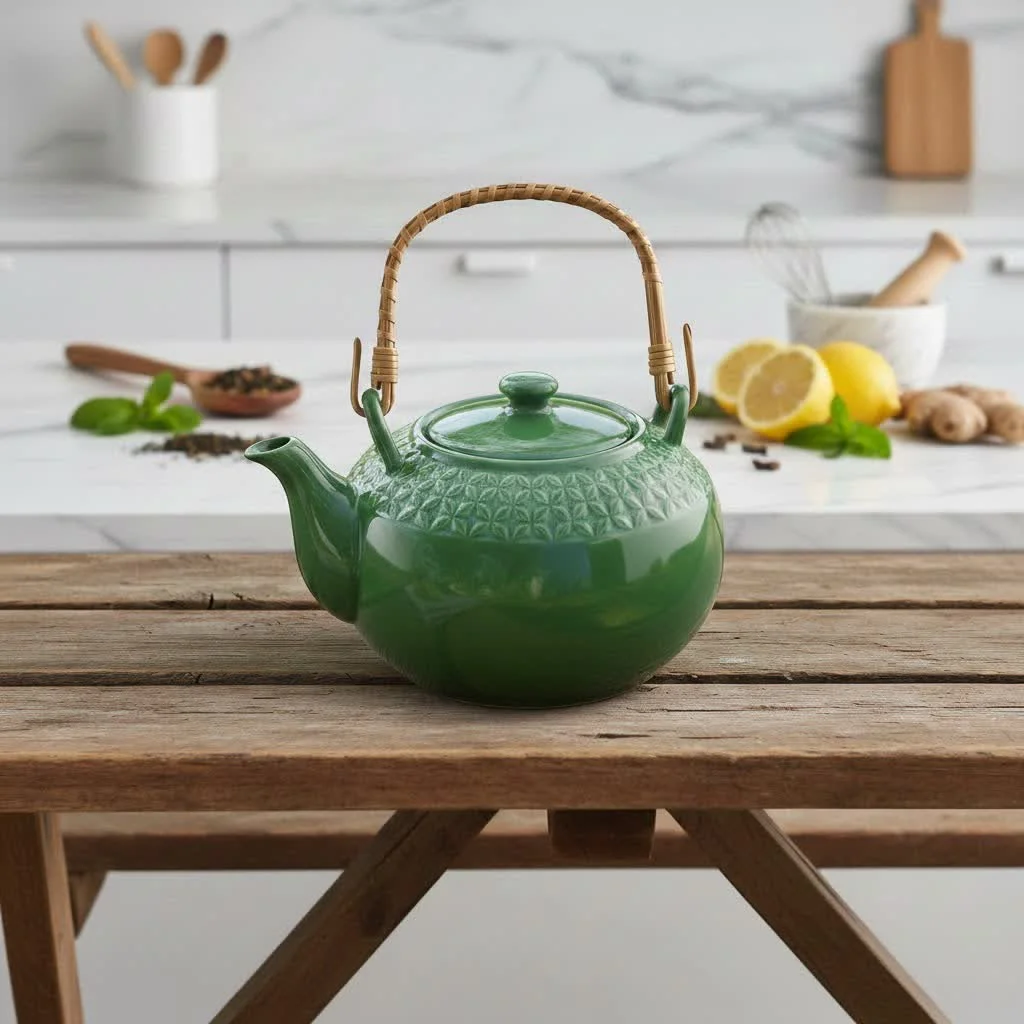
The Heart of Persian Tea Culture: More Than Just a Beverage
In Iran, tea, or “chai,” is deeply woven into the fabric of daily life and social interaction. It’s not merely a drink but a gesture of welcome, an invitation to linger, and a catalyst for storytelling. Every day, from dawn till dusk, Iranians enjoy numerous cups of black tea, transforming routine moments into opportunities for connection and relaxation. This tradition, influenced by the ancient Silk Road and Russian tea cultures, emphasizes warmth, hospitality, and shared moments. The preparation and serving of tea are thoughtful processes, reflecting a culture that values patience, artistry, and genuine human interaction. A good Persian teapot, therefore, is not just equipment; it’s a conduit for this profound cultural narrative. For see our tea pots recommendations on this site.
Understanding Persian Teaware: Quri, Ketri, and Samovar
To truly appreciate the Persian tea pot, it’s essential to understand its role within the traditional brewing system, which often involves a distinct set of vessels: the samovar, the ketri, and the quri.
The Samovar: The Centerpiece of Persian Tea
The samovar is the grand and stately heart of the Persian tea ceremony. Originating from Russia, but adopted and refined with unique Iranian designs, it’s a large metal urn primarily used to boil and keep water hot continuously. Traditional samovars were charcoal-fueled, imparting a subtle smoky flavor to the water, while modern versions are electric, offering convenience without sacrificing the ritual. The samovar often features a ring on top where the teapot (quri) is placed, allowing the tea to brew gently and stay warm. It stands as a symbol of generosity, ever-ready to offer endless cups of tea to guests.
The Ketri: The Kettle for Boiling Water
The ketri is essentially a tea kettle, typically crafted from copper, brass, or stainless steel. It functions to boil water, much like any standard kettle. In many traditional setups, the quri (teapot) sits directly on top of the ketri, using the rising steam and heat to gently brew and warm the tea concentrate. This dual-layer system is a hallmark of Persian tea preparation, ensuring that the tea remains consistently warm and flavorful.
The Quri (Teapot): For Brewing Concentrated Tea
|
Our Picks for the Best Tea Pot in 2026
As an Amazon Associate I earn from qualifying purchases.
|
||
| Num | Product | Action |
|---|---|---|
| 1 | Amazon Basics Electric Stainless Steel Kettle for Tea and Coffee, BPA-Free, Fast Boiling, Auto Shut-Off, 1.7 Liter, 1500W, Black and Silver |

|
| 2 | Glass Teapot with Infuser 60OZ (1800ml) Stovetop Safe, Clear Glass Tea Pot Kettle, Borosilicate Tea Pot with Infusers Filter for Loose Tea, Tea Kettle Dishwasher Safe |
|
| 3 | PARACITY Glass Teapot Stovetop 20 OZ/600ml, Tea pot with Removable 18/8 Stainless Steel Infuser, Borosilicate Clear Tea Kettle, Teapot Blooming and Loose Leaf Tea Maker Tea Brewer for Camping, Travel |
|
| 4 | Amazon Basics Electric Kettle with Glass Carafe for Tea and Coffee, BPA-Free, Fast Boiling, Auto Shut-Off, 1.7 Liter, 1500W, Black and Silver |
|
| 5 | Amazon Basics Electric Kettle with Glass Carafe for Tea and Coffee, BPA-Free, Fast Boiling, Auto Shut-Off, 1 Liter, 1500W, Glass and Steel |
|
| 6 | HIWARE 1000ml Glass Teapot with Removable Infuser, Stovetop Safe Tea Kettle, Blooming and Loose Leaf Tea Maker Set |
|
| 7 | All-Clad Specialty Stainless Steel Tea Kettle 2 Quart Induction Pots and Pans, Cookware Silver |
|
| 8 | 1500ml(50oz) Glass Teapot with Removable Infuser, Ehugos Stovetop Safe Large Tea Pot, Blooming and Loose Leaf Hand Crafted Kettle for Women and Adult with Stainless Infuser |
|
| 9 | Primula Stewart Whistling Stovetop Tea Kettle Food Grade Stainless Steel, Hot Water Fast to Boil, Cool Touch Folding, 1.5-Quart, Brushed with Black Handle |
|
| 10 | PARACITY Glass Teapot Stovetop 18.6 OZ, Borosilicate Clear Tea Kettle with Removable 18/8 Stainless Steel Infuser, Teapot Blooming and Loose Leaf Tea Maker Tea Brewer for Camping, Travel (550ML) |
|
The quri is the actual teapot where the loose black tea leaves are steeped to create a concentrated brew, known as “chai-e porrang” (strong tea). Unlike a western teapot which might contain both water and tea ready for pouring, the quri holds only the strong tea concentrate. This concentrate is then diluted to taste with hot water from the samovar or ketri when serving. This method allows each drinker to customize the strength of their tea, a testament to Persian hospitality. Traditionally, porcelain or ceramic teapots are preferred for brewing the quri, as they are believed to impart the best flavor and retain heat effectively. Metallic teapots are generally avoided for brewing the tea itself, although metal is common for the kettles and samovars.
Types of Persian Teapots by Material
While the larger kettles and samovars come in various metals, the quri, or brewing teapot, is typically made from specific materials chosen for their heat retention and impact on flavor.
-
Porcelain and Ceramic Teapots: These are the most traditional and widely favored materials for Persian quris. Porcelain offers a delicate elegance and excellent heat retention, ensuring the tea brews perfectly without metallic interference. Ceramic teapots, often slightly thicker, also excel at retaining heat and come in a wide array of artistic designs, from simple glazed finishes to elaborately hand-painted patterns. They are prized for their ability to allow the tea’s true flavor to shine.
-
Glass Teapots: A more modern choice, glass teapots offer a visual delight. Watching the amber liquid deepen in color as the tea brews is an aesthetic pleasure. While they may not retain heat as effectively as porcelain or ceramic, their transparency is appreciated by many contemporary tea lovers.
-
Cast Iron Teapots: Though less traditional for Persian tea specifically, some modern enthusiasts use cast iron teapots for their exceptional heat retention and durability. If chosen, ensure it’s lined to prevent metallic taste from affecting the delicate tea flavors.
The Artistry and Aesthetics of Persian Teapots
Beyond their functional purpose, Persian teapots are revered as exquisite works of art, reflecting centuries of rich artistic traditions. The craftsmanship involved is often a generational inheritance, passed down through skilled artisans.
-
Minakari Teapots: Minakari, or enameling, is an ancient Persian art form rooted in the Sassanian era, perfected during the Safavid period. These teapots, typically crafted from copper, are adorned with vibrant enamel colors and intricate patterns, often featuring floral motifs and delicate arabesques. Each piece is a breathtaking fusion of artistry and practicality, transforming the simple act of brewing tea into a luxurious experience.
-
Firoozeh Koobi Teapots: This unique art involves meticulously inlaying small pieces of turquoise stone onto copper or brass vessels. The striking contrast between the radiant turquoise and the gleaming metal creates an exquisite Persian tea service that exudes elegance and symbolism, as turquoise is highly valued in Persian culture for its beauty and associations with protection and tranquility.
-
Engraved Metal Teapots: While primarily used for kettles (ketri) or samovars, beautifully engraved copper and brass teapots and pitchers are also part of Persian teaware, often used for serving water or as decorative pieces. Their surfaces are etched with elaborate floral patterns, calligraphic designs, and geometric motifs, reflecting the intricate artistry seen in Persian architecture and textiles.
-
Shah Abbasi Patterns and Floral Motifs: These classic design elements are prevalent across various types of Persian teapots, particularly ceramic and porcelain ones. Named after Shah Abbas I, whose reign saw a flourishing of Persian arts, these patterns symbolize the enduring beauty and sophistication of Persian aesthetics.
How to Choose Your Perfect Persian Tea Pot
Selecting a Persian tea pot is a personal journey, balancing tradition, function, and aesthetic appeal. Consider these factors to find the perfect addition to your tea ritual:
- Determine Your Purpose: Are you seeking a teapot primarily for authentic brewing (a quri), a decorative piece, or a complete tea set including a samovar or kettle (ketri)? Your intended use will guide your material and style choices.
- Material Matters:
- For brewing the tea concentrate (quri), porcelain or ceramic are traditional and ideal for flavor.
- For boiling water (ketri or samovar), copper, brass, or stainless steel are excellent choices for durability and heat conductivity.
- Consider Size: Teapots come in various capacities. Think about how many people you typically serve tea to. Smaller quris are perfect for individual enjoyment, while larger ones cater to family gatherings and guests.
- Embrace Authenticity and Craftsmanship: Many Persian teapots are handmade, each carrying the unique touch of an artisan. Look for reputable sources that value traditional craftsmanship. An authentic piece tells a story and enhances the cultural experience.
- Set Your Budget: Prices can vary significantly, from affordable everyday teapots to antique, intricately adorned art pieces. Decide what you’re willing to invest based on your priorities.
- Aesthetic Appeal: Persian teapots are renowned for their beauty. Choose a design that resonates with your personal style and complements your home décor, whether it’s the vibrant hues of Minakari, the serene elegance of Firoozeh Koobi, or classic floral patterns.
Brewing and Serving Persian Tea: A Time-Honored Ritual
The act of brewing and serving Persian tea is a ritual rich in tradition and subtle artistry. It’s an experience that engages all senses and fosters connection.
Tea Preparation
Start with high-quality black tea, traditionally sourced from the Caspian Sea region of Iran, Ceylon, or India. Some methods involve a quick rinse of the tea leaves with cold or hot water before brewing to “wake them up.” Place the loose tea leaves into your quri (teapot).
Brewing Process
Boil water in your ketri or samovar. Once boiling, pour a small amount of this hot water over the tea leaves in the quri, just enough to cover them and create a strong concentrate. Then, place the quri directly on top of the ketri or on the warming plate of the samovar. This gentle heat allows the tea to steep slowly and deeply for about 10-15 minutes, developing its signature rich color and robust flavor. Many Iranians cover the quri with a clean towel to trap the heat and enhance the brewing process.
Serving with Grace
Persian tea is traditionally served in small, clear “estekân kamar bârik” (thin-waisted glasses) with saucers. These clear glasses allow you to appreciate the beautiful amber-to-dark-red color of the tea. Never fill the glass to the brim; typically, about one-third of the glass is filled with the strong tea concentrate from the quri, and the remaining two-thirds are filled with hot water from the samovar/ketri, allowing guests to adjust the strength to their preference (chai porrang for strong, chai kamrang for lighter).
The Sweet Customs and Flavorings
A hallmark of Persian tea serving is the accompaniment of sugar cubes (ghand). Instead of stirring sugar into the tea, it is customary to hold a sugar cube between your front teeth and sip the tea through it, allowing the sweetness to dissolve gently. Milk or lemon are rarely, if ever, added to Persian black tea. For an enhanced sensory experience, many add a pinch of cardamom pods, a few strands of saffron, or dried rose petals to the tea leaves in the quri before brewing, infusing the tea with their aromatic essences. Dates, dried mulberries, or traditional sweets are also common accompaniments.
Care and Maintenance for Longevity
To ensure your Persian teapot remains a cherished part of your home for years to come, proper care is essential, varying slightly by material.
- Porcelain and Ceramic Teapots (Quri): These are generally easy to clean. Rinse with warm water after each use. For stubborn tea stains, a gentle scrub with a soft brush and a solution of baking soda and water can be effective. Avoid harsh abrasives or strong detergents that could damage delicate glazes or hand-painted designs.
- Glass Teapots: Wash with warm, soapy water and a soft sponge. Be cautious of sudden temperature changes, which can cause glass to crack.
- Copper and Brass Kettles/Samovars: These metals can naturally tarnish over time, developing a beautiful patina. If you prefer a polished look, use a specialized metal cleaner designed for copper or brass, following the product instructions carefully. Avoid abrasive pads that can scratch the surface or intricate engravings. For daily cleaning, warm soapy water is sufficient.
- General Tips: Always allow your teapot to cool completely before washing. Store teapots in a safe place where they won’t be easily knocked over or scratched, especially those with delicate artwork.
Conclusion
The Persian tea pot is more than just a kitchen utensil; it’s a profound cultural artifact that bridges the past with the present. It embodies the warmth of Iranian hospitality, the richness of its artistic traditions, and the simple pleasure of shared moments. Whether you choose a beautifully enameled Minakari quri, a sturdy copper samovar, or a delicate porcelain brewing pot, you are investing in a piece of history and a tradition that transforms everyday tea drinking into a meaningful ritual. Embracing the Persian tea pot is an invitation to slow down, connect, and savor the enduring elegance of a culture steeped in warmth and generosity.
What story will your Persian teapot tell?
Frequently Asked Questions
What is the best material for a Persian teapot?
For brewing the tea concentrate (the “quri”), porcelain and ceramic are traditionally considered the best materials as they retain heat well and do not impart any metallic taste, allowing the tea’s natural flavors to shine. For the water boiling kettle or samovar (“ketri” or “samovar”), copper, brass, or stainless steel are preferred for their durability and heat conductivity.
What is a samovar used for in Persian tea culture?
A samovar is a large metal urn primarily used to boil and continuously keep water hot. It often serves as the central heating element in a Persian tea set, with the smaller teapot (quri) placed on top to gently steep the tea concentrate, ensuring a consistently warm and flavorful brew for guests.
Can I use a regular teapot for Persian tea?
While a traditional Persian teapot (quri) is usually porcelain or ceramic and designed to sit on a heat source, you can use any non-metallic teapot that allows for proper loose leaf steeping and can maintain warmth. The key is to brew a strong concentrate that can then be diluted with hot water.
How is Persian tea traditionally served?
Persian tea is traditionally served in small, clear, thin-waisted glasses called “estekân kamar bârik.” The strong tea concentrate is poured into the glass, then diluted with hot water to the drinker’s preference. It is typically enjoyed black, often by holding a sugar cube (ghand) between the teeth and sipping the tea through it, rather than adding milk or lemon.
How do I clean a copper Persian teapot?
For daily cleaning, wash with warm, soapy water and a soft sponge. If your copper teapot (which is typically a ketri or samovar, not the quri) tarnishes and you prefer a shiny finish, use a specialized copper cleaner according to the product instructions. Avoid abrasive materials that can scratch the metal or intricate engravings.
Get our weekly buyer guide
Practical specs, not advice. Unsubscribe anytime.

I’ve been using a traditional samovar for years, but I wanted a smaller, more manageable option for everyday use. This guide helped me pick out a lovely glass Persian teapot that’s perfect for my morning chai. It’s beautiful to watch the tea steep, and it pours so smoothly. My only minor quibble is that the handle can get a little warm if I’m not careful, but it’s a small trade-off for the aesthetic.
I’ve always been fascinated by different tea cultures, and the Persian teapot really caught my eye. I finally invested in a beautiful ceramic one, and it’s truly elevated my afternoon tea ritual. The way it keeps the tea warm for so long is fantastic, and it just feels so special to use. Definitely recommend for anyone wanting to add a touch of elegance to their brewing.
I was excited to try a Persian teapot after reading about their cultural significance. I got one with an intricate design, and it looks stunning on my counter. However, I found that cleaning the narrow spout was a bit more challenging than I expected, especially after brewing strong black tea. It’s a beautiful piece, but the maintenance is a slight drawback for me.
My family has always used Persian teapots for our gatherings, and I recently bought my own to carry on the tradition. The quality of the one I chose is exceptional, and it truly embodies the spirit of Iranian tea culture. It’s not just a teapot; it’s a centerpiece that sparks conversation and brings warmth to any occasion. I’m so glad I finally have one of my own.