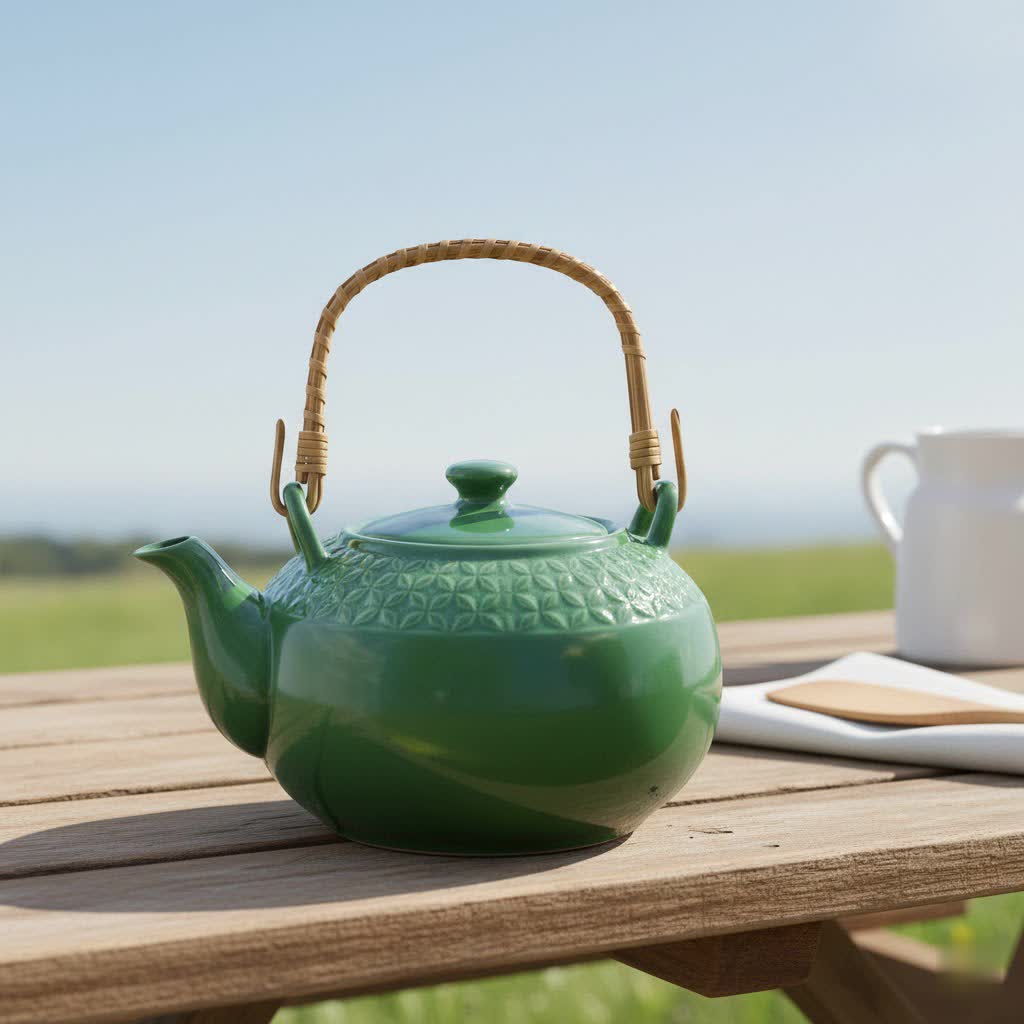
The inviting warmth of a steaming cup of tea holds a special place in cultures worldwide, but few traditions are as rich and captivating as Russian tea drinking. At the heart of this beloved ritual lies the Russian tea pot, an iconic vessel that is far more than a simple appliance. It’s a symbol of hospitality, community, and centuries of history, creating a unique tea experience that lingers in memory long after the last sip. If you’ve ever wondered about the distinctive allure of Russian tea, understanding its central piece, the samovar, is the perfect starting point. This guide will take you through its fascinating history, explore the different types available today, and help you choose the ideal Russian tea pot to bring this cherished tradition into your own home.
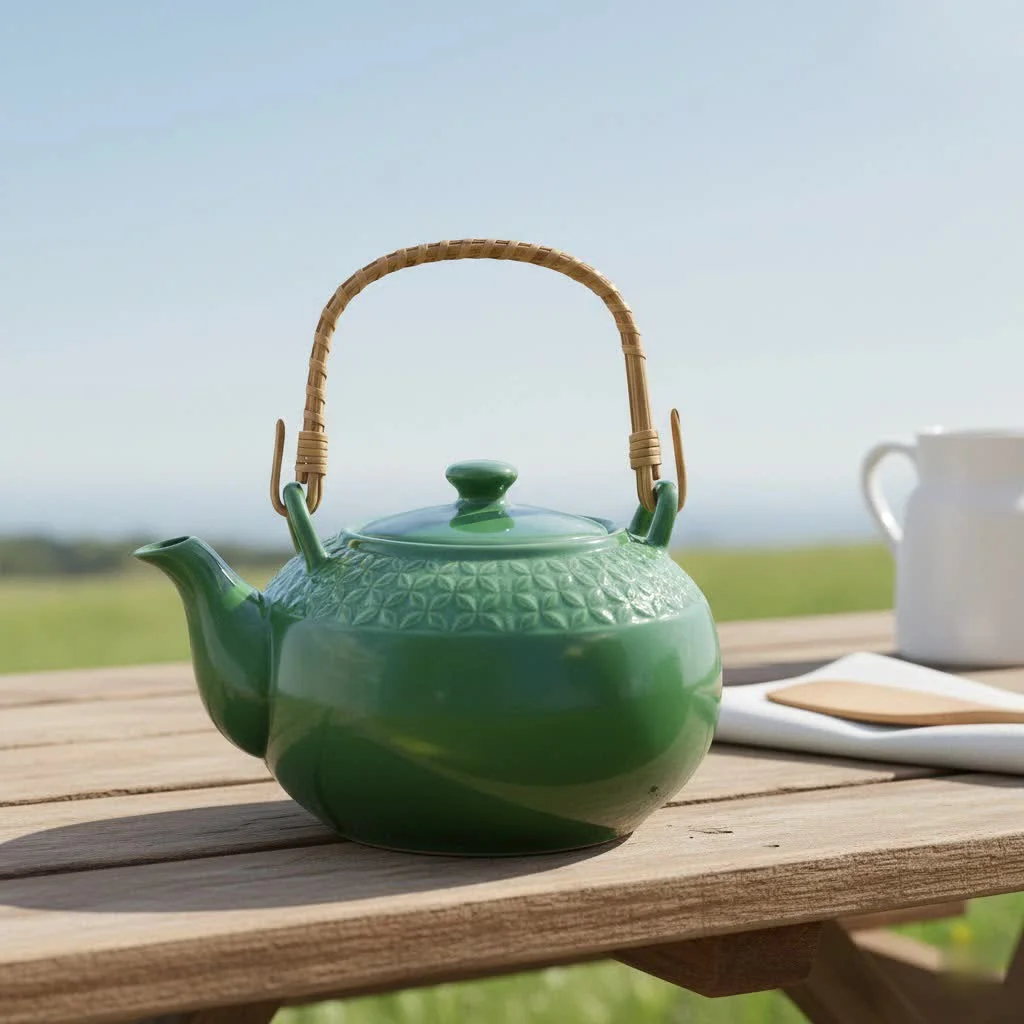
Understanding the Russian Tea Pot: More Than Just a Kettle
When people refer to a “Russian tea pot,” they are most often thinking of the samovar (самовар). This magnificent metal urn, whose name literally translates to “self-boiler” (from sam meaning “self” and varit meaning “to boil”), is a quintessential element of Russian households. Its primary function is to boil water, but it goes beyond a typical kettle by serving as a constant source of hot water for tea, fostering an environment of continuous conversation and conviviality. For see our tea pots recommendations on this site.
A Rich History Forged in Tradition
The samovar’s story begins in 18th-century Russia, emerging as a clever hybrid of earlier European water heaters and local sbitenniks (vessels for a traditional spiced drink). Initially, these self-boilers were crafted from copper, and their popularity quickly spread across all social strata, from the Tsar’s palace to humble peasant homes. The city of Tula, renowned for its skilled metalworkers, quickly became the epicentre of samovar production, with “Tula samovar” becoming a mark of quality and artistry. By the 19th century, the samovar had firmly cemented its place in Russian tea culture, symbolizing warmth, generosity, and the joyful act of gathering. The phrase “to have a sit by the samovar” encapsulates the essence of leisurely conversation and connection over tea.
Exploring the Types of Russian Tea Pots
The world of Russian tea pots encompasses both the grand samovar and the smaller teapots (known as zavarniks) used in conjunction with them. Each type offers a distinct aesthetic and functionality, catering to different preferences and traditions.
Traditional Samovars (Fuel-Based)
For those seeking an authentic, historical experience, traditional fuel-based samovars are the ultimate choice. These venerable vessels are designed to heat water using internal fuel sources, providing a unique ambiance and flavour profile to the tea.
- Charcoal/Wood-Fired Samovars: These are the most iconic traditional samovars, heated by burning charcoal or wood kindling in a vertical pipe that runs through the centre of the water reservoir. A chimney placed atop the pipe ensures proper draft. Made from robust metals like brass, copper, bronze, or even iron, these samovars excel at heat retention and infuse the air with a subtle, comforting aroma. They require a bit more effort to operate but reward users with an unparalleled sense of tradition and a remarkably smooth, hot brew.
- Kerosene Samovars: Historically, some samovars were designed to use kerosene as fuel, offering a different method of temperature control. While less common today, they represent another facet of the samovar’s evolution.
Modern Electric Samovars
|
Our Picks for the Best Tea Pot in 2026
As an Amazon Associate I earn from qualifying purchases.
|
||
| Num | Product | Action |
|---|---|---|
| 1 | HIWARE 1000ml Glass Teapot with Removable Infuser, Stovetop Safe Tea Kettle, Blooming and Loose Leaf Tea Maker Set |

|
| 2 | Primula Stewart Whistling Stovetop Tea Kettle Food Grade Stainless Steel, Hot Water Fast to Boil, Cool Touch Folding, 1.5-Quart, Brushed with Black Handle |
|
| 3 | All-Clad Specialty Stainless Steel Tea Kettle 2 Quart Induction Pots and Pans, Cookware Silver |
|
| 4 | Amazon Basics Electric Kettle with Glass Carafe for Tea and Coffee, BPA-Free, Fast Boiling, Auto Shut-Off, 1.7 Liter, 1500W, Black and Silver |
|
| 5 | PARACITY Glass Teapot Stovetop 20 OZ/600ml, Tea pot with Removable 18/8 Stainless Steel Infuser, Borosilicate Clear Tea Kettle, Teapot Blooming and Loose Leaf Tea Maker Tea Brewer for Camping, Travel |
|
| 6 | Amazon Basics Electric Stainless Steel Kettle for Tea and Coffee, BPA-Free, Fast Boiling, Auto Shut-Off, 1.7 Liter, 1500W, Black and Silver |
|
| 7 | Amazon Basics Electric Kettle with Glass Carafe for Tea and Coffee, BPA-Free, Fast Boiling, Auto Shut-Off, 1 Liter, 1500W, Glass and Steel |
|
| 8 | Glass Teapot with Infuser 60OZ (1800ml) Stovetop Safe, Clear Glass Tea Pot Kettle, Borosilicate Tea Pot with Infusers Filter for Loose Tea, Tea Kettle Dishwasher Safe |
|
| 9 | PARACITY Glass Teapot Stovetop 18.6 OZ, Borosilicate Clear Tea Kettle with Removable 18/8 Stainless Steel Infuser, Teapot Blooming and Loose Leaf Tea Maker Tea Brewer for Camping, Travel (550ML) |
|
| 10 | 1500ml(50oz) Glass Teapot with Removable Infuser, Ehugos Stovetop Safe Large Tea Pot, Blooming and Loose Leaf Hand Crafted Kettle for Women and Adult with Stainless Infuser |
|
Blending classic Russian design with contemporary convenience, electric samovars have become increasingly popular. They offer the same cherished tea ritual without the need for open flames or fuel management.
- Convenience and Safety: Electric samovars function much like an electric kettle but retain the distinctive samovar shape and often feature an integrated teapot stand. Constructed typically from stainless steel or glass, they boast features such as automatic shut-off, boil-dry protection, and precise temperature control. This makes them exceptionally user-friendly, allowing you to enjoy Russian tea with minimal fuss and maximum safety. They are ideal for everyday use or for those who appreciate the aesthetic without the maintenance of a traditional model.
The Zavarnik (Tea Concentrate Pot)
Integral to the Russian tea ceremony is the zavarnik, the smaller teapot that traditionally sits atop the samovar. This teapot is where the zavarka, a strong tea concentrate, is brewed and kept warm by the rising heat from the samovar below.
- Purpose and Placement: The zavarnik’s role is to produce a potent tea essence. Its placement on the samovar ensures the concentrate remains hot and ready for dilution.
- Materials: Zavarniks are commonly made from ceramic, porcelain, or glass.
- Ceramic and Porcelain Teapots: These materials are excellent for heat retention, ensuring the zavarka stays piping hot and intensely flavourful. They often come adorned with traditional Russian folk art, adding to the aesthetic appeal of the tea set.
- Glass Teapots: While perhaps not as traditional as ceramic, glass zavarniks allow for visual appreciation of the steeping zavarka, letting you monitor the tea’s strength as it brews. They are also easy to clean and do not absorb flavours.
Craftsmanship and Materials: What Makes Them Unique
The construction and materials of a Russian tea pot are central to its performance, durability, and visual appeal, each contributing to its unique character.
Samovar Materials
The choice of material for a samovar profoundly impacts its heating characteristics, longevity, and overall aesthetic.
- Brass: A traditional choice, brass samovars are known for their classic elegance and excellent heat retention. They develop a beautiful patina over time, adding to their antique charm.
- Copper: Highly prized for its superior thermal conductivity, copper heats up quickly and evenly. Copper samovars often feature a rustic yet refined appearance.
- Stainless Steel: A popular material for modern electric samovars, stainless steel is renowned for its durability, resistance to corrosion, and ease of maintenance. It offers a sleek, contemporary look.
- Silver and Iron: Historically, samovars were also crafted from silver for the affluent, and sometimes iron, each offering different levels of prestige and practical qualities.
Teapot (Zavarnik) Materials
The material of the zavarnik is chosen for its ability to steep tea effectively and complement the samovar.
- Glass: Offers transparency to observe the brewing process, though it may not retain heat as effectively as ceramic or porcelain.
- Ceramic/Porcelain: These materials are fantastic at retaining heat, which is crucial for maintaining the zavarka‘s potency. They are often beautifully decorated, reflecting Russian artistry.
Design & Aesthetics
Russian tea pots are often true works of art. Their bodies can take various shapes—urns, kraters, barrels, cylinders, or spheres—each contributing to a distinctive silhouette. Many feature intricate engravings, delicate tap handles shaped like twigs or dolphins, and other decorative elements that tell a story of craftsmanship and cultural heritage. The city of Tula, in particular, was famed for its ornate and influential samovar designs.
Brewing the Perfect Russian Tea: A Step-by-Step Guide
The Russian tea ceremony is a delightful practice, centering on the strong tea concentrate (zavarka) and the hot water from the samovar.
- Prepare the Samovar: Fill the large reservoir of your samovar with fresh water. If it’s a traditional model, add charcoal or wood to the internal pipe and ignite it. For an electric samovar, simply plug it in and set it to boil.
- Brew the Zavarka: While the water in the samovar heats, place your loose-leaf black tea (a strong blend is traditional) into the zavarnik teapot. Once the samovar water boils, pour a small amount of this boiling water into the zavarnik to create a highly concentrated brew. Place the zavarnik on the samovar’s top ring to keep it warm and allow it to steep for at least 10-15 minutes, or longer for a stronger concentrate.
- Dilute and Serve: To serve, pour a small amount of the strong zavarka concentrate into a teacup or glass. Then, dilute it to your preferred strength by adding hot water directly from the samovar’s spigot.
- Enhance the Experience: Russian tea is traditionally served with accompaniments such as sugar, a slice of lemon, or a spoonful of fruit jam (often raspberry or cherry), which adds a delightful sweetness and complexity.
“A samovar is not just a device; it is the soul of Russian hospitality, inviting all to partake in warmth and conversation.” – Dr. Anya Petrova, Historian of Slavic Culture
Choosing Your Ideal Russian Tea Pot
Selecting the perfect Russian tea pot involves considering your lifestyle, aesthetic preferences, and how you intend to use it.
- Capacity: For personal use or a small family, a samovar with a 1 to 3-litre capacity is often sufficient. If you plan to entertain guests frequently, a larger 3 to 6-litre model will ensure there’s always enough hot water for everyone.
- Fuel Type: Decide between the authentic ritual of a traditional, fuel-based samovar (charcoal/wood) for a truly immersive experience, or the ease and safety of a modern electric samovar for everyday convenience.
- Material & Durability: Consider the material for both the samovar and the zavarnik. Brass and copper offer classic beauty and excellent heat retention, while stainless steel provides modern durability and low maintenance. Ceramic and porcelain zavarniks are ideal for robust tea brewing and aesthetic appeal.
- Brand Reputation: Research reputable manufacturers. Historical brands like those from Tula maintain a legacy of craftsmanship, while modern brands such as SAKI are known for innovative electric models. Look for quality construction and reliable features.
- Safety Features: Especially for electric models, ensure features like automatic shut-off and boil-dry protection are included for peace of mind.
Care and Maintenance for Longevity
Proper care will ensure your Russian tea pot remains a cherished item for years to come.
- Cleaning Your Samovar: Regularly descale your samovar, especially if you live in an area with hard water, to prevent mineral buildup and ensure efficient heating. For traditional metal samovars, gentle polishing with appropriate cleaners will maintain their lustre. Always follow the manufacturer’s instructions.
- Caring for Your Teapot (Zavarnik): Wash the zavarnik after each use to prevent tea stains and residue. Ceramic and porcelain teapots can be gently hand-washed.
- Storage Tips: Store your samovar in a dry place to prevent rust or tarnishing. If it’s an heirloom piece, consider a display cabinet where it can be admired while protected.
Conclusion
The Russian tea pot, particularly the iconic samovar, is more than just a means to boil water; it is a profound cultural emblem, a testament to enduring craftsmanship, and an invitation to a unique and heartwarming tea experience. From the historical charm of a charcoal-fired brass samovar to the sleek efficiency of a modern electric model, each offers a gateway to the rich traditions of Russian hospitality. By understanding the types, materials, and brewing methods, you can select the perfect Russian tea pot to gather loved ones, share stories, and create unforgettable moments. Why not embrace this timeless tradition and let the warmth of a Russian tea pot enrich your home and your life?
Frequently Asked Questions
What is the difference between a samovar and a regular teapot?
A samovar is primarily a large urn designed to heat and dispense hot water, often continuously. A regular teapot, on the other hand, is a vessel specifically used for steeping tea leaves. In the Russian tradition, a small teapot (zavarnik) typically sits on top of the samovar to brew a strong tea concentrate, which is then diluted with hot water from the samovar.
What kind of tea is best for a Russian tea pot?
Traditionally, strong black teas are preferred for brewing zavarka in a Russian tea pot, as the concentrate is meant to be diluted. Popular choices include robust blends like Assam, Ceylon, or a classic Russian Caravan. Herbal teas can also be brewed as a secondary concentrate alongside black tea.
How often should I clean my samovar?
The frequency of cleaning depends on usage and water hardness. For optimal performance and taste, descale your samovar every few months or as needed to remove mineral deposits, especially if you notice reduced heating efficiency. The teapot (zavarnik) should be rinsed after every use.
Are electric samovars as authentic as traditional ones?
While traditional charcoal or wood-fired samovars offer a deeply authentic historical experience, electric samovars provide modern convenience without sacrificing the core ritual of Russian tea drinking. They maintain the distinct design and the method of brewing a concentrate and diluting it with hot water, making them a perfectly valid and popular way to enjoy Russian tea today.
Can I use a samovar for things other than tea?
Yes, a samovar primarily functions as a hot water dispenser. While its cultural significance is tied to tea, you can certainly use the hot water for coffee, other hot beverages, or anything else requiring a large, continuous supply of hot water. However, the top teapot is typically reserved for tea concentrate.
Get our weekly buyer guide
Practical specs, not advice. Unsubscribe anytime.

I appreciated the breakdown of the different types of samovars available. I ended up getting an electric one for convenience, and it works great for my daily tea. The tea always tastes perfectly brewed, and it’s a lovely way to enjoy a cup. I’m still getting used to the concentrated brew, but it’s a unique experience.
I was excited to try a samovar after reading about the tradition, but I found the initial setup a bit more complicated than I expected. The instructions for my specific model weren’t super clear, and it took a while to get the hang of it. Once it’s going, it’s nice to have hot water on demand, but I wish the learning curve was a little smoother.
This really captured the essence of Russian hospitality that I’ve heard about. I bought a traditional charcoal samovar, and while it requires a bit more effort, the flavor of the tea is just incredible. It’s become a wonderful ritual for my family on weekends, and everyone loves the unique experience. Definitely worth the investment for an authentic touch.
I’ve always been fascinated by Russian tea culture, and this guide really helped me understand the samovar. I finally took the plunge and bought one, and it’s truly transformed my tea time. The continuous hot water is a game-changer for entertaining, and it looks absolutely stunning on my dining table. It’s more than just a kettle; it’s a centerpiece.