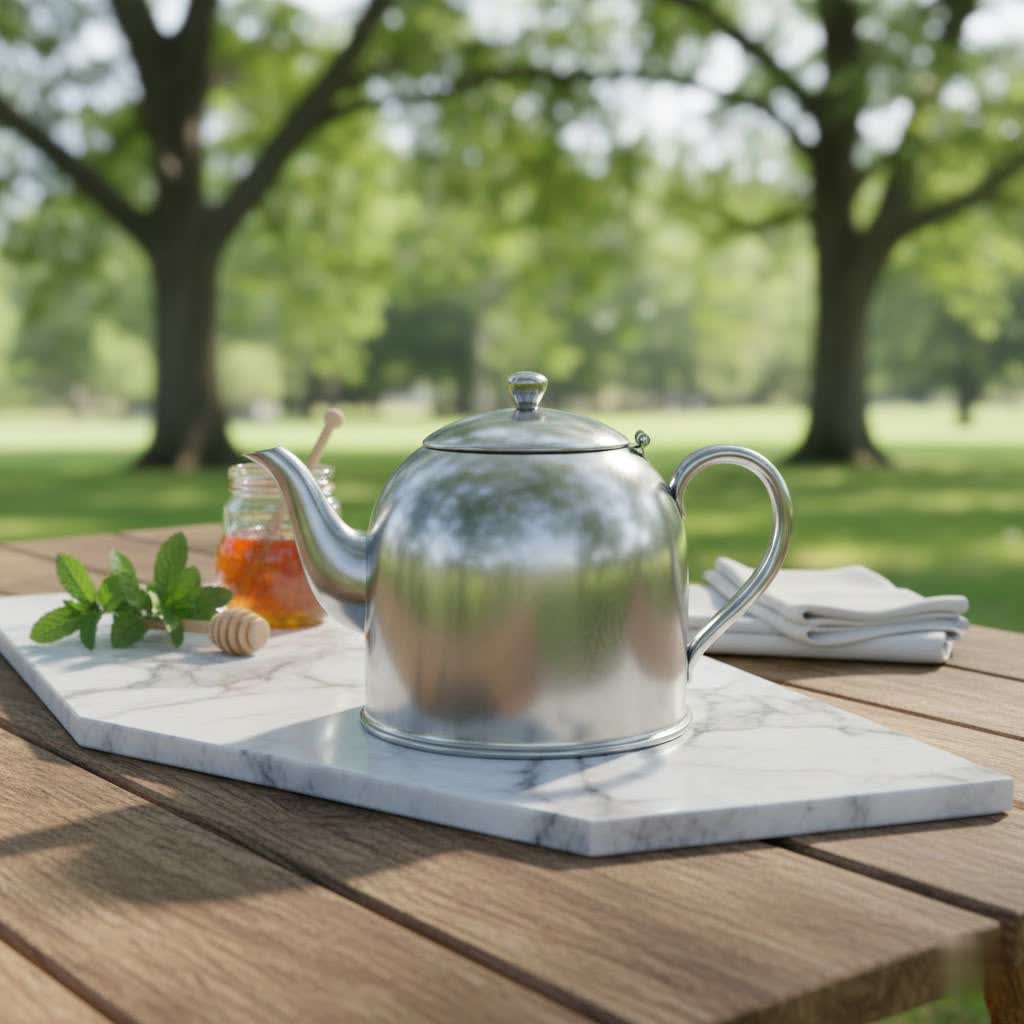
Choosing the perfect tea boiler pot significantly enhances the brewing experience, impacting water quality, heat retention, and flavor. The ideal pot depends on individual preferences for material, aesthetics, convenience, and safety, with popular options including glass, ceramic, stainless steel, cast iron, and electric models. For example, electric kettles offer rapid boiling and precise temperature control, making them a top choice for daily tea drinkers who value speed and accuracy.
Exploring Popular Tea Boiler Pot Types
The market offers a diverse range of tea boiler pots, each with unique characteristics that appeal to different users. Understanding these types is the first step in finding your ideal brewing companion.
Glass Tea Boiler Pots
Glass tea boiler pots are celebrated for their elegant transparency, allowing you to witness the mesmerizing dance of water coming to a boil. They are often made from borosilicate glass, known for its thermal shock resistance.
- Pros:
- Purity of Taste: Glass is non-reactive, ensuring that no metallic or plastic tastes leach into your water, preserving the pure flavor of your tea.
- Visual Appeal: The clear design makes them visually stunning, especially when brewing flowering teas or watching water boil.
- Easy to Clean: Their smooth, non-porous surface makes them simple to rinse and maintain.
- Cons:
- Fragility: Glass is inherently more delicate than metal or ceramic and can break if dropped or subjected to extreme temperature changes without proper care.
- Heat Retention: They typically do not retain heat as well as other materials, meaning your water might cool down faster.
Ceramic and Porcelain Tea Boiler Pots
Ceramic and porcelain tea boiler pots bring a touch of artistry and tradition to your tea brewing. These materials, including stoneware, are beloved for their aesthetic versatility and excellent thermal properties.
- Pros:
- Exceptional Heat Retention: Ceramic and porcelain are excellent insulators, keeping your water hot for extended periods, which is ideal for leisurely tea sessions.
- Aesthetic Diversity: Available in a vast array of colors, glazes, and intricate designs, they can double as decorative kitchen pieces.
- Non-Reactive Surface: Like glass, they do not impart flavors into your water, ensuring a clean taste profile. Look for lead-free and cadmium-free glazes for safety.
- Cons:
- Slower Heating: Due to their thicker walls and insulating properties, they can take longer to bring water to a boil.
- Heaviness and Breakability: While durable, they can be heavy and are susceptible to chipping or breaking if handled carelessly.
Stainless Steel Tea Boiler Pots
Stainless steel tea boiler pots are a modern kitchen staple, prized for their durability, sleek appearance, and practical performance. They are a popular choice for both stovetop and electric kettle designs.
- Pros:
- Durability and Longevity: Highly resistant to rust, corrosion, and everyday wear and tear, stainless steel pots are built to last.
- Efficient Heat Conduction: They heat up relatively quickly and evenly, making them efficient for boiling water.
- Easy Maintenance: Stainless steel is straightforward to clean and requires minimal special care.
- Safety: Food-grade stainless steel (like 304 or 316) is considered safe and non-reactive.
- Cons:
- Potential for Metallic Taste: Lower quality stainless steel or prolonged boiling can sometimes impart a faint metallic taste to the water, though this is rare with good quality pots.
- Hot Handles: Stovetop models can have handles that become hot, requiring a pot holder.
Cast Iron Tea Boiler Pots
|
Our Picks for the Best Tea Pot in 2026
As an Amazon Associate I earn from qualifying purchases.
|
||
| Num | Product | Action |
|---|---|---|
| 1 | PARACITY Glass Teapot Stovetop 18.6 OZ, Borosilicate Clear Tea Kettle with Removable 18/8 Stainless Steel Infuser, Teapot Blooming and Loose Leaf Tea Maker Tea Brewer for Camping, Travel (550ML) |

|
| 2 | Glass Teapot with Infuser 60OZ (1800ml) Stovetop Safe, Clear Glass Tea Pot Kettle, Borosilicate Tea Pot with Infusers Filter for Loose Tea, Tea Kettle Dishwasher Safe |
|
| 3 | Amazon Basics Electric Kettle with Glass Carafe for Tea and Coffee, BPA-Free, Fast Boiling, Auto Shut-Off, 1.7 Liter, 1500W, Black and Silver |
|
| 4 | Amazon Basics Electric Stainless Steel Kettle for Tea and Coffee, BPA-Free, Fast Boiling, Auto Shut-Off, 1.7 Liter, 1500W, Black and Silver |
|
| 5 | HIWARE 1000ml Glass Teapot with Removable Infuser, Stovetop Safe Tea Kettle, Blooming and Loose Leaf Tea Maker Set |
|
| 6 | Amazon Basics Electric Kettle with Glass Carafe for Tea and Coffee, BPA-Free, Fast Boiling, Auto Shut-Off, 1 Liter, 1500W, Glass and Steel |
|
| 7 | Primula Stewart Whistling Stovetop Tea Kettle Food Grade Stainless Steel, Hot Water Fast to Boil, Cool Touch Folding, 1.5-Quart, Brushed with Black Handle |
|
| 8 | All-Clad Specialty Stainless Steel Tea Kettle 2 Quart Induction Pots and Pans, Cookware Silver |
|
| 9 | 1500ml(50oz) Glass Teapot with Removable Infuser, Ehugos Stovetop Safe Large Tea Pot, Blooming and Loose Leaf Hand Crafted Kettle for Women and Adult with Stainless Infuser |
|
| 10 | PARACITY Glass Teapot Stovetop 20 OZ/600ml, Tea pot with Removable 18/8 Stainless Steel Infuser, Borosilicate Clear Tea Kettle, Teapot Blooming and Loose Leaf Tea Maker Tea Brewer for Camping, Travel |
|
Originating from ancient traditions, particularly in Japan (known as “tetsubin”), cast iron tea boiler pots are renowned for their robust nature and impressive heat retention capabilities.
- Pros:
- Superior Heat Retention: Cast iron holds heat exceptionally well, keeping your water hot long after it’s removed from the heat source.
- Durability: These pots are incredibly sturdy and can last for generations with proper care.
- Traditional Aesthetic: Their classic, substantial appearance adds a touch of timeless elegance to any kitchen or tea ceremony.
- Cons:
- Heavy: Cast iron pots are considerably heavier than other types, which can make handling more cumbersome.
- Slower to Heat: They take a longer time to reach boiling temperature due to their density.
- Maintenance: Unless enameled, cast iron can rust if not properly dried and cared for after use.
Electric Tea Boiler Pots (Kettles)
Modern living often calls for convenience, and electric tea boiler pots, often referred to as electric kettles, deliver precisely that. They have revolutionized how many people boil water for tea.
- Pros:
- Speed and Efficiency: Electric kettles typically boil water much faster than stovetop models.
- Precision Temperature Control: Many advanced models offer variable temperature settings, allowing you to heat water to the exact degree required for different tea types (e.g., green tea needs cooler water than black tea).
- Automatic Shut-Off: A safety feature that turns the kettle off once water reaches boiling point or if it runs dry.
- Convenience: Simply plug in, fill, and press a button, no stovetop required.
- Cons:
- Reliance on Electricity: Not suitable for areas without power or during power outages.
- Counter Space: Requires dedicated counter space and an available outlet.
- Lifespan: Electronic components may have a shorter lifespan compared to purely mechanical stovetop models.
- Material Variation: Interiors can be glass, stainless steel, or plastic, so it’s important to check for food-grade, non-toxic materials.
Detailed Comparison: Choosing Your Perfect Tea Boiler Pot
To help you visualize the differences, here’s a detailed comparison table of the most common tea boiler pot materials:
| Feature | Glass | Ceramic/Porcelain | Stainless Steel | Cast Iron | Electric Kettles (Interior) |
|---|---|---|---|---|---|
| Material | Borosilicate Glass | Glazed Ceramic, Porcelain, Stoneware | Food-Grade Stainless Steel (304/316) | Enameled or Bare Cast Iron | Glass, Stainless Steel, sometimes Plastic |
| Durability | Fragile, susceptible to thermal shock | Durable, but can chip or break | Highly durable, rust-resistant | Extremely durable, long-lasting | Varies by interior material; electronic components |
| Heat Retention | Moderate, cools relatively quickly | Excellent, keeps water hot for long | Good, maintains heat well | Superior, retains heat longest | Varies by interior material and insulation |
| Heating Speed | Fast | Slow to Moderate | Fast | Slowest | Very Fast |
| Price Range | Moderate to High | Moderate to High | Low to Moderate | Moderate to High | Low to High (features vary) |
| Aesthetic | Modern, transparent, visual brewing | Traditional, artistic, wide variety | Sleek, modern, minimalist | Rustic, traditional, substantial | Modern, functional |
| Safety Notes | Non-reactive, pure taste | Non-reactive (ensure lead/cadmium-free) | Non-reactive (ensure food-grade) | Non-reactive (especially enameled) | Ensure food-grade interior, BPA-free plastic |
| Maintenance | Easy to clean, careful handling needed | Easy to clean, careful handling needed | Easy to clean, occasional descaling | Requires specific seasoning/drying for bare iron; easy for enameled | Easy to clean, descaling needed |
Your Guide to Buying the Right Tea Boiler Pot
Making the right choice involves more than just picking a material; it’s about aligning the pot with your personal tea habits and kitchen setup.
1. Determine Your Usage Needs
Before you start browsing, consider how you intend to use your tea boiler pot.
- Daily Tea Drinker? An electric kettle for speed or a durable stainless steel stovetop model might be ideal.
- Hostess for Tea Parties? A ceramic or cast iron pot with excellent heat retention and aesthetic appeal would be suitable.
- Specific Tea Types? If you brew delicate teas needing precise temperatures, an electric kettle with variable temperature control is a major upgrade.
- Just Boiling Water? A simple, efficient electric or stovetop kettle is sufficient.
- Brewing and Serving? Some pots are designed for both, like many glass or ceramic teapots with infusers.
2. Set Your Budget
Tea boiler pots come in a wide price range. While a higher price often indicates better quality materials and features, excellent options exist across all budget points. Decide how much you’re willing to invest, keeping in mind that a durable, high-quality pot can be a long-term investment.
3. Choose the Right Material
Refer back to the detailed comparison.
- For purity and aesthetics: Glass or high-quality ceramic.
- For durability and efficiency: Stainless steel.
- For superior heat retention and a traditional feel: Cast iron.
- For speed and convenience: Electric (with a preferred interior material like glass or stainless steel).
4. Check for Quality and Safety
This is paramount.
- For Ceramics/Porcelain: Always ensure the glaze is certified lead and cadmium-free. Reputable brands will provide this information.
- For Stainless Steel: Look for “food-grade” stainless steel, specifically 18/8 (304) or 18/10 (316) designations, which indicate higher nickel and chromium content for better corrosion resistance.
- For Electric Kettles: If it contains plastic components, ensure they are BPA-free. Look for reputable certifications.
- Construction: Inspect for sturdy handles, well-fitting lids, and seamless construction, especially where different materials join.
5. Research Brands and Suppliers
A reputable brand often means better quality control, customer service, and adherence to safety standards. Read reviews and look for brands known for their commitment to quality tea ware. While specific brand recommendations can vary based on region and current models, some globally recognized names in tea accessories and kitchenware often include:
- Bodum: Known for glass and French press designs.
- Cuisinart, KitchenAid: Popular for electric kettles and general kitchen appliances.
- Le Creuset, Staub: While primarily known for cookware, they offer high-quality enameled cast iron.
- FORLIFE, Hario: Brands specializing in tea and coffee accessories, often featuring glass and ceramic.
Always check the latest reviews for specific models, as product quality can evolve.
Usage and Maintenance Tips for Your Tea Boiler Pot
Proper care extends the life of your tea boiler pot and ensures consistently delicious tea.
How to Clean Your Tea Boiler Pot Properly
- Regular Rinsing: After each use, rinse your pot with warm water.
- Gentle Soap: For a deeper clean, use a mild dish soap and a soft sponge. Avoid abrasive scrubbers, especially on glass, ceramic, or enameled surfaces.
- Descaling: Mineral deposits (limescale) can build up, especially in electric kettles or areas with hard water.
- Vinegar Method: Fill the pot with equal parts white vinegar and water. Bring to a boil (or let sit for an hour for stovetop pots), then rinse thoroughly several times.
- Lemon Juice/Citric Acid: Similar to vinegar, these natural acids can break down scale.
- Avoid Harsh Chemicals: Never use bleach or strong chemical cleaners, which can damage the material or leave harmful residues.
How to Store Your Tea Boiler Pot
- Dry Completely: Ensure the pot is completely dry before storing to prevent water spots, mineral buildup, or rust (for bare cast iron).
- Ventilated Area: Store in a well-ventilated cabinet or on a countertop to prevent moisture trapping.
- Protect Fragile Materials: For glass or ceramic, store in a spot where it won’t be easily knocked over or hit by other items.
Important Notes for Usage
- Avoid Overfilling: Never fill your tea boiler pot past its maximum fill line to prevent boiling water from overflowing.
- Heat Appropriately: For stovetop models, match the burner size to the pot’s base to ensure even heating and prevent handle damage.
- Handle with Care: Always use oven mitts or a pot holder for stovetop tea pots, as handles can get very hot.
- Mind the Temperature: If your electric kettle has variable temperature settings, utilize them for optimal tea brewing.
“A good tea boiler pot is more than just a tool; it’s an experience, a blend of tradition and innovation that elevates every cup.”
Conclusion
Choosing the ideal tea boiler pot is a personal journey, influenced by your preferences for material, aesthetics, convenience, and safety. From the visual charm of glass to the enduring warmth of cast iron, the swift efficiency of stainless steel, or the smart features of an electric model, each type offers distinct advantages. By considering your needs, understanding the unique characteristics of each material, and prioritizing quality and safety, you can select a tea boiler pot that not only enhances your daily tea ritual but also serves as a cherished piece in your kitchen for years to come. What kind of tea memories will your perfect tea boiler pot help you create?
Frequently Asked Questions
Which tea boiler pot material is best for health?
The healthiest materials for a tea boiler pot are generally non-reactive options like borosilicate glass, food-grade stainless steel (304 or 316), and ceramics with certified lead-free and cadmium-free glazes. These materials prevent harmful chemicals or metallic tastes from leaching into your water, ensuring a pure and safe brew.
What is the difference between a tea kettle and a tea pot?
While often used interchangeably, a “tea kettle” (or tea boiler pot) is primarily designed for boiling water, usually on a stovetop or electrically. A “tea pot,” on the other hand, is generally used for brewing and serving tea, where pre-boiled water is poured over tea leaves. Many modern designs, especially electric ones, integrate both functions.
How do I prevent limescale buildup in my tea boiler pot?
To prevent limescale, regularly descale your tea boiler pot using natural acids like white vinegar or lemon juice. Mix equal parts water and vinegar, bring it to a boil (or let it sit), then rinse thoroughly. Consistent rinsing after each use and using filtered water can also help reduce mineral deposits.
Is an electric tea boiler pot worth it?
Yes, an electric tea boiler pot is often worth it for its speed, convenience, and precision. Many models offer rapid boiling and variable temperature control, which is excellent for brewing different types of tea that require specific temperatures. They also typically feature automatic shut-off for safety.
Can I use a cast iron tea boiler pot on an induction stove?
Yes, most cast iron tea boiler pots are suitable for induction cooktops because cast iron is a ferromagnetic material. However, always check the manufacturer’s specifications to ensure compatibility, especially for older or particularly delicate enameled models.
Frequently Asked Questions
Which tea boiler pot material is considered the healthiest option?
The healthiest materials for a tea boiler pot are non-reactive options like borosilicate glass, food-grade stainless steel (specifically 304 or 316), and ceramics with certified lead-free and cadmium-free glazes. These materials ensure that no harmful chemicals or metallic tastes leach into your water, preserving the purity and safety of your brew.
What is the key difference between a tea kettle and a tea pot?
A tea kettle, also known as a tea boiler pot, is primarily designed for boiling water, typically on a stovetop or using electricity. In contrast, a tea pot is generally used for brewing and serving tea, where pre-boiled water is poured over tea leaves. Many modern designs, especially electric ones, integrate both boiling and brewing functions.
How can I effectively prevent limescale buildup in my tea boiler pot?
To prevent limescale, regularly descale your tea boiler pot using natural acids such as white vinegar or lemon juice. A common method involves filling the pot with equal parts water and vinegar, bringing it to a boil (or letting it sit for an hour for stovetop pots), and then rinsing thoroughly several times. Consistent rinsing after each use and using filtered water can also significantly reduce mineral deposits.
Is investing in an electric tea boiler pot a worthwhile decision?
Yes, an electric tea boiler pot is often a worthwhile investment due to its speed, convenience, and precision. Many models offer rapid boiling and variable temperature control, which is excellent for brewing different types of tea that require specific temperatures. Additionally, they typically feature automatic shut-off for enhanced safety.
Can cast iron tea boiler pots be used on an induction stove?
Yes, most cast iron tea boiler pots are suitable for induction cooktops because cast iron is a ferromagnetic material, which interacts with the induction field. However, it is always recommended to check the manufacturer's specifications to confirm compatibility, especially for older or particularly delicate enameled models, to ensure safe and efficient use.
How to Choose the Right Tea Boiler Pot
Selecting the perfect tea boiler pot involves considering your usage needs, budget, preferred material, and safety features. Follow these steps to make an informed decision.
Consider how often you'll use the pot and for what purpose. A daily tea drinker might prefer an electric kettle for speed, while someone hosting tea parties might prioritize a ceramic or cast iron pot for heat retention and aesthetics. If precise temperatures are needed for specific tea types, an electric kettle with variable control is ideal.
Tea boiler pots vary widely in price. Decide how much you are willing to invest, keeping in mind that higher-quality, durable pots can be a long-term investment. Excellent options are available across all budget points, so align your spending with your expected usage and desired features.
Refer to a detailed comparison of materials. Glass or high-quality ceramic are best for purity and aesthetics, stainless steel for durability and efficiency, cast iron for superior heat retention and a traditional feel, and electric kettles (with glass or stainless steel interiors) for speed and convenience.
This is paramount for any tea boiler pot. For ceramics, ensure glazes are certified lead and cadmium-free. For stainless steel, look for food-grade 18/8 (304) or 18/10 (316) designations. If electric, confirm plastic components are BPA-free and inspect for sturdy construction and well-fitting lids.
Opt for reputable brands known for quality control, customer service, and adherence to safety standards. Read recent reviews for specific models, as product quality can change. Brands like Bodum, Cuisinart, Le Creuset, and Hario are often recognized for their tea accessories and kitchenware.
Get our weekly buyer guide
Practical specs, not advice. Unsubscribe anytime.

I recently bought a new cast iron tea boiler pot, and I’m really impressed with its heat retention. My tea stays warm for ages, which is perfect for slow Sunday mornings. It’s a bit heavier than I expected, but the quality feels really solid and it looks great on my stove.
I was excited to try a glass tea boiler pot for the aesthetic, and it does look beautiful when the water boils. However, I’ve found it cools down a bit too quickly for my liking. I often have to re-boil if I’m having more than one cup, which is a minor inconvenience.
The ceramic tea boiler pot I got is fantastic! I was looking for something that wouldn’t impart any metallic taste, and this one delivers. The water tastes so clean, and it’s surprisingly durable. It’s become my go-to for brewing delicate white teas.
I’ve been using a basic stovetop kettle for years, but after reading about the benefits of electric models, I decided to upgrade. The rapid boiling and precise temperature control are game-changers for my morning routine. My green tea has never tasted better, and it’s so convenient to set it and forget it while I get ready.