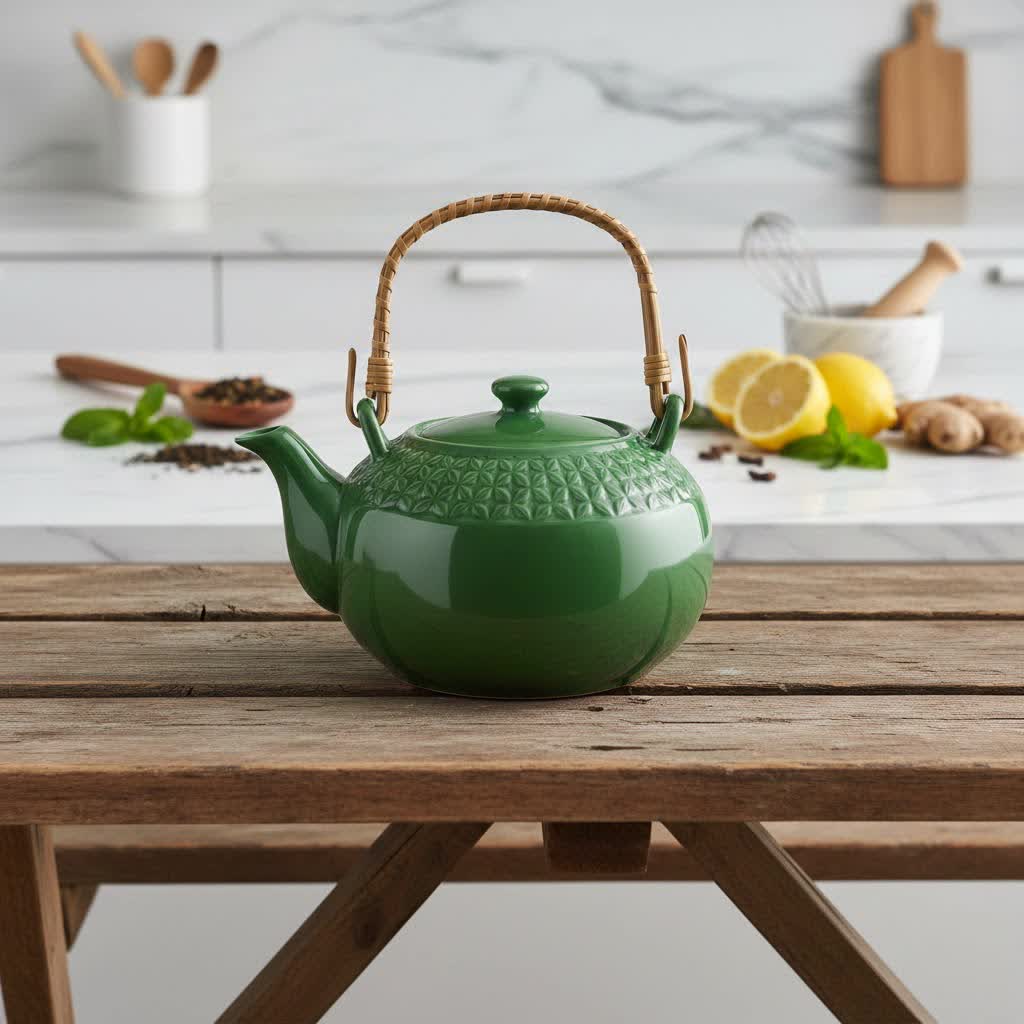
The simple act of preparing tea is a cherished ritual, a moment of calm in a bustling world. For over a decade as Admin of ReviewedHW.com, I’ve explored the intricate world of home appliances, with a particular passion for tea-related products. From traditional earthenware to sleek modern electric designs, I’ve seen countless tea pots, understanding their nuances and how they shape the brewing experience. This guide distills that knowledge, helping you select a tea pot that perfectly complements your lifestyle and tea preferences, transforming every sip into pure bliss.
Unveiling the Popular Types of Tea Pots
Choosing the right tea pot is paramount to enjoying your favorite brew. Different materials and designs cater to varied needs, impacting everything from heat retention to aesthetic appeal. Understanding these common types is the first step in finding your ideal companion for countless tea moments. For expert tea pots reviews on this site.
Glass Teapots: A Window to Your Brew
Glass teapots, typically crafted from heat-resistant borosilicate glass, offer a unique visual experience, allowing you to observe the magic of tea unfurling within.
- Pros: They are ideal for showcasing blooming teas or appreciating the vibrant colors of green and white teas. Being non-porous, glass does not absorb flavors, making it versatile for brewing different tea types without carryover. Cleaning is generally straightforward, and many are dishwasher safe.
- Cons: Glass is known for poor heat retention compared to other materials, meaning your tea may cool down faster. They are also more fragile and susceptible to breakage if mishandled.
- Best For: Visual tea appreciation, delicate green and white teas, herbal infusions.
Ceramic and Porcelain Teapots: The Versatile Classics
Ceramic teapots encompass a wide range of materials, including stoneware, earthenware, and fine porcelain. Porcelain, a high-fired ceramic, is particularly renowned for its elegance and delicate appearance.
- Pros: Ceramic teapots offer good heat retention, often surpassing glass, making them suitable for a broader spectrum of teas, including black and oolong varieties. Glazed ceramic and porcelain are non-porous and do not absorb flavors, ensuring a pure taste. They come in an endless array of designs, from rustic to refined, easily matching any decor.
- Cons: While generally durable, ceramic can chip or crack if dropped or exposed to sudden temperature changes. Unglazed ceramic, like traditional Yixing clay, is porous and will absorb flavors, requiring dedication to a single type of tea to “season” the pot.
- Best For: Everyday brewing, black teas, oolongs, herbal blends, aesthetic appeal, sets for entertaining.
Cast Iron Teapots: The Enduring Legacy
|
Our Picks for the Best Tea Pot in 2026
As an Amazon Associate I earn from qualifying purchases.
|
||
| Num | Product | Action |
|---|---|---|
| 1 | Amazon Basics Electric Stainless Steel Kettle for Tea and Coffee, BPA-Free, Fast Boiling, Auto Shut-Off, 1.7 Liter, 1500W, Black and Silver |

|
| 2 | Primula Stewart Whistling Stovetop Tea Kettle Food Grade Stainless Steel, Hot Water Fast to Boil, Cool Touch Folding, 1.5-Quart, Brushed with Black Handle |
|
| 3 | Amazon Basics Electric Kettle with Glass Carafe for Tea and Coffee, BPA-Free, Fast Boiling, Auto Shut-Off, 1 Liter, 1500W, Glass and Steel |
|
| 4 | 1500ml(50oz) Glass Teapot with Removable Infuser, Ehugos Stovetop Safe Large Tea Pot, Blooming and Loose Leaf Hand Crafted Kettle for Women and Adult with Stainless Infuser |
|
| 5 | HIWARE 1000ml Glass Teapot with Removable Infuser, Stovetop Safe Tea Kettle, Blooming and Loose Leaf Tea Maker Set |
|
| 6 | Amazon Basics Electric Kettle with Glass Carafe for Tea and Coffee, BPA-Free, Fast Boiling, Auto Shut-Off, 1.7 Liter, 1500W, Black and Silver |
|
| 7 | Glass Teapot with Infuser 60OZ (1800ml) Stovetop Safe, Clear Glass Tea Pot Kettle, Borosilicate Tea Pot with Infusers Filter for Loose Tea, Tea Kettle Dishwasher Safe |
|
| 8 | PARACITY Glass Teapot Stovetop 18.6 OZ, Borosilicate Clear Tea Kettle with Removable 18/8 Stainless Steel Infuser, Teapot Blooming and Loose Leaf Tea Maker Tea Brewer for Camping, Travel (550ML) |
|
| 9 | All-Clad Specialty Stainless Steel Tea Kettle 2 Quart Induction Pots and Pans, Cookware Silver |
|
| 10 | PARACITY Glass Teapot Stovetop 20 OZ/600ml, Tea pot with Removable 18/8 Stainless Steel Infuser, Borosilicate Clear Tea Kettle, Teapot Blooming and Loose Leaf Tea Maker Tea Brewer for Camping, Travel |
|
Originating in Japan as “tetsubin,” cast iron teapots are celebrated for their impressive heat retention and robust durability.
- Pros: These heavy-duty pots excel at keeping tea hot for extended periods, perfect for long sipping sessions or serving multiple guests. Many modern cast iron teapots feature an enamel coating on the interior to prevent rust and allow for brewing various tea types. Their often intricate designs add a ceremonial elegance to any tea ritual.
- Cons: Cast iron teapots are significantly heavier than other types. Un-enameled versions require careful seasoning and maintenance to prevent rust and can potentially impart a metallic taste if not properly cared for. They can also be pricier due to their craftsmanship and longevity.
- Best For: Strong black teas, pu-erh, oolong, herbal blends, extended heat retention, dramatic visual presence.
Electric Teapots: Modern Convenience at Your Fingertips
Electric teapots, often referred to as electric tea makers, integrate heating elements and temperature controls directly into the brewing vessel, offering unparalleled convenience and precision.
- Pros: These teapots allow for exact temperature control, crucial for brewing delicate teas like green and white varieties that require specific temperatures. Many feature programmable settings, keep-warm functions, and built-in infusers, simplifying the brewing process. They are incredibly convenient for quick, hassle-free tea preparation.
- Cons: Electric teapots tend to be more expensive than their traditional counterparts. Their electronic components mean they are not immersible for cleaning and typically have a shorter lifespan than purely manual pots. Design options may be more limited than traditional materials.
- Best For: Precision brewing, convenience, busy lifestyles, quick preparation of any tea type.
Detailed Comparison: Finding Your Match
Making an informed decision about your next tea pot involves weighing several key factors. This table offers a concise comparison of the most popular types.
| Feature | Glass Teapot | Ceramic/Porcelain Teapot | Cast Iron Teapot | Electric Teapot |
|---|---|---|---|---|
| Material | Borosilicate glass | Clay, porcelain, stoneware | Cast iron, often with enamel interior | Glass, ceramic, or stainless steel with electronic components |
| Durability | Moderate (fragile, prone to breakage) | Good (can chip/crack if dropped) | Excellent (highly resistant to damage) | Good (electronics can fail over time) |
| Heat Retention | Low (tea cools quickly) | Good (retains heat well) | Excellent (keeps tea hot for a long time) | Varies by material, often includes “keep warm” function |
| Price | Moderate | Moderate to High (for fine porcelain) | High | High |
| Aesthetics | Modern, allows visual appreciation of tea | Wide range, from traditional to contemporary, elegant | Traditional, often rustic or ceremonial designs | Modern, sleek, functional |
| Flavor Impact | None (non-porous) | None (glazed), can absorb (unglazed clay) | Can impart metallic taste if un-enameled; enameled is neutral | None (non-porous brewing chamber) |
| Best For Teas | Green, white, herbal, flowering | Black, oolong, herbal, most tea types | Robust black teas, oolongs, pu-erh, long infusions | Any tea type with precise temperature control |
| Maintenance | Easy to clean, often dishwasher safe | Easy to clean (glazed), specific care for unglazed | Requires careful drying to prevent rust (if un-enameled) | Specific cleaning due to electronics |
Your Essential Tea Pot Buying Guide
Selecting the ideal tea pot is a personal journey. Consider these factors to ensure your choice brings joy and functionality to your tea rituals.
-
Determine Your Usage Needs:
- Solo Sipping vs. Entertaining: Are you brewing for one or hosting tea parties? “Tea for one” sets with smaller teapots are perfect for individual enjoyment [cite: 3_1, 3_4, 3_5]. Larger pots are necessary for gatherings.
- Loose Leaf vs. Tea Bags: If you prefer loose leaf tea, look for a tea pot with a built-in infuser or ample space for a separate strainer.
- Preferred Tea Types: Delicate green and white teas benefit from precise temperature control and non-reactive materials like glass or porcelain. Robust black teas and oolongs thrive in materials with excellent heat retention, such as cast iron or ceramic.
-
Set Your Budget: Tea pots vary significantly in price, from affordable glass options to high-end designer porcelain or cast iron models. Determine what you’re willing to invest, remembering that a quality tea pot can last for years.
-
Choose the Right Material: Refer to the comparison table above. Each material offers distinct advantages in terms of heat retention, durability, and impact on flavor. Consider your priorities—is visual appeal most important, or keeping your tea piping hot?
-
Inspect for Quality and Safety: Ensure the tea pot is made from food-grade, non-toxic materials. Check for lead-free glazes on ceramic or porcelain. For glass, verify it’s heat-resistant borosilicate. A well-constructed handle and a drip-free spout are indicators of good craftsmanship.
-
Consider Brand and Supplier Reputation: Research reputable brands known for their quality teaware. Reading reviews from other tea enthusiasts can provide valuable insights into a product’s performance and longevity.
Top Tea Pot Brands for Every Enthusiast
Many brands have perfected the art of tea pot design, offering a diverse range to suit every taste and budget. Here are a few highly-regarded names:
- Hiware: Known for their durable and versatile borosilicate glass teapots, often featuring removable infusers, suitable for stovetop use.
- Sweese: Offers a range of elegant porcelain teapots, praised for their sturdy construction and appealing designs, often available in various colors.
- Bodum: A trusted name in drinkware, Bodum provides stylish glass tea presses with stainless steel filters, blending modern design with functional brewing.
- Suyika Japanese Tetsubin: Specializes in traditional Japanese cast iron teapots, celebrated for their exceptional heat retention and timeless aesthetic.
- Royal Albert: For those seeking classic elegance, Royal Albert offers exquisite fine bone china tea sets, embodying traditional British tea culture.
Mastering Tea Pot Usage and Care
Proper care extends the life of your tea pot and ensures consistently delicious brews.
Cleaning Your Tea Pot
- Glass and Glazed Ceramic/Porcelain: These are generally easy to clean. Wash with warm, soapy water and a soft sponge. Many are dishwasher safe, but always check manufacturer instructions. Rinse thoroughly to remove any soap residue.
- Cast Iron: If un-enameled, rinse with hot water after use and dry immediately to prevent rust. Avoid soap, as it can strip away the seasoned layer. For enameled cast iron, mild soap and water are fine.
- Unglazed Clay (e.g., Yixing): Never use soap. Simply rinse with hot water after each use and allow to air dry. This preserves the “tea memory” that develops over time.
- Electric Teapots: Unplug and wipe the exterior with a damp cloth. For the interior, use water and a soft brush for any residue, avoiding immersion of electrical components.
Maximizing Longevity
- Pre-warming: For better heat retention, especially with glass or ceramic, pre-warm your tea pot by rinsing it with hot water before adding tea leaves and brewing water.
- Avoid Thermal Shock: Do not pour boiling water into a cold glass or ceramic pot, or vice-versa, as sudden temperature changes can cause cracking.
- Careful Handling: Always handle your tea pot with care, regardless of material, to prevent chips, cracks, or breakages.
- Proper Storage: Store your tea pot in a safe place where it won’t be easily knocked over or scratched.
> “A well-chosen tea pot isn’t merely a utensil; it’s a centerpiece, an expression of art, and a silent companion in your daily ritual.”
Conclusion: Crafting Your Perfect Tea Journey
From the elegant transparency of glass to the enduring warmth of cast iron, and the modern precision of electric models, the world of tea pots offers a delightful array of choices. By understanding the unique characteristics of each material, considering your personal brewing habits, and embracing proper care, you can select a tea pot that not only brews your perfect cup but also enhances your entire tea experience. It’s more than just a vessel; it’s an invitation to pause, savor, and connect with a timeless tradition. What will your ideal tea pot bring to your daily ritual?
Frequently Asked Questions
Which tea pot material is best for health?
Most commonly used tea pot materials like borosilicate glass, food-grade ceramic, porcelain, and enameled cast iron are considered safe for health. Borosilicate glass and glazed ceramics are non-reactive and non-porous, ensuring no chemicals or flavors leach into your tea. Always check for lead-free glazes and reputable manufacturers to ensure safety.
Can I use any tea pot on the stovetop?
No. Only stovetop-safe teapots, typically made from borosilicate glass, stainless steel, or traditional unglazed cast iron (tetsubin), should be placed directly on a heat source. Most ceramic, porcelain, and enameled cast iron teapots are designed for steeping only and should not be used on a stovetop unless explicitly stated by the manufacturer.
How often should I clean my tea pot?
For daily use, a quick rinse with hot water after each brewing session is usually sufficient. A more thorough cleaning with mild soap (for non-porous materials) or specialized tea pot cleaner should be done weekly or as needed to prevent stains and mineral buildup. Unglazed clay teapots should only be rinsed with hot water.
What is a “tea for one” set?
A “tea for one” set is a compact tea pot designed for individual use, often featuring a small teapot that nests perfectly on top of or within a matching teacup. These sets are ideal for enjoying a single serving of freshly brewed tea without the need for a larger tea pot or multiple dishes.
Get our weekly buyer guide
Practical specs, not advice. Unsubscribe anytime.

I’ve been looking for a new teapot for ages, and this guide really helped me narrow down my choices. I ended up going with a traditional earthenware pot, and it’s been a game-changer for my morning routine. The heat retention is fantastic, keeping my tea warm for so much longer than my old ceramic one. It truly makes the brewing experience feel more special.
This guide was exactly what I needed! I’ve always just used whatever teapot I had, but learning about how different designs impact the brewing experience has been eye-opening. I finally invested in a beautiful glass teapot, and watching the tea steep is almost as enjoyable as drinking it. It’s truly transformed my tea time into a moment of pure bliss.
I found the information on materials really useful, especially about how they affect the taste. I bought a stainless steel teapot based on the recommendations for durability, but I’ve noticed a slight metallic aftertaste with some of my more delicate green teas. It’s not terrible, but it’s something to consider if you’re very particular about flavor.
I appreciate the breakdown of different teapot types. I was always confused about the benefits of glass versus cast iron. I decided to try a sleek modern electric design, and while it heats up super fast, I do miss the ritual of pouring from a separate pot. Still, for convenience on busy mornings, it’s hard to beat.