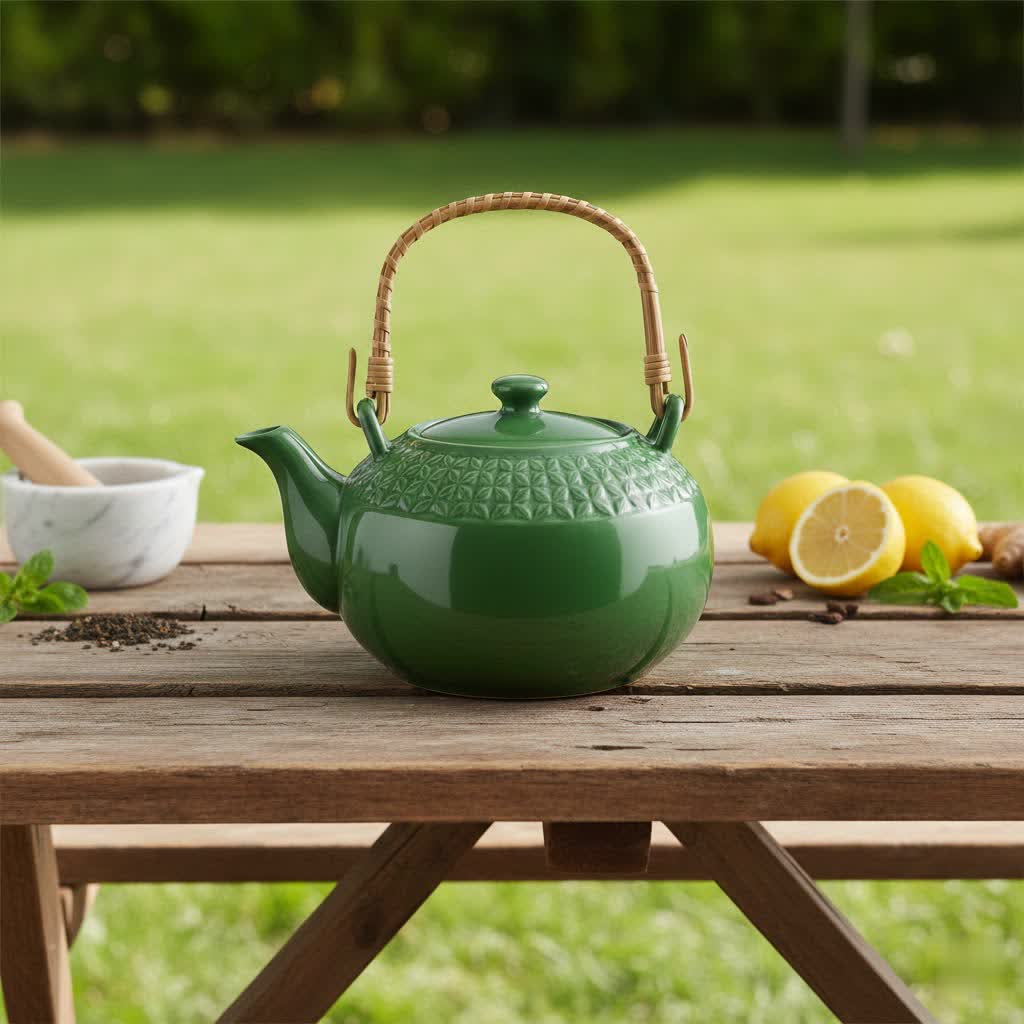
For tea enthusiasts, there’s a unique pleasure in savoring the nuanced flavors of loose leaf tea. However, achieving that perfect brew requires more than just quality leaves and hot water; it demands the right brewing method. Enter the tea press pot – a sophisticated, yet simple device that empowers you to unlock the full potential of your favorite teas. If you’re tired of weak infusions or over-steeped bitterness, the tea press pot offers precision and purity that can improve your daily tea ritual.
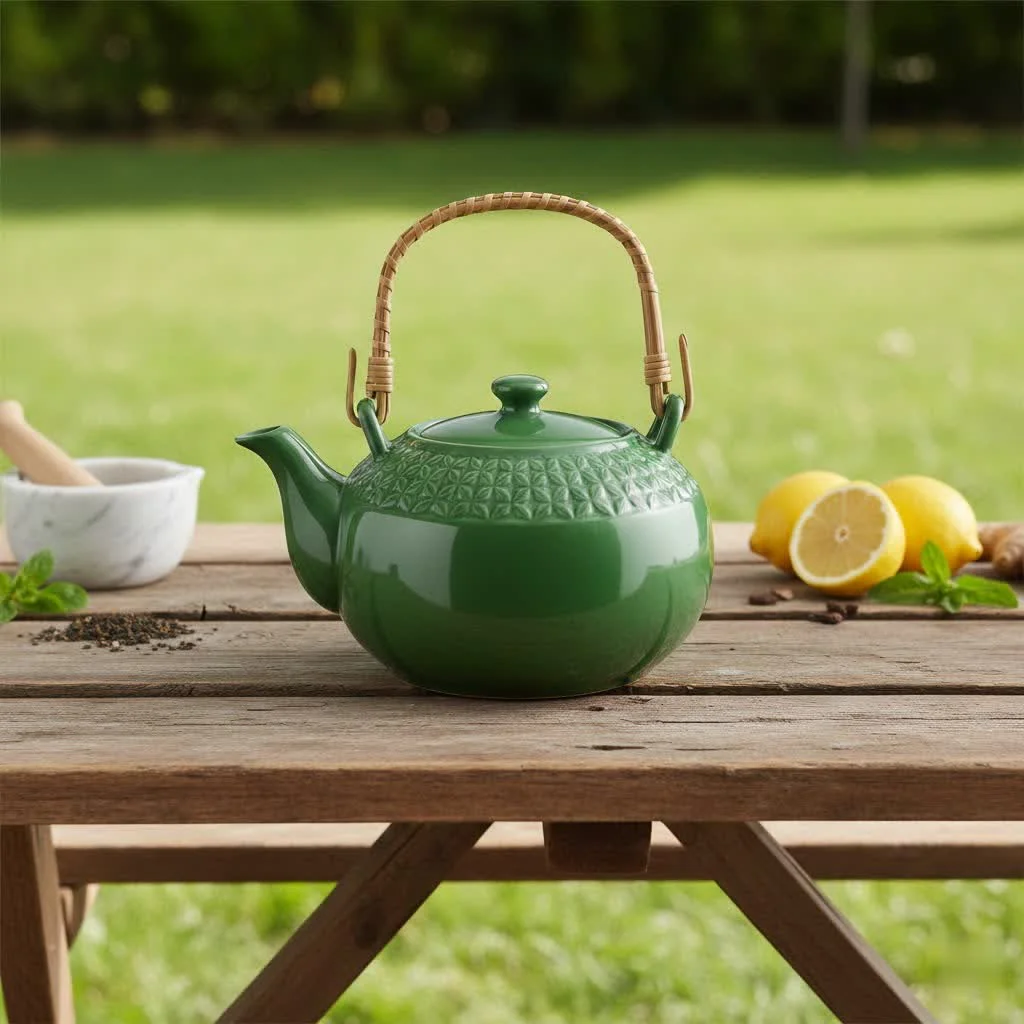
This comprehensive guide will examine everything you need to know about tea press pots, from their mechanics and benefits to choosing the ideal one for your needs and mastering the art of brewing. Get ready to discover a brewing experience that’s as delightful as the tea itself.
Understanding the Tea Press Pot: A Brewer’s Best Friend
At its core, a tea press pot is a brewing vessel featuring a plunger mechanism with a fine mesh filter. Unlike traditional teapots that might use a small internal basket, the tea press allows tea leaves to steep freely in the main chamber, giving them ample space to expand and release their full spectrum of flavors and aromas. Once the desired steeping time is reached, the plunger is gently pressed down, separating the steeped leaves from the liquid. This action effectively halts the brewing process, preventing over-extraction and ensuring your tea never becomes bitter.
While visually similar to a coffee French press, a dedicated tea press often features a finer mesh filter specifically designed to trap smaller tea particles. Although you can technically use a coffee French press for tea, a separate tea press is highly recommended to avoid any lingering coffee oils or flavors from interfering with the delicate taste of your tea.
The Benefits of Brewing with a Tea Press Pot
Why should a tea press pot be your go-to brewing method? Its design offers several distinct advantages that elevate the tea-drinking experience:
- Optimal Leaf Expansion: Loose leaf tea needs room to “bloom” – to unfurl and release its compounds. The open design of a tea press pot provides maximum space for leaves to expand, leading to a richer, more complex infusion.
- Precision Steeping Control: The plunger is a major upgrade. By pressing it down, you physically separate the leaves from the water, effectively stopping the steeping process at your exact preferred strength. This is crucial for avoiding the bitterness that comes with over-steeping.
- Exceptional Flavor Extraction: With ample space for expansion and consistent contact with water, a tea press pot ensures that all the subtle notes, aromas, and beneficial compounds from your tea leaves are thoroughly extracted into your cup.
- Versatility for All Teas: From delicate white teas and aromatic oolongs to robust black teas and soothing herbal infusions, the tea press is suitable for almost any loose leaf variety. It’s also excellent for making refreshing iced tea concentrates.
- Simplicity and Ease of Use: Despite its sophisticated results, operating a tea press is incredibly straightforward. It requires minimal effort and skill, making it perfect for both novice and experienced tea drinkers.
- Aesthetic Appeal: Many tea press pots feature transparent borosilicate glass carafes, allowing you to visually appreciate the beauty of the steeping leaves and the rich color of your brew.
> “A good tea press pot is not merely a tool; it’s an invitation to a deeper, more mindful tea experience.” – Admin, ReviewedHW.com
Popular Types and Materials of Tea Press Pots
Tea press pots come in various designs and materials, each offering unique benefits:
Borosilicate Glass Tea Presses
|
Our Picks for the Best Tea Pot in 2026
As an Amazon Associate I earn from qualifying purchases.
|
||
| Num | Product | Action |
|---|---|---|
| 1 | All-Clad Specialty Stainless Steel Tea Kettle 2 Quart Induction Pots and Pans, Cookware Silver |

|
| 2 | HIWARE 1000ml Glass Teapot with Removable Infuser, Stovetop Safe Tea Kettle, Blooming and Loose Leaf Tea Maker Set |
|
| 3 | Amazon Basics Electric Kettle with Glass Carafe for Tea and Coffee, BPA-Free, Fast Boiling, Auto Shut-Off, 1.7 Liter, 1500W, Black and Silver |
|
| 4 | Amazon Basics Electric Kettle with Glass Carafe for Tea and Coffee, BPA-Free, Fast Boiling, Auto Shut-Off, 1 Liter, 1500W, Glass and Steel |
|
| 5 | Amazon Basics Electric Stainless Steel Kettle for Tea and Coffee, BPA-Free, Fast Boiling, Auto Shut-Off, 1.7 Liter, 1500W, Black and Silver |
|
| 6 | Primula Stewart Whistling Stovetop Tea Kettle Food Grade Stainless Steel, Hot Water Fast to Boil, Cool Touch Folding, 1.5-Quart, Brushed with Black Handle |
|
| 7 | 1500ml(50oz) Glass Teapot with Removable Infuser, Ehugos Stovetop Safe Large Tea Pot, Blooming and Loose Leaf Hand Crafted Kettle for Women and Adult with Stainless Infuser |
|
| 8 | Glass Teapot with Infuser 60OZ (1800ml) Stovetop Safe, Clear Glass Tea Pot Kettle, Borosilicate Tea Pot with Infusers Filter for Loose Tea, Tea Kettle Dishwasher Safe |
|
| 9 | PARACITY Glass Teapot Stovetop 18.6 OZ, Borosilicate Clear Tea Kettle with Removable 18/8 Stainless Steel Infuser, Teapot Blooming and Loose Leaf Tea Maker Tea Brewer for Camping, Travel (550ML) |
|
| 10 | PARACITY Glass Teapot Stovetop 20 OZ/600ml, Tea pot with Removable 18/8 Stainless Steel Infuser, Borosilicate Clear Tea Kettle, Teapot Blooming and Loose Leaf Tea Maker Tea Brewer for Camping, Travel |
|
These are arguably the most popular and aesthetically pleasing options.
- Pros: The transparent glass allows you to watch your tea steep, adding to the sensory experience. Borosilicate glass is non-porous and doesn’t absorb flavors or odors, ensuring a pure taste. It’s also easy to clean and often dishwasher-safe.
- Cons: Glass, by nature, can be fragile and prone to breakage if not handled carefully. They may not retain heat as effectively as double-walled stainless steel options.
Stainless Steel Tea Presses
Favored for their durability and excellent heat retention.
- Pros: Stainless steel is incredibly robust, making these presses ideal for travel or everyday use where knocks are a possibility. Double-walled insulated versions keep tea hot for extended periods. They are generally resistant to staining and rust.
- Cons: You cannot observe the steeping process. Some users report a slight metallic taste if not properly maintained, although this is rare with high-quality food-grade stainless steel.
Combination Material Tea Presses
Many tea presses feature a borosilicate glass carafe housed within a stainless steel or plastic frame, often with a plastic or stainless steel handle and plunger. These combine the benefits of clear viewing with added durability or ergonomic design.
Travel Tea Presses
Designed for portability, these are often smaller, insulated stainless steel mugs with a built-in press mechanism, perfect for enjoying loose leaf tea on the go. Brands like DAVIDsTEA offer popular travel press options that are both functional and stylish.
Tea Press Pot vs. French Press: What’s the Difference?
The terms “tea press” and “French press” are often used interchangeably, and indeed, their operating principles are almost identical. Both utilize a plunger with a mesh filter to separate solids from liquid. However, there are a few important distinctions:
- Dedicated Use: A primary recommendation for tea lovers is to use a dedicated press for tea. Coffee grounds contain oils that can cling to the mesh filter and carafe, even after washing. These lingering coffee oils can impart an undesirable flavor to your delicate tea. If you brew both coffee and tea, having two separate presses (one for each beverage) is ideal.
- Filter Fineness: Some tea presses may feature a slightly finer mesh filter than their coffee counterparts to better contain smaller tea particles, especially for teas with very fine broken leaves. However, many standard French presses have a sufficiently fine mesh for most loose leaf teas.
- Design Specifics: While the core mechanism is the same, some brands market “tea presses” with slight design variations, such as the Bodum Assam, which is specifically optimized for tea brewing.
In essence, while a French press can be used for tea, a purpose-built tea press or a meticulously cleaned, dedicated French press ensures the purest tea experience.
A Step-by-Step Guide to Using Your Tea Press Pot
Brewing a perfect cup with a tea press pot is a simple yet rewarding process:
- Heat Your Water: Use fresh, filtered water. Heat it to the appropriate temperature for your specific tea type. For instance, black teas typically require boiling water (212°F/100°C), while green teas prefer cooler temperatures (160-170°F/71-77°C) to prevent bitterness.
- Add Tea Leaves: Place your loose leaf tea directly into the bottom of the tea press pot. A general guideline is 1 teaspoon of tea leaves per 8 ounces (1 cup) of water, but you can adjust this to your personal taste and the tea’s strength.
- Pre-heat (Optional but Recommended): For glass presses, a quick pre-heat can help maintain water temperature during steeping. Swirl a small amount of hot water in the carafe, then discard it before adding your tea leaves.
- Pour Hot Water: Carefully pour the heated water over the tea leaves, ensuring they are fully submerged. Avoid pouring directly onto the plunger if it’s already in place, as this can affect the steeping dynamics.
- Steep: Place the lid and plunger assembly onto the pot, but do not press down yet. Allow the tea to steep for the recommended time (e.g., 3-5 minutes for black tea, 1-2 minutes for green tea). This gives the leaves maximum space to expand and infuse.
- Gently Press: Once your tea has steeped to your liking, slowly and steadily press the plunger all the way down. This action pushes the tea leaves to the bottom, separating them from the brewed tea and effectively stopping the infusion process. Avoid pressing too quickly or forcefully, as this can force fine particles through the filter.
- Serve Immediately: Pour your freshly brewed tea into your cup or a serving carafe. To prevent any residual over-steeping, especially if you won’t be drinking the entire pot immediately, it’s best to decant all the tea out of the press pot.
Choosing Your Perfect Tea Press Pot
Selecting the right tea press involves considering several factors to match your preferences and lifestyle:
- Capacity: Do you brew for one, or for a gathering? Tea presses range from single-serving travel mugs (around 12-16 oz) to larger pots (34-50 oz) suitable for multiple cups.
- Material:
- Glass: Opt for borosilicate glass for clarity, purity of taste, and aesthetic appeal. Prioritize durability if you’re prone to accidental bumps.
- Stainless Steel: Choose stainless steel for unmatched durability, heat retention, and portability. Look for double-walled insulation for extended warmth.
- Filter Quality: Examine the mesh filter. A finer mesh will trap more tiny tea particles, resulting in a clearer brew. Some filters are multi-layered for enhanced performance.
- Ease of Cleaning: Consider models that are easy to disassemble for thorough cleaning. Dishwasher-safe components are a convenient bonus. Ensuring all parts, especially the mesh, can be cleaned effectively prevents residue buildup.
- Ergonomics and Design: Look for a comfortable handle, a stable base, and a drip-free spout. The overall aesthetic should appeal to you, as it will likely be a staple on your counter.
- Budget and Brand Reputation: Reputable brands like Bodum and GROSCHE are known for quality. While higher-priced models often offer superior construction and features, excellent value options are also available.
Top Brands for Tea Press Pots
When it comes to reliable and high-quality tea press pots, several brands consistently receive praise from tea lovers:
- Bodum: A pioneer in press brewing, Bodum’s Assam Tea Press is a classic, celebrated for its borosilicate glass and effective plunging mechanism. They offer various sizes and designs, often with stainless steel filters.
- GROSCHE: This brand is well-regarded for its commitment to sustainable and well-designed tea and coffee ware. Their Aberdeen Smart Tea Maker, while not a press, shares similar principles of controlled steeping, and their French presses are excellent for tea.
- DAVIDsTEA: Popular for their diverse tea selection, DAVIDsTEA also offers innovative teaware, including travel tea presses that are perfect for brewing on the go.
- Tiesta Tea: Known for their creative tea blends, Tiesta Tea also produces high-rated accessories like the Brewmaster Tea Infuser, which functions similarly to a press.
These brands often offer products that balance performance, durability, and aesthetic appeal, making them reliable choices for your tea brewing needs.
Care and Maintenance for Your Tea Press Pot
Proper care extends the life of your tea press pot and ensures consistently delicious tea:
- Immediate Rinsing: After each use, empty the spent tea leaves and rinse all components under warm water. This prevents tea stains and residue from drying and becoming harder to clean.
- Disassemble for Cleaning: For a thorough clean, carefully disassemble the plunger and mesh filter. Use a soft brush or sponge with mild dish soap to clean all parts, paying special attention to the mesh to dislodge any trapped tea particles.
- Tackling Tea Stains: For persistent tea stains on glass carafes, a mixture of baking soda and water or a specialized tea stain remover can work wonders.
- Storage: Store your tea press pot with all its components together in a safe place to prevent damage, especially for glass models.
- Avoid Abrasives: Do not use abrasive scrubbers or harsh chemicals, as these can scratch glass or damage stainless steel finishes.
Conclusion
The tea press pot is a shows the idea that sometimes, the simplest methods yield the most profound results. It offers an unparalleled way to experience the full flavor and aroma of loose leaf tea, granting you precise control over the steeping process and preventing the dreaded bitterness of over-extraction. From its elegant design to its effortless operation, the tea press pot is more than just a brewing vessel; it’s an invitation to improve your daily tea ritual into a moment of pure enjoyment.
By understanding the different types, materials, and proper usage, you can confidently choose and master your tea press pot, transforming your tea-drinking experience. So, embrace the art of controlled steeping and discover the rich, vibrant world of loose leaf tea in its purest form.
Frequently Asked Questions
Can I use a French press meant for coffee for tea?
Yes, you can use a French press for tea, as their mechanisms are similar. However, it is highly recommended to have a dedicated French press for tea to prevent lingering coffee oils and flavors from affecting the delicate taste of your tea.
What is the ideal material for a tea press pot?
Borosilicate glass is highly recommended for its purity of taste, non-porous nature, and the ability to visually monitor the steeping process. Stainless steel is also an excellent choice, particularly for its durability and superior heat retention, especially in double-walled travel versions.
How do I prevent my tea from over-steeping in a tea press?
The key to preventing over-steeping is to gently press the plunger down completely once your tea has reached the desired strength. This separates the leaves from the liquid. For the purest results, it’s also best to pour all the brewed tea into another serving vessel immediately after pressing.
How much tea leaf should I use in a tea press?
A common guideline is 1 teaspoon of loose leaf tea per 8 ounces (1 cup) of water. However, this can vary based on the type of tea (e.g., more for bulky herbal teas, less for very strong black teas) and your personal preference for strength. Experiment to find your perfect ratio.
Are tea press pots difficult to clean?
Tea press pots are generally easy to clean, especially those made of borosilicate glass. The plunger and mesh filter should be disassembled after each use and rinsed thoroughly to prevent tea particles and stains from building up. Most are dishwasher-safe, or can be easily cleaned with warm water and mild soap.
Can I make iced tea in a tea press pot?
Absolutely! A tea press pot is excellent for making iced tea. You can brew a concentrated batch using hot water, then pour it over ice or chill it for later. The press mechanism ensures a smooth, leaf-free concentrate.
Get our weekly buyer guide
Practical specs, not advice. Unsubscribe anytime.

I was excited to try a tea press pot to get rid of the weak infusions I sometimes get with my herbal blends. While it does a decent job, I found that some of the finer herbal particles still manage to slip through the filter, which is a bit annoying. It’s an improvement, but not quite the perfect solution I was hoping for.
I’ve been using a tea press pot for a few months now, and it’s completely changed my morning routine. I used to struggle with over-steeped bitterness, especially with my black teas, but the precision of the press has made such a difference. My loose leaf teas taste so much purer and more flavorful now. Definitely a game-changer for any tea lover!
This guide really helped me understand the mechanics of a tea press pot better. I’ve been using a basic infuser for years, but the idea of a device that offers such precision and purity for my green teas was intriguing. I finally invested in one, and I’m so glad I did. No more weak infusions for me!
I picked up a new tea press pot after reading about how it can improve the brewing experience. It really does help unlock the full potential of my favorite oolongs; the flavors are much more pronounced. My only minor complaint is that cleaning the mesh filter can be a bit fiddly sometimes, but it’s worth it for the quality of the brew.