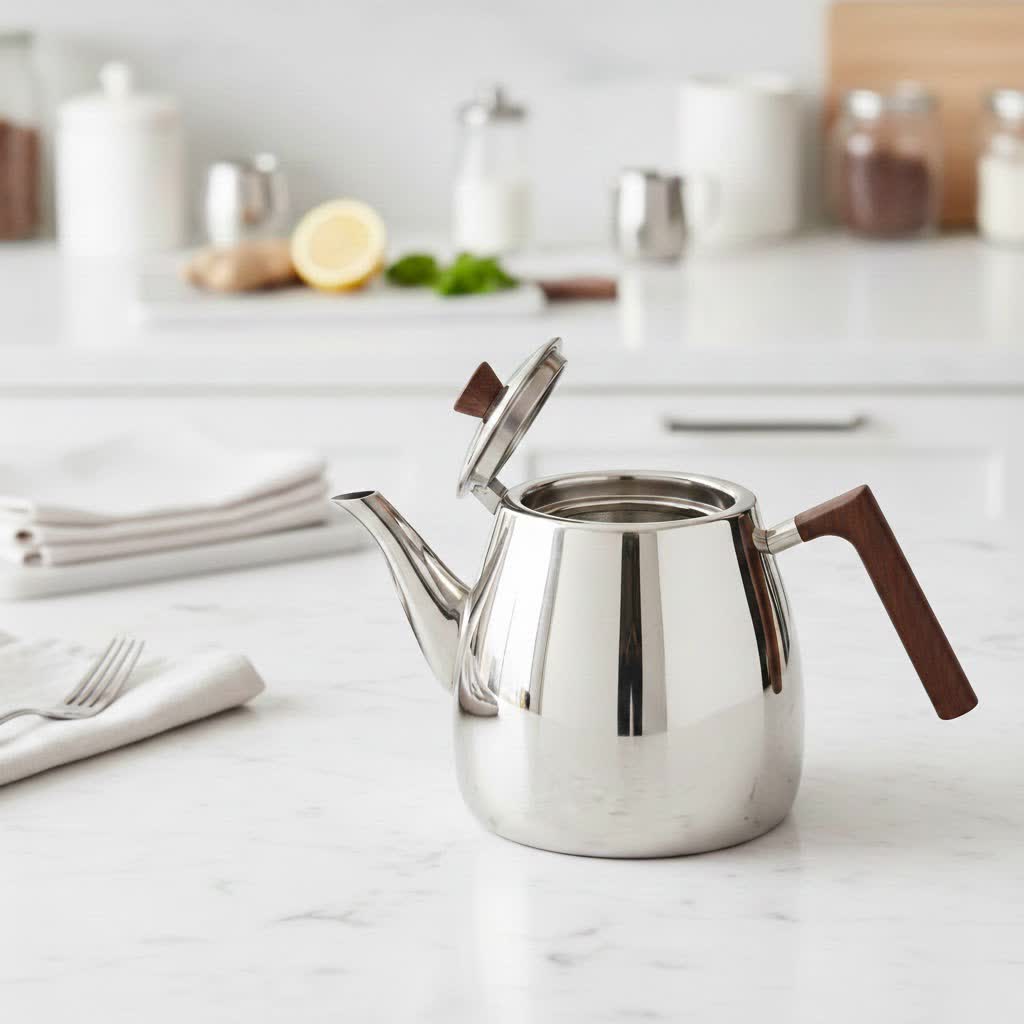
For many, the simple act of preparing and enjoying tea is a cherished ritual, a moment of tranquility in a bustling world. But the vessel from which you serve your tea – the humble tea serving pot – plays a far more significant role than you might imagine. It influences not just the temperature and flavor of your brew, but also the aesthetic pleasure and overall experience. As an Admin of ReviewedHW.com with over a decade of experience testing countless home appliances, especially tea-related products, I’ve seen firsthand how the right tea pot can transform an ordinary cup into an extraordinary one. My goal is to share this knowledge in an honest and accessible way, helping you discover the ideal tea serving pot that perfectly suits your needs and enhances every tea moment.
Choosing the Perfect Tea Serving Pot: A Comprehensive Guide
Selecting a tea serving pot isn’t a one-size-fits-all decision. Your personal preferences, the types of tea you enjoy, and how often you plan to use it all factor into finding your perfect match. Understanding the various materials and their unique characteristics is the first step in this delightful journey. For see our tea pots recommendations on this site.
Popular Types of Tea Serving Pots
Different materials offer distinct advantages and, sometimes, disadvantages. Let’s explore the most common types:
-
Glass Tea Pots
Glass tea pots, particularly those made from borosilicate glass, are celebrated for their transparent beauty. They allow you to witness the enchanting dance of tea leaves unfurling and the infusion’s color deepening, making them especially popular for blooming teas. This visual element adds a layer of artistry to your tea experience. Beyond aesthetics, quality glass pots are often durable, resistant to thermal shock, and versatile for use with various tea types and infusers. However, while robust, they can be more susceptible to breakage than metal alternatives and may show tea stains more readily. Handles can also become quite hot if not insulated. -
Ceramic and Porcelain Tea Pots
Ceramic and porcelain tea pots embody classic elegance and come in a vast array of designs, from rustic stoneware to delicate fine china. Ceramic pots, often thicker and glazed, offer good heat retention, keeping your tea warm for longer periods. They are generally durable and easy to clean, making them a practical choice for everyday use. Porcelain, fired at higher temperatures, is finer and less porous than ceramic, often presenting a more refined, translucent appearance. Both materials are excellent for brewing a wide range of teas as they are non-reactive and won’t impart unwanted flavors. While generally sturdy, porcelain can be delicate and prone to chipping, and older or lower-quality porcelain might be susceptible to thermal shock if not handled carefully. -
Cast Iron Tea Pots
With their robust construction and often intricate designs, cast iron tea pots (known as tetsubin in Japan) are revered for their exceptional heat retention. Once heated, they keep tea piping hot for extended periods, which is ideal for stronger teas that benefit from consistent warmth. They are incredibly durable and can last a lifetime with proper care, offering a rustic yet sophisticated aesthetic. However, cast iron pots are notably heavy. Most modern cast iron tea pots are enameled on the inside to prevent rust and prevent the iron from leaching into the tea, meaning they are primarily for brewing and serving, not for boiling water directly. Special care is needed to prevent rust if the enamel coating is damaged, and they should never be cleaned with harsh abrasives or soap. -
Stainless Steel Tea Pots
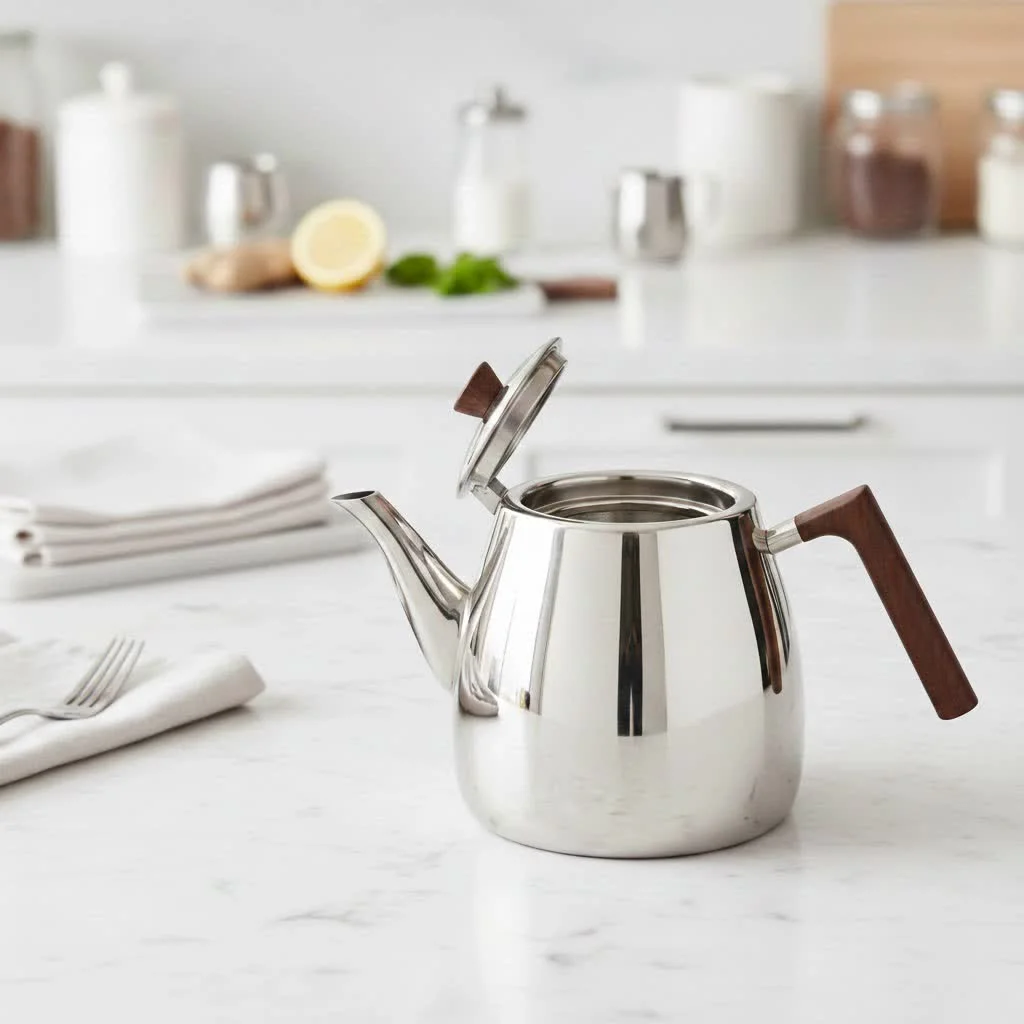
Stainless steel tea pots are a testament to durability and practicality. They are virtually unbreakable, highly resistant to corrosion, and very easy to clean and maintain, often being dishwasher safe. This makes them a superb choice for busy households or commercial settings. Stainless steel also boasts excellent heat retention, ensuring your tea stays warm. Their sleek, modern appearance appeals to many. While highly functional, some tea enthusiasts find stainless steel lacks the traditional charm or delicate touch of ceramic or glass. Care must be taken to ensure handles are insulated, as metal conducts heat efficiently. -
Yixing Clay Pots (Specialized)
Originating from Yixing, China, these unglazed clay pots are highly prized by serious tea connoisseurs, especially for brewing oolong and pu-erh teas. The unique porous nature of Yixing clay absorbs the tea’s flavors and aromas over time, essentially “seasoning” the pot and enhancing future brews. This means a Yixing pot should ideally be dedicated to only one type of tea to prevent flavor cross-contamination. They offer a deep, earthy aesthetic and become more beautiful with age and use. However, Yixing pots are relatively fragile, require very specific care (never use soap!), and represent a significant investment, often chosen once a tea drinker’s preferences are well-established.
Detailed Comparison Table
|
Our Picks for the Best Tea Pot in 2026
As an Amazon Associate I earn from qualifying purchases.
|
||
| Num | Product | Action |
|---|---|---|
| 1 | Amazon Basics Electric Kettle with Glass Carafe for Tea and Coffee, BPA-Free, Fast Boiling, Auto Shut-Off, 1 Liter, 1500W, Glass and Steel |

|
| 2 | HIWARE 1000ml Glass Teapot with Removable Infuser, Stovetop Safe Tea Kettle, Blooming and Loose Leaf Tea Maker Set |
|
| 3 | PARACITY Glass Teapot Stovetop 20 OZ/600ml, Tea pot with Removable 18/8 Stainless Steel Infuser, Borosilicate Clear Tea Kettle, Teapot Blooming and Loose Leaf Tea Maker Tea Brewer for Camping, Travel |
|
| 4 | PARACITY Glass Teapot Stovetop 18.6 OZ, Borosilicate Clear Tea Kettle with Removable 18/8 Stainless Steel Infuser, Teapot Blooming and Loose Leaf Tea Maker Tea Brewer for Camping, Travel (550ML) |
|
| 5 | 1500ml(50oz) Glass Teapot with Removable Infuser, Ehugos Stovetop Safe Large Tea Pot, Blooming and Loose Leaf Hand Crafted Kettle for Women and Adult with Stainless Infuser |
|
| 6 | All-Clad Specialty Stainless Steel Tea Kettle 2 Quart Induction Pots and Pans, Cookware Silver |
|
| 7 | Glass Teapot with Infuser 60OZ (1800ml) Stovetop Safe, Clear Glass Tea Pot Kettle, Borosilicate Tea Pot with Infusers Filter for Loose Tea, Tea Kettle Dishwasher Safe |
|
| 8 | Amazon Basics Electric Stainless Steel Kettle for Tea and Coffee, BPA-Free, Fast Boiling, Auto Shut-Off, 1.7 Liter, 1500W, Black and Silver |
|
| 9 | Amazon Basics Electric Kettle with Glass Carafe for Tea and Coffee, BPA-Free, Fast Boiling, Auto Shut-Off, 1.7 Liter, 1500W, Black and Silver |
|
| 10 | Primula Stewart Whistling Stovetop Tea Kettle Food Grade Stainless Steel, Hot Water Fast to Boil, Cool Touch Folding, 1.5-Quart, Brushed with Black Handle |
|
To help you visualize the differences, here’s a comparison of key features across popular tea pot materials:
| Feature | Glass | Ceramic/Porcelain | Cast Iron | Stainless Steel | Yixing Clay |
|---|---|---|---|---|---|
| Primary Material | Borosilicate glass | Glazed clay, feldspar, quartz | Enameled cast iron | Food-grade stainless steel | Unglazed porous clay |
| Durability | Medium (shatter-resistant) | Good | Excellent (heavy) | Excellent (virtually unbreakable) | Low (fragile, specialized) |
| Heat Retention | Medium | Good (Ceramic), Medium (Porcelain) | Excellent (long-lasting heat) | Excellent | Medium (absorbs heat, then retains) |
| Price Range | Mid-range | Low to High | High | Mid-range | High (specialized, artisanal) |
| Aesthetics | Modern, transparent, visual | Traditional, artistic, versatile | Rustic, robust, ceremonial | Sleek, minimalist, contemporary | Earthy, unique, ages beautifully |
| Special Use | Blooming teas, herbal infusions | Versatile for most teas | Darker teas, extended warmth | Everyday, durable, high volume | Specific teas (Oolong, Pu-erh) |
How to Choose Your Ideal Tea Serving Pot
With so many options, how do you pinpoint the perfect tea serving pot for you? Consider these crucial factors:
-
Determine Your Tea Habits and Needs:
- Capacity: Are you brewing for one, a family, or frequent guests? A smaller pot (16-24 oz) is perfect for individual enjoyment, while larger pots (34-50 oz+) are better for entertaining. Ensure the pot’s volume matches your cup sizes to avoid weak or over-steeped tea.
- Tea Type: Do you primarily drink delicate green teas, robust black teas, visually stunning blooming teas, or specific aged teas like Pu-erh? As seen above, certain materials are better suited for specific tea types.
- Frequency: For daily use, durability and ease of cleaning are paramount. For occasional ceremonial use, aesthetic and specific brewing properties might take precedence.
-
Evaluate Material and Tea Type Compatibility:
- Glass is wonderful for observing blooming teas and lighter herbal infusions.
- Ceramic and Porcelain are highly versatile, excellent for most black, green, and white teas, offering a clean taste.
- Cast Iron excels with darker, heartier teas like Pu-erh or strong black teas, keeping them warm for extended enjoyment.
- Stainless Steel is a workhorse for everyday brewing of almost any tea where durability and heat retention are key.
- Yixing Clay is for the dedicated connoisseur, enhancing specific Oolongs or Pu-erh with repeated use.
-
Examine Infuser Quality:
Many modern tea pots come with built-in infusers. Look for:- Fine Mesh: To prevent small tea leaves or fannings from escaping into your cup.
- Ample Space: The infuser should be large enough to allow tea leaves to fully expand and circulate in the hot water, releasing their full flavor. Cramped leaves lead to weak tea.
- Removable Design: This makes cleaning much easier and allows for flexibility if you prefer to steep directly in the pot.
-
Assess Spout and Handle Design:
A good tea pot should pour cleanly and comfortably. Look for:- Drip-Free Spout: A well-designed spout ensures a smooth, controlled pour without drips or spills.
- Ergonomic Handle: The handle should be comfortable to grip, even when the pot is full and hot. Insulated handles are a bonus for heat-retaining materials.
- Lid Fit: A snug-fitting lid is essential for heat retention during brewing and for safe pouring.
-
Prioritize Safety and Durability:
Always ensure your tea pot is made from food-grade, non-toxic materials. For ceramic and porcelain, verify that glazes are lead-free. Consider the overall construction quality to ensure longevity. -
Align with Your Aesthetic:
Ultimately, your tea serving pot is also a part of your kitchen and dining decor. Choose a design, color, and style that you find visually appealing and that complements your personal taste. Whether you prefer minimalist modern, traditional, or artistic, there’s a tea pot out there for you.
“A tea serving pot is more than just a vessel; it’s the heart of the tea ritual, shaping not only the flavor but also the entire experience.” – ReviewedHW.com Founder
Top Reputable Tea Pot Brands
Several brands consistently deliver quality and innovation in the world of tea serving pots:
- Hiware: Known for their durable borosilicate glass teapots, often featuring stainless steel infusers, ideal for all tea types and visually appealing for blooming teas.
- Sweese: Offers a range of elegant porcelain teapots, praised for their sturdy design and heat retention.
- Primula: Features popular cast iron teapots, often with a classic tetsubin aesthetic, valued for their excellent heat retention.
- FORLIFE: Recognized for functional and stylish ceramic teapots, particularly their “Stump” series with integrated infusers, favored for ease of use and cleanability.
- Teabloom: Specializes in glass teapots, often bundled with blooming teas, emphasizing the visual enjoyment of tea.
- TWG Tea: A luxury brand offering a vast collection of teapots in various materials, including exquisite porcelain, bone china, glass, and cast iron, designed to elevate any tea table.
- Bodum: While famous for coffee presses, their Assam tea press offers a unique plunging system for easy brewing and serving.
Tips for Using and Maintaining Your Tea Serving Pot
Proper care extends the life of your tea pot and ensures every brew tastes its best.
-
Daily Cleaning Best Practices:
Immediately after use, empty all tea leaves and rinse your tea pot thoroughly with warm water. For most glazed ceramic, porcelain, glass, and stainless steel pots, a gentle wash with mild dish soap and a soft sponge is appropriate. Pay special attention to the spout and lid, using a small bottle brush if necessary to remove any residue. Always rinse thoroughly to remove all soap. -
Tackling Stubborn Stains:
Tea tannins can leave unsightly stains, especially in lighter-colored pots. For glass and glazed ceramic/porcelain, a paste made of baking soda and a little water, or a solution of white vinegar and water, can effectively remove stains. Let it sit for a while, then gently scrub with a soft sponge. Avoid abrasive cleaners or steel wool, which can scratch surfaces. -
Material-Specific Care:
- Glass: While durable, hand washing is often recommended to prevent accidental chips or cracks from impacts in a dishwasher. Avoid sudden temperature changes (e.g., pouring cold water into a hot pot) to prevent thermal shock.
- Unglazed Clay (Yixing): Never use soap or harsh detergents. Simply rinse with warm water after each use and allow it to air dry completely. These pots absorb flavors, so soap would ruin their seasoning.
- Cast Iron: Allow the pot to cool completely before cleaning. Rinse the inside with warm water only – avoid soap or abrasive cleaners, which can damage the enamel coating and lead to rust. Dry the pot thoroughly with a soft cloth immediately after rinsing. Never air-dry, as this can lead to rust. Store with the lid slightly ajar or with a piece of paper towel between the lid and body to ensure air circulation and prevent moisture buildup.
- Ceramic/Porcelain: Most modern glazed ceramic and porcelain pots are dishwasher safe, but always check manufacturer instructions, especially for pots with delicate decorations, gold, or silver accents, which may be damaged by harsh detergents or high heat.
-
Proper Storage:
After cleaning and drying, store your tea pot in a cool, dry place. For all types, it’s beneficial to store the lid slightly ajar or off the pot entirely to allow for optimal air circulation and prevent any residual moisture from being trapped, which can lead to musty odors or, in the case of cast iron, rust.
Conclusion
The journey to finding your perfect tea serving pot is a delightful exploration of materials, design, and personal preference. From the visual spectacle of a glass pot to the enduring warmth of cast iron, the elegant simplicity of ceramic, the robustness of stainless steel, or the nuanced depth of Yixing clay, each type offers a unique way to enhance your tea experience. By considering your brewing habits, the types of tea you love, and committing to proper care, you can select a tea serving pot that not only serves your favorite brew but also becomes a cherished part of your daily ritual. So, take a moment to consider what truly elevates your tea time.
What kind of tea ritual will your next serving pot inspire?
Frequently Asked Questions
Which material is best for a tea serving pot for health?
Borosilicate glass and high-quality, lead-free glazed ceramic or porcelain are generally considered among the healthiest and safest options for tea serving pots. They are non-reactive and do not leach chemicals into your tea, ensuring a pure brew. Food-grade stainless steel is also a safe choice, offering durability without compromising health.
Get our weekly buyer guide
Practical specs, not advice. Unsubscribe anytime.
