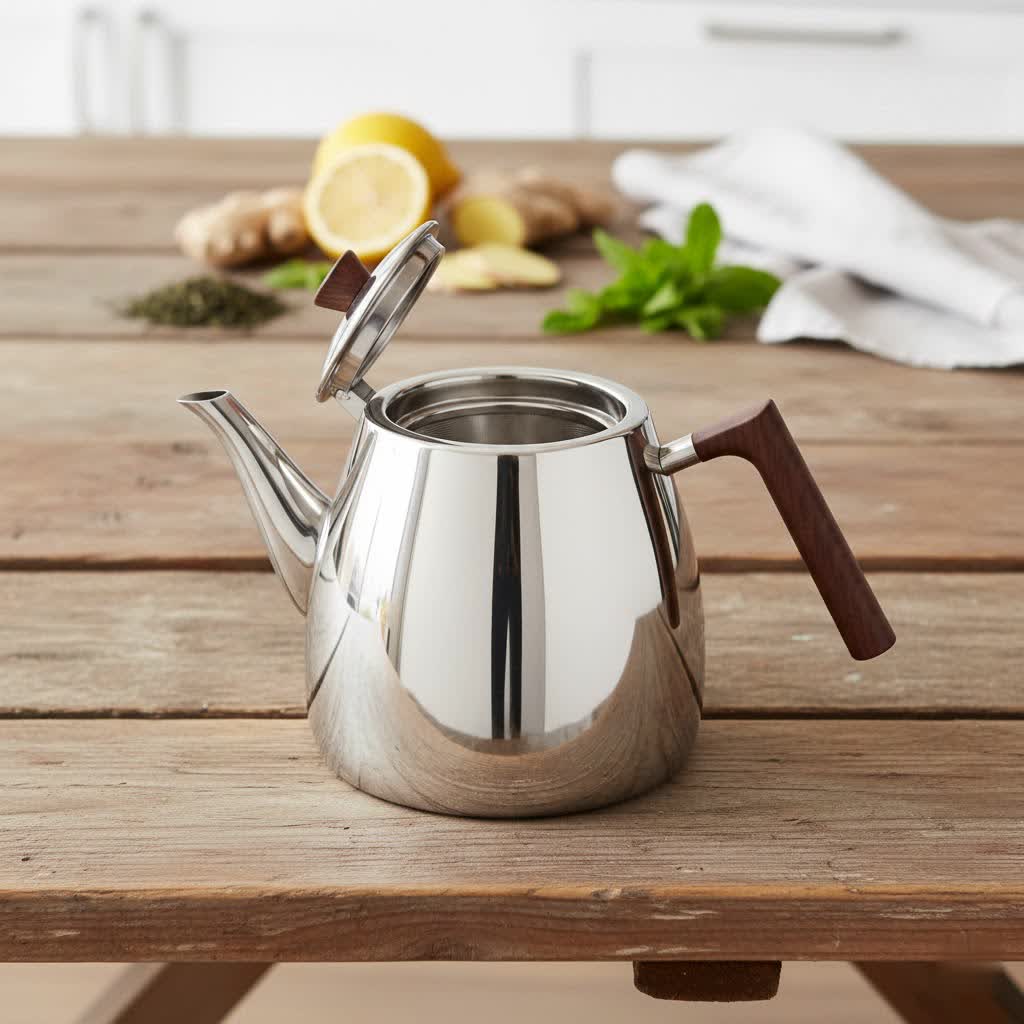
There’s a unique comfort in the ritual of boiling water for tea, especially when the steady flame of a gas stove works its magic. But selecting the perfect teapot for your gas stovetop isn’t just about aesthetics; it’s about finding a vessel that combines durability, efficiency, and safety. With a decade of experience in home appliances, particularly tea products, I’ve tested countless models—from rustic clay pots to modern electric kettles—and understand what truly makes a teapot excel on a gas burner. This comprehensive guide will help you navigate the options, ensuring you choose a teapot that will be a cherished companion in your tea-making journey for years to come.
Understanding Teapot Materials for Gas Stoves
The material of your teapot is the most crucial factor when it comes to performance and safety on a gas stove. Different materials react to direct flame in distinct ways, affecting heating time, heat retention, and overall longevity.
Stainless Steel: The Durable Workhorse
Stainless steel teapots are a perennial favorite for good reason. They are highly durable, resistant to rust, and suitable for use on gas, electric, and even induction stovetops. This material is non-reactive, meaning it won’t impart any metallic taste to your tea, even with acidic blends. When choosing stainless steel, look for food-grade 304 stainless steel, which ensures high quality and resistance to corrosion over time. These kettles are often lightweight and offer good heat conductivity, making them efficient for daily use.
Cast Iron: The Heat Retention Champion
If you value a teapot that keeps your water hot for extended periods, cast iron is an excellent choice. These heavy-duty teapots excel at retaining heat, making them ideal for leisurely tea sessions. Gas stove grates are well-suited to handle the weight of cast iron. However, cast iron requires diligent care to prevent rusting, often involving seasoning and thorough drying after each use. While robust, their weight can be a consideration for some users.
Enameled Steel/Cast Iron: Style Meets Function
Enameled teapots, whether steel or cast iron, offer a beautiful blend of functionality and style. The enamel coating provides a vibrant aesthetic and can be more resistant to chipping than you might expect, especially with high-quality brands. This material conducts heat efficiently and cleans up easily. However, some users have reported issues with rusting around the rim or inside after a few years, suggesting that proper care, including emptying and thoroughly drying after each use, is critical for longevity.
Copper: The Fast Heater (with a Catch)
|
Our Picks for the Best Tea Pot in 2026
As an Amazon Associate I earn from qualifying purchases.
|
||
| Num | Product | Action |
|---|---|---|
| 1 | PARACITY Glass Teapot Stovetop 18.6 OZ, Borosilicate Clear Tea Kettle with Removable 18/8 Stainless Steel Infuser, Teapot Blooming and Loose Leaf Tea Maker Tea Brewer for Camping, Travel (550ML) |

|
| 2 | PARACITY Glass Teapot Stovetop 20 OZ/600ml, Tea pot with Removable 18/8 Stainless Steel Infuser, Borosilicate Clear Tea Kettle, Teapot Blooming and Loose Leaf Tea Maker Tea Brewer for Camping, Travel |
|
| 3 | 1500ml(50oz) Glass Teapot with Removable Infuser, Ehugos Stovetop Safe Large Tea Pot, Blooming and Loose Leaf Hand Crafted Kettle for Women and Adult with Stainless Infuser |
|
| 4 | Glass Teapot with Infuser 60OZ (1800ml) Stovetop Safe, Clear Glass Tea Pot Kettle, Borosilicate Tea Pot with Infusers Filter for Loose Tea, Tea Kettle Dishwasher Safe |
|
| 5 | HIWARE 1000ml Glass Teapot with Removable Infuser, Stovetop Safe Tea Kettle, Blooming and Loose Leaf Tea Maker Set |
|
| 6 | Amazon Basics Electric Kettle with Glass Carafe for Tea and Coffee, BPA-Free, Fast Boiling, Auto Shut-Off, 1.7 Liter, 1500W, Black and Silver |
|
| 7 | Amazon Basics Electric Kettle with Glass Carafe for Tea and Coffee, BPA-Free, Fast Boiling, Auto Shut-Off, 1 Liter, 1500W, Glass and Steel |
|
| 8 | Amazon Basics Electric Stainless Steel Kettle for Tea and Coffee, BPA-Free, Fast Boiling, Auto Shut-Off, 1.7 Liter, 1500W, Black and Silver |
|
| 9 | Primula Stewart Whistling Stovetop Tea Kettle Food Grade Stainless Steel, Hot Water Fast to Boil, Cool Touch Folding, 1.5-Quart, Brushed with Black Handle |
|
| 10 | All-Clad Specialty Stainless Steel Tea Kettle 2 Quart Induction Pots and Pans, Cookware Silver |
|
Copper teapots are renowned for their exceptional heat conductivity, heating water quickly and distributing warmth evenly across the base. Their distinctive gleam adds a touch of classic elegance to any kitchen. However, copper requires more maintenance than other materials to prevent tarnishing and keep it looking pristine. High-end copper kettles, like Simplex models, are known for their longevity and efficient heating on gas stoves, sometimes featuring coils for even faster boiling.
Glass and Ceramic: Proceed with Caution (or Specific Design)
While attractive and non-reactive, most standard glass and ceramic teapots are generally not recommended for direct use on a gas stove. Direct flame can cause them to crack or shatter due to thermal shock. However, specially designed borosilicate glass teapots are an exception. Borosilicate glass is highly durable, non-toxic, non-porous, and engineered to withstand high temperatures, making it a safe choice when explicitly labeled “stovetop safe”. Similarly, some ceramic options are stovetop safe, but always verify manufacturer instructions. When considering these materials, ensure they are clearly designated for direct heat application on a stovetop.
Key Features to Look for in a Gas Stove Teapot
Beyond material, several design and functional elements contribute to a teapot’s suitability and performance on a gas stove.
Base Design for Optimal Heating
A teapot with a wide, flat, and sturdy base is paramount for gas stoves. A wide base maximizes contact with the flame, ensuring faster and more efficient heating of the water. A flat and sturdy base provides stability on the grates, preventing tipping and ensuring even heat distribution, which is crucial for safety and performance. Avoid teapots with uneven or curved bottoms as they can be unstable and heat inefficiently.
Safe and Comfortable Handles
Safety is non-negotiable when dealing with boiling water over an open flame. Look for handles made from heat-resistant materials such as resin, sturdy plastic, wood, or those coated in silicone. These materials ensure the handle remains cool enough to grasp safely, even when the kettle is at a rolling boil. All-metal handles, unless exceptionally well-insulated, should generally be avoided or handled with an oven mitt, as they can become dangerously hot. The handle should also be positioned away from the lid for easy filling.
Capacity and Whistle Functionality
Consider your daily tea habits. For solo enjoyment or a couple, a smaller 1-1.5 liter capacity might suffice, offering quicker heating times. If you frequently entertain guests or have a large family of tea lovers, a larger capacity of 2-3 liters will be more practical. Many stovetop teapots come with a whistling feature, which is incredibly handy for multitasking in the kitchen, signaling when your water has reached a boil and preventing it from boiling dry.
Spout and Lid Design
A well-designed spout allows for smooth, controlled pouring without drips or spills, ensuring your countertop stays clean and your tea lands precisely in your cup. Look for a tight-fitting lid that traps heat inside the teapot, speeding up the boiling process and conserving energy. A lid that’s easy to remove for filling and cleaning is also a significant plus.
Ease of Cleaning
Maintaining your teapot is essential for its longevity and for preserving the pure taste of your tea. Choose a teapot with a smooth interior and a large opening, making it easy to access and clean. Simple shapes generally lend themselves to easier cleaning. For those living in hard water areas, regular descaling will be necessary to prevent mineral buildup.
Top Teapot Recommendations for Gas Stoves
Based on extensive testing and user feedback, certain teapots consistently stand out for their performance and durability on gas stoves.
Premium Picks
- Le Creuset Classic Whistling Kettle: This enameled carbon steel kettle is a beautiful and functional choice. It features a wide base for quick heating, a durable enamel finish, and a handle that generally stays cool enough to hold. Its elegant design often earns it a permanent spot on the stovetop.
- Chantal Classic Whistling Tea Kettle: Known for its quality construction, Chantal offers both steel and copper options. Users praise their comfortable handles and excellent performance on gas stoves, with copper models lauded for their rapid heating and longevity.
- All-Clad Stainless Steel Tea Kettle: These stainless steel kettles are built to last, with many users reporting them holding up beautifully for 8-15 years of daily use on gas stoves, even with hard water. They are celebrated for their durability and classic aesthetic.
Reliable Mid-Range Options
- OXO Good Grips Classic Tea Kettle: This brushed stainless steel kettle offers a good balance of capacity, lightweight design, and thoughtful features. It pours neatly, has a handle that stays cool, and includes a whistle that can be disabled. Its large opening makes for easy filling and cleaning.
- Susteas Modern Stainless Steel Whistle Kettle: A solid choice for larger households, this stainless steel kettle offers substantial capacity and efficient heating. Its easy-to-remove top and water-repelling finish simplify cleanup.
- Hario V60 Buono Drip Kettle: While often associated with pour-over coffee, this durable stainless steel gooseneck kettle excels at precise pouring and is virtually indestructible. It performs well on gas stoves and is a favorite among those seeking exceptional control.
Budget-Friendly Choices
- Mr. Coffee Flintshire Stainless Steel Whistling Tea Kettle: For an economical yet reliable option, this lightweight and compact stainless steel kettle provides excellent value. It performs admirably for its price point and is a popular choice for everyday use.
- IKEA Stainless Steel Teapots: Several users have reported incredible longevity from inexpensive IKEA stainless steel teapots, some lasting over a decade on gas stoves, proving that quality doesn’t always come with a high price tag.
Comparing Teapot Materials: A Quick Glance
| Material | Durability | Heat Retention | Gas Stove Suitability | Maintenance | Key Benefit | Potential Drawbacks |
|---|---|---|---|---|---|---|
| Stainless Steel | High | Medium | Excellent | Low | Durable, non-reactive, versatile | Can be heavy when full |
| Cast Iron | High | High | Excellent | Medium-High (rust) | Exceptional heat retention | Heavy, prone to rust without care |
| Enameled Steel/Cast Iron | Medium-High | Medium-High | Excellent | Medium (chipping/rust) | Aesthetic, good heat transfer | Enamel can chip, some reports of internal rust |
| Copper | Medium-High | High | Excellent | High (tarnishing) | Very fast and even heating | Requires regular polishing, generally expensive |
| Borosilicate Glass | Medium | Low | Specific models only | Low | Non-toxic, pure taste, visually appealing | Fragile if not handled carefully, specific models for stovetop only |
| Ceramic (Stovetop Safe) | Medium | High | Specific models only | Low | Non-toxic, good heat retention, aesthetic | Fragile, specific models for stovetop only |
Tips for Using and Maintaining Your Gas Stove Teapot
To ensure your teapot performs optimally and lasts for many years, a few simple practices can make a big difference.
Optimizing Heat Efficiency
Always match the size of your teapot’s base to the size of your gas burner. Flames should heat the bottom of the kettle directly, not lick up the sides, as this wastes energy and can damage the handle or exterior finish over time. A wider base ensures more efficient heat absorption, boiling water faster.
Preventing Rust and Scale Buildup
Even high-quality stainless steel can show signs of rust if water is left inside for prolonged periods. Always empty your teapot after use and allow it to air dry thoroughly. If you have hard water, mineral deposits (limescale) can build up inside. Regularly descale your teapot using a solution of vinegar and water to keep the interior clean and ensure optimal heating performance.
General Cleaning and Care
For daily cleaning, a quick wipe with soapy water and a thorough rinse is usually sufficient. Avoid abrasive cleaners or harsh scouring pads, especially on enameled or polished surfaces, as these can scratch or dull the finish. Always refer to the manufacturer’s specific cleaning instructions for your teapot. Remember, teapots are designed for water only; never heat milk or other liquids in them, as this can leave residue or scorch the interior.
> “A good teapot is not just a tool for brewing tea; it’s a piece of art that elevates the entire experience.” – Trần Văn A, Tea Master
Conclusion
Choosing the best teapot for your gas stove is an investment in your daily tea ritual. By understanding the properties of different materials—from the reliable durability of stainless steel and the excellent heat retention of cast iron, to the unique qualities of enameled, copper, and specialized glass options—you can make an informed decision. Prioritizing features like a wide, stable base, a heat-resistant handle, and a practical capacity will ensure your chosen teapot serves you safely and efficiently for years to come. With proper care and maintenance, your gas stove teapot will become an indispensable part of your kitchen, ready to bring warmth and comfort with every whistle.
What cherished teapot memories will you create with your perfect gas stove companion?
Frequently Asked Questions
Which material is safest for a gas stove teapot?
Food-grade stainless steel (like 304) and specially designed enameled steel or cast iron are generally considered safe for gas stove teapots due to their durability and heat resistance. Borosilicate glass can also be safe if explicitly labeled for stovetop use. Always prioritize materials that are non-reactive and won’t leach substances into your water.
Can I use a glass teapot on a gas stove?
Most standard glass teapots are not safe for direct use on a gas stove and can crack from the direct flame. However, teapots made specifically from borosilicate glass that are clearly labeled “stovetop safe” are designed to withstand high temperatures and can be used on a gas stove. Always check manufacturer instructions.
How often should I descale my teapot?
The frequency of descaling depends on the hardness of your water and how often you use your teapot. If you notice mineral buildup or a decrease in heating efficiency, it’s time to descale. For hard water areas and daily use, descaling once a month might be necessary, while others may only need to do it every few months.
Get our weekly buyer guide
Practical specs, not advice. Unsubscribe anytime.
