Stepping into the world of loose leaf tea is an invitation to a richer, more authentic brewing experience. As an Admin of ReviewedHW.com with over a decade in home appliances, especially tea-related products, I understand that the right loose leaf tea pot isn’t just a vessel; it’s the heart of your tea ritual. It influences not only the flavor of your brew but also the entire sensory journey. This comprehensive guide will help you navigate the myriad options, ensuring you find the ideal teapot to elevate your daily cup.
The Allure of Loose Leaf Tea: Why It Matters
Before diving into teapots, let’s briefly appreciate why loose leaf tea stands superior to its bagged counterparts. Loose leaf tea typically features whole or larger tea leaves, in contrast to the “tea dust” or fannings often found in tea bags. This difference in leaf quality translates directly to flavor. Whole leaves have ample space to unfurl and release their complex notes, resulting in a more nuanced and flavorful brew. Beyond taste, loose leaf tea often boasts a higher concentration of beneficial antioxidants and offers greater control over steeping time, strength, and temperature. From an environmental standpoint, choosing loose leaf also reduces waste, as the spent leaves are compostable, and packaging is minimal. This commitment to quality, flavor, and sustainability makes the investment in a dedicated loose leaf tea pot truly worthwhile. For shop curated tea pots on this site.
Decoding Loose Leaf Tea Pot Materials
The material of your loose leaf tea pot is paramount, influencing everything from heat retention to the purity of your tea’s flavor. Each material offers distinct advantages and characteristics.
Glass Teapots: The Window to Your Brew
Glass teapots, often made from borosilicate glass, are celebrated for their transparency, allowing you to witness the captivating dance of tea leaves as they unfurl and release their colors. This visual aspect is particularly enchanting for blooming teas. Glass is generally non-reactive, meaning it won’t impart any unwanted flavors to your delicate brews.
- Pros:
- Visual Appeal: Offers a clear view of the steeping process.
- Flavor Neutrality: Does not absorb or alter tea flavors.
- Versatility: Suitable for all tea types, especially blooming teas.
- Easy to Clean: Often dishwasher-safe (remove metal parts first).
- Cons:
- Fragility: More prone to breakage than other materials.
- Heat Retention: Can cool faster than ceramic or cast iron, though some borosilicate models offer good insulation.
Ceramic and Porcelain Teapots: The Classic Choice
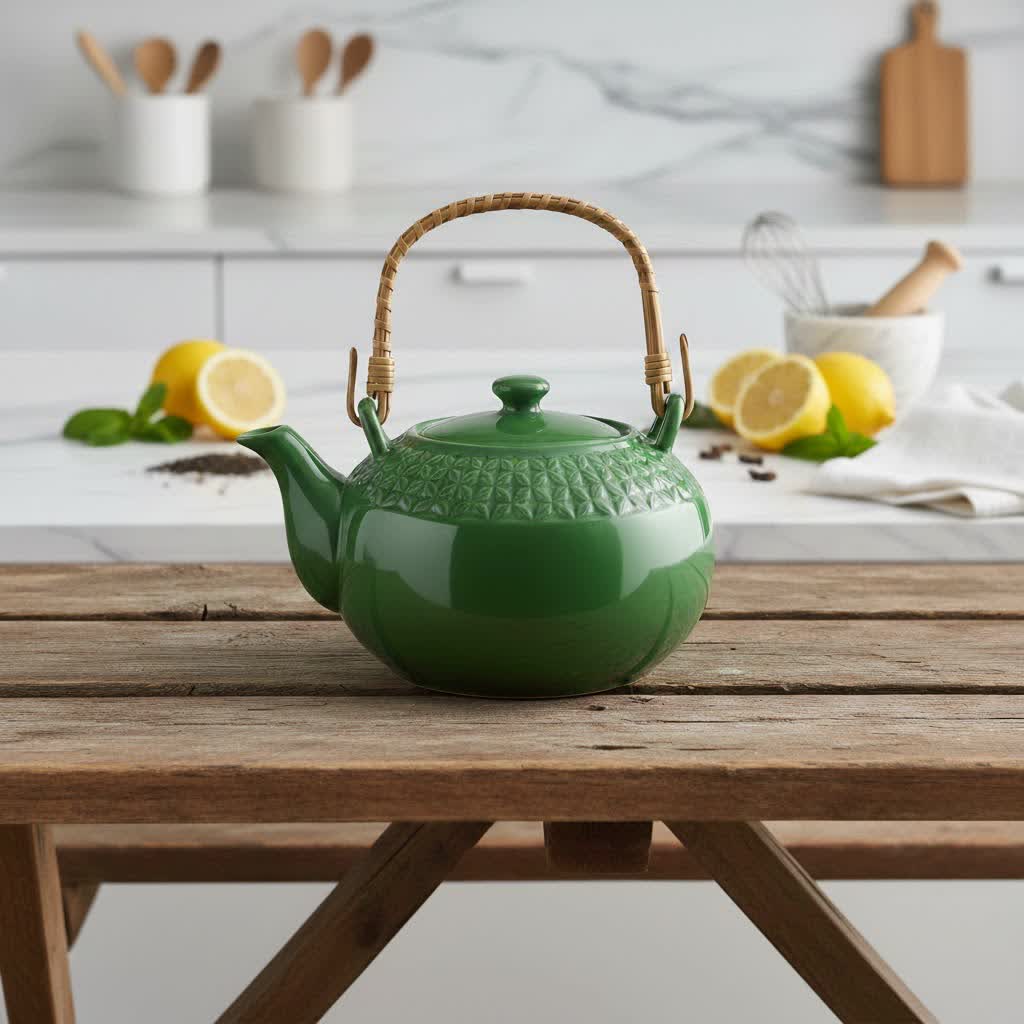
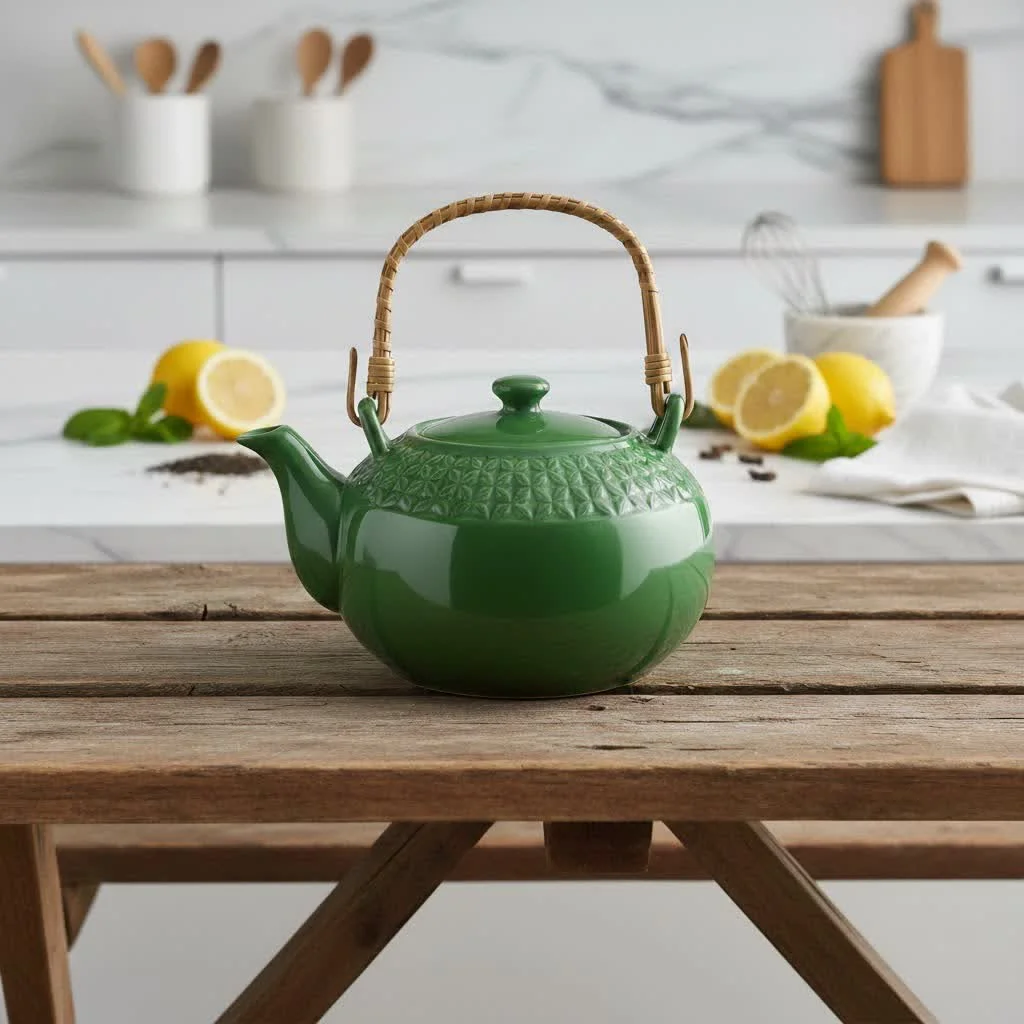
Ceramic and porcelain teapots are timeless favorites, known for their elegant aesthetics and excellent performance. Porcelain, a type of ceramic, is particularly non-porous and fine. Both materials are highly regarded for their ability to retain heat evenly, keeping your tea warm for extended periods. Glazed ceramic and porcelain are non-reactive and won’t affect your tea’s taste.
- Pros:
- Superior Heat Retention: Keeps tea warm for longer.
- Flavor Neutrality: Glazed surfaces prevent flavor absorption.
- Durability: Sturdy and less fragile than glass.
- Aesthetic Variety: Available in countless designs and colors.
- Cons:
- Opaque: You cannot see the tea steeping process.
- Weight: Can be heavier, especially larger models.
Cast Iron Teapots: Enduring Warmth and Tradition
|
Our Picks for the Best Tea Pot in 2026
As an Amazon Associate I earn from qualifying purchases.
|
||
| Num | Product | Action |
|---|---|---|
| 1 | PARACITY Glass Teapot Stovetop 20 OZ/600ml, Tea pot with Removable 18/8 Stainless Steel Infuser, Borosilicate Clear Tea Kettle, Teapot Blooming and Loose Leaf Tea Maker Tea Brewer for Camping, Travel |

|
| 2 | Glass Teapot with Infuser 60OZ (1800ml) Stovetop Safe, Clear Glass Tea Pot Kettle, Borosilicate Tea Pot with Infusers Filter for Loose Tea, Tea Kettle Dishwasher Safe |
|
| 3 | HIWARE 1000ml Glass Teapot with Removable Infuser, Stovetop Safe Tea Kettle, Blooming and Loose Leaf Tea Maker Set |
|
| 4 | Amazon Basics Electric Stainless Steel Kettle for Tea and Coffee, BPA-Free, Fast Boiling, Auto Shut-Off, 1.7 Liter, 1500W, Black and Silver |
|
| 5 | Amazon Basics Electric Kettle with Glass Carafe for Tea and Coffee, BPA-Free, Fast Boiling, Auto Shut-Off, 1 Liter, 1500W, Glass and Steel |
|
| 6 | PARACITY Glass Teapot Stovetop 18.6 OZ, Borosilicate Clear Tea Kettle with Removable 18/8 Stainless Steel Infuser, Teapot Blooming and Loose Leaf Tea Maker Tea Brewer for Camping, Travel (550ML) |
|
| 7 | 1500ml(50oz) Glass Teapot with Removable Infuser, Ehugos Stovetop Safe Large Tea Pot, Blooming and Loose Leaf Hand Crafted Kettle for Women and Adult with Stainless Infuser |
|
| 8 | All-Clad Specialty Stainless Steel Tea Kettle 2 Quart Induction Pots and Pans, Cookware Silver |
|
| 9 | Primula Stewart Whistling Stovetop Tea Kettle Food Grade Stainless Steel, Hot Water Fast to Boil, Cool Touch Folding, 1.5-Quart, Brushed with Black Handle |
|
| 10 | Amazon Basics Electric Kettle with Glass Carafe for Tea and Coffee, BPA-Free, Fast Boiling, Auto Shut-Off, 1.7 Liter, 1500W, Black and Silver |
|
Cast iron teapots, often inspired by traditional Japanese Tetsubin, are robust vessels famed for their exceptional heat retention. They keep tea piping hot for extended periods, making them ideal for long tea sessions. Many cast iron teapots feature a rustic, earthy aesthetic that adds a touch of historical charm to your tea ritual. However, modern cast iron teapots usually have an enamel coating inside, making them suitable for brewing tea rather than boiling water.
- Pros:
- Excellent Heat Retention: Keeps tea hot for a very long time.
- Durability: Extremely resilient and long-lasting.
- Distinctive Aesthetic: Offers a unique, traditional look.
- Cons:
- Heavy: Can be cumbersome to lift and pour.
- Exterior Heat: The pot’s exterior can get very hot.
- Care: Requires specific care to prevent rust on unglazed areas; enamel lining needs gentle cleaning.
Clay/Stoneware Teapots: The Connoisseur’s Choice
Traditional clay teapots, like the renowned Yixing clay pots from China, are unglazed and porous. Over time, these teapots “season” by absorbing the flavors and oils of the tea brewed within them. This process is believed to enhance the flavor of subsequent brews, deepening their complexity. However, this characteristic means clay pots are typically dedicated to one type of tea to avoid flavor cross-contamination. Stoneware offers a similar earthy feel but is often glazed.
- Pros:
- Flavor Enhancement: Can develop a rich patina of flavor over time.
- Traditional Aesthetic: Offers a deeply authentic tea experience.
- Cons:
- Flavor Absorption: Must be dedicated to a single type of tea.
- Fragile: Can be delicate and require careful handling.
- Specific Care: Requires careful “seasoning” and cleaning.
Essential Features for a Superior Brewing Experience
Beyond the material, several design features dictate the functionality and enjoyment of your loose leaf tea pot.
Infuser Design: The Heart of the Brew
The infuser is critical for successful loose leaf tea brewing. A high-quality infuser allows tea leaves ample space to expand fully, ensuring optimal flavor extraction.
- Basket Infusers: These are widely recommended. They are typically large, cylindrical, and fit inside the teapot, providing maximum room for leaves to unfurl. Look for fine mesh holes to prevent small tea particles from escaping into your cup.
- Ball Infusers: While convenient for single servings, these smaller infusers often restrict leaf expansion, leading to a weaker brew.
- Built-in Strainers: Some teapots have strainers integrated into the spout. While this keeps leaves out, it requires you to pour the entire infusion quickly to prevent over-steeping the leaves still in the pot.
Size and Capacity: Matching Your Needs
Consider how many cups of tea you typically brew at once. Teapots range from small, individual-serving sizes (around 8-12 oz) to larger family-sized pots (24-32 oz or more). Matching your teapot’s volume to your serving needs ensures a balanced infusion, preventing weak first cups or overly strong later pours.
Pour Spout and Handle: Ergonomics and Elegance
A well-designed spout is crucial for a smooth, drip-free pour, preventing spills and mess. Look for spouts that offer good flow control. The handle should be comfortable to hold, providing stability and control, especially when the pot is full and heavy. Ceramic handles, for instance, tend to stay cooler than cast iron ones.
Lid Fit: Securing the Heat
A snugly fitting lid is essential for heat retention, keeping your tea at the optimal temperature for steeping. It also prevents steam from escaping, which contributes to the tea’s aroma.
Loose Leaf Tea Pot Comparison Chart
To help you visualize the differences, here’s a detailed comparison:
| Material | Heat Retention | Flavor Neutrality | Durability | Aesthetic | Ideal For |
|---|---|---|---|---|---|
| Glass | Moderate | Excellent | Moderate | Modern/Visual | Blooming teas, all types where visual appeal is desired |
| Ceramic/Porcelain | Excellent | Excellent | Good | Classic/Varied | All tea types, daily use, entertaining |
| Cast Iron | Superior | Good (enameled) | Excellent | Rustic/Traditional | Stronger black teas, keeping tea hot for longer |
| Clay/Stoneware | Good | Flavor-absorbing | Moderate | Earthy/Artisanal | Specific tea types (e.g., Pu-erh, Oolong for Yixing) |
How to Choose the Perfect Loose Leaf Tea Pot for You
Selecting the perfect teapot involves a thoughtful assessment of your personal preferences and brewing habits.
- Assess Your Tea Habits: What types of tea do you drink most frequently? Do you prefer delicate greens, robust blacks, or fragrant herbals? For instance, some Japanese green teas benefit from wider, shallower pots that prevent over-steeping. How often do you brew, and for how many people?
- Consider Your Budget: Teapots range widely in price. Determine a comfortable budget, remembering that a higher price doesn’t always guarantee the “best” pot for your needs.
- Prioritize Key Features: Do you value watching your tea steep (glass)? Is long-lasting warmth your top priority (cast iron)? Or is a neutral, consistent brew essential (ceramic/porcelain)?
- Check for Quality and Safety: Ensure the teapot is made from food-grade, lead-free materials. When buying ceramic or clay, especially from less-known sources, inquire about its safety standards. Always choose reputable brands.
Top Brands and Recommended Models
Based on extensive testing and user reviews, several brands consistently deliver quality loose leaf tea pots. While specific models may change, brands like Hiware (known for versatile glass teapots), Sweese (praised for porcelain options), and ForLife (appreciated for their durable ceramic teapots with fine infusers) are frequently recommended for their balance of aesthetics, functionality, and durability. For those seeking traditional Japanese cast iron, brands like Suyika offer authentic Tetsubin styles. The key is to look for models that feature well-designed infusers, comfortable handles, and appropriate capacity for your brewing needs.
Mastering the Art of Care and Maintenance
Proper care extends the life of your loose leaf tea pot and ensures optimal tea flavor.
- General Cleaning: Most glass, ceramic, and porcelain teapots are dishwasher-safe, but handwashing with mild soap and a soft sponge is always gentler. Avoid abrasive cleaners or scrubbers that can scratch surfaces or damage glazes.
- Preventing Stains: Regularly clean your teapot to prevent tannin stains, especially with black teas. A mixture of baking soda and water can help remove stubborn stains.
- Drying: Always ensure your teapot is thoroughly dry before storing to prevent mildew or, in the case of cast iron, rust.
- Specific Material Care:
- Cast Iron: Avoid harsh soaps. Dry immediately after use to prevent rust, particularly on any unenameled exteriors or rims.
- Clay (Unglazed): Never use soap, as the clay will absorb it. Simply rinse with hot water and wipe dry. Remember, these pots are seasoned by tea, so cleaning should respect that process.
- Storage: Store your teapot in a safe place where it won’t be easily knocked over or chipped.
> “A good teapot is more than just a brewing tool; it’s a piece of art that enhances the ritual and flavor of your tea.”
Conclusion
The journey of enjoying loose leaf tea is deeply enriched by the right teapot. Whether you’re drawn to the visual spectacle of glass, the classic elegance and heat retention of ceramic, the robust tradition of cast iron, or the connoisseur’s choice of clay, selecting a teapot tailored to your preferences transforms every cup into a mindful moment. By considering the material, infuser design, capacity, and ergonomic features, you can confidently choose a loose leaf tea pot that will serve you beautifully for years to come. What kind of tea pot do you envision yourself brewing with next?
Frequently Asked Questions
What material is best for a loose leaf tea pot?
The “best” material for a loose leaf tea pot depends on your priorities. Glass is ideal for visually enjoying the tea and maintaining pure flavor. Ceramic and porcelain offer excellent heat retention and flavor neutrality, making them versatile for all tea types. Cast iron provides superior heat retention for prolonged warmth, while unglazed clay enhances specific tea flavors over time.
How much tea should I put in a loose leaf tea pot?
The general rule of thumb is one teaspoon of loose leaf tea per 8 ounces (one cup) of water, plus an extra teaspoon for the pot itself if you’re making multiple servings. However, this can vary based on the tea type (e.g., a fluffy white tea might need more volume than a dense black tea) and your personal strength preference.
How do I clean a loose leaf tea pot?
For most glass, ceramic, and porcelain teapots, handwashing with warm water and mild soap is recommended, or they may be dishwasher safe. For unglazed clay or cast iron, avoid soap; simply rinse thoroughly with hot water and dry immediately to prevent rust or flavor absorption. Regular cleaning prevents tannin buildup.
Can I use a loose leaf tea pot for tea bags?
Yes, you can certainly use a loose leaf tea pot for tea bags. While the primary design of a loose leaf teapot, especially one with a built-in infuser, is optimized for loose leaves, it can accommodate tea bags without any issue. However, you might find the benefits of loose leaf tea (e.g., more room for expansion, better flavor) are diminished when using bags.
Get our weekly buyer guide
Practical specs, not advice. Unsubscribe anytime.

I’ve been using a basic tea ball for years, but after reading about the importance of leaf expansion, I decided to upgrade. This guide really helped me understand why a good teapot makes such a difference. My new ceramic pot allows the whole leaves to unfurl beautifully, and the flavor of my oolong is so much richer now. It’s truly elevated my morning ritual.
I always thought a teapot was just a teapot, but the explanation about how the vessel influences the flavor really resonated with me. I used to get bitter notes from my green tea, and it turns out my old pot wasn’t allowing proper infusion. My new porcelain pot has made a world of difference; my green tea is smooth and delicious now.
I appreciated the breakdown of different materials. I ended up getting a glass teapot because I love watching the tea steep, but I’ve found it cools down a bit faster than I’d like. It’s still a good pot for the visual appeal, but next time I might consider something with better heat retention for longer sessions.
This guide was super helpful in narrowing down my choices. I was specifically looking for something that would work well for larger gatherings, and the tips on capacity were spot on. I ended up with a lovely cast iron pot that holds plenty and keeps the tea warm for ages. It’s a bit heavy, but worth it for the convenience and aesthetic.