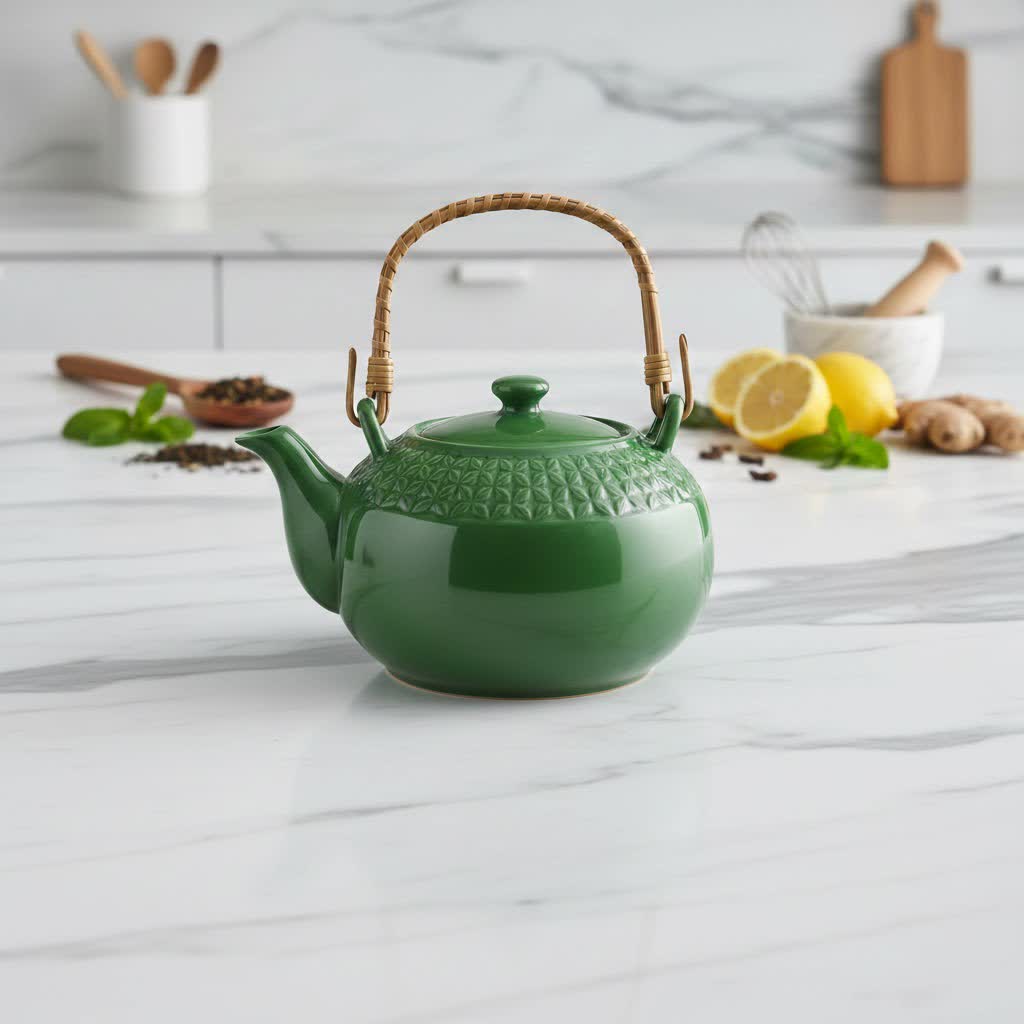
For many, a cup of tea is more than just a beverage; it’s a ritual, a moment of calm, a burst of flavor. If you’re passionate about loose leaf tea, a high-quality tea steeper pot is an indispensable tool that elevates your entire tea-drinking experience. Far beyond a simple tea bag, the right steeper pot allows leaves to fully unfurl, releasing their complex aromas and beneficial compounds, transforming an ordinary brew into an extraordinary one. This guide will walk you through everything you need to know to select the ideal tea steeper pot that aligns with your preferences and lifestyle.
Understanding Tea Steeper Pots: More Than Just a Kettle
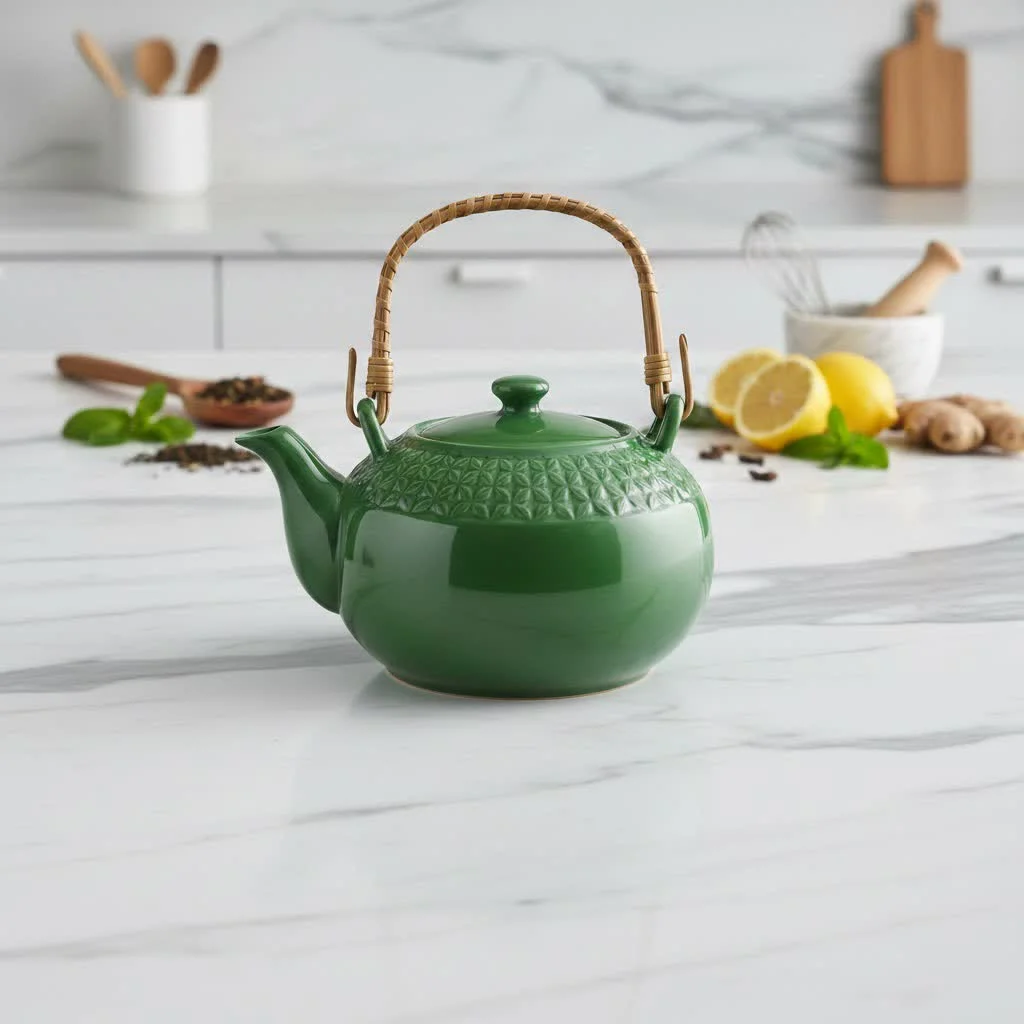
At its core, a tea steeper pot, often interchangeably called a tea infuser pot or a teapot with an infuser, is designed to hold loose tea leaves while allowing hot water to circulate around them, extracting their essence into your brew. Unlike a standard kettle, which merely heats water, a steeper pot facilitates the infusion process directly. For best tea pots roundups on this site.
Choosing to brew with a tea steeper pot for loose leaf tea offers several advantages. Loose leaves generally undergo less processing than those found in tea bags, meaning they retain more of their natural flavors, essential oils, and antioxidants. Steeper pots allow these leaves ample space to expand, a crucial factor for optimal flavor extraction that tea bags often restrict. This not only results in a richer, more nuanced cup but also contributes to a more eco-friendly practice by reducing reliance on single-use tea bags.
Popular Types of Tea Steeper Pots
The world of tea steeper pots is diverse, offering a range of materials and designs, each with unique characteristics that influence the brewing process and the final taste of your tea.
Glass Tea Steeper Pots
Glass tea steeper pots are celebrated for their elegant transparency, which allows you to visually appreciate the “dance” of tea leaves as they unfurl and the color of your brew deepens. They are particularly ideal for blooming teas, where the visual spectacle is part of the charm. Borosilicate glass is commonly used for its resistance to thermal shock, making it safer for boiling water.
- Pros: Offers a beautiful visual experience, does not impart any flavor to the tea, and is generally easy to clean.
- Cons: Can be fragile and prone to breakage. Some glass teapots may not retain heat as well as other materials, and internal glass infusers with small slits can be challenging to clean effectively, sometimes trapping tea leaves.
Ceramic and Porcelain Tea Steeper Pots
|
Our Picks for the Best Tea Pot in 2026
As an Amazon Associate I earn from qualifying purchases.
|
||
| Num | Product | Action |
|---|---|---|
| 1 | Amazon Basics Electric Stainless Steel Kettle for Tea and Coffee, BPA-Free, Fast Boiling, Auto Shut-Off, 1.7 Liter, 1500W, Black and Silver |

|
| 2 | 1500ml(50oz) Glass Teapot with Removable Infuser, Ehugos Stovetop Safe Large Tea Pot, Blooming and Loose Leaf Hand Crafted Kettle for Women and Adult with Stainless Infuser |
|
| 3 | Amazon Basics Electric Kettle with Glass Carafe for Tea and Coffee, BPA-Free, Fast Boiling, Auto Shut-Off, 1.7 Liter, 1500W, Black and Silver |
|
| 4 | Primula Stewart Whistling Stovetop Tea Kettle Food Grade Stainless Steel, Hot Water Fast to Boil, Cool Touch Folding, 1.5-Quart, Brushed with Black Handle |
|
| 5 | PARACITY Glass Teapot Stovetop 18.6 OZ, Borosilicate Clear Tea Kettle with Removable 18/8 Stainless Steel Infuser, Teapot Blooming and Loose Leaf Tea Maker Tea Brewer for Camping, Travel (550ML) |
|
| 6 | HIWARE 1000ml Glass Teapot with Removable Infuser, Stovetop Safe Tea Kettle, Blooming and Loose Leaf Tea Maker Set |
|
| 7 | Amazon Basics Electric Kettle with Glass Carafe for Tea and Coffee, BPA-Free, Fast Boiling, Auto Shut-Off, 1 Liter, 1500W, Glass and Steel |
|
| 8 | Glass Teapot with Infuser 60OZ (1800ml) Stovetop Safe, Clear Glass Tea Pot Kettle, Borosilicate Tea Pot with Infusers Filter for Loose Tea, Tea Kettle Dishwasher Safe |
|
| 9 | All-Clad Specialty Stainless Steel Tea Kettle 2 Quart Induction Pots and Pans, Cookware Silver |
|
| 10 | PARACITY Glass Teapot Stovetop 20 OZ/600ml, Tea pot with Removable 18/8 Stainless Steel Infuser, Borosilicate Clear Tea Kettle, Teapot Blooming and Loose Leaf Tea Maker Tea Brewer for Camping, Travel |
|
Ceramic and porcelain tea steeper pots are mainstays in tea culture worldwide, prized for their aesthetic versatility and excellent heat retention. These materials are non-reactive, ensuring that the true flavor of your tea is preserved without any metallic or off-notes.
- Pros: Exceptional heat retention keeps tea warm for longer, glazed surfaces are easy to clean and resist staining, and they are sturdy and durable. They are suitable for all types of tea.
- Cons: Their opaque nature means you cannot observe the steeping process, and they can be heavy.
Cast Iron Tea Steeper Pots
Originating from Japan, cast iron teapots (Tetsubin) are renowned for their robust construction and superior heat retention capabilities. While traditionally used for heating water, modern cast iron teapots often come with an enamel coating on the inside, allowing them to be used for steeping tea directly.
- Pros: Maintains tea temperature for extended periods, highly durable, and provides even infusion.
- Cons: Very heavy, can be prone to rust on unenameled parts if not cared for properly, and typically more expensive.
Stainless Steel Infuser Baskets and Teapots
Stainless steel is a popular choice for tea infusers and integrated teapot designs due to its durability and ease of maintenance. Stainless steel infuser baskets are often preferred by tea enthusiasts for their ample space, allowing tea leaves to expand fully and release their flavors.
- Pros: Extremely durable, generally dishwasher safe, and easy to clean. High-quality stainless steel typically won’t impact the tea’s taste.
- Cons: Can sometimes get very hot to the touch, and lower-grade stainless steel might impart a subtle metallic taste. Some traditionalists prefer non-metallic materials.
Silicone Tea Steepers
Silicone steepers offer a modern, often playful alternative. Available in various fun shapes and colors, they are typically flexible and travel-friendly. Most are made from food-grade, BPA-free silicone, designed to be safe for use with hot beverages.
- Pros: Flexible and adaptable to different cup sizes, lightweight, durable, and generally easy to clean. Often more affordable.
- Cons: Some users report a slight “plastic” taste, especially when new or with lower quality silicone. May not always allow optimal leaf expansion if the design is too restrictive.
Electric Tea Makers with Infusers
For the ultimate in convenience and precision, electric tea makers with built-in infusers offer automated brewing cycles and precise temperature control, which is critical for delicate teas like green and white varieties.
- Pros: Excellent temperature control, programmable steeping times, and hands-free operation.
- Cons: Significantly higher cost, less traditional aesthetic, and more components to clean.
Detailed Comparison: Finding Your Ideal Match
To help you navigate the options, here’s a detailed comparison of common tea steeper pot types:
| Feature | Glass | Ceramic/Porcelain | Cast Iron | Stainless Steel Infusers | Silicone Steepers |
|---|---|---|---|---|---|
| Material | Borosilicate Glass | Glazed Ceramic/Porcelain | Enamel-lined Cast Iron | Food-grade Stainless Steel | Food-grade Silicone |
| Durability | Moderate (prone to breakage) | High (sturdy) | Very High (heavy-duty) | High (corrosion-resistant) | High (flexible, won’t shatter) |
| Heat Retention | Moderate (cools faster) | High (keeps tea warm for long) | Excellent (sustained warmth) | Moderate (can get hot to touch) | Moderate |
| Aesthetic | Transparent, elegant, visual appeal | Classic, varied designs, opaque | Traditional, rustic, bold | Modern, sleek, functional | Fun, colorful, contemporary |
| Ease of Cleaning | Moderate (can stain, fine slits hard) | High (glazed surfaces) | Moderate (can rust if unenameled) | High (dishwasher safe, fine mesh) | High (flexible, dishwasher safe) |
| Price Range | $$ | $$-$$$ | $$$-$$$$ | $ | $ |
| Best For | Blooming teas, visual enjoyment, light teas | All teas, everyday use, entertaining | Robust teas, keeping tea hot, traditional | All teas, versatile, single/multiple | Casual use, travel, novelty, mugs |
The Art of Selection: A Comprehensive Buying Guide
Choosing the perfect tea steeper pot involves more than just picking the prettiest one. It’s about understanding your personal tea habits and preferences.
Assess Your Tea Habits
Do you brew a single cup for yourself each morning, or do you host tea gatherings for friends and family? For individual servings, a smaller mug infuser or a compact basket infuser might be perfect. If you’re making tea for a crowd, a larger teapot with a spacious infuser basket is more practical. Consider if you need a steeper for on-the-go (travel mug infuser) or primarily for home use.
Consider Tea Leaf Type
Different tea leaves have different needs. Whole leaf teas, like some Oolongs or larger Black teas, require ample space to unfurl. A wide, roomy basket infuser is ideal for these. For finer-cut teas or herbal infusions like Rooibos, a fine mesh infuser is crucial to prevent small particles from escaping into your cup.
Material Matters
Your choice of material impacts heat retention, durability, and taste neutrality.
- Ceramic and cast iron are excellent for teas that benefit from sustained heat, like black teas and pu-erhs.
- Glass is wonderful for delicate green teas or blooming teas where visual clarity is desired.
- Stainless steel offers a balance of durability and functionality for everyday use, but ensure it’s high-grade to avoid metallic tastes.
- Silicone is a good lightweight, portable option, but always opt for BPA-free varieties.
Ergonomics and Safety
Look for features that enhance usability and safety. A comfortable, heat-resistant handle is essential for pouring hot tea. Ensure the infuser is easy to insert and remove without burning your fingers. Check for secure lids and drip-free spouts. For silicone steepers, verify that they are made from food-grade, BPA-free materials.
Budgeting for Your Brew
Tea steeper pots range widely in price. Simple mesh infusers can be very affordable, while elaborate cast iron teapots or electric tea makers represent a more significant investment. Determine your budget beforehand and focus on finding the best quality within that range, prioritizing functionality and durability.
Top-Rated Tea Steeper Pot Brands and Models
Several brands consistently receive high marks for their tea steeper pots, offering a blend of quality, design, and functionality. Brands like OXO and Fenshine are often praised for their durable stainless steel basket and ball infusers, known for their fine mesh and ease of cleaning. For elegant teapots with integrated infusers, Vahdam and Tea Forte offer well-regarded options in materials like glass and ceramic, catering to both visual appeal and efficient brewing. While brands like Teabloom offer aesthetically pleasing glass teapots, some users note concerns about durability and the effectiveness of glass diffusers in allowing full circulation. DAVIDsTEA provides popular steepers known for their convenient bottom-dispensing mechanism, offering a unique approach to infusion.
Brewing Perfection: Usage and Maintenance Tips
Possessing the right tea steeper pot is just the first step; proper usage and maintenance ensure a consistently delicious brew and prolong the life of your equipment.
Correct Steeping Temperature & Time
The ideal temperature and steeping time vary significantly by tea type. Green and white teas generally require cooler water (around 175-185°F or 80-85°C) and shorter steeping times (1-3 minutes) to prevent bitterness. Black and herbal teas can tolerate hotter water (200-212°F or 93-100°C) and longer steeping times (3-5+ minutes). Always consult the specific instructions for your tea to unlock its best flavor.
Cleaning Your Tea Steeper Pot
Regular cleaning is crucial to prevent residue buildup and flavor transfer.
- Stainless Steel and Silicone: Most are dishwasher safe, or can be easily hand-washed with soap and water. For stubborn tea stains on stainless steel, a mixture of baking soda and vinegar can be effective.
- Ceramic and Porcelain: Hand wash with warm soapy water. Glazed surfaces are typically very easy to clean.
- Glass: Hand washing is often recommended to prevent breakage. For stains, a vinegar solution can help restore clarity. Be particularly diligent with intricate glass diffusers to remove trapped leaves.
- Cast Iron: If unenameled, avoid soap. Rinse with hot water and dry thoroughly to prevent rust. For enameled interiors, a gentle rinse is usually sufficient.
Storage Tips
Store your tea steeper pot in a dry, clean place to prevent dust accumulation and potential damage. Ensure it’s completely dry before storing, especially for cast iron, to avoid rust. Keeping your steeper away from strong odors will also help maintain its neutrality and prevent unwanted flavors from transferring to your tea.
“A well-chosen tea steeper pot transforms a simple act into a mindful experience, allowing the true character of the tea to shine.” – Eleanor Vance, Master Tea Blender
Conclusion
The journey to the perfect cup of loose leaf tea is a delightful one, and a well-selected tea steeper pot is your trusted companion. By understanding the diverse types, materials, and features available, you can confidently choose a pot that not only meets your practical needs but also enhances the ritual of tea preparation. From the visual elegance of glass to the robust warmth of cast iron, each steeper pot offers a unique path to infusion perfection. Experiment, explore, and savor every sip.
What kind of tea ritual will your new steeper pot inspire?
Frequently Asked Questions
Which tea steeper pot material is best for health?
Food-grade stainless steel, borosilicate glass, and glazed ceramic/porcelain are generally considered the healthiest materials for tea steeper pots. They are non-reactive, meaning they won’t leach chemicals or alter the taste of your tea. Always look for BPA-free certification for silicone options.
Can I use a tea steeper pot for coffee?
While some French presses can brew both coffee and tea, most dedicated tea steeper pots are not ideal for coffee. The fine grind of coffee grounds can clog tea infusers, and coffee oils can be difficult to fully clean from the mesh, potentially tainting future tea brews. It’s best to use separate equipment for coffee.
How often should I clean my tea steeper pot?
You should rinse your tea steeper pot thoroughly with hot water after every use. For a deeper clean, wash it with mild soap and water daily or after every few uses, depending on how frequently you brew and the type of tea. Regular cleaning prevents residue buildup and maintains optimal flavor.
What’s the difference between a tea infuser and a tea steeper pot?
A “tea infuser” typically refers to smaller devices like tea balls or basket inserts designed to hold leaves within a cup or pot. A “tea steeper pot” or “teapot with infuser” is usually a larger vessel that incorporates an infuser directly into its design, allowing you to brew and serve tea from the same pot. The terms are often used interchangeably, but “steep” refers to the process, and “infuser” to the device holding the leaves.
Are larger tea steeper pots always better?
Not necessarily. While larger steeper pots are great for brewing multiple servings and allow more room for leaves to expand, their size might not be convenient for single servings or limited counter space. The “best” size depends on your typical brewing volume and personal preference, ensuring enough space for the tea leaves to fully expand without being overcrowded.
Get our weekly buyer guide
Practical specs, not advice. Unsubscribe anytime.

I’ve been using a basic mesh ball infuser for years, but after reading about how important it is for leaves to unfurl, I finally upgraded to a larger steeper pot with a wide infuser basket. What a difference! My green tea tastes so much richer and less bitter now. It’s truly transformed my morning ritual.
I picked up one of the glass steeper pots mentioned, and while it looks beautiful and lets me watch the leaves, I find it cools down a bit too quickly. I like my tea really hot, so I have to drink it faster than I’d prefer. It’s fine for a quick cup, but not ideal for lingering.
This guide was so helpful! I was always confused about the different types of steeper pots. I ended up getting a ceramic one with a built-in infuser for my herbal teas, and it’s perfect. It keeps the tea warm for ages and is super easy to clean. Definitely an upgrade from my old method.
I appreciate the breakdown of materials. I went with a stainless steel steeper pot because I tend to be clumsy, and I needed something durable. It’s been great for my daily black tea, and I don’t have to worry about it breaking if I accidentally knock it. The flavor extraction is excellent too.