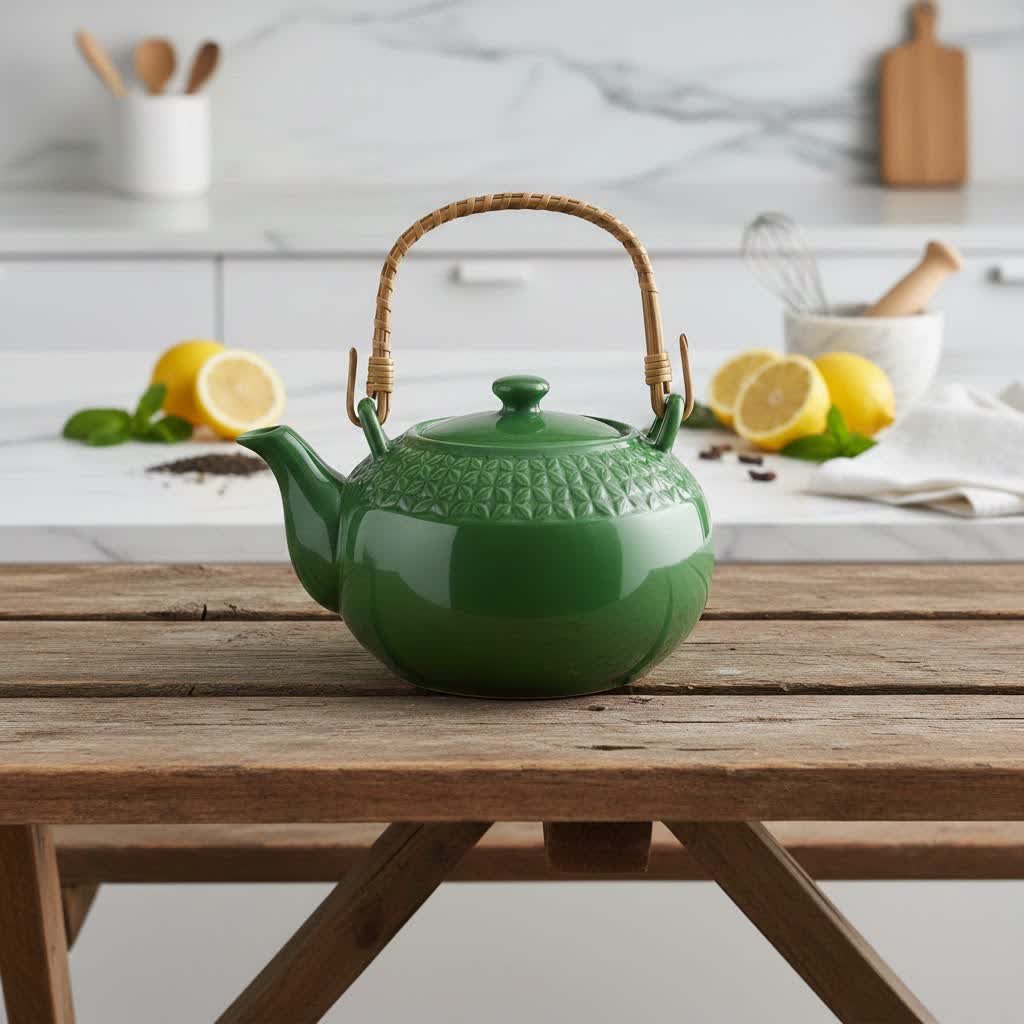
Stepping into the world of loose leaf tea is a journey of exquisite flavors and aromatic discoveries. Beyond just the tea itself, the vessel you choose to brew it in—your loose leaf tea pot—plays a pivotal role in shaping that experience. From enhancing the visual spectacle of unfurling leaves to ensuring optimal heat retention for a perfect steep, the right teapot can transform a simple brew into a cherished ritual. But with countless options available, how do you find the one that truly suits your needs and elevates your daily cup? This comprehensive guide will navigate you through the diverse landscape of loose leaf tea pots, helping you make an informed choice that promises many delightful moments.
Exploring the Diverse World of Loose Leaf Tea Pots
The beauty of loose leaf tea is its variety, and the same can be said for the teapots designed to brew it. Each material and design offers a unique interplay of aesthetics, functionality, and brewing characteristics. Understanding these differences is the first step toward finding your ideal companion.
Glass Teapots: A Window to Your Brew
Glass teapots, often crafted from durable borosilicate glass, are a favorite among those who appreciate the visual artistry of tea brewing. Imagine watching delicate green leaves unfurl or a flowering tea bloom into a vibrant spectacle. This transparency isn’t just for show; it allows you to precisely monitor the steeping process and color of your tea, ensuring a perfect brew every time. Glass is non-reactive, meaning it won’t impart any flavor to your tea, making it incredibly versatile for all tea types.
While offering unparalleled visual appeal and a neutral flavor profile, glass teapots do have a few considerations. They typically don’t retain heat as well as other materials, which might be a factor for longer tea sessions. Though modern borosilicate glass is surprisingly robust, it remains more fragile than ceramic or cast iron and may require careful handling, especially when handwashing to prevent breakage. Some models are designed to be stovetop or microwave safe, adding to their convenience.
Ceramic and Porcelain Teapots: Timeless Elegance and Versatility
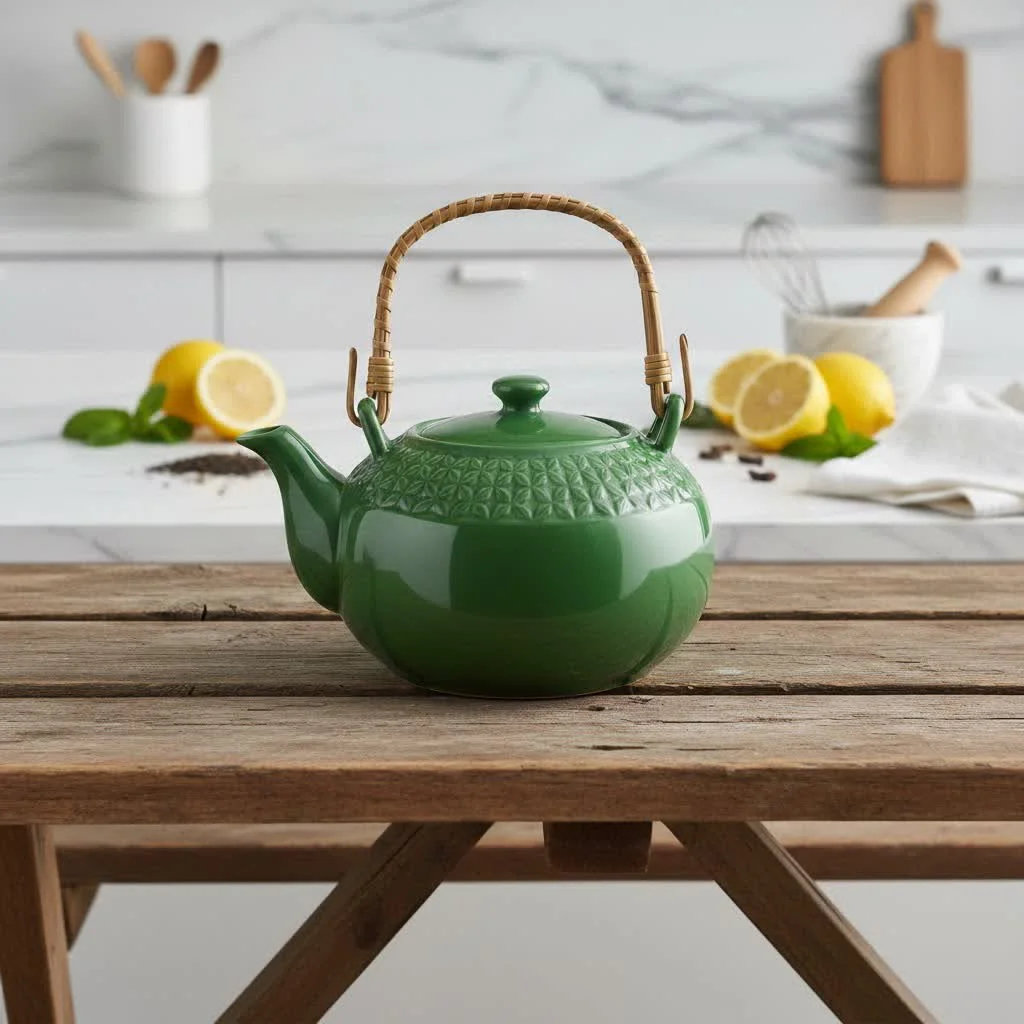
Ceramic and porcelain teapots stand as pillars in the world of tea, revered for their classic beauty and exceptional versatility. Porcelain, a refined type of ceramic, offers a delicate elegance, while ceramic pots provide a charming rustic appeal. These materials are celebrated for their excellent heat retention properties, keeping your tea warm for extended periods, which is ideal for black teas or herbal infusions that require higher brewing temperatures.
With a non-reactive, often glazed interior, ceramic and porcelain teapots ensure a pure tea flavor, allowing the true character of your loose leaf tea to shine without interference. They are typically durable, easy to clean, and available in an astonishing array of shapes, sizes, and decorative patterns to complement any kitchen or tea set. From traditional to modern, a ceramic or porcelain teapot offers a blend of functionality, durability, and aesthetic charm suitable for almost any tea lover.
Cast Iron Teapots (Tetsubin): Enduring Warmth and Rustic Charm
|
Our Picks for the Best Tea Pot in 2026
As an Amazon Associate I earn from qualifying purchases.
|
||
| Num | Product | Action |
|---|---|---|
| 1 | Amazon Basics Electric Kettle with Glass Carafe for Tea and Coffee, BPA-Free, Fast Boiling, Auto Shut-Off, 1 Liter, 1500W, Glass and Steel |

|
| 2 | 1500ml(50oz) Glass Teapot with Removable Infuser, Ehugos Stovetop Safe Large Tea Pot, Blooming and Loose Leaf Hand Crafted Kettle for Women and Adult with Stainless Infuser |
|
| 3 | Glass Teapot with Infuser 60OZ (1800ml) Stovetop Safe, Clear Glass Tea Pot Kettle, Borosilicate Tea Pot with Infusers Filter for Loose Tea, Tea Kettle Dishwasher Safe |
|
| 4 | PARACITY Glass Teapot Stovetop 18.6 OZ, Borosilicate Clear Tea Kettle with Removable 18/8 Stainless Steel Infuser, Teapot Blooming and Loose Leaf Tea Maker Tea Brewer for Camping, Travel (550ML) |
|
| 5 | PARACITY Glass Teapot Stovetop 20 OZ/600ml, Tea pot with Removable 18/8 Stainless Steel Infuser, Borosilicate Clear Tea Kettle, Teapot Blooming and Loose Leaf Tea Maker Tea Brewer for Camping, Travel |
|
| 6 | Primula Stewart Whistling Stovetop Tea Kettle Food Grade Stainless Steel, Hot Water Fast to Boil, Cool Touch Folding, 1.5-Quart, Brushed with Black Handle |
|
| 7 | HIWARE 1000ml Glass Teapot with Removable Infuser, Stovetop Safe Tea Kettle, Blooming and Loose Leaf Tea Maker Set |
|
| 8 | Amazon Basics Electric Stainless Steel Kettle for Tea and Coffee, BPA-Free, Fast Boiling, Auto Shut-Off, 1.7 Liter, 1500W, Black and Silver |
|
| 9 | All-Clad Specialty Stainless Steel Tea Kettle 2 Quart Induction Pots and Pans, Cookware Silver |
|
| 10 | Amazon Basics Electric Kettle with Glass Carafe for Tea and Coffee, BPA-Free, Fast Boiling, Auto Shut-Off, 1.7 Liter, 1500W, Black and Silver |
|
Hailing from Japan, cast iron teapots, known as Tetsubin, are renowned for their incredible ability to retain and distribute heat evenly. Once heated, these pots keep your tea wonderfully warm for a significantly longer duration, making them perfect for leisurely tea enjoyment or robust teas like black and oolong that benefit from sustained heat. Their substantial weight and often intricate designs lend a sense of tradition and gravitas to any tea ceremony.
While traditionally used to boil water, modern cast iron teapots typically feature an enamel coating on the interior, preventing rust and allowing them to be used directly for steeping without affecting the tea’s flavor. The exterior, however, can get very hot, so a well-designed, heat-resistant handle is crucial. Despite their weight, their durability is legendary, often lasting for generations with proper care.
Clay Teapots (Yixing): The Connoisseur’s Choice
Yixing clay teapots, originating from Yixing, China, are perhaps the most unique among tea brewing vessels. Made from unglazed, porous clay, these teapots are designed to “season” over time. As you brew a specific type of tea, the clay absorbs its flavors and aromas, eventually enhancing subsequent brews of the same tea. This characteristic makes Yixing pots highly specialized and usually dedicated to a single type of tea, such as Oolong or Pu-erh.
For the dedicated tea connoisseur, a Yixing teapot offers an unparalleled depth of flavor development and a deeply personal connection to the tea ritual. However, this also means they require particular care and are not suitable for those who wish to brew a wide variety of teas in a single pot. Cleaning is typically done with just water, avoiding soap to preserve the absorbed tea essences.
Stainless Steel Teapots: Modern Durability and Practicality
Stainless steel teapots offer a contemporary and highly practical option for loose leaf tea enthusiasts. Known for their exceptional durability and resistance to staining, these teapots are built to withstand daily use. Like cast iron, stainless steel excels at heat retention, making it an excellent choice for brewing robust black teas and herbal blends that thrive in consistent warmth.
Many stainless steel teapots come equipped with integrated or removable fine-mesh infusers, streamlining the brewing process. They are generally easy to clean and maintain, often being dishwasher safe. While they may lack the delicate artistry of glass or ceramic, their modern aesthetic and robust performance make them a reliable and long-lasting choice for everyday brewing.
Comprehensive Comparison of Loose Leaf Tea Pot Materials
Choosing the right material is paramount. Here’s a detailed comparison to help you weigh your options:
| Feature | Glass Teapot | Ceramic/Porcelain Teapot | Cast Iron Teapot (Tetsubin) | Clay Teapot (Yixing) | Stainless Steel Teapot |
|---|---|---|---|---|---|
| Material | Borosilicate glass | Fired clay (glazed interior) | Cast iron (often enameled interior) | Unglazed porous clay | Stainless steel |
| Durability | Moderate (fragile to drops) | High (sturdy, chip-resistant) | Very High (extremely robust) | Moderate (porous, requires care) | Very High (dent and shatter-resistant) |
| Heat Retention | Low to Moderate | High | Very High (excellent) | Moderate to High | High |
| Flavor Neutrality | Excellent (non-reactive) | Excellent (non-reactive glaze) | Excellent (enameled interior) | Absorbs/enhances flavor (non-neutral) | Excellent (non-reactive) |
| Aesthetic | Modern, clear, visual appeal | Classic, elegant, diverse designs | Rustic, traditional, substantial | Traditional, earthy, minimalist | Modern, sleek, functional |
| Maintenance | Handwash recommended, can stain | Easy to clean, often dishwasher safe | Handwash, dry thoroughly (prevent rust if unglazed) | Handwash with water only, dedicated to one tea | Easy to clean, often dishwasher safe |
| Best For | Delicate teas, flowering teas, visual appeal | All tea types, everyday use | Robust teas, longer heat retention | Oolong, Pu-erh (dedicated use) | Robust teas, durability, convenience |
| Typical Price | $$ | $$-$$$ | $$$-$$$$ | $$$-$$$$ | $$-$$$ |
Your Guide to Purchasing the Perfect Loose Leaf Tea Pot
With a clearer understanding of the materials, let’s refine your search with practical considerations for buying your next loose leaf tea pot.
1. Identify Your Brewing Needs
Before falling for a teapot’s charming design, consider how you intend to use it.
- Solo or Social? A smaller pot (12-24 oz) is perfect for individual enjoyment, while larger capacities (30-50 oz) are ideal for serving guests or multiple cups throughout the day.
- Tea Type Preference: Do you mostly enjoy delicate green teas, robust black teas, or visually stunning blooming teas? This will heavily influence your material choice. Glass is wonderful for observing delicate leaves and flowering teas, while ceramic or cast iron excels at maintaining the heat needed for black teas.
- Frequency of Use: An everyday pot might prioritize durability and ease of cleaning, while a special occasion pot could lean towards intricate aesthetics.
2. Set Your Budget
Loose leaf tea pots vary widely in price, from affordable borosilicate glass options to heirloom-quality Yixing or Tetsubin pots. Determine what you’re comfortable spending, but remember that a higher price often correlates with better craftsmanship, durability, and a more refined brewing experience. View it as an investment in your daily ritual.
3. Focus on Infuser Design
For loose leaf tea, the infuser is a critical component. Look for one that:
- Offers Ample Space: Tea leaves need room to unfurl and expand fully to release their complete flavor profile. A cramped infuser will result in a weak, poorly brewed cup.
- Features Fine Mesh: This prevents tiny tea particles from escaping into your brew, ensuring a clear, sediment-free cup.
- Is Removable: A removable infuser allows you to easily control steeping time and clean the basket thoroughly.
- Is Securely Fitted: It should sit snugly within the teapot, preventing leaves from escaping around the edges or tipping over during pouring.
4. Evaluate Handle and Spout Design
These often-overlooked details significantly impact usability.
- Ergonomic Handle: Choose a handle that feels comfortable and secure in your hand, even when the pot is full and heavy. Ensure it remains cool to the touch, especially with materials like cast iron.
- Drip-Free Spout: A well-designed spout should pour smoothly and cleanly without dripping, preventing messes and waste. Look for spouts that are at least level with the rim of the main opening.
5. Consider Safety and Durability
Ensure your chosen teapot is made from food-safe materials. If you plan to place your teapot directly on a stovetop, confirm it is explicitly designed for that purpose (e.g., some borosilicate glass or specific cast iron models). Check for overall construction quality – a sturdy build indicates a longer lifespan.
Top Features to Look for in a High-Quality Loose Leaf Tea Pot
While specific brands come and go, certain design features consistently appear in highly-rated loose leaf tea pots, enhancing the brewing experience.
- Borosilicate Glass Construction: For glass teapots, borosilicate glass is crucial for heat resistance and durability against thermal shock, allowing for safe use with hot water.
- Integrated or Large Stainless Steel Infusers: A good infuser is often made of fine-mesh stainless steel, providing ample room for tea leaves to expand and preventing sediment in your cup.
- Glazed Ceramic/Porcelain Interiors: For ceramic or cast iron, a smooth, non-reactive glaze ensures that the teapot won’t absorb flavors from previous brews, making it versatile for various tea types.
- Excellent Heat Retention: Materials like ceramic, cast iron, and double-walled glass are prized for their ability to keep tea warm, allowing for a more relaxed drinking experience.
- Ergonomic and Heat-Resistant Handles: Comfort and safety during pouring are paramount. Look for handles that provide a secure grip and don’t conduct heat.
- Drip-Free Spouts: A well-engineered spout ensures a clean pour every time, preventing spills and drips.
Tips for Using and Maintaining Your Loose Leaf Tea Pot
Proper care is key to extending the life and enhancing the performance of your loose leaf tea pot.
Cleaning Your Tea Pot Correctly
- Glass and Ceramic/Porcelain: Most are dishwasher safe, but handwashing with a soft sponge and mild soap is often recommended to preserve delicate designs and prevent chips. Rinse thoroughly to remove all soap residue.
- Cast Iron: For enameled interiors, wash with mild soap and warm water, then dry immediately to prevent rust on any unenameled parts. For traditional, unenameled Tetsubin, never use soap; simply rinse with hot water and wipe dry.
- Yixing Clay: Never use soap. Rinse only with hot water after each use and allow to air dry completely.
- Infusers: Clean infusers promptly to prevent tea stains and residue buildup. A small brush can help dislodge stubborn leaves from fine mesh.
Storing Your Tea Pot for Longevity
- Ensure it’s Completely Dry: Before storing, make sure your teapot is completely dry inside and out to prevent mold, mildew, or rust (especially for cast iron).
- Protect from Damage: Store delicate glass or porcelain teapots where they won’t be easily knocked over or chipped.
- Separate Components: If your teapot has a removable infuser and lid, storing them separately can help air circulation and prevent odors.
Essential Brewing Notes
- Pre-warming: For optimal heat retention, especially with glass or thin ceramic pots, pre-warm your teapot by rinsing it with hot water before adding tea leaves and hot water.
- Don’t Overfill the Infuser: Give your loose tea leaves plenty of room to expand. A general rule is to fill the infuser about one-quarter to one-half full.
- Match Tea to Pot: Consider dedicating certain pots to specific tea types, particularly unglazed clay teapots, to avoid flavor cross-contamination and enhance the tea’s profile over time.
“A well-chosen teapot is more than just a brewing vessel; it’s a silent partner in the art of tea, enhancing every aroma, flavor, and moment of quiet contemplation.” – ReviewedHW.com Founder
Conclusion
Choosing the perfect loose leaf tea pot is a delightful journey, one that promises to enrich your daily tea ritual for years to come. By considering the unique properties of different materials, understanding the importance of a well-designed infuser, and paying attention to details like handles and spouts, you can confidently select a teapot that aligns with your preferences and brewing style. Whether you seek the visual clarity of glass, the timeless elegance of ceramic, the enduring warmth of cast iron, or the specialized refinement of Yixing clay, there’s a perfect pot waiting to transform your tea experience.
So, are you ready to elevate your tea game and unlock the full potential of every loose leaf brew? Take the time to explore, experiment, and find the teapot that speaks to your soul, turning every cup into a moment of pure bliss.
Frequently Asked Questions
What is the best material for a loose leaf teapot?
The “best” material depends on your priorities. Glass is excellent for visual appeal and delicate teas, ceramic/porcelain offers versatility and good heat retention for all teas, and cast iron is superior for retaining heat for robust teas. Yixing clay is ideal for connoisseurs dedicating a pot to one specific tea type.
Do all loose leaf teapots come with an infuser?
No, not all teapots come with an integrated infuser. Many modern loose leaf teapots, especially those made of glass or stainless steel, often include a removable fine-mesh infuser. However, traditional ceramic, porcelain, or clay teapots may require you to purchase a separate tea strainer or infuser.
How do I clean my loose leaf teapot?
Cleaning depends on the material. Glass, ceramic, and stainless steel can typically be washed with warm water and mild soap, though handwashing is often recommended for delicate pieces. Cast iron (if enameled) should be hand-washed and dried immediately. Unglazed clay teapots (like Yixing) should only be rinsed with hot water and never with soap to preserve their seasoned surface.
Can I use a loose leaf teapot for tea bags?
While you can use a loose leaf teapot for tea bags, it’s generally not the intended purpose. Tea bags don’t require the large infuser space or specific material properties beneficial for loose leaves. However, if your teapot has a removable infuser, you can simply take it out and place tea bags directly in the pot.
How important is heat retention for a loose leaf teapot?
Heat retention is very important, as it directly impacts the steeping process and the temperature of your tea throughout your drinking session. Teapots with good heat retention, such as those made from cast iron, ceramic, or porcelain, help maintain the optimal brewing temperature for a more consistent and flavorful extraction, particularly for teas that require hotter water or longer steeping times.
Get our weekly buyer guide
Practical specs, not advice. Unsubscribe anytime.

I’ve been using a basic infuser for years, but after reading about the importance of heat retention, I finally invested in a ceramic teapot. What a difference! My green tea stays warm for so much longer, and I can really taste the subtle notes now. It’s truly elevated my morning ritual.
This guide was super helpful in narrowing down my choices. I ended up going with a glass teapot so I could watch the leaves unfurl, and it’s just beautiful. My only minor complaint is that it cools down a bit faster than I’d like, but it’s worth it for the visual appeal. Still, a great purchase!
I always struggled with getting the right steep, but understanding the different materials and their impact on flavor really helped. I chose a cast iron pot for my darker oolongs, and it’s been fantastic. The even heat distribution makes such a difference, and my tea tastes richer than ever.
I was looking for something durable and easy to clean, so I picked up one of the stainless steel options mentioned. It’s definitely sturdy, but I’ve noticed a slight metallic taste with some of my more delicate white teas. It’s not terrible, but I might try a different material next time for those specific brews.