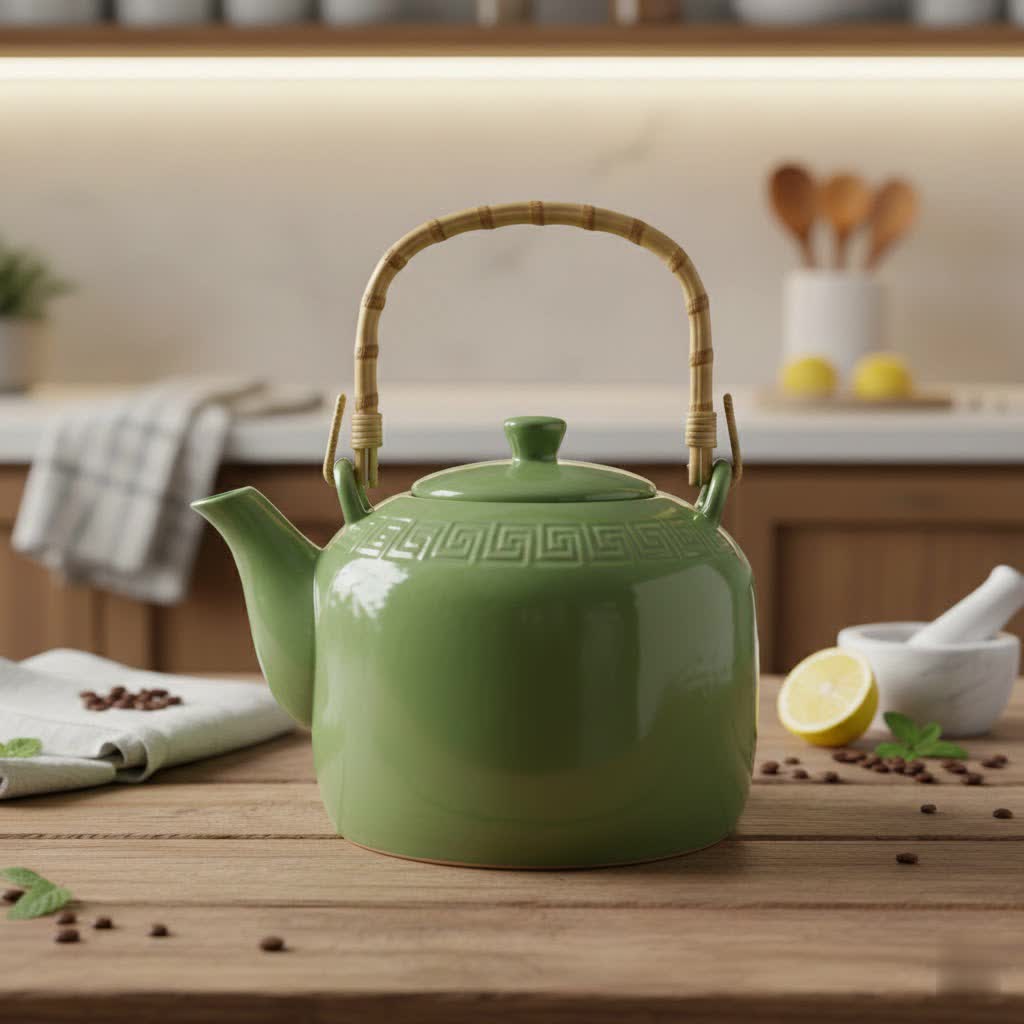
The aroma of freshly brewed chai is an unmistakable invitation to comfort and connection in India, a cultural cornerstone woven into daily life. At the heart of this cherished ritual often sits an Indian tea pot, a vessel that transcends mere functionality to embody rich heritage and exquisite artistry. From bustling roadside stalls to elegant homes, these distinctive pots play a pivotal role, not just in serving, but often in the very alchemy of creating the perfect cup of spiced tea.
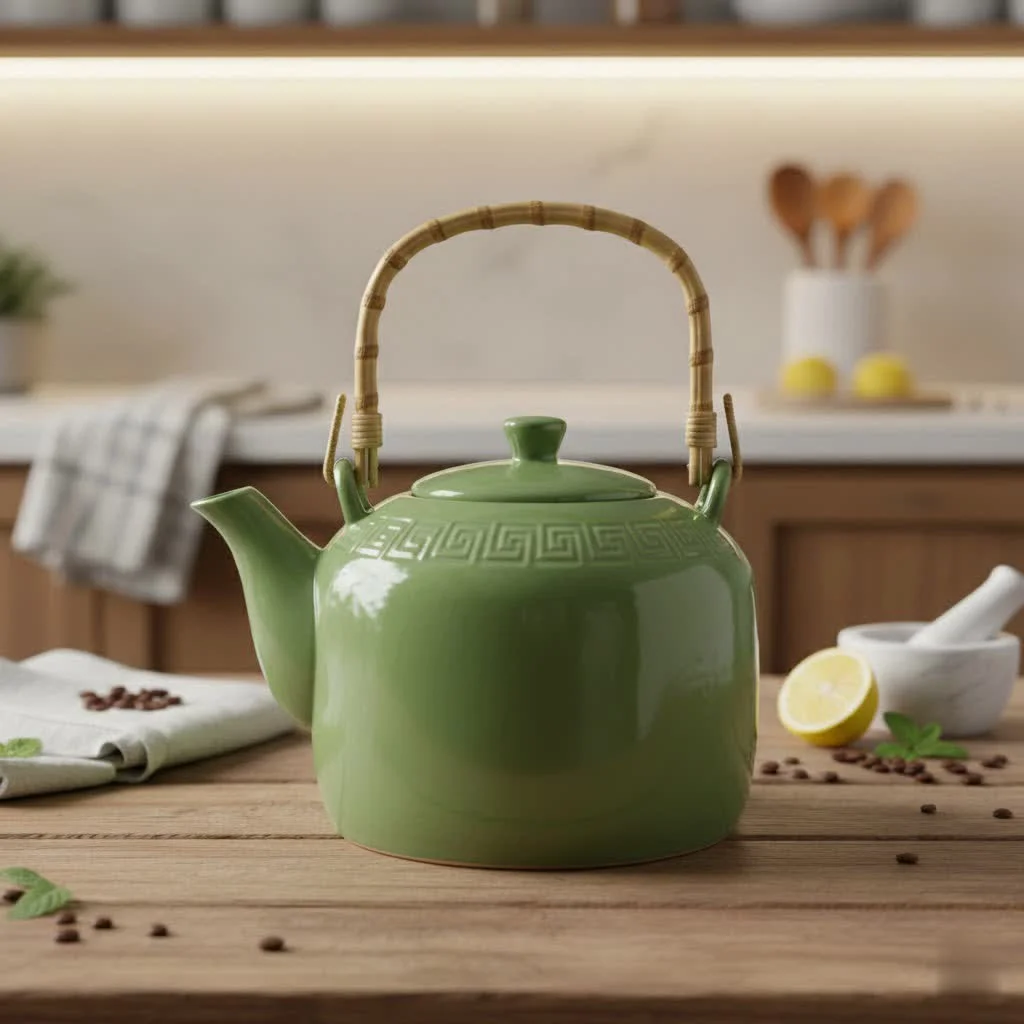
Understanding the Indian tea pot means appreciating its dual nature: some are purely for brewing, designed for the rigorous process of simmering tea, milk, and spices over a flame, while others are masterpieces crafted for the graceful act of serving, or simply to adorn a space with their vibrant beauty. This guide will navigate the diverse world of Indian tea pots, helping you discover the ideal companion for your tea journey. For tea pots buying guides on this site.
The Heart of Indian Tea: A Journey Through Its Vessels
Tea in India, particularly “chai” (which simply means tea in Hindi), is more than a beverage; it’s an experience. Masala chai, with its warming blend of spices, is often prepared by simmering all ingredients together, a process distinct from merely steeping tea leaves. This unique brewing method necessitates specific types of vessels, giving rise to the diverse array of Indian tea pots. The ubiquitous “chaiwallah” (tea seller) on the streets of India, expertly pouring steaming chai from a metal pot, is an iconic image that speaks volumes about the integral role these vessels play in the nation’s tea culture.
A Spectrum of Materials: Crafting Your Indian Tea Pot
Indian tea pots come in a fascinating variety of materials, each offering unique characteristics in terms of aesthetics, heat retention, and suitability for different tea-making practices.
Stainless Steel Chai Pots
For those seeking practicality and durability, stainless steel chai pots are a popular choice. They are robust, easy to clean, and perfectly suited for stovetop brewing, where masala chai ingredients are vigorously boiled. Many modern designs incorporate thoughtful features like integrated strainers, making the brewing process even more convenient. Their non-reactive surface ensures the tea’s flavor remains pure, while their resilience makes them ideal for daily use in any kitchen.
Brass and Copper Tea Pots
Steeped in tradition, brass and copper tea pots hold a special place in Indian households. These metals are not only visually stunning but are also revered for their perceived health benefits according to Ayurvedic principles, with copper believed to balance and brass to strengthen the body. Many of these exquisite pieces are handcrafted by master artisans, such as the UNESCO-listed Thathera Community, preserving centuries-old techniques.
When used for cooking or brewing, brass and copper pots are typically lined with tin (a process called “kalai”) to prevent the metal from reacting with acidic ingredients. This lining is crucial for safety and longevity. With regular use and proper care, including mild cleaning, this tin lining can last between ten to twelve months, after which it can be re-tinned to maintain its integrity. These pots excel at heat retention, keeping your chai wonderfully warm, and are designed for direct stovetop use, making them perfect for simmering masala chai. However, it is vital to ensure they are properly lined to avoid any concerns about metal leaching.
Hand-Painted Kettles and Serving Pots
|
Our Picks for the Best Tea Pot in 2026
As an Amazon Associate I earn from qualifying purchases.
|
||
| Num | Product | Action |
|---|---|---|
| 1 | PARACITY Glass Teapot Stovetop 18.6 OZ, Borosilicate Clear Tea Kettle with Removable 18/8 Stainless Steel Infuser, Teapot Blooming and Loose Leaf Tea Maker Tea Brewer for Camping, Travel (550ML) |

|
| 2 | Primula Stewart Whistling Stovetop Tea Kettle Food Grade Stainless Steel, Hot Water Fast to Boil, Cool Touch Folding, 1.5-Quart, Brushed with Black Handle |
|
| 3 | Amazon Basics Electric Kettle with Glass Carafe for Tea and Coffee, BPA-Free, Fast Boiling, Auto Shut-Off, 1 Liter, 1500W, Glass and Steel |
|
| 4 | Amazon Basics Electric Stainless Steel Kettle for Tea and Coffee, BPA-Free, Fast Boiling, Auto Shut-Off, 1.7 Liter, 1500W, Black and Silver |
|
| 5 | 1500ml(50oz) Glass Teapot with Removable Infuser, Ehugos Stovetop Safe Large Tea Pot, Blooming and Loose Leaf Hand Crafted Kettle for Women and Adult with Stainless Infuser |
|
| 6 | HIWARE 1000ml Glass Teapot with Removable Infuser, Stovetop Safe Tea Kettle, Blooming and Loose Leaf Tea Maker Set |
|
| 7 | Glass Teapot with Infuser 60OZ (1800ml) Stovetop Safe, Clear Glass Tea Pot Kettle, Borosilicate Tea Pot with Infusers Filter for Loose Tea, Tea Kettle Dishwasher Safe |
|
| 8 | PARACITY Glass Teapot Stovetop 20 OZ/600ml, Tea pot with Removable 18/8 Stainless Steel Infuser, Borosilicate Clear Tea Kettle, Teapot Blooming and Loose Leaf Tea Maker Tea Brewer for Camping, Travel |
|
| 9 | All-Clad Specialty Stainless Steel Tea Kettle 2 Quart Induction Pots and Pans, Cookware Silver |
|
| 10 | Amazon Basics Electric Kettle with Glass Carafe for Tea and Coffee, BPA-Free, Fast Boiling, Auto Shut-Off, 1.7 Liter, 1500W, Black and Silver |
|
For those who appreciate art alongside their tea, hand-painted kettles are a vibrant expression of Indian craftsmanship. Often crafted from aluminum or stainless steel, these decorative pieces are adorned with intricate motifs and patterns inspired by rich Indian Mughal and Rajput art, typically from regions like Rajasthan. While visually stunning and perfect for pouring and serving already brewed tea, or simply enhancing your home decor, it’s important to note that these are generally not designed for direct stovetop heating. Their beauty lies in their presentation, transforming any tea service into a royal affair.
Traditional Clay Pots (Kulhad)
The humble “kulhad” or clay pot offers a unique, earthy charm to the Indian tea experience. These unglazed earthenware cups and small pots are often used for serving chai, particularly by roadside vendors. The porous clay is believed to impart a subtle, earthy flavor to the tea, enhancing the overall experience. While traditionally disposable, some modern kulhads are designed for repeated use, bringing rustic authenticity to your home.
Choosing Your Ideal Indian Tea Pot: What to Consider
Selecting the perfect Indian tea pot involves more than just aesthetic appeal; it’s about matching the vessel to your needs and preferences.
- Purpose is Paramount: First, determine your primary use. Are you looking for a sturdy pot to brew authentic masala chai on your stovetop, or a beautiful vessel to serve tea and adorn your space? Some pots can do both, but clarifying this will narrow your choices significantly.
- Material and Safety: If stovetop brewing is your goal, opt for stainless steel, or tin-lined brass/copper. Always inquire about the lining if purchasing traditional metalware to ensure food safety. For serving or decor, hand-painted aluminum or steel kettles offer artistic flair.
- Size and Capacity: Consider how many people you typically serve. Indian tea pots come in various sizes, from single-serve kulhads to larger kettles perfect for entertaining guests.
- Design and Aesthetics: Indian tea pots are renowned for their artistry. Whether you prefer the intricate engravings of brass, the vibrant hues of hand-painted designs, or the rustic simplicity of clay, choose a style that resonates with your personal taste and home decor.
- Authenticity and Craftsmanship: Supporting artisans who uphold traditional crafts not only ensures a high-quality product but also helps preserve a vital part of India’s cultural heritage.
Caring for Your Treasured Indian Tea Pot
Proper care is essential to maintain the beauty and longevity of your Indian tea pot.
- For Brass and Copper Pots: If your pot is tin-lined, always hand wash with mild soap and water. Avoid harsh abrasives or acidic cleaners that can degrade the tin lining. For unlined decorative pieces, specialized metal cleaners can restore shine. Remember that tin lining will naturally wear over time and may need professional or DIY retinning after ten to twelve months of regular use, especially if used for cooking.
- For Hand-Painted Kettles: These delicate pieces require gentle handling. Hand wash with a soft cloth and mild soap, and absolutely do not scrub the painted surfaces. A dry cloth is best for wiping them down to preserve their vibrant artwork. Avoid placing them on direct heat sources like stovetops, as this can damage the paint and potentially the material.
- For Stainless Steel Pots: These are generally robust and easy to clean. Most can be washed with regular dish soap and a sponge. Check if they are dishwasher-safe, though handwashing often extends their life.
- For Clay Pots (Kulhad): Hand wash gently with water. Avoid soap, as the porous clay can absorb it, altering the taste of future tea. Ensure they are thoroughly dried to prevent mold.
A well-chosen Indian tea pot is more than just a kitchen item; it’s a piece of art, a link to ancient traditions, and a catalyst for countless moments of comfort and connection. Whether you’re a connoisseur of authentic masala chai or simply admire the rich cultural tapestry of India, embracing one of these remarkable vessels enhances your tea ritual in profound ways. From the robust practicality of stainless steel to the intricate beauty of hand-painted designs and the traditional warmth of brass, there’s an Indian tea pot perfectly suited to your taste and lifestyle.
Which Indian tea pot will you choose to infuse your daily moments with warmth and tradition?
Frequently Asked Questions
What is the best material for brewing authentic Indian Masala Chai?
For brewing authentic masala chai, which often involves simmering tea, milk, and spices directly on a stovetop, stainless steel or tin-lined brass/copper pots are generally considered best due to their durability and ability to withstand direct heat. Stainless steel is practical and easy to maintain, while tin-lined brass or copper offers traditional appeal and excellent heat retention.
Are Indian brass and copper tea pots safe for daily use?
Yes, Indian brass and copper tea pots can be safe for daily use if they are properly lined with tin (kalai). The tin lining prevents the metals from reacting with acidic foods or beverages, ensuring no undesirable substances leach into your tea. It’s crucial to ensure the lining is intact and maintained, as worn linings may require retinning for continued safe use.
Can I put a hand-painted Indian tea kettle directly on the stove?
Generally, no, hand-painted Indian tea kettles are not designed for direct stovetop heating. These kettles are primarily artistic and decorative, intended for serving already brewed tea or as display pieces. Placing them on a direct flame can damage the painted artwork and potentially harm the kettle itself.
How often should a tin-lined brass or copper tea pot be re-tinned?
The tin lining (kalai) in brass or copper tea pots typically lasts between ten to twelve months with regular use and mild cleaning. The frequency of retinning can vary depending on usage intensity and care, but it’s important to inspect the lining periodically and have it re-tinned when it shows signs of wear to ensure continued food safety.
Get our weekly buyer guide
Practical specs, not advice. Unsubscribe anytime.
