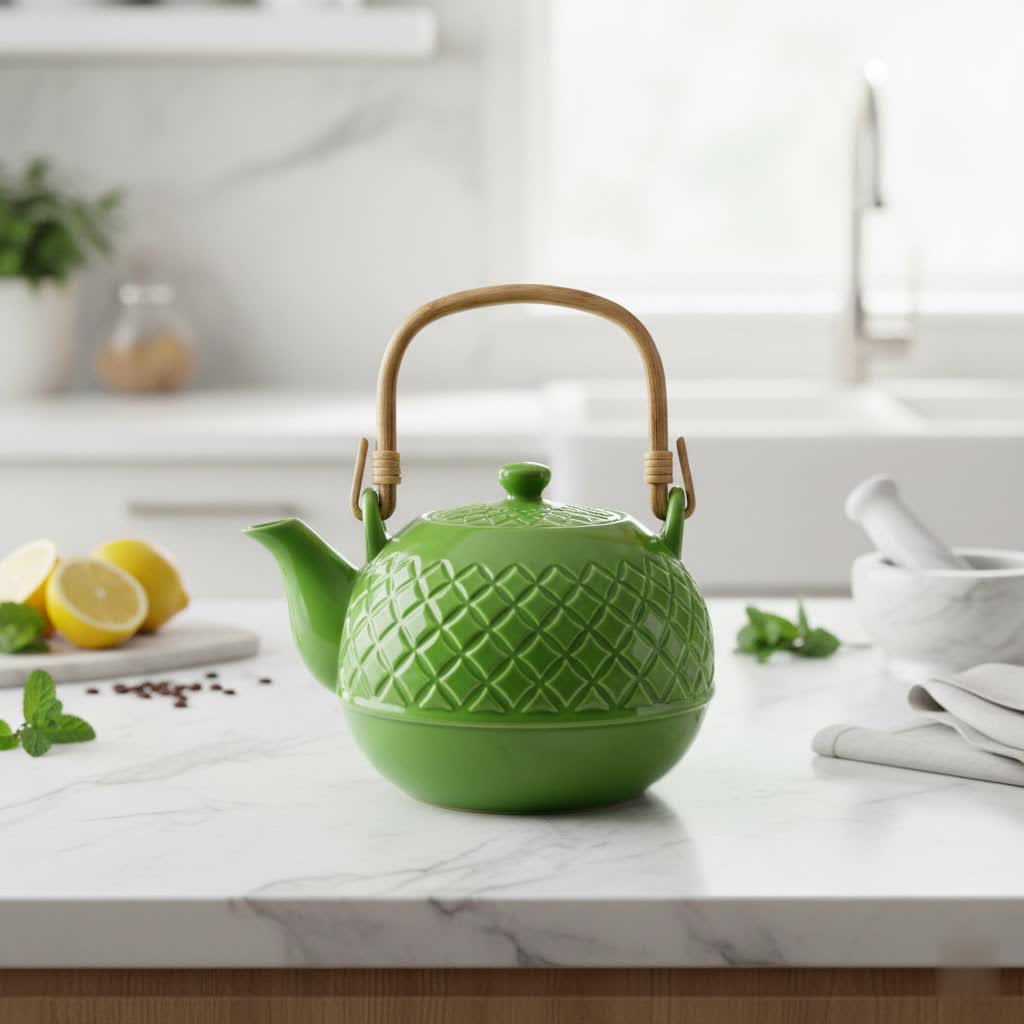
Stepping into the world of tea is more than just brewing a beverage; it’s an embrace of ritual, flavor, and tradition. The heart of this experience often lies in your choice of tea pot and cups. With countless options available, selecting the perfect set can feel overwhelming, yet it’s a decision that profoundly impacts every sip. From the delicate artistry of ceramic to the robust practicality of cast iron, understanding the nuances of different materials and designs will guide you to a collection that truly resonates with your personal taste and brewing style. This guide will walk you through the essential considerations, helping you curate a tea set that brings joy and enhances your daily tea moments.
Understanding the Heart of Your Tea Ritual: Teapots
The teapot is the centerpiece of any tea service, influencing everything from brewing efficiency to aesthetic appeal. Its material and design play a crucial role in how your tea infuses and stays warm.
Glass Teapots
Glass teapots offer a captivating visual experience, allowing you to witness the “agony of the leaves” as they unfurl and the tea’s color deepens. This transparency makes them ideal for blooming teas, showcasing their beauty. Functionally, glass is non-porous, ensuring that no residual flavors from previous brews affect your current cup, making it versatile for switching between different tea types. However, glass is inherently delicate and prone to breakage, often requiring careful hand washing. While it heats evenly, it doesn’t retain heat as well as some other materials, meaning your tea may cool down faster.
Ceramic and Porcelain Teapots
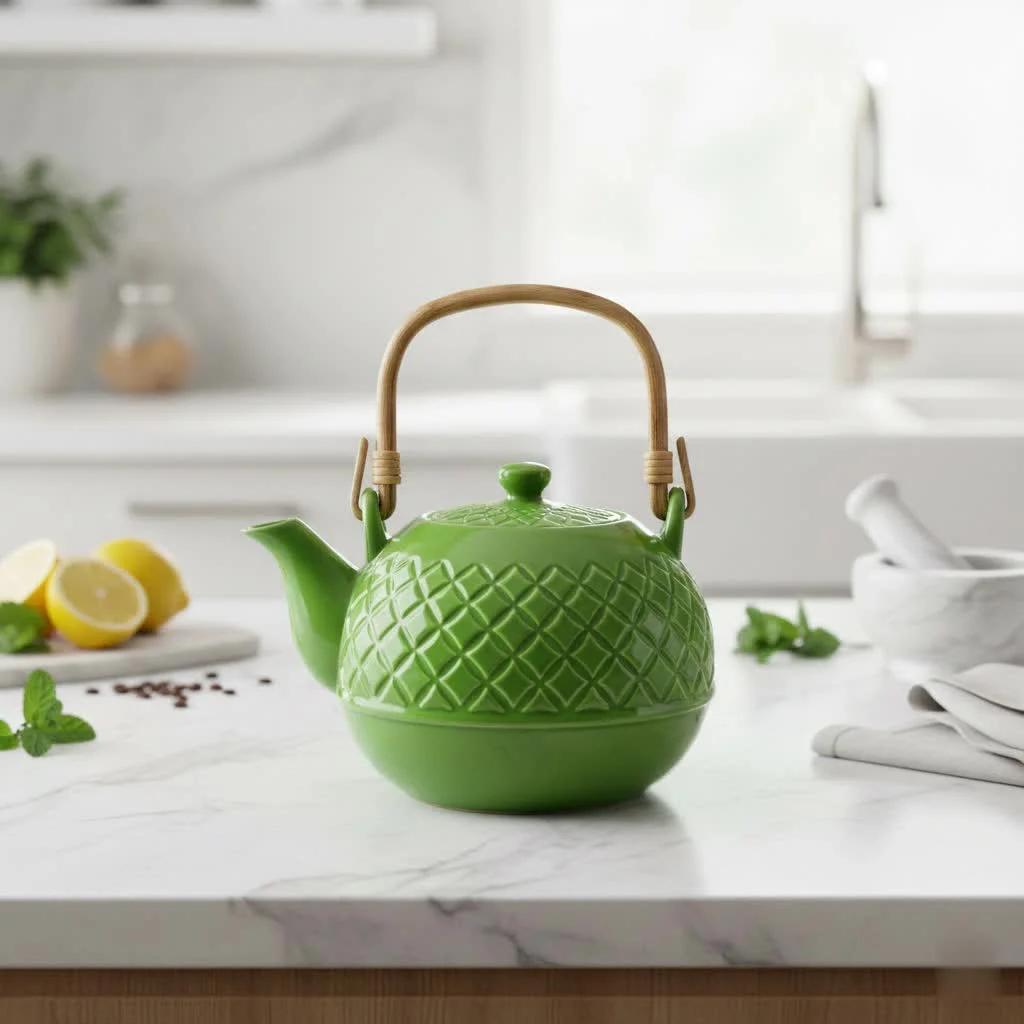
Ceramic and porcelain teapots are perhaps the most ubiquitous, cherished for their versatility, durability, and vast array of designs. Glazed ceramic and porcelain are non-porous and easy to clean, making them suitable for all tea types without flavor transfer. They generally offer good heat retention, keeping your tea warm for a comfortable duration. Porcelain, a refined type of ceramic, is often thinner and more elegant, while stoneware ceramics can be robust and rustic. Their sturdiness makes them a practical choice for everyday use and entertaining, though they can chip if mishandled.
Cast Iron Teapots
Originating from Japan, traditional cast iron teapots, known as tetsubin, are celebrated for their exceptional heat retention and durability. They can keep tea hot for extended periods, making them perfect for leisurely sipping or serving multiple cups. Often featuring intricate designs, they add a ceremonial elegance to any tea setting. Many modern cast iron teapots are enamel-lined to prevent rust and can be used for any tea type. However, they are notably heavy and require specific care, especially if un-enameled, to prevent rust. They are generally not designed for stovetop use unless explicitly stated.
Yixing Clay Teapots
|
Our Picks for the Best Tea Pot in 2026
As an Amazon Associate I earn from qualifying purchases.
|
||
| Num | Product | Action |
|---|---|---|
| 1 | Amazon Basics Electric Kettle with Glass Carafe for Tea and Coffee, BPA-Free, Fast Boiling, Auto Shut-Off, 1.7 Liter, 1500W, Black and Silver |

|
| 2 | All-Clad Specialty Stainless Steel Tea Kettle 2 Quart Induction Pots and Pans, Cookware Silver |
|
| 3 | 1500ml(50oz) Glass Teapot with Removable Infuser, Ehugos Stovetop Safe Large Tea Pot, Blooming and Loose Leaf Hand Crafted Kettle for Women and Adult with Stainless Infuser |
|
| 4 | Glass Teapot with Infuser 60OZ (1800ml) Stovetop Safe, Clear Glass Tea Pot Kettle, Borosilicate Tea Pot with Infusers Filter for Loose Tea, Tea Kettle Dishwasher Safe |
|
| 5 | Amazon Basics Electric Kettle with Glass Carafe for Tea and Coffee, BPA-Free, Fast Boiling, Auto Shut-Off, 1 Liter, 1500W, Glass and Steel |
|
| 6 | PARACITY Glass Teapot Stovetop 20 OZ/600ml, Tea pot with Removable 18/8 Stainless Steel Infuser, Borosilicate Clear Tea Kettle, Teapot Blooming and Loose Leaf Tea Maker Tea Brewer for Camping, Travel |
|
| 7 | PARACITY Glass Teapot Stovetop 18.6 OZ, Borosilicate Clear Tea Kettle with Removable 18/8 Stainless Steel Infuser, Teapot Blooming and Loose Leaf Tea Maker Tea Brewer for Camping, Travel (550ML) |
|
| 8 | Amazon Basics Electric Stainless Steel Kettle for Tea and Coffee, BPA-Free, Fast Boiling, Auto Shut-Off, 1.7 Liter, 1500W, Black and Silver |
|
| 9 | Primula Stewart Whistling Stovetop Tea Kettle Food Grade Stainless Steel, Hot Water Fast to Boil, Cool Touch Folding, 1.5-Quart, Brushed with Black Handle |
|
| 10 | HIWARE 1000ml Glass Teapot with Removable Infuser, Stovetop Safe Tea Kettle, Blooming and Loose Leaf Tea Maker Set |
|
Yixing teapots, hailing from China, are unglazed clay vessels renowned for enhancing the flavor of specific teas, particularly oolong and pu-erh. Over time, the porous clay absorbs the tea’s oils and minerals, developing a unique patina and enriching the brewing experience. This characteristic means that each Yixing pot should ideally be dedicated to a single type of tea to prevent flavor contamination. They are delicate and require careful handling and seasoning to develop their full potential, making them a choice for discerning tea enthusiasts.
Electric Teapots
Modern electric teapots, sometimes referred to as tea machines, prioritize convenience and precision. Many feature integrated infusers, automatic shut-off functions, and precise temperature controls, ensuring optimal brewing for various tea types. Some models even have auto-plunging baskets to prevent over-steeping. While they offer unparalleled ease of use and consistent results, they sacrifice some of the traditional charm and tactile experience of manual brewing. They are practical for daily consumption and busy lifestyles.
Beyond the Pot: Choosing the Perfect Teacups
While the teapot brews, the teacups complete the experience, offering a vessel for enjoyment and reflecting your personal style. Matching the material of your cups to your teapot creates a cohesive set. Porcelain and ceramic cups are popular for their smooth feel and heat retention, keeping your tea warm while remaining comfortable to hold. Glass cups provide a visual delight, mirroring the transparency of glass teapots and allowing you to appreciate the tea’s color. Consider the cup’s capacity, comfort in hand, and rim design for an optimal sipping experience.
Comparative Analysis of Teapot Materials
| Material | Durability | Heat Retention | Aesthetic (Visual Appeal) | Ease of Cleaning | Best For |
|---|---|---|---|---|---|
| Glass | Low (Fragile) | Low | High (Visual for brewing) | High | Delicate teas, blooming teas, visual display |
| Ceramic/Porcelain | Medium-High | Medium-High | High (Diverse designs) | High | All tea types, everyday use, entertaining |
| Cast Iron | High (Robust) | High | High (Traditional, ornate) | Medium | Black tea, oolong, long steeping sessions |
| Yixing Clay | Medium (Porous) | Medium-High | High (Traditional, earthy) | Low (Specific care) | Oolong, Pu-erh (dedicated use) |
| Electric | Medium | High (Controlled) | Varies | High | Convenience, precise temperature control |
Your Ultimate Buying Guide for Tea Pot and Cups
Choosing the ideal tea pot and cups involves more than just aesthetics; it’s about aligning your teaware with your lifestyle and preferences.
Assess Your Tea Habits
Are you a solo sipper or do you frequently host tea parties? For a single serving, a small teapot (around 20 ounces) or a “tea-for-one” set might suffice. Larger models (50 ounces or more) are perfect for entertaining guests. Consider if you primarily brew loose leaf teas, requiring a good infuser, or if you use tea bags.
Consider Capacity and Size
The capacity of your teapot directly relates to how many cups of tea you can serve. Match this to your typical usage. For cups, think about the ideal volume for your serving preference – do you prefer small, traditional cups or larger mugs?
Prioritize Functionality
Look for features that enhance your brewing experience. A built-in infuser or strainer, preferably stainless steel or glass, allows loose leaves to expand fully for optimal flavor extraction. A drip-free spout is essential to avoid messy pours. Comfortable, insulated handles ensure safe and easy serving. For electric models, consider programmable settings and auto-shutoff features.
Match Aesthetics to Your Style
Your tea set is often a reflection of your personality and home décor. Whether you lean towards minimalist modern lines, classic floral patterns, or rustic charm, there’s a design to suit every taste. Many brands offer complete tea sets with matching teapots, cups, and saucers, creating a harmonious presentation.
Set Your Budget
Tea pots and cups come in a wide price range. Determine your budget before you start shopping. While high-end materials and intricate designs can be an investment, many affordable options offer excellent quality and functionality. Prioritize quality materials and craftsmanship that will stand the test of time.
Top Brands and Notable Features
The market offers a rich tapestry of brands, each with unique strengths. Brands like Hiware are often lauded for their practical glass teapots with versatile designs. Sweese is recognized for elegant porcelain sets, while Bodum excels in functional designs, including those with built-in plungers. For traditional elegance, Royal Albert offers exquisite floral patterns in fine bone china. Japanese brands like Hario and Kimikura are respected for their specialized teapots, particularly for green tea. Lenox provides sophisticated tea service sets for elaborate occasions. When exploring brands, look for those known for durable materials, innovative features like effective infusers, and a style that complements your personal aesthetic.
Care and Maintenance Tips
Proper care ensures the longevity and pristine condition of your tea pot and cups.
- Glass Teapots: Hand washing is generally recommended to prevent breakage and avoid staining on spouts.
- Ceramic and Porcelain Teapots: Most glazed ceramic and porcelain pieces are dishwasher safe, but always check manufacturer instructions. For delicate hand-painted designs, hand washing with mild soap is best.
- Cast Iron Teapots: If un-enameled, avoid soap and dry immediately after use to prevent rust. A used tea leaf can help rub away minor rust spots. If enamel-lined, they are easier to clean but still benefit from gentle hand washing. Never place cast iron teapots on a direct heat source unless specifically designed for it.
- Yixing Clay Teapots: Never use soap, as the porous clay will absorb it. Simply rinse with hot water and allow to air dry. Dedicate each pot to a single type of tea.
- General Tips: Avoid abrasive cleaners that can scratch surfaces. For teacups, address tea stains promptly with a gentle scrub or a mixture of baking soda and water. Store teaware safely to prevent chips and cracks.
Conclusion
The journey to finding your ideal tea pot and cups is a delightful exploration of material, design, and personal preference. From the serene transparency of glass to the enduring warmth of cast iron, each type offers a unique contribution to your tea ritual. By considering your brewing habits, desired capacity, functional needs, and aesthetic inclinations, you can confidently select a tea set that not only serves its purpose but also becomes a cherished part of your everyday life. What kind of tea experience are you hoping to create with your next perfect set?
Frequently Asked Questions
What teapot material is best for health?
For general health and safety, food-grade glass, glazed ceramic, and porcelain are excellent choices as they are non-reactive and non-porous, ensuring no chemicals leach into your tea and no flavors are retained from previous brews. Ensure cast iron teapots are enamel-lined or properly seasoned to prevent rust, which can be a concern with untreated cast iron.
How often should I clean my teapot and cups?
It is best practice to rinse your teapot and cups with hot water immediately after each use to prevent tea stains and residue buildup. A thorough cleaning with mild soap (for non-Yixing materials) or a gentle scrub should be performed regularly, ideally after every few uses or whenever you switch between different types of tea, to maintain hygiene and preserve true tea flavors.
Can I use any teapot for any tea type?
While most glazed ceramic, porcelain, glass, and enamel-lined cast iron teapots are versatile enough for any tea type, Yixing clay teapots are best dedicated to a single tea variety (like oolong or pu-erh) because their porous nature absorbs and retains flavor. Using them for different teas can muddle the taste.
What makes a good tea cup?
A good tea cup is primarily defined by its material, which often mirrors the teapot for aesthetic consistency. It should be comfortable to hold, have a smooth rim for a pleasant sipping experience, and possess a capacity that matches your serving preference. Porcelain and ceramic are popular for their heat retention and diverse designs, while glass offers visual appeal.
Get our weekly buyer guide
Practical specs, not advice. Unsubscribe anytime.
