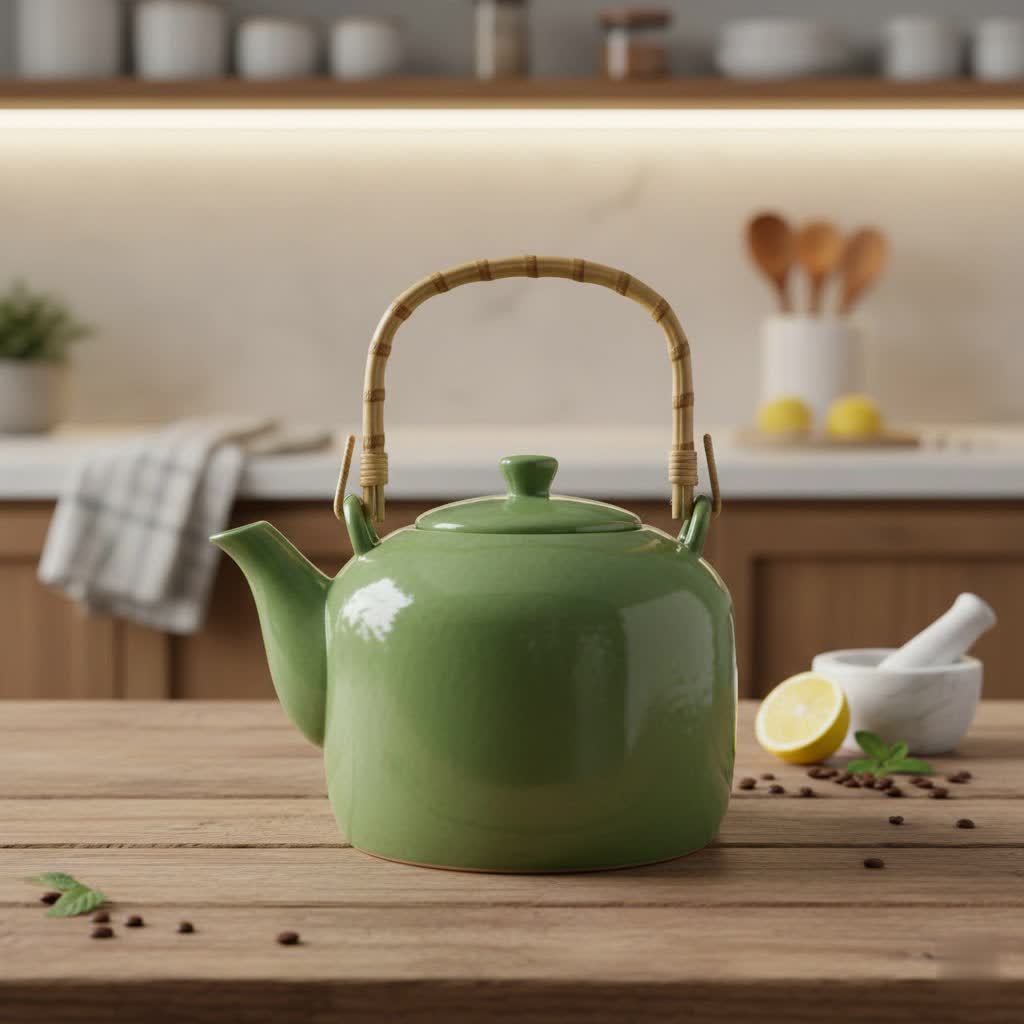
For centuries, Turkish tea has been far more than just a beverage; it’s a profound symbol of hospitality, warmth, and shared moments, deeply woven into the fabric of Turkish culture. At the heart of this cherished tradition lies the Turkish teapot, known as the çaydanlık. This distinctive two-tiered brewing system is not merely a kitchen utensil but an integral part of an ancient ritual, designed to produce a rich, aromatic tea that can be customized to every individual’s taste. Whether you’re a seasoned tea enthusiast or curious to explore new brewing methods, understanding the Turkish teapot and its unique role will elevate your tea experience to an art form.
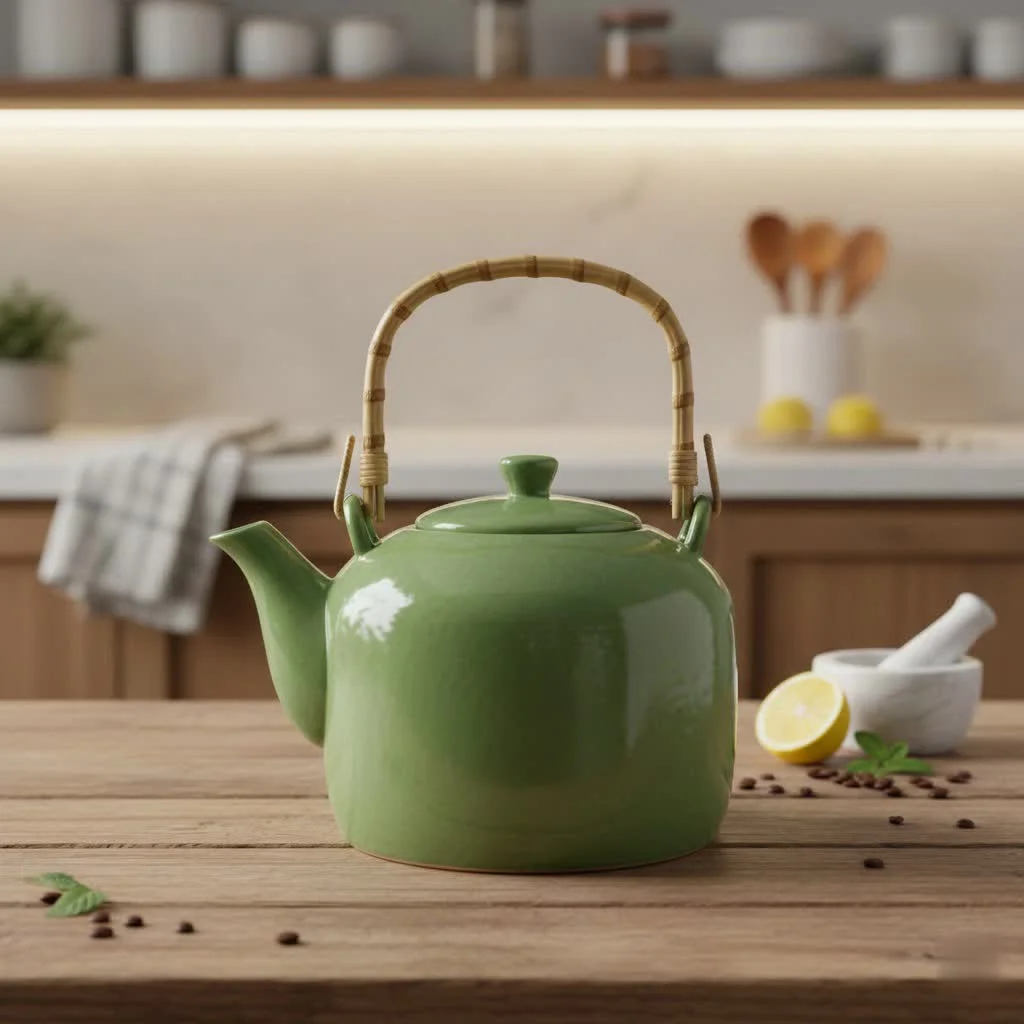
The Heart of Turkish Hospitality: Understanding the Turkish Teapot (Çaydanlık)
What exactly makes a Turkish teapot so special? The çaydanlık is characterized by its ingenious double-kettle design. A larger pot sits at the bottom, dedicated to boiling water, while a smaller pot rests directly on top, where a concentrated tea infusion is brewed. This innovative setup serves a dual purpose: the constant heat from the boiling water below gently steams and keeps the tea concentrate in the upper pot warm, allowing the flavors to deepen without over-steeping or becoming bitter.
This method allows for a highly personalized tea experience. Guests are typically served a portion of the strong tea concentrate from the upper pot, which they then dilute with hot water from the lower pot to their desired strength. This communal yet customizable approach perfectly embodies Turkish hospitality, inviting everyone to partake in a ritual that is both comforting and deeply social. From bustling tea gardens to intimate family gatherings, the çaydanlık ensures that perfectly brewed tea is always at the ready, fostering connection and conversation.
Exploring the World of Turkish Teapot Materials
The material of your Turkish teapot plays a significant role in its performance, durability, aesthetic appeal, and even the subtle nuances of your tea’s flavor. Traditional craftsmanship meets modern innovation in the array of materials available today.
Stainless Steel Tea Pots
Stainless steel is a popular choice for modern Turkish teapots due to its exceptional durability and ease of maintenance. These teapots often feature a sleek, contemporary design that complements any kitchen aesthetic. Stainless steel is non-reactive, ensuring that your tea retains its pure flavor without any metallic aftertaste. Many stainless steel çaydanlıks are also induction-compatible, making them versatile for various stovetop types. They are built to withstand daily use and are generally more resistant to dents and scratches than some other materials, offering a practical and long-lasting option for everyday brewing.
Copper Tea Pots
|
Our Picks for the Best Tea Pot in 2026
As an Amazon Associate I earn from qualifying purchases.
|
||
| Num | Product | Action |
|---|---|---|
| 1 | Amazon Basics Electric Kettle with Glass Carafe for Tea and Coffee, BPA-Free, Fast Boiling, Auto Shut-Off, 1 Liter, 1500W, Glass and Steel |

|
| 2 | PARACITY Glass Teapot Stovetop 20 OZ/600ml, Tea pot with Removable 18/8 Stainless Steel Infuser, Borosilicate Clear Tea Kettle, Teapot Blooming and Loose Leaf Tea Maker Tea Brewer for Camping, Travel |
|
| 3 | Primula Stewart Whistling Stovetop Tea Kettle Food Grade Stainless Steel, Hot Water Fast to Boil, Cool Touch Folding, 1.5-Quart, Brushed with Black Handle |
|
| 4 | Glass Teapot with Infuser 60OZ (1800ml) Stovetop Safe, Clear Glass Tea Pot Kettle, Borosilicate Tea Pot with Infusers Filter for Loose Tea, Tea Kettle Dishwasher Safe |
|
| 5 | All-Clad Specialty Stainless Steel Tea Kettle 2 Quart Induction Pots and Pans, Cookware Silver |
|
| 6 | 1500ml(50oz) Glass Teapot with Removable Infuser, Ehugos Stovetop Safe Large Tea Pot, Blooming and Loose Leaf Hand Crafted Kettle for Women and Adult with Stainless Infuser |
|
| 7 | Amazon Basics Electric Kettle with Glass Carafe for Tea and Coffee, BPA-Free, Fast Boiling, Auto Shut-Off, 1.7 Liter, 1500W, Black and Silver |
|
| 8 | Amazon Basics Electric Stainless Steel Kettle for Tea and Coffee, BPA-Free, Fast Boiling, Auto Shut-Off, 1.7 Liter, 1500W, Black and Silver |
|
| 9 | PARACITY Glass Teapot Stovetop 18.6 OZ, Borosilicate Clear Tea Kettle with Removable 18/8 Stainless Steel Infuser, Teapot Blooming and Loose Leaf Tea Maker Tea Brewer for Camping, Travel (550ML) |
|
| 10 | HIWARE 1000ml Glass Teapot with Removable Infuser, Stovetop Safe Tea Kettle, Blooming and Loose Leaf Tea Maker Set |
|
Embodying rustic charm and historical elegance, copper Turkish teapots are deeply traditional. Known for their excellent heat conductivity and retention, copper pots ensure an even and consistent brew. The material’s beautiful patina develops over time, adding to its unique character and making each piece a work of art. While visually stunning and highly efficient, copper teapots often require more delicate care. They typically need to be hand-washed to preserve their finish and, if unlined or traditionally tinned, may require re-tinning periodically to ensure safe use with acidic beverages like tea. They represent a commitment to authentic tradition and craftsmanship.
Enamel Tea Pots
Enamel teapots combine functionality with a touch of color and vintage appeal. Made by fusing powdered glass to a substrate (often steel or cast iron) and firing it, enamelware is known for its smooth, non-porous surface. This makes them easy to clean and resistant to stains and scratches. Enamel teapots can be quite durable, though they can chip if dropped or subjected to harsh impact. Many modern enamel çaydanlıks are designed to be induction-compatible, offering a blend of traditional style and modern convenience, often coming in vibrant hues that can brighten any kitchen.
Ceramic and Glass Tea Pots
While less common for the bottom boiling pot of a çaydanlık, ceramic and glass are frequently used for the upper teapot or for standalone brewing methods. Ceramic teapots are prized for their aesthetic beauty and their ability to retain heat well, which can enhance the tea’s aroma. They are typically non-reactive, offering a neutral flavor profile. However, most ceramic pots are not designed for direct stovetop heat and are better suited for steeping tea with pre-boiled water or as serving vessels. Glass teapots, particularly those made from borosilicate glass, are heat-resistant and allow you to visually appreciate the tea as it steeps, making them ideal for delicate loose-leaf or herbal infusions. They offer a light, clean aesthetic but are generally more fragile than metal alternatives.
Detailed Comparison: Choosing Your Ideal Turkish Teapot
Selecting the perfect Turkish teapot means weighing the distinct characteristics of each material against your personal preferences and practical needs. Here’s a comparative overview:
| Feature | Stainless Steel | Copper | Enamel | Ceramic/Glass |
|---|---|---|---|---|
| Durability | High, resistant to daily wear | Moderate (needs careful handling) | High (but can chip on impact) | Moderate (fragile, prone to breaks) |
| Heat Retention | Good | Excellent | Good | Good |
| Price Range | Mid-range | High | Mid-range | Low to Mid-range |
| Aesthetics | Sleek, modern, polished | Rustic, traditional, often ornate | Colorful, vintage-inspired | Delicate, elegant, transparent (glass) |
| Flavor Impact | Neutral | Can subtly enhance/impart character | Neutral | Neutral |
| Stovetop Use | Yes (often induction compatible) | Yes (check tinning/lining) | Yes (check induction compatibility) | Generally for serving/steeping (not direct heat for ceramic) |
| Maintenance | Easy, dishwasher safe (check brand) | Hand-wash, occasional polishing, re-tinning for traditional copper | Easy, hand-wash recommended | Hand-wash, fragile |
A Buyer’s Guide to Turkish Teapots: What to Look For
Embarking on the journey to find your ideal Turkish teapot involves more than just picking a material. Consider these key factors to ensure your selection perfectly matches your brewing style and kitchen setup.
Consider Your Brewing Needs: Stovetop vs. Electric
First, decide whether a traditional stovetop çaydanlık or a modern electric Turkish tea maker (often called an electric samovar) is right for you. Stovetop models offer an authentic experience, relying on your range for heat. Electric versions, like those from Saki, provide convenience with features like precise temperature control, automatic shut-off, and “keep warm” functions, ideal for busy lifestyles or those who prefer set-it-and-forget-it brewing.
Material Choice
Your material choice profoundly impacts durability, aesthetics, and maintenance.
- For practicality, longevity, and easy care, stainless steel is often the best choice, especially if you need induction compatibility.
- If traditional beauty and superior heat retention are paramount, a copper teapot can offer an unparalleled experience, though it requires more specialized care.
- For vibrant colors and chip-resistant surfaces, enamel teapots are a charming option.
- If you primarily use the upper pot for brewing and value visual appeal and a neutral flavor, borosilicate glass is an excellent, though more fragile, selection.
Capacity
Consider how many people you typically serve. Turkish teapots come in various sizes. A smaller set might suffice for one or two people, while a larger çaydanlık (often 2-3 liters for the bottom pot and 1-1.5 liters for the top) is perfect for families or when entertaining guests, ensuring ample tea for everyone.
Heat Source Compatibility
This is crucial. If you have an induction cooktop, ensure your teapot has a magnetic base; pure aluminum or copper will not work. Most stainless steel and some enamel models are induction-compatible. Always verify the manufacturer’s specifications.
Ergonomics and Safety
Look for features that enhance comfort and safety during use. Heat-resistant handles, often made of Bakelite or wood, are essential for safe pouring. A drip-free spout design prevents messy spills. Some teapots also include removable infusers in the upper pot, which can simplify cleaning and prevent tea leaves from entering your cup. Double-walled structures in electric models can also improve insulation and keep the exterior cooler.
Brand Reputation
While many beautiful Turkish teapots are available from local artisans, established brands known for quality can offer peace of mind. Brands like Karaca, Korkmaz, and Saki (for electric models) are well-regarded for their craftsmanship and reliability in the Turkish market. Checking user reviews can also provide valuable insights into real-world performance and durability.
Mastering the Brew: How to Make Turkish Tea
Brewing Turkish tea with a çaydanlık is a delightful ritual that yields a uniquely rich and flavorful cup. Here’s a step-by-step guide to mastering this traditional method:
- Start with Quality Water: Fill the larger bottom pot of your çaydanlık with fresh, cold, filtered water. The quality of your water is fundamental to the taste of your tea.
- Select Your Tea: Choose a high-quality loose black tea. Traditional Turkish tea is typically a strong black tea, often from the Rize region. For every tulip-shaped tea glass you plan to serve, use about one full teaspoon of tea leaves. Place these tea leaves into the smaller upper teapot.
- Initial Boil and Pour: Place the bottom pot (with water) and the top pot (with tea leaves) stacked on your stovetop. Bring the water in the bottom pot to a rolling boil over medium-high heat. Once boiling, carefully pour a portion of this hot water over the tea leaves in the upper pot, just enough to fully immerse them and create a strong concentrate. Some traditionalists prefer to rinse the leaves with a small amount of cold water first, then drain, before adding the boiling water.
- Refill and Simmer: Refill the bottom pot with fresh water to just below the spout. Place the upper teapot back on top of the bottom pot. Reduce the heat to the lowest setting.
- Steep to Perfection: Allow the tea to steep for 10 to 20 minutes, depending on your desired strength. The gentle heat from the simmering water in the bottom pot will continue to warm the concentrate in the top, allowing the flavors to fully develop without becoming burnt or overly bitter. You’ll notice the tea leaves in the upper pot settling to the bottom when the tea is ready.
- Serve with Customization: Warm your small, tulip-shaped Turkish tea glasses by rinsing them with hot water. To serve, pour the concentrated tea from the upper pot into the glass, filling it about one-third to half full. Then, dilute the strong brew with hot water from the bottom pot to achieve your preferred strength and color (a rich, dark amber is ideal).
- Enjoy the Tradition: Turkish tea is traditionally enjoyed without milk. Many prefer it with one or two sugar cubes, and sometimes a slice of lemon is offered for a refreshing twist. Sip slowly and savor the moment, embracing this cherished tradition.
For those using an electric Turkish tea maker, the process is even simpler. You typically fill the lower kettle with water and the upper teapot with tea leaves, then press a button. The machine automatically boils the water, transfers it to the upper pot, and maintains the ideal steeping temperature, often with a “keep warm” function.
Caring for Your Turkish Teapot: Tips for Longevity
Proper care ensures your Turkish teapot remains a cherished part of your daily ritual for years to come.
- Hand-Washing is Key: For all types of Turkish teapots, hand-washing with warm, soapy water is generally recommended. Avoid harsh abrasive scrubbers or steel wool, which can scratch surfaces, especially on enamel, copper, or glass.
- Stainless Steel: These are typically the easiest to clean. Many stainless steel çaydanlıks are dishwasher safe, but always check the manufacturer’s instructions to prevent dulling or water spots. For stubborn stains, a paste of baking soda and water can be effective.
- Copper Teapots: Copper requires the most specific care. Avoid putting them in the dishwasher, as harsh detergents can strip their finish. Hand-wash gently and dry immediately to prevent water spots and tarnish. To maintain its shine, you can periodically polish copper with a specialized cleaner or a natural solution of lemon and salt. If your copper teapot is traditionally tinned, be mindful that excessive scrubbing can wear away the tin lining.
- Enamel Teapots: These are easy to clean with soap and water. Be gentle around the rim and spout, and avoid dropping them, as chipping the enamel can expose the underlying metal.
- Ceramic and Glass Teapots: Wash gently with mild soap and water. Be especially careful with glass, and ensure it’s completely cooled before washing to prevent thermal shock, which can cause cracking.
- Storing Tea Leaves: To maintain the freshness and flavor of your Turkish tea leaves, store them in an airtight container away from light, moisture, and strong odors.
Conclusion
The Turkish teapot, or çaydanlık, is truly more than just a vessel for brewing tea; it is an enduring symbol of a rich cultural heritage, bringing people together through a shared ritual of warmth and hospitality. From the robust durability of stainless steel to the traditional elegance of copper, and the modern convenience of electric designs, there’s a Turkish teapot to suit every home and preference. Mastering its use allows for a perfectly personalized cup every time, inviting you to slow down, savor the moment, and connect with a tradition steeped in history. Ready to embrace this delightful ritual and bring the authentic taste of Turkish tea into your home? What’s your favorite way to enjoy a perfectly brewed cup of tea?
Frequently Asked Questions
What is the difference between a Turkish teapot and a regular teapot?
A Turkish teapot, or çaydanlık, is distinctive for its two-tiered design: a larger bottom pot for boiling water and a smaller top pot for steeping concentrated tea. This allows for dilution to personal strength and keeps the tea warm, unlike a single regular teapot that typically only steeps tea.
Can I use any black tea for Turkish tea?
While traditional Turkish tea is made with specific black tea leaves, such as those from the Rize region, the unique brewing method of the çaydanlık means you can use any high-quality loose black tea to make Turkish tea. The essence lies in the brewing process, not exclusively in the tea type.
How long should Turkish tea steep?
For a rich, strong brew typical of Turkish tea, the concentrate in the upper teapot should steep for approximately 10 to 20 minutes over low, continuous heat from the simmering water in the bottom pot. This allows the flavors to fully develop.
Can Turkish teapots be used on induction cooktops?
Yes, many modern Turkish teapots, particularly those made from stainless steel or some enamel varieties, are designed with magnetic bases for induction cooktop compatibility. Always check the product specifications before purchasing, as pure copper or aluminum pots are typically not induction-ready.
How do I clean a copper Turkish teapot?
Copper Turkish teapots should always be hand-washed with warm, mild soapy water and dried immediately to prevent tarnishing and water spots. Avoid dishwashers and abrasive scrubbers. Periodically, you can polish them with a copper cleaner or a natural mixture of lemon and salt to maintain their shine.
Get our weekly buyer guide
Practical specs, not advice. Unsubscribe anytime.
