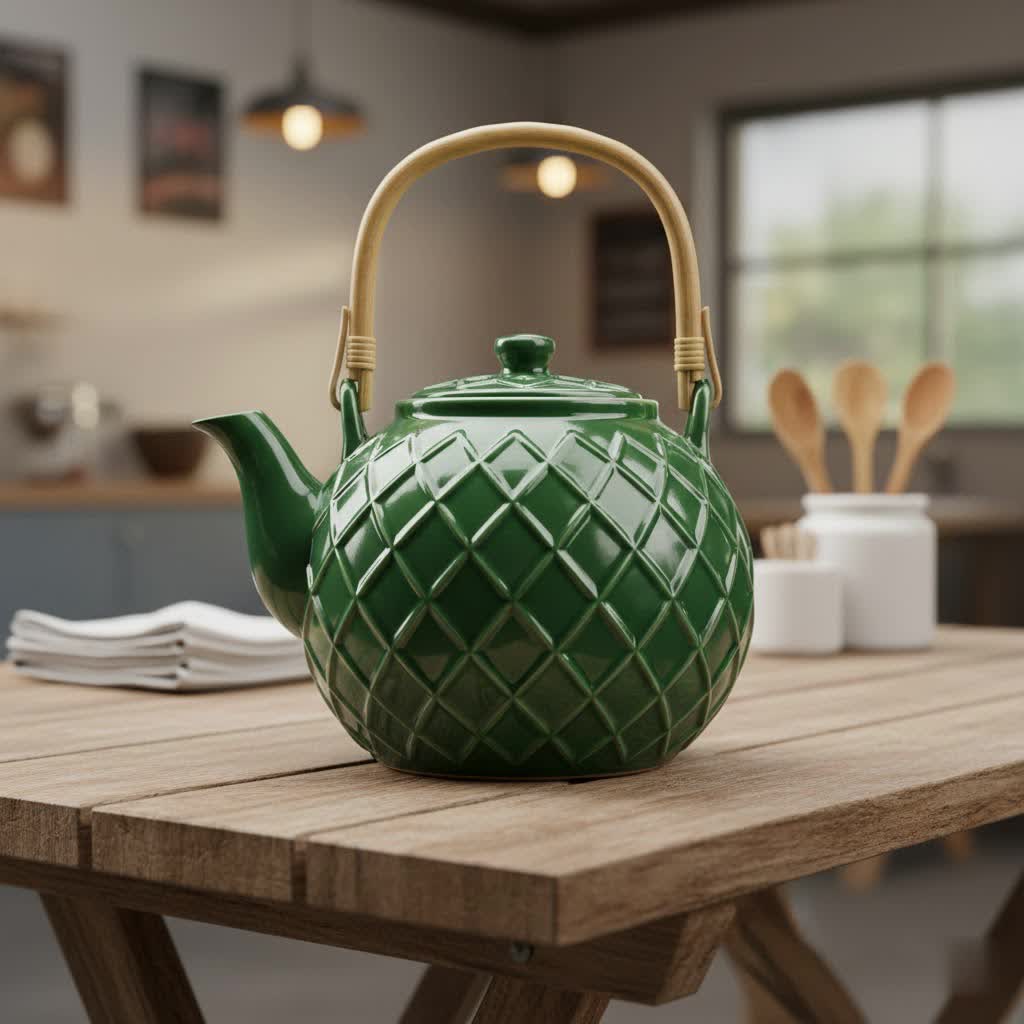
Tea is more than just a beverage; it’s a ritual, a moment of solace, and often, a cherished tradition. For many, the vessel in which tea is brewed and served is as significant as the tea leaves themselves. What if your teapot could tell a story? A personalized tea pot offers a unique blend of functionality and personal expression, transforming an everyday item into a treasured keepsake or a thoughtful gift. With over a decade of experience reviewing countless teapots, from traditional clay to modern electric models, I understand the nuances that make a teapot truly special. This guide will explore the world of personalized tea pots, helping you choose the perfect one to suit your needs and aesthetic preferences.
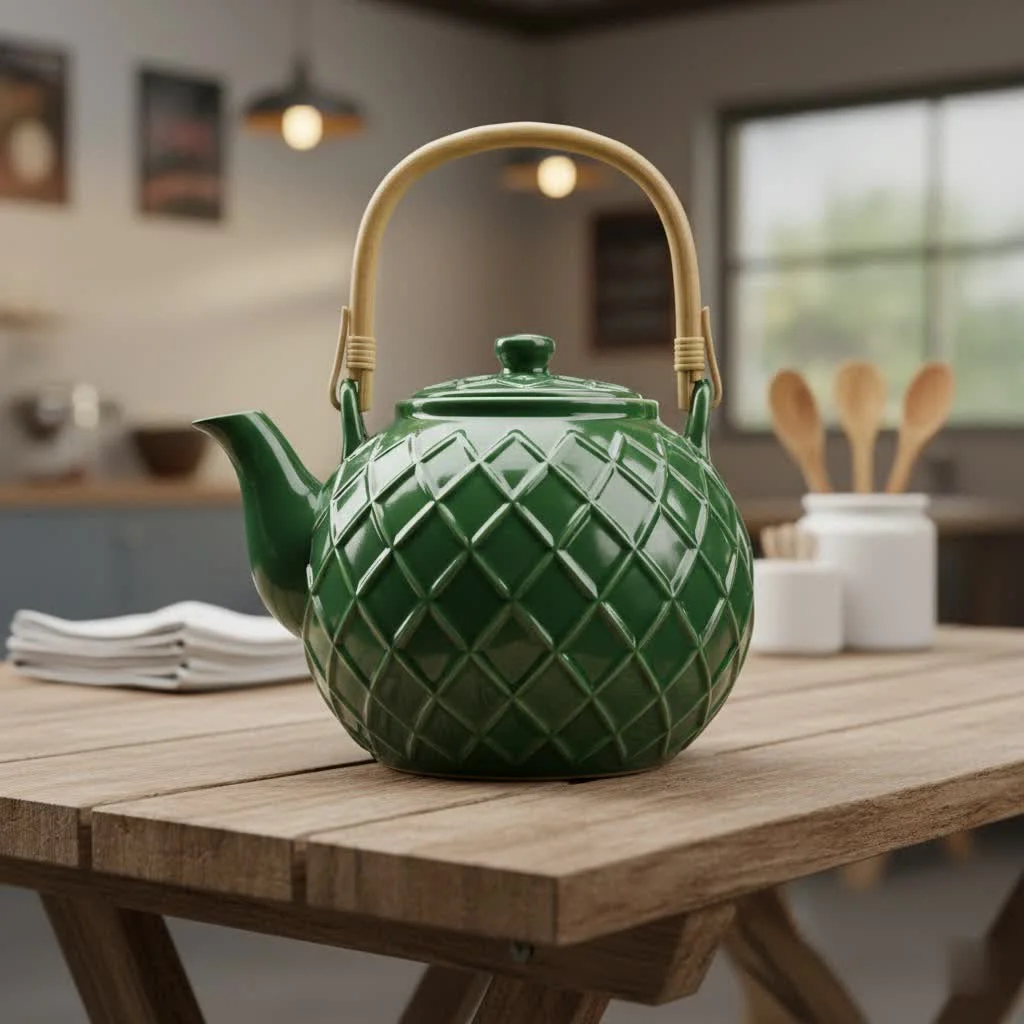
Unveiling the Diversity: Types of Personalized Tea Pots
The journey to finding your ideal personalized tea pot begins with understanding the variety of materials available, each offering distinct characteristics for both brewing and customization. For shop curated tea pots on this site.
Ceramic and Porcelain Tea Pots: A Canvas for Creativity
Ceramic and porcelain are perhaps the most popular choices for personalized tea pots, renowned for their versatility and aesthetic appeal. These clay-based materials, fired at high temperatures, provide a smooth, durable surface that serves as an excellent canvas for various customization techniques.
- Pros: Ceramic and porcelain teapots offer good heat retention, keeping your tea warm for longer. They come in a vast array of shapes, sizes, and glazes, from rustic stoneware to refined fine porcelain. Critically, they are highly receptive to customization methods like full-color digital printing, hand-painting, and decal application, allowing for intricate designs, cherished photographs, company logos, names, and heartfelt messages to be integrated. Many such teapots are also made to be dishwasher and microwave safe, adding to their practicality.
- Cons: While generally durable, ceramic and porcelain can be prone to chipping or breaking if dropped. Some thicker ceramic pots can also be quite heavy when full.
- Customization: The broad surface area and opaque nature of these materials make them ideal for comprehensive personalization. Designs can be integrated under the glaze for maximum longevity, ensuring the artwork withstands daily use and washing.
Bone China Tea Pots: Elegance with a Personal Touch
Bone china stands as a testament to refined elegance in the world of teaware. Known for its delicate appearance, translucent quality, and exceptional strength, it elevates the personalized tea pot to an art form.
- Pros: Bone china teapots are remarkably lightweight yet surprisingly durable, resisting chipping better than many ceramics due to their unique composition. Their luminous, often slightly translucent quality lends an air of sophistication. They provide an exquisite base for fine, detailed designs and can be personalized with advanced ink infusion printing, allowing for vibrant and long-lasting artwork directly onto the surface. This material often appeals to those seeking a luxurious and elegant personalized item.
- Cons: Typically, bone china teapots come at a higher price point than standard ceramic options. They also require more careful handling and specific care instructions, often recommending hand washing or low-temperature dishwasher cycles to protect their delicate nature and custom artwork.
- Customization: Personalization on bone china often involves sophisticated infusion techniques that embed designs directly into the material, creating a smooth, durable finish. Lighter designs with a white background tend to yield the best results, ensuring clarity and detail.
Glass Tea Pots: Witness the Bloom of Your Brew
|
Our Picks for the Best Tea Pot in 2026
As an Amazon Associate I earn from qualifying purchases.
|
||
| Num | Product | Action |
|---|---|---|
| 1 | Glass Teapot with Infuser 60OZ (1800ml) Stovetop Safe, Clear Glass Tea Pot Kettle, Borosilicate Tea Pot with Infusers Filter for Loose Tea, Tea Kettle Dishwasher Safe |

|
| 2 | Amazon Basics Electric Kettle with Glass Carafe for Tea and Coffee, BPA-Free, Fast Boiling, Auto Shut-Off, 1.7 Liter, 1500W, Black and Silver |
|
| 3 | HIWARE 1000ml Glass Teapot with Removable Infuser, Stovetop Safe Tea Kettle, Blooming and Loose Leaf Tea Maker Set |
|
| 4 | Amazon Basics Electric Stainless Steel Kettle for Tea and Coffee, BPA-Free, Fast Boiling, Auto Shut-Off, 1.7 Liter, 1500W, Black and Silver |
|
| 5 | PARACITY Glass Teapot Stovetop 18.6 OZ, Borosilicate Clear Tea Kettle with Removable 18/8 Stainless Steel Infuser, Teapot Blooming and Loose Leaf Tea Maker Tea Brewer for Camping, Travel (550ML) |
|
| 6 | Amazon Basics Electric Kettle with Glass Carafe for Tea and Coffee, BPA-Free, Fast Boiling, Auto Shut-Off, 1 Liter, 1500W, Glass and Steel |
|
| 7 | PARACITY Glass Teapot Stovetop 20 OZ/600ml, Tea pot with Removable 18/8 Stainless Steel Infuser, Borosilicate Clear Tea Kettle, Teapot Blooming and Loose Leaf Tea Maker Tea Brewer for Camping, Travel |
|
| 8 | Primula Stewart Whistling Stovetop Tea Kettle Food Grade Stainless Steel, Hot Water Fast to Boil, Cool Touch Folding, 1.5-Quart, Brushed with Black Handle |
|
| 9 | 1500ml(50oz) Glass Teapot with Removable Infuser, Ehugos Stovetop Safe Large Tea Pot, Blooming and Loose Leaf Hand Crafted Kettle for Women and Adult with Stainless Infuser |
|
| 10 | All-Clad Specialty Stainless Steel Tea Kettle 2 Quart Induction Pots and Pans, Cookware Silver |
|
For those who appreciate the visual spectacle of tea brewing, a personalized glass tea pot offers an unparalleled experience. Watching tea leaves unfurl or flower teas bloom adds an extra layer of enjoyment to the tea ritual.
- Pros: Glass teapots, usually made from borosilicate glass, are transparent, allowing you to observe the steeping process and the beautiful colors of your brew. They often feature a modern, minimalist aesthetic. When personalized, they offer a subtle yet impactful statement, often through engraving or sandblasting.
- Cons: Glass has poor heat retention compared to ceramic or cast iron, meaning your tea may cool down faster. It is also the most fragile material, susceptible to shattering from drops or sudden temperature changes.
- Customization: Personalization on glass is typically achieved through engraving, etching, or frosting. This method provides a sophisticated, tactile dimension to the design, perfect for monograms, names, or delicate patterns. Decals can also be applied to glass, offering color, though these may be less durable than etched designs.
Cast Iron Tea Pots: Robust Tradition, Unique Customization
Cast iron teapots, or Tetsubin, carry a deep sense of tradition and robustness, originating from ancient Japan. They are cherished for their ability to maintain heat and their distinctive aesthetic.
- Pros: Cast iron excels at heat retention, keeping tea warm for extended periods, ideal for leisurely tea sessions. They are incredibly durable and can last for generations with proper care. Their heavy, rustic charm and often textured surfaces provide a unique tactile experience.
- Cons: Cast iron teapots are considerably heavier than other types. They can rust if not properly maintained (many modern cast iron teapots have an enamel interior to prevent this). The intense heat retention can also be problematic for delicate green teas, potentially leading to over-steeping and bitterness.
- Customization: Direct printing on cast iron is less common due to its texture and material properties. Personalization usually comes in the form of unique molds, embossed patterns, or limited engraving on flat surfaces. The customization often lies in the choice of a uniquely crafted or colored piece rather than applied artwork.
A Side-by-Side Glance: Detailed Comparison of Personalized Tea Pot Types
Choosing the right personalized tea pot means weighing various factors. Here’s a comparison to help you decide:
| Feature | Ceramic/Porcelain | Bone China | Glass | Cast Iron |
|---|---|---|---|---|
| Material | Clay-based, various firing temps | Fine clay, bone ash | Borosilicate glass | Iron alloy |
| Durability | Good, can chip/break | Excellent (thin, chip-resistant) | Fragile, can shatter | Superior, very robust |
| Heat Retention | Good | Moderate | Low | Exceptional |
| Aesthetics | Opaque, diverse glazes, traditional | Translucent, delicate, elegant | Clear, modern, visual | Rustic, heavy, often textured |
| Price Range | Mid-range | Higher | Lower to mid-range | High |
| Customization | Extensive printing, hand-painting | Detailed art infusion, fine engraving | Engraving, etching, frosting | Surface texture, limited engraving |
| Dishwasher Safe? | Often (check manufacturer) | Often (low temp), hand wash ideal | Sometimes (check mfg.) | Hand wash only (to prevent rust) |
Your Personalized Brew: A Comprehensive Buying Guide
Selecting a personalized tea pot requires thoughtful consideration to ensure it perfectly aligns with your desires.
- Define Your Purpose: Is this a heartfelt gift for a special occasion like a birthday, anniversary, or housewarming, or is it a personal indulgence to elevate your daily tea ritual? Understanding the primary use helps narrow down choices. For example, a decorative piece might prioritize intricate designs, while an everyday brewer needs robust functionality.
- Consider Your Budget: Personalization adds a layer of artistry and uniqueness, which can affect the price. High-quality materials like bone china or intricate custom hand-painting will naturally be more expensive. Set a realistic budget before you start exploring options.
- Material Matters: The choice of material directly impacts heat retention, durability, and the overall aesthetic. If you enjoy delicate green teas, a glass or thinner porcelain might be suitable, allowing the tea to cool slightly. For robust black teas or prolonged enjoyment, ceramic or cast iron excel at heat retention.
- Design and Customization Method: Consider what kind of personalization you desire. Do you want a name, a special date, a birth flower, a photograph, or a custom pattern? Different materials and suppliers offer various methods:
- Underglaze Printing/Infusion: Often found in ceramic and bone china, where the design is baked into the glaze, offering exceptional durability and a smooth finish.
- Engraving/Etching: Common for glass, ceramic, or metal, creating a subtle, permanent, and tactile design.
- Hand-Painting: Offers a truly unique, artistic touch, though durability may vary depending on the paint and sealing.
- For printed designs, many services recommend lighter designs with a white or light background for the best clarity and detail. Large areas of solid color might not print as sharply.
- Check for Functionality and Safety: Beyond aesthetics, ensure the teapot is practical for use. Look for a comfortable handle, a drip-free spout, and a lid that fits securely. Crucially, verify if the personalized tea pot is food-safe, and if it’s dishwasher and microwave safe, especially if convenience is a priority. Many ceramic and porcelain options with underglaze designs are indeed dishwasher and microwave friendly.
- Reputable Suppliers: Choose providers with clear customization processes, transparent pricing, and positive customer reviews. Look for details on their materials, printing techniques, and care instructions to ensure the longevity of your personalized piece. Some custom printing services offer no minimum order requirements, which is great for individual gifts.
The Artisans Behind the Art: Exploring Trusted Personalized Tea Pot Sources
When seeking a personalized tea pot, you’re not just buying an item; you’re often commissioning a piece of art. The quality and longevity of your customized teapot largely depend on the skill of the artisan or the expertise of the custom printing service.
Working with specialized custom printing services or skilled independent artisans is key. These providers stand out by:
- Clarity in Customization: They offer detailed instructions on how to submit your design, what formats work best, and what to expect regarding the final product.
- Material Quality: They use high-grade materials like fine bone china or durable ceramics, ensuring the base teapot itself is of excellent quality.
- Durability of Personalization: Reputable sources use methods like underglaze infusion or precision etching, which ensure the personalization is long-lasting and resistant to wear and tear from washing and daily use.
- Customer Assurance: Look for companies that stand by their products, offer previews of your design, and have good customer service to address any concerns. Many online platforms and dedicated custom gift shops specialize in this niche, making it easier to find a reliable source for your unique creation.
Preserving Your Masterpiece: Tips for Using and Maintaining Your Personalized Tea Pot
A personalized tea pot is meant to be cherished. Proper care will ensure its beauty and functionality endure for years to come.
- Gentle Cleaning is Key: While some personalized ceramic and porcelain teapots are explicitly labeled dishwasher safe (especially those with designs infused under the glaze), hand washing is often the safest bet for preserving custom artwork. Use warm, soapy water and a soft sponge. Avoid abrasive scrubbers or harsh detergents that could scratch the surface or degrade the personalization over time.
- Protecting the Design: For designs that are applied to the surface (rather than underglaze or etched), handle your teapot with extra care. Avoid stacking other dishes on top of it or rubbing the personalized areas excessively.
- Proper Storage: Store your teapot in a place where it won’t be easily knocked over or chipped. A dedicated shelf or cabinet space can protect it from accidental damage.
- Temperature Considerations: For glass teapots, avoid sudden temperature extremes, which can cause thermal shock and cracking. Preheating the pot with warm water before adding boiling water for brewing can help. Cast iron teapots retain heat exceptionally well, so be mindful of steeping times to prevent over-extraction, especially for delicate teas.
- Addressing Stains: Tea stains can accumulate over time, especially in ceramic or porcelain pots. A gentle solution of baking soda and water or a specialized tea stain remover can help restore its pristine appearance without harming the personalization.
“A truly exceptional teapot is not merely a brewing vessel; it is a canvas, a confidant, and a cornerstone of personal ritual.” – ReviewedHW.com Admin
Conclusion
A personalized tea pot is more than just a piece of kitchenware; it’s a testament to individuality, a warm sentiment, or a thoughtful connection. From the elegant translucence of bone china to the robust tradition of cast iron, and the artistic versatility of ceramic, there’s a perfect material and customization method to bring your vision to life. By understanding the types, considering your needs, and applying proper care, you can select and preserve a unique item that enriches your tea moments or serves as an unforgettable gift. Embark on the delightful journey of creating your own custom tea ware, and experience how a personal touch can transform the simple act of brewing tea into something truly extraordinary. What unique story will your personalized tea pot tell?
Frequently Asked Questions
Which material is best for a healthy personalized tea pot?
Ceramic, porcelain, and bone china are widely considered excellent choices for healthy tea brewing, provided they are food-safe and their glazes are lead-free. Glass is also a non-reactive and healthy option. When selecting a personalized teapot, always confirm with the manufacturer that it uses food-grade materials and safe customization processes.
How durable is the personalization on a tea pot?
The durability of personalization depends heavily on the method used. Designs infused directly under the glaze or etched into the material (like on glass) are typically highly durable and resistant to fading or scratching, often lasting the lifetime of the teapot. Surface-applied decals or paints, while offering vibrant customization, may require more delicate care and could show wear over time with frequent use or harsh washing.
Can personalized tea pots be used daily?
Yes, many personalized tea pots are designed for daily use. Teapots made from durable ceramic, porcelain, or bone china with robust, integrated personalization (such as underglaze prints) are perfectly suited for regular brewing. Always refer to the manufacturer’s care instructions to ensure longevity and preserve your unique design.
Are personalized tea pots dishwasher safe?
Many ceramic and porcelain personalized tea pots, particularly those with digitally infused or underglaze designs, are indeed dishwasher safe. However, it is crucial to always check the specific care instructions provided by the manufacturer or artisan. For more delicate materials like bone china or hand-painted items, or those with surface decals, hand washing is often recommended to best preserve the personalization.
How long does it take to get a custom tea pot made?
The production time for a custom tea pot can vary significantly. For services using digital printing on pre-made blanks, production might be as quick as 1-2 business days. For handcrafted pieces or more intricate bespoke designs from an artisan, the process could take several weeks or even months. Always inquire about both production and shipping times when placing an order.
Get our weekly buyer guide
Practical specs, not advice. Unsubscribe anytime.
