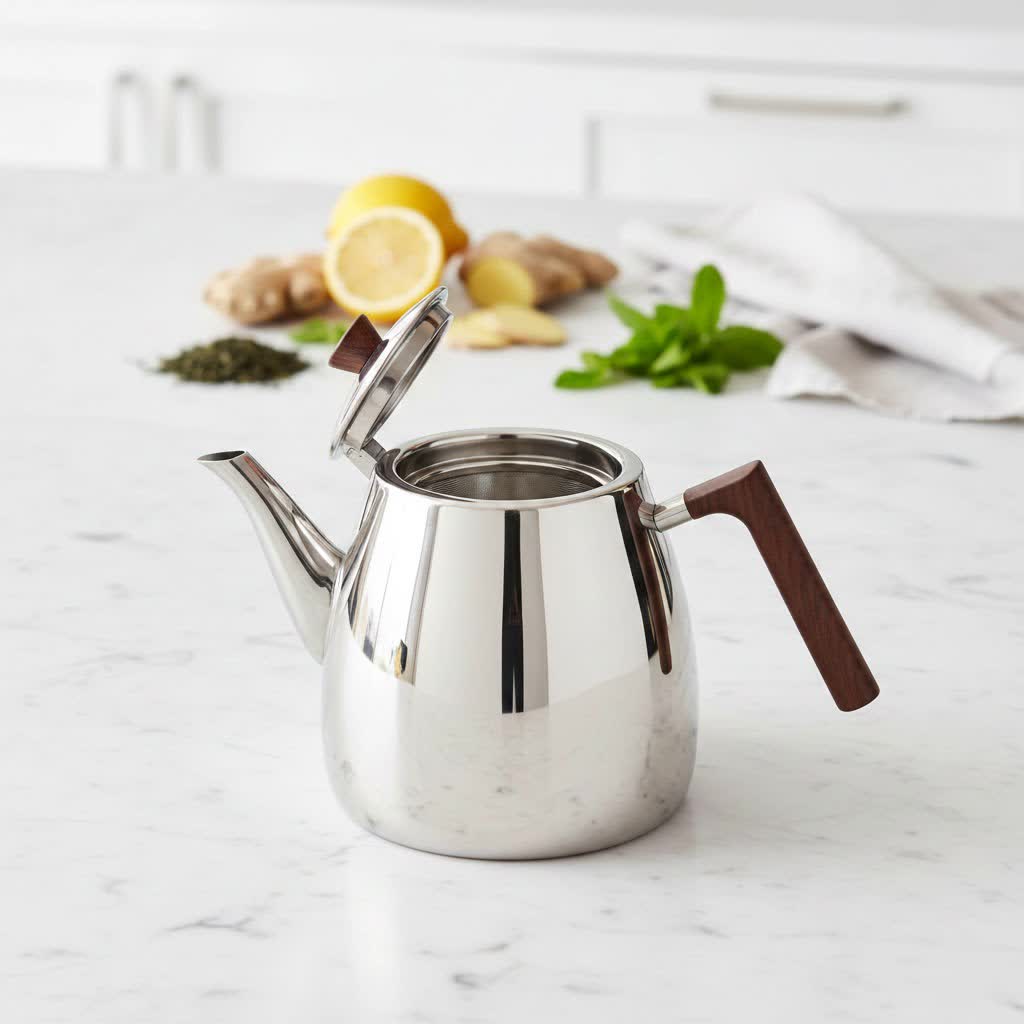
Stepping into a tea pot cafe is more than just ordering a drink; it’s an immersion into a world of aroma, flavor, and tranquility. For those who appreciate the subtle complexities of tea, these dedicated havens offer a sanctuary far removed from the bustling pace of everyday life. As an enthusiast who has explored countless teawares and brewing methods over a decade, I understand the profound impact a well-chosen setting and expertly prepared tea can have. This guide will help you navigate the diverse landscape of tea pot cafes, ensuring your next tea journey is nothing short of perfect.
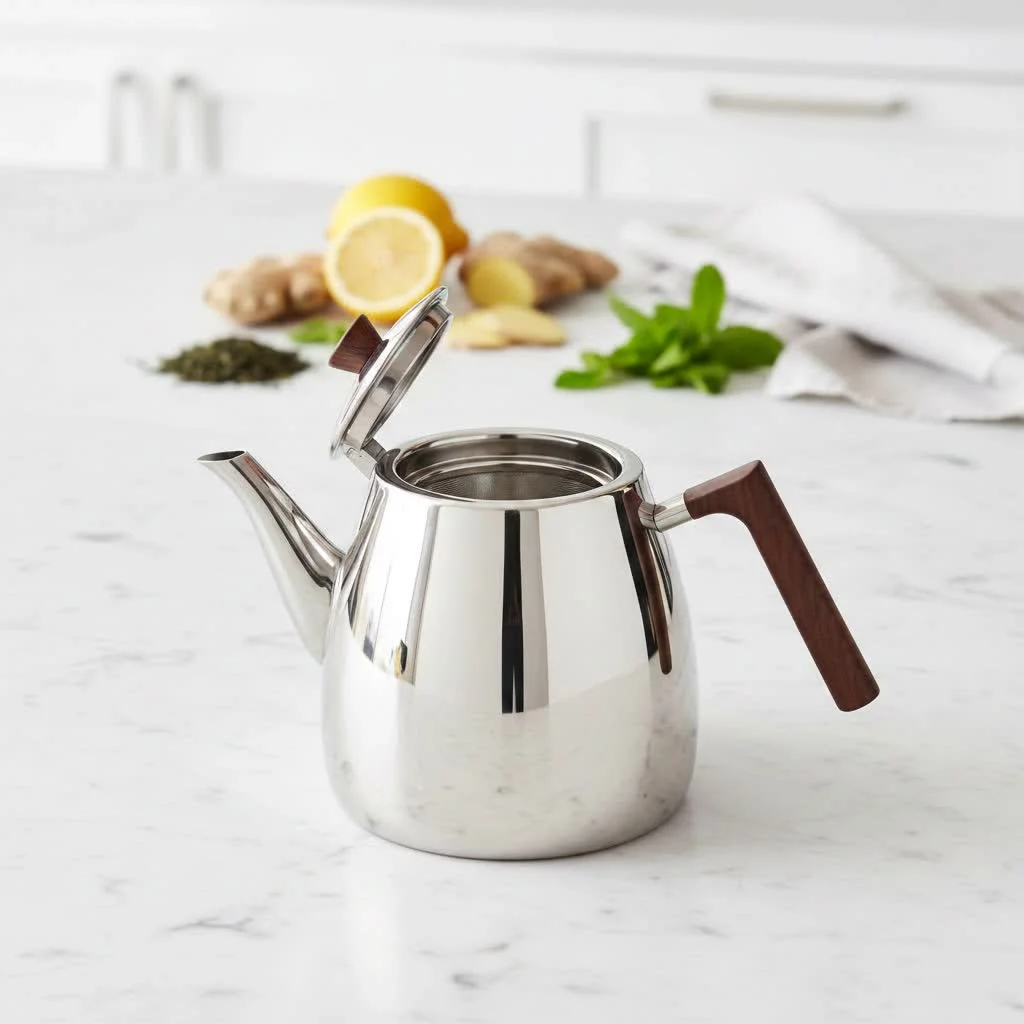
Understanding the Essence of a Tea Pot Cafe
At its heart, a tea pot cafe, often referred to as a teahouse or tea salon, is an establishment devoted entirely to the art and enjoyment of tea. Unlike general coffee shops that might offer a few basic tea bags, these specialized venues curate an extensive selection of loose leaf teas, each chosen for its unique character and quality. It’s a place where the ceremony of tea is celebrated, from the precise brewing temperatures to the elegant presentation of the teaware, transforming a simple beverage into a memorable experience. For explore our tea pots reviews on this site.
Beyond the Cup: It’s an Experience
A true tea pot cafe cultivates an atmosphere designed to enhance your tea-drinking ritual. It’s not just about what’s in your cup, but the entire sensory journey. The gentle clinking of porcelain, the soft murmur of conversations, and the calming scents of various brews all contribute to a feeling of peace and contemplation. Here, time seems to slow, inviting you to savor each moment and connection, whether you’re alone with a book or sharing stories with friends. This dedication to holistic experience is what truly sets a tea pot cafe apart.
A Journey Through Distinct Tea Pot Cafe Styles
The world of tea pot cafes is as diverse as tea itself, offering a spectrum of styles to suit every preference and occasion. From ancient traditions to modern interpretations, each type presents a unique facet of global tea culture. Understanding these distinctions can help you find the perfect match for your mood and curiosity.
Traditional Teahouses: Echoes of Heritage
Traditional teahouses transport you to the cultural roots of tea. In Japan, a chashitsu might offer a serene, minimalist setting for a meticulous matcha ceremony, emphasizing harmony and respect. Chinese teahouses often feature elaborate wooden architecture and a vast selection of Oolong teas, where guests can engage in lengthy discussions while multiple infusions are served from beautiful Yixing clay pots. These establishments are deeply steeped in history, offering an authentic glimpse into centuries-old customs and philosophies surrounding tea.
Elegant Tea Salons: The Grandeur of Afternoon Tea
|
Our Picks for the Best Tea Pot in 2026
As an Amazon Associate I earn from qualifying purchases.
|
||
| Num | Product | Action |
|---|---|---|
| 1 | 1500ml(50oz) Glass Teapot with Removable Infuser, Ehugos Stovetop Safe Large Tea Pot, Blooming and Loose Leaf Hand Crafted Kettle for Women and Adult with Stainless Infuser |

|
| 2 | Amazon Basics Electric Stainless Steel Kettle for Tea and Coffee, BPA-Free, Fast Boiling, Auto Shut-Off, 1.7 Liter, 1500W, Black and Silver |
|
| 3 | Glass Teapot with Infuser 60OZ (1800ml) Stovetop Safe, Clear Glass Tea Pot Kettle, Borosilicate Tea Pot with Infusers Filter for Loose Tea, Tea Kettle Dishwasher Safe |
|
| 4 | Primula Stewart Whistling Stovetop Tea Kettle Food Grade Stainless Steel, Hot Water Fast to Boil, Cool Touch Folding, 1.5-Quart, Brushed with Black Handle |
|
| 5 | All-Clad Specialty Stainless Steel Tea Kettle 2 Quart Induction Pots and Pans, Cookware Silver |
|
| 6 | HIWARE 1000ml Glass Teapot with Removable Infuser, Stovetop Safe Tea Kettle, Blooming and Loose Leaf Tea Maker Set |
|
| 7 | PARACITY Glass Teapot Stovetop 20 OZ/600ml, Tea pot with Removable 18/8 Stainless Steel Infuser, Borosilicate Clear Tea Kettle, Teapot Blooming and Loose Leaf Tea Maker Tea Brewer for Camping, Travel |
|
| 8 | Amazon Basics Electric Kettle with Glass Carafe for Tea and Coffee, BPA-Free, Fast Boiling, Auto Shut-Off, 1 Liter, 1500W, Glass and Steel |
|
| 9 | Amazon Basics Electric Kettle with Glass Carafe for Tea and Coffee, BPA-Free, Fast Boiling, Auto Shut-Off, 1.7 Liter, 1500W, Black and Silver |
|
| 10 | PARACITY Glass Teapot Stovetop 18.6 OZ, Borosilicate Clear Tea Kettle with Removable 18/8 Stainless Steel Infuser, Teapot Blooming and Loose Leaf Tea Maker Tea Brewer for Camping, Travel (550ML) |
|
The European-style tea salon, particularly famous for afternoon tea, embodies elegance and indulgence. Think delicate porcelain teacups, tiered trays laden with finger sandwiches, scones with clotted cream and jam, and exquisite pastries. These cafes provide a refined experience, often characterized by plush seating, ornate decor, and impeccable service. They are perfect for special occasions, leisurely gatherings, or simply treating yourself to a taste of refined tradition, typically offering a selection of classic black teas and sophisticated blends.
Modern Tea Bars: Contemporary Brews and Vibes
For those seeking a more contemporary take on tea, modern tea bars offer a fresh and often innovative experience. These establishments might feature sleek, minimalist designs, focus on unique flavor combinations, or even experiment with tea lattes, cold brews, and tea-infused cocktails. They often attract a younger, more dynamic crowd, providing a relaxed yet stylish environment. Modern tea bars prioritize accessibility and often highlight sustainable sourcing and the diverse origins of their teas, making tea relevant for today’s fast-paced world.
Specialty-Focused Cafes: Deep Dives into Specific Brews
Some tea pot cafes dedicate themselves to a particular type or region of tea, offering a deep dive for connoisseurs. You might find a cafe specializing solely in Pu-erh tea, with aged cakes and knowledgeable staff ready to guide you through its complex nuances. Others might focus on herbal infusions, showcasing a vast array of botanical blends for health and wellness. These specialty venues are perfect for expanding your tea knowledge and discovering rare or expertly prepared single-origin varieties, fostering a true appreciation for niche tea cultures.
The Pillars of a Superior Tea Pot Cafe Experience
What truly elevates a tea pot cafe from merely serving tea to providing an unforgettable experience? It boils down to several key elements, each contributing to the overall quality and enjoyment of your visit. These are the aspects that discerning tea lovers, like myself, instinctively look for.
The Tea Selection: Quality, Variety, and Provenance
The foundation of any great tea pot cafe is its tea selection. This goes beyond offering a few common options; it means a curated list of high-quality, often loose leaf, teas with clear information about their origin and processing. A superior cafe will boast a diverse range, including:
- Black Teas: Robust Assam, malty Yunnan, bright Darjeeling, and classic Earl Grey.
- Green Teas: Fresh Sencha, earthy Matcha, delicate Dragonwell.
- Oolong Teas: From lightly oxidized floral Tie Guan Yin to heavily roasted darker oolongs.
- White Teas: Delicate Silver Needle and Bai Mudan.
- Herbal Infusions: Caffeine-free blends like peppermint, chamomile, and rooibos.
Beyond variety, the quality and freshness of the leaves are paramount. Knowledgeable staff should be able to guide you through the selection, recommending teas based on your preferences and even explaining their flavor profiles and health benefits.
The Art of Teaware: Functionality Meets Aesthetics
As someone deeply familiar with teaware, I can attest that the vessels used are integral to the tea-drinking experience. A truly exceptional tea pot cafe understands that the teapot is not merely a container but an essential tool that influences both the brew and its presentation.
Types of Teapots and Their Impact:
- Clay Teapots (e.g., Yixing): Prized for their ability to absorb and enhance the flavors of specific teas over time, particularly Oolongs and Pu-erhs. They offer excellent heat retention.
- Ceramic Teapots: Versatile and non-reactive, making them suitable for a wide range of teas without altering the flavor. They come in endless aesthetic designs.
- Glass Teapots: Ideal for showcasing blooming teas and colorful infusions, allowing drinkers to appreciate the visual artistry of the brew. They do not retain flavors, ensuring a pure taste.
- Cast Iron Teapots (Tetsubin): Known for superior heat retention, keeping tea warm for extended periods, and often used for Japanese green teas or rustic settings.
Beyond the material, the teapot’s functionality is crucial: a drip-free spout ensures a clean pour, a well-fitting lid prevents heat loss, and a balanced handle makes serving effortless. The cups, too, play a role – from delicate porcelain for white teas to sturdier ceramic for robust blacks, each enhances the appreciation of the brew.
Ambiance and Atmosphere: Setting the Mood
The environment within a tea pot cafe profoundly impacts your experience. A superior establishment creates an ambiance that is both inviting and conducive to relaxation and enjoyment. Key elements include:
- Comfortable Seating: Plush chairs, cozy nooks, or communal tables that encourage lingering.
- Thoughtful Decor: Aesthetic appeal, whether it’s traditional, minimalist, or eclectic, contributes to the cafe’s unique character.
- Appropriate Lighting: Soft, warm lighting can create a calming effect, while brighter spaces might encourage lively conversation.
- Subtle Soundscapes: Gentle background music or the quiet hum of activity that allows for conversation without distraction.
- Cleanliness and Order: A pristine environment signals care and respect for the customer’s experience.
The best cafes manage to strike a balance, offering a distinct personality while remaining universally welcoming.
Culinary Companions: Perfect Pairings
While tea is the star, complementary food offerings significantly elevate the cafe experience. Many tea pot cafes excel in providing a delightful array of culinary companions that enhance the flavors of their teas.
- Afternoon Tea Spreads: Classic finger sandwiches, delicate pastries, and warm scones with clotted cream and preserves are hallmarks of an elegant tea salon.
- Light Bites: Simple, fresh pastries, artisanal bread, or savory snacks that complement the tea without overpowering its taste.
- Cultural Delicacies: In traditional teahouses, expect local sweets or savory bites that align with the specific tea culture (e.g., mochi with matcha, mooncakes with Chinese teas).
The aim is to create a harmonious blend of flavors, where the food accentuates the tea, and vice-versa, turning a simple refreshment into a gastronomic journey.
Expert Service: Guidance and Gratification
Finally, the staff at a tea pot cafe can make all the difference. Beyond basic hospitality, expert service involves:
- Tea Knowledge: Staff who are passionate and well-versed in the different teas, their origins, brewing methods, and flavor profiles. They can offer recommendations and answer questions with confidence.
- Brewing Expertise: Consistent and correct brewing practices are essential. This includes using the right water temperature, steeping time, and appropriate teaware for each tea.
- Attentiveness: Being present without being intrusive, ensuring guests have everything they need for a comfortable and enjoyable experience.
- Passion: A genuine love for tea that shines through their recommendations and service, enriching the interaction.
When staff are knowledgeable and enthusiastic, they transform a mere transaction into an engaging educational and enjoyable interaction.
How to Discover Your Ideal Tea Pot Cafe
With so many wonderful options, finding the tea pot cafe that perfectly matches your desires can be an enjoyable quest.
- Define Your Desired Experience: Are you seeking a quiet spot for contemplation, an elegant setting for a special celebration, or a trendy locale to explore new flavors?
- Research Online: Utilize review sites, local guides, and social media to find highly-rated tea cafes in your area or travel destination. Pay attention to photos and customer comments about ambiance and tea selection.
- Explore Different Styles: Don’t limit yourself. Try a traditional teahouse one day, an elegant salon the next, and a modern tea bar another time to discover what truly resonates with you.
- Ask for Recommendations: Friends, local tea enthusiasts, or even the staff at a tea shop can offer valuable insights into hidden gems.
- Check the Menu Online: If available, review their tea selection and food offerings to ensure they align with your preferences before you visit.
Maximizing Your Tea Pot Cafe Visit
Once you’ve found your chosen tea sanctuary, here are a few tips to enhance your experience:
- Embrace Exploration: Don’t be afraid to try a tea you’ve never heard of. Ask your server for recommendations based on your favorite flavors or mood.
- Engage with Staff: They are often a wealth of knowledge. Inquire about the tea’s origin, brewing instructions, or suggested food pairings. This interaction can deepen your appreciation.
- Appreciate the Ritual: Take a moment to observe the color of the brew, inhale its aroma, and savor the taste. Let the experience unfold slowly.
- Disconnect to Reconnect: Consider putting away your phone and truly immersing yourself in the ambiance and the company (or your own thoughts).
Conclusion
The tea pot cafe offers far more than just a beverage; it presents an opportunity to slow down, connect with culture, and indulge in a sensory delight. From the timeless traditions of an ancient teahouse to the chic innovations of a modern tea bar, each venue provides a unique escape and a chance to deepen your appreciation for tea. With a discerning eye for quality tea, authentic teaware, inviting ambiance, and knowledgeable service, you can discover your perfect brew and transform a simple outing into a cherished memory. So, what kind of tea adventure will you embark on next?
Frequently Asked Questions
What’s the difference between a tea pot cafe and a coffee shop?
A tea pot cafe specializes in a wide variety of high-quality loose leaf teas, often emphasizing brewing rituals, specific teaware, and a tranquil atmosphere conducive to savoring tea. Coffee shops, conversely, focus primarily on coffee, with tea typically being a secondary, more limited offering, and the ambiance often more geared towards quick service or a bustling social hub.
What kind of teaware should a good tea cafe use?
A good tea cafe should use appropriate teaware for the type of tea served. This includes teapots made from materials like ceramic, glass, or traditional clay (e.g., Yixing), each chosen to enhance specific teas. They should also feature well-designed, drip-free spouts, secure lids, comfortable handles, and cups that complement the tea’s character and presentation.
How do I find a traditional tea ceremony experience?
To find a traditional tea ceremony experience, research teahouses or cultural centers specializing in specific traditions, such as Japanese chado or Chinese gongfu cha. Look for establishments with dedicated tea masters or cultural programs, and check their websites or reviews for details on ceremonial offerings.
Are tea cafes good for working?
While some modern tea bars with ample seating and Wi-Fi can be suitable for working, many traditional tea pot cafes and elegant tea salons prioritize a serene atmosphere for relaxation and social interaction. They might not be ideal for focused work, encouraging you instead to disconnect and immerse yourself in the tea experience.
Get our weekly buyer guide
Practical specs, not advice. Unsubscribe anytime.
